

Visiting the Historic Zócalo of Mexico City: A Journey Through Time and Culture
Visiting the Historic Zócalo of Mexico City: A Journey Through Time and Culture
The Zócalo, or Plaza Mayor, is not just the heart of Mexico City; it is a pulsating epicenter of history, culture, and daily life that has stood the test of time. As one of the largest public squares in the world, this UNESCO World Heritage site is a must-visit for anyone traveling to Mexico City.
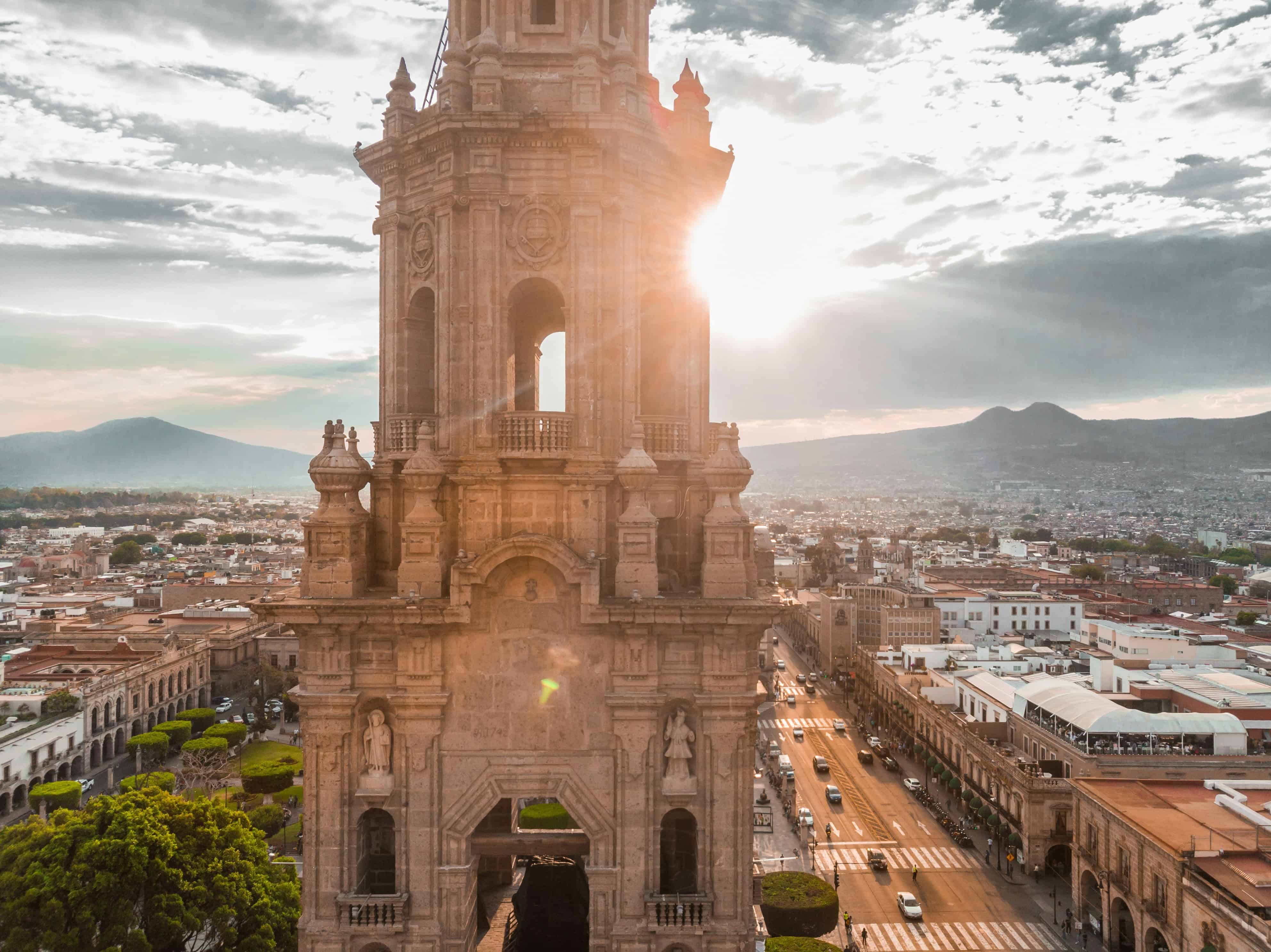
In this comprehensive guide, we will delve into the rich tapestry of experiences that the Zócalo offers, from its historical significance to its vibrant cultural events.
The Historical Significance of the Zócalo in Mexico City
The Zócalo has been a gathering place for centuries, dating back to the Aztec Empire when it was known as the Templo Mayor. This area was once the center of Tenochtitlan, the capital of the Aztec civilization. Today, remnants of this ancient city can still be seen, making the Zócalo a living museum of sorts.
The Aztec Era: Tenochtitlan and Its Legacy
The Zócalo's history began with the Aztecs, who built their capital, Tenochtitlan, on an island in Lake Texcoco. The Templo Mayor, a massive pyramid dedicated to the gods Huitzilopochtli and Tlaloc, was located just off the Zócalo. Visitors can explore the ruins of this temple, which provide insight into the religious and cultural practices of the Aztecs.
Colonial Transformation: From Tenochtitlan to Mexico City
After the Spanish conquest in the 16th century, the Zócalo underwent significant transformation. The Spanish built their own structures, including the Metropolitan Cathedral and the National Palace, which still stand today. This blend of indigenous and colonial architecture tells the story of Mexico's complex history.
Exploring the Architectural Marvels Surrounding the Zócalo
The Zócalo is framed by stunning architecture that reflects its rich history. Each building has its own story, and together they create a captivating visual narrative.
The Metropolitan Cathedral: A Testament to Faith and Art
One of the most iconic structures surrounding the Zócalo is the Metropolitan Cathedral. This architectural masterpiece combines elements of Gothic, Baroque, and Neoclassical styles, making it a symbol of Mexico's religious heritage. Visitors can explore its stunning interiors, adorned with intricate altarpieces and beautiful chapels, and even climb to the bell tower for a panoramic view of the Zócalo.
The National Palace: A Glimpse into Political History
Adjacent to the cathedral is the National Palace, the seat of the Mexican government. The palace is not only an important political building but also a work of art, featuring murals by the famous artist Diego Rivera that depict Mexico's history. Visitors can take guided tours to learn about the country's political evolution and admire the stunning architecture.
Cultural Events and Festivals at the Zócalo
The Zócalo is a vibrant hub of cultural activity, hosting numerous events and festivals throughout the year. From traditional celebrations to modern performances, there is always something happening in this lively square.
Day of the Dead: A Celebration of Life and Death
One of the most significant events at the Zócalo is the Día de los Muertos (Day of the Dead) celebration. This colorful festival honors deceased loved ones with altars, marigolds, and sugar skulls. The Zócalo transforms into a vibrant display of art and culture, attracting locals and tourists alike.
Independence Day: A National Celebration
Every September 16th, the Zócalo comes alive with festivities to celebrate Mexico's independence. The night before, the President gives the Grito de Dolores from the balcony of the National Palace, followed by fireworks, music, and dance. This event is a must-see for anyone wanting to experience Mexican culture at its finest.
Culinary Delights: Savoring the Flavors of the Zócalo
No visit to the Zócalo would be complete without indulging in the local cuisine. The area is teeming with food stalls, restaurants, and cafes offering a variety of traditional Mexican dishes.
Street Food: A Taste of Authentic Mexico
The Zócalo is famous for its street food, where visitors can sample delicious tacos, tamales, and elotes (grilled corn on the cob) from local vendors. The vibrant atmosphere and mouthwatering aromas make it an unforgettable culinary experience.
Fine Dining: Upscale Restaurants with a View
For those seeking a more refined dining experience, there are several upscale restaurants surrounding the Zócalo. Many offer stunning views of the square, allowing diners to enjoy their meals while soaking in the vibrant atmosphere. Be sure to try traditional dishes like mole and chiles en nogada.
Shopping and Souvenirs: Finding Treasures in the Zócalo
The Zócalo is not only a cultural and historical hub but also a fantastic place to shop for unique souvenirs and local handicrafts.
Artisan Markets: Supporting Local Craftspeople
Visitors can explore artisan markets near the Zócalo, where local craftspeople sell handmade goods such as pottery, textiles, and jewelry. Purchasing these items not only supports the local economy but also allows you to take home a piece of Mexican culture.
Traditional Markets: A Feast for the Senses
The nearby Mercado de San Juan is a traditional market that offers a wide variety of local products, including fresh produce, meats, and spices. It’s a great place to immerse yourself in the local culture and perhaps pick up some ingredients to recreate Mexican dishes at home.
Practical Tips for Visiting the Zócalo
To make the most of your visit to the Zócalo, here are some practical tips to keep in mind.
Best Time to Visit the Zócalo
The Zócalo is bustling year-round, but the best time to visit is during the cooler months from November to March. This is when the weather is most pleasant, making it ideal for exploring the square and its surroundings.
Getting to the Zócalo: Transportation Options
The Zócalo is easily accessible by public transportation, including the Metro, buses, and taxis. The nearest Metro station is Zócalo/Tenochtitlan, making it convenient for travelers.
Safety Tips for Tourists
While the Zócalo is generally safe for tourists, it’s always wise to stay vigilant. Keep an eye on your belongings, avoid displaying valuables, and be cautious in crowded areas.
Nearby Attractions: Expanding Your Exploration Beyond the Zócalo
While the Zócalo itself is a treasure trove of history and culture, there are several nearby attractions worth exploring.
Templo Mayor: Unearthing the Past
Just a short walk from the Zócalo, the Templo Mayor archaeological site offers a fascinating glimpse into the Aztec civilization. The museum on-site showcases artifacts and provides context for the significance of the temple.
Palacio de Bellas Artes: A Cultural Icon
The Palacio de Bellas Artes, located a short distance from the Zócalo, is a stunning cultural venue known for its impressive architecture and world-class performances. Catch a ballet, opera, or concert in this magnificent building.
Conclusion: Embracing the Spirit of the Zócalo
Visiting the historic Zócalo of Mexico City is more than just a sightseeing trip; it’s an immersive experience that connects you with the heart and soul of Mexico. From its rich history and stunning architecture to its vibrant culture and culinary delights, the Zócalo offers something for everyone. Whether you’re wandering through the bustling streets, savoring delicious street food, or participating in a lively festival, the Zócalo is sure to leave an indelible mark on your heart.
So pack your bags, grab your camera, and prepare to explore the historic Zócalo of Mexico City—where every corner tells a story, and every moment is a celebration of life.