
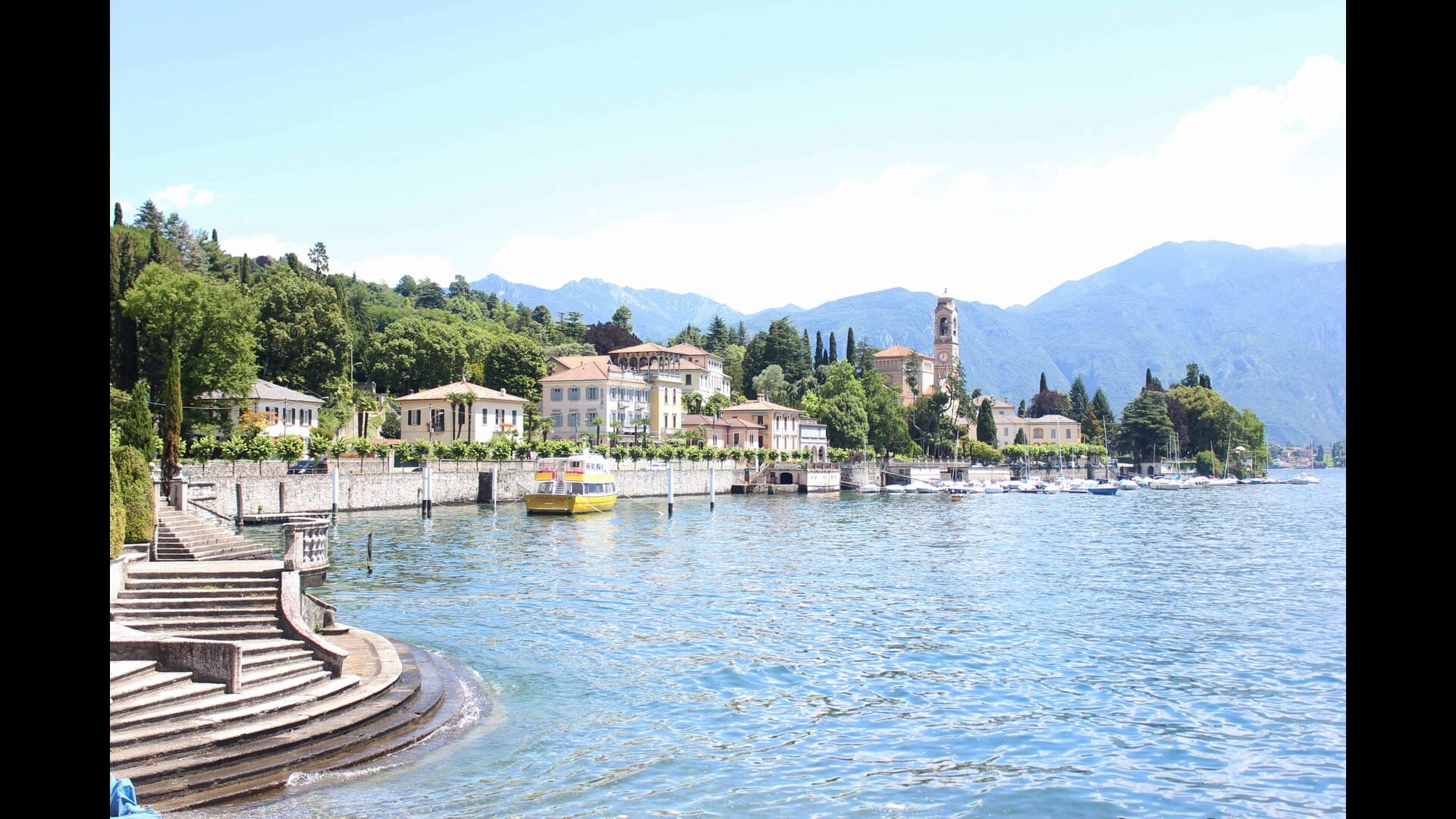
Visiting the Historic City of Bologna: A Comprehensive Travel Guide
Visiting the Historic City of Bologna: A Comprehensive Travel Guide
Bologna, often overshadowed by its more famous Italian counterparts like Rome and Florence, is a hidden gem that deserves a spot on every traveler's itinerary. Known for its rich history, vibrant culture, and delectable cuisine, this historic city offers a unique blend of experiences that captivate visitors from around the world.
In this comprehensive travel guide, we will delve into the many facets of Bologna, exploring its historic landmarks, culinary delights, and cultural treasures.
The Allure of Bologna: Why You Should Visit
Bologna is the capital of the Emilia-Romagna region and is often referred to as "La Dotta, La Grassa, e La Rossa"—the learned, the fat, and the red. These nicknames reflect the city's prestigious university, its rich culinary traditions, and its distinctive terracotta architecture. With a history that dates back over 2,000 years, Bologna is a city that seamlessly blends the old with the new, making it an ideal destination for history buffs, food lovers, and culture enthusiasts alike.
Getting to Bologna: Travel Tips and Transportation
How to Reach Bologna by Air
Bologna is served by the Guglielmo Marconi Airport, located just 6 kilometers from the city center. The airport offers numerous domestic and international flights, making it easily accessible from various parts of the world. Upon arrival, travelers can take the Aerobus shuttle service, which connects the airport to the city center in about 20 minutes.
Train Travel to Bologna
For those traveling within Italy, Bologna is well-connected by train. The Bologna Centrale railway station is one of the busiest in the country, with high-speed trains linking it to major cities like Milan, Florence, and Rome. Traveling by train offers a scenic view of the Italian countryside and is a convenient option for visitors.
Navigating the City: Public Transport and Walking
Once in Bologna, getting around is relatively easy. The city boasts an efficient public transport system, including buses and trams. However, many of Bologna's attractions are within walking distance of each other, making it a pedestrian-friendly city. Strolling through the narrow streets lined with medieval buildings is one of the best ways to soak in the city's charm.
The Historic Center of Bologna: A Walk Through Time
Exploring Piazza Maggiore: The Heart of Bologna
No visit to Bologna is complete without a stop at Piazza Maggiore, the city's main square. Surrounded by stunning architecture, including the Basilica di San Petronio, the Palazzo Comunale, and the Palazzo dei Notai, this bustling square is a hub of activity. Here, you can enjoy a coffee at one of the many outdoor cafes, watch street performers, or simply admire the grandeur of the surrounding buildings.
The Basilica di San Petronio: A Marvel of Gothic Architecture
Dominating Piazza Maggiore is the Basilica di San Petronio, one of the largest churches in the world. Construction began in the 14th century, and while it remains unfinished, its intricate facade and stunning interior are awe-inspiring. Visitors can explore the church's many chapels, each adorned with beautiful frescoes and artwork. Don’t forget to look for the meridian line, a unique astronomical feature that runs across the floor.
The Two Towers: Symbol of Bologna
A short walk from Piazza Maggiore leads you to the iconic Due Torri, or Two Towers. The Asinelli Tower, the taller of the two, stands at 97 meters and offers breathtaking views of the city from its summit. Climbing the 498 steps to the top is a rewarding experience, allowing you to appreciate Bologna's unique skyline and terracotta rooftops.
The Archiginnasio: The Oldest University in the World
Bologna is home to the oldest university in the world, founded in 1088. The Archiginnasio, once the main building of the university, is a must-visit for history enthusiasts. The building features stunning frescoes, a grand staircase, and the famous Teatro Anatomico, where anatomy lessons were held. Exploring the halls of this historic institution gives visitors a glimpse into the academic legacy of Bologna.
Culinary Delights: Savoring Bologna's Famous Cuisine
The Birthplace of Bolognese Sauce
Bologna is often referred to as the gastronomic capital of Italy, and for good reason. The city is the birthplace of the world-famous Bolognese sauce, known as "ragù alla bolognese." This rich meat sauce is typically served with tagliatelle pasta and is a must-try for any food lover. Many local restaurants offer cooking classes where you can learn to make this iconic dish yourself.
Traditional Markets: A Food Lover's Paradise
To truly experience Bologna's culinary scene, a visit to one of its traditional markets is essential. The Mercato di Mezzo, located in the heart of the city, is a vibrant food market where you can sample local delicacies, from cured meats and cheeses to fresh pasta and pastries. The atmosphere is lively, and the aromas of freshly prepared food fill the air, making it a delightful place to explore.
Best Restaurants in Bologna: Where to Eat
Bologna is home to a plethora of restaurants, ranging from casual trattorias to upscale dining establishments. Some of the best places to eat include:
- Trattoria da Gianni: Known for its authentic Bolognese cuisine, this family-run trattoria is a favorite among locals.
- Osteria dell'Orsa: A popular spot for students, this osteria serves delicious homemade pasta and offers a cozy atmosphere.
- Ristorante Da Cesari: A historic restaurant that has been serving traditional Bolognese dishes since 1955.
Sweet Treats: Indulging in Bologna's Desserts
No culinary journey in Bologna is complete without indulging in its sweet treats. Be sure to try:
- Torta di Riso: A rice cake made with milk, sugar, and lemon zest, often served warm.
- Bolognese Panettone: A traditional Christmas cake that is enjoyed year-round.
- Gelato: Bologna boasts some of the best gelato shops in Italy, offering a wide variety of flavors to satisfy your sweet tooth.
Cultural Experiences: Embracing Bologna's Rich Heritage
Festivals and Events: Celebrating Bologna's Traditions
Bologna hosts numerous festivals throughout the year, celebrating everything from food to music and art. Some notable events include:
- Festa di San Petronio: Celebrated in October, this festival honors the city's patron saint with parades, concerts, and food stalls.
- Bologna Jazz Festival: A must-visit for music lovers, this festival showcases local and international jazz artists.
- Cineteca di Bologna: Film enthusiasts should not miss the opportunity to attend screenings at this historic cinema, which hosts various film festivals and retrospectives.
Museums and Art Galleries: A Journey Through Art and History
Bologna is home to several museums and art galleries that showcase its rich cultural heritage. Some highlights include:
- Pinacoteca Nazionale di Bologna: This art gallery houses an impressive collection of Renaissance and Baroque paintings, including works by artists like Raphael and Titian.
- Museo della Storia di Bologna: A fascinating museum that explores the city's history through interactive exhibits and artifacts.
- MAMbo - Museo d'Arte Moderna di Bologna: A contemporary art museum that features rotating exhibitions and installations by modern artists.
Day Trips from Bologna: Exploring the Surrounding Region
Visiting the Charming Town of Modena
Just a short train ride from Bologna, Modena is famous for its balsamic vinegar and stunning architecture. The town's historic center is a UNESCO World Heritage site, featuring the magnificent Modena Cathedral and the Ghirlandina Tower. Be sure to visit a local acetaia (balsamic vinegar producer) to learn about the traditional production process and sample this exquisite condiment.
Discovering the Enchanting City of Ferrara
Another nearby gem is Ferrara, known for its well-preserved Renaissance architecture and charming streets. The Estense Castle, with its moat and drawbridge, is a highlight of the city. Ferrara is also home to a vibrant cycling culture, making it a great destination for those who enjoy exploring on two wheels.
Exploring the Scenic Hills of Emilia-Romagna
The Emilia-Romagna region is dotted with picturesque hilltop towns and vineyards. Consider taking a day trip to towns like Dozza, known for its colorful murals, or Brisighella, famous for its medieval architecture and olive oil production. The rolling hills of the region offer stunning views and opportunities for hiking and wine tasting.
Practical Tips for Visiting Bologna
Best Time to Visit Bologna
The ideal time to visit Bologna is during the spring (April to June) or fall (September to October) when the weather is mild, and the city is less crowded. Summer can be hot and humid, while winter temperatures can drop, but the city’s festive atmosphere during the holiday season is enchanting.
Language and Communication
While Italian is the official language, many locals in the hospitality industry speak English. However, learning a few basic Italian phrases can enhance your experience and help you connect with the locals.
Currency and Payment Methods
Italy uses the Euro (€) as its currency. Credit cards are widely accepted, but it’s advisable to carry some cash for smaller establishments and markets.
Safety and Health Tips
Bologna is generally a safe city for tourists, but like any urban area, it’s essential to stay vigilant and be aware of your surroundings. Ensure you have travel insurance and familiarize yourself with local healthcare facilities in case of emergencies.
Conclusion: Bologna Awaits Your Discovery
Bologna is a city that invites exploration and discovery. From its rich history and architectural wonders to its culinary delights and vibrant culture, there is something for everyone in this historic city. Whether you are wandering through its medieval streets, savoring a plate of fresh pasta, or immersing yourself in its artistic heritage, Bologna promises an unforgettable experience. So pack your bags, and get ready to uncover the charm of Bologna, Italy's best-kept secret.