
Visiting the Historic Cappadocia Open-Air Museum: A Journey Through Time
Visiting the Historic Cappadocia Open-Air Museum: A Journey Through Time
Cappadocia, a region in central Turkey, is renowned for its otherworldly landscapes, fairy chimneys, and rich history. Among its most significant attractions is the Cappadocia Open-Air Museum, a UNESCO World Heritage site that offers a glimpse into the region's Byzantine past through its stunning rock-cut churches and frescoes.
This article serves as your comprehensive guide to visiting this historic site, detailing everything from its history and significance to practical tips for making the most of your visit.
The History of Cappadocia and Its Open-Air Museum
Cappadocia's history dates back to ancient times, with evidence of human habitation going back thousands of years. The region's unique geological formations, created by volcanic eruptions and erosion, provided early inhabitants with natural shelters. By the 4th century AD, Cappadocia became a significant center for early Christianity, with numerous monastic communities establishing themselves in the area.
The Cappadocia Open-Air Museum was once a thriving monastic complex, home to numerous rock-cut churches, chapels, and monasteries. The site is particularly famous for its well-preserved frescoes, which depict scenes from the New Testament and the lives of saints. These artworks are not only significant for their artistic value but also for their historical context, providing insight into the religious practices and beliefs of early Christians in the region.
What to Expect When Visiting the Cappadocia Open-Air Museum
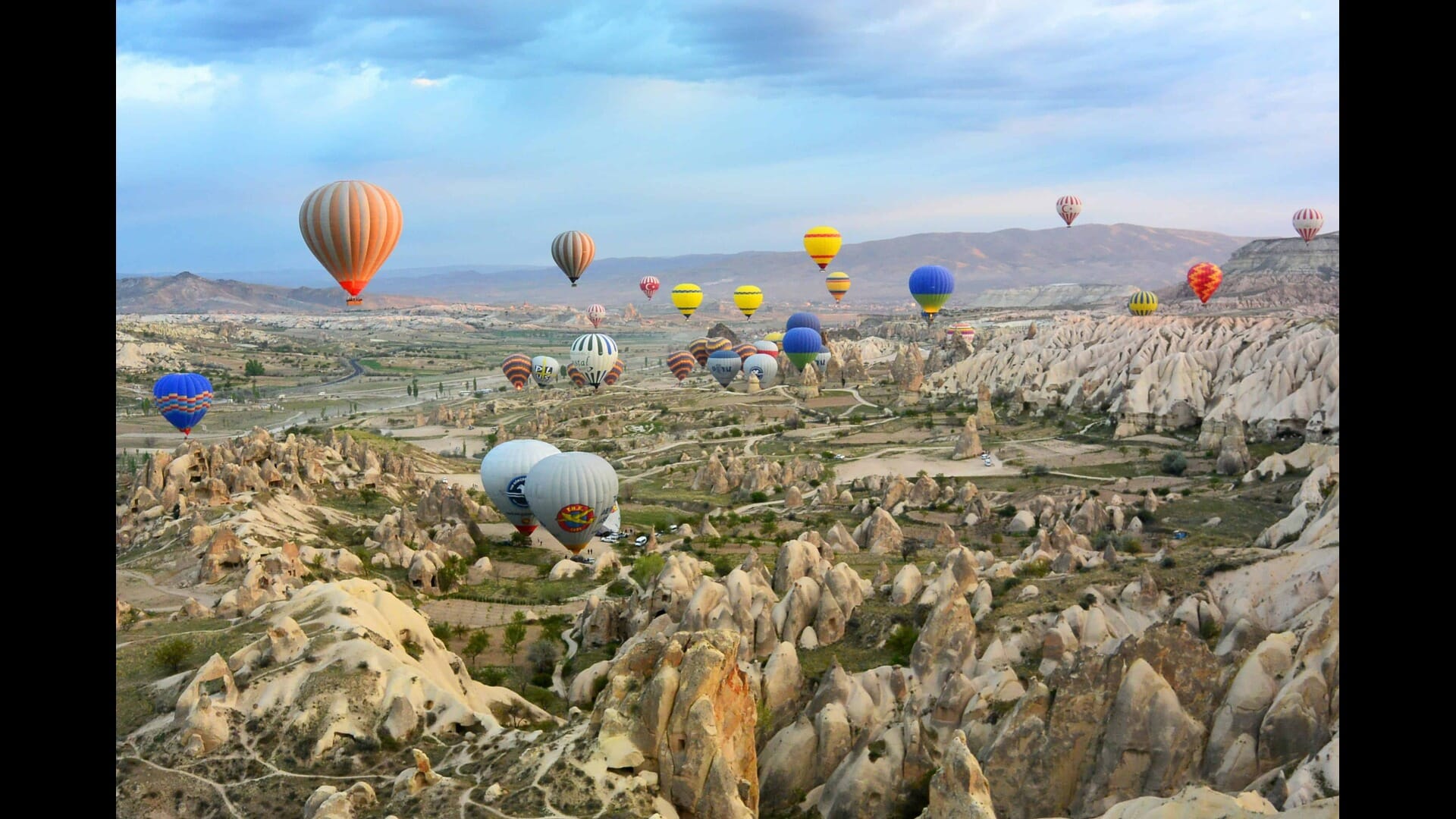
As you approach the Cappadocia Open-Air Museum, you will be greeted by a stunning landscape of fairy chimneys and rock formations that seem to defy gravity. The museum itself is an expansive area filled with various rock-cut structures, each telling its own story. Expect to spend several hours exploring the site, as there is much to see and learn.
The Rock-Cut Churches and Their Frescoes
One of the highlights of the Cappadocia Open-Air Museum is its collection of rock-cut churches, each adorned with beautiful frescoes. Some of the most notable churches include:
The Dark Church (Karanlık Kilise): Known for its well-preserved frescoes, this church features vivid depictions of biblical scenes, including the Last Supper and the Crucifixion. The dark interior, which has limited light, has helped preserve the colors of the frescoes over the centuries.
The Apple Church (Elmalı Kilise): This church is famous for its unique architectural style and beautiful frescoes that depict various saints and scenes from the Bible. The vibrant colors and intricate details make it a must-see.
The Snake Church (Yılanlı Kilise): Named for the snake depicted in one of its frescoes, this church features a unique blend of Christian and local iconography, showcasing the cultural exchange that occurred in Cappadocia.
The Monastic Life in Cappadocia
The Cappadocia Open-Air Museum was not just a place of worship; it was also a center for monastic life. The monks who lived here followed a strict regimen of prayer, work, and study. As you explore the museum, you will come across various monastic cells, communal areas, and even kitchens, providing a glimpse into the daily lives of these early Christians.
Planning Your Visit to the Cappadocia Open-Air Museum
To make the most of your visit to the Cappadocia Open-Air Museum, consider the following tips:
Best Time to Visit
The best time to visit Cappadocia is during the spring (April to June) and fall (September to November) when the weather is mild, and the crowds are smaller. Summer can be quite hot, while winter may bring snow, creating a magical but challenging landscape.
Getting There
The Cappadocia Open-Air Museum is located in the town of Göreme, which is easily accessible by car or public transportation from major cities like Kayseri and Nevşehir. If you're flying in, the nearest airports are Kayseri Airport (ASR) and Nevşehir Kapadokya Airport (NAV).
Entrance Fees and Opening Hours
As of 2023, the entrance fee to the Cappadocia Open-Air Museum is approximately 100 Turkish Lira. The museum is open year-round, but hours may vary seasonally. It’s advisable to check the official website for the most current information before your visit.
Guided Tours vs. Self-Guided Exploration
While you can explore the museum on your own, consider joining a guided tour to gain deeper insights into the history and significance of the site. Many local tour companies offer packages that include transportation, a knowledgeable guide, and visits to other nearby attractions.
Nearby Attractions to Explore
Cappadocia is rich in attractions beyond the Cappadocia Open-Air Museum. Here are some nearby sites worth visiting:
Göreme National Park
Just a stone's throw away from the museum, Göreme National Park is a UNESCO World Heritage site known for its stunning landscapes and rock formations. Hiking trails wind through the park, offering breathtaking views and opportunities to explore additional rock-cut churches and monasteries.
Uchisar Castle
A short drive from the museum, Uchisar Castle is the highest point in Cappadocia, providing panoramic views of the surrounding valleys. The castle itself is a fascinating rock formation with numerous rooms and tunnels to explore.
Pasabag Valley (Monks Valley)
Famous for its fairy chimneys, Pasabag Valley is a must-visit for those looking to experience Cappadocia's unique geological formations. The valley is home to some of the most striking fairy chimneys, and you can wander among these natural wonders while taking in the stunning scenery.
Avanos
Known for its pottery, Avanos is a charming town located along the Kızılırmak River. Visitors can explore local pottery workshops, take a stroll along the river, and enjoy traditional Turkish cuisine at one of the many restaurants.
Cultural Etiquette When Visiting Cappadocia
When visiting the Cappadocia Open-Air Museum and other cultural sites in Turkey, it's essential to be respectful of local customs and traditions. Here are some tips:
Dress Modestly: As many of the sites are religious in nature, it's advisable to dress modestly. Women should consider wearing long skirts or dresses, and men should avoid shorts.
Respect the Sites: Be mindful of your surroundings and avoid touching frescoes or climbing on structures, as this can cause damage.
Photography: While photography is generally allowed, be respectful of other visitors and avoid using flash in dimly lit areas.
The Spiritual Significance of Cappadocia
Cappadocia holds a special place in the hearts of many Christians, as it was a refuge for early believers during times of persecution. The rock-cut churches and monasteries served as places of worship and community, fostering a rich spiritual life. Today, visitors to the Cappadocia Open-Air Museum can feel the echoes of this spiritual heritage, making it a profound experience for those interested in the history of Christianity.
Conclusion: A Journey Worth Taking
Visiting the Cappadocia Open-Air Museum is more than just a sightseeing trip; it’s a journey through time that connects you with the rich history and culture of the region. From the breathtaking frescoes to the unique rock formations, every corner of the museum tells a story waiting to be discovered. Whether you are a history buff, an art lover, or simply seeking adventure, Cappadocia offers a unique experience that will leave you with lasting memories.
As you plan your visit, remember to take your time, soak in the beauty of the landscape, and appreciate the incredible artistry of the ancient churches. Cappadocia is a treasure trove of history and culture, and the Cappadocia Open-Air Museum is its crown jewel, beckoning travelers from around the world to explore its wonders.