
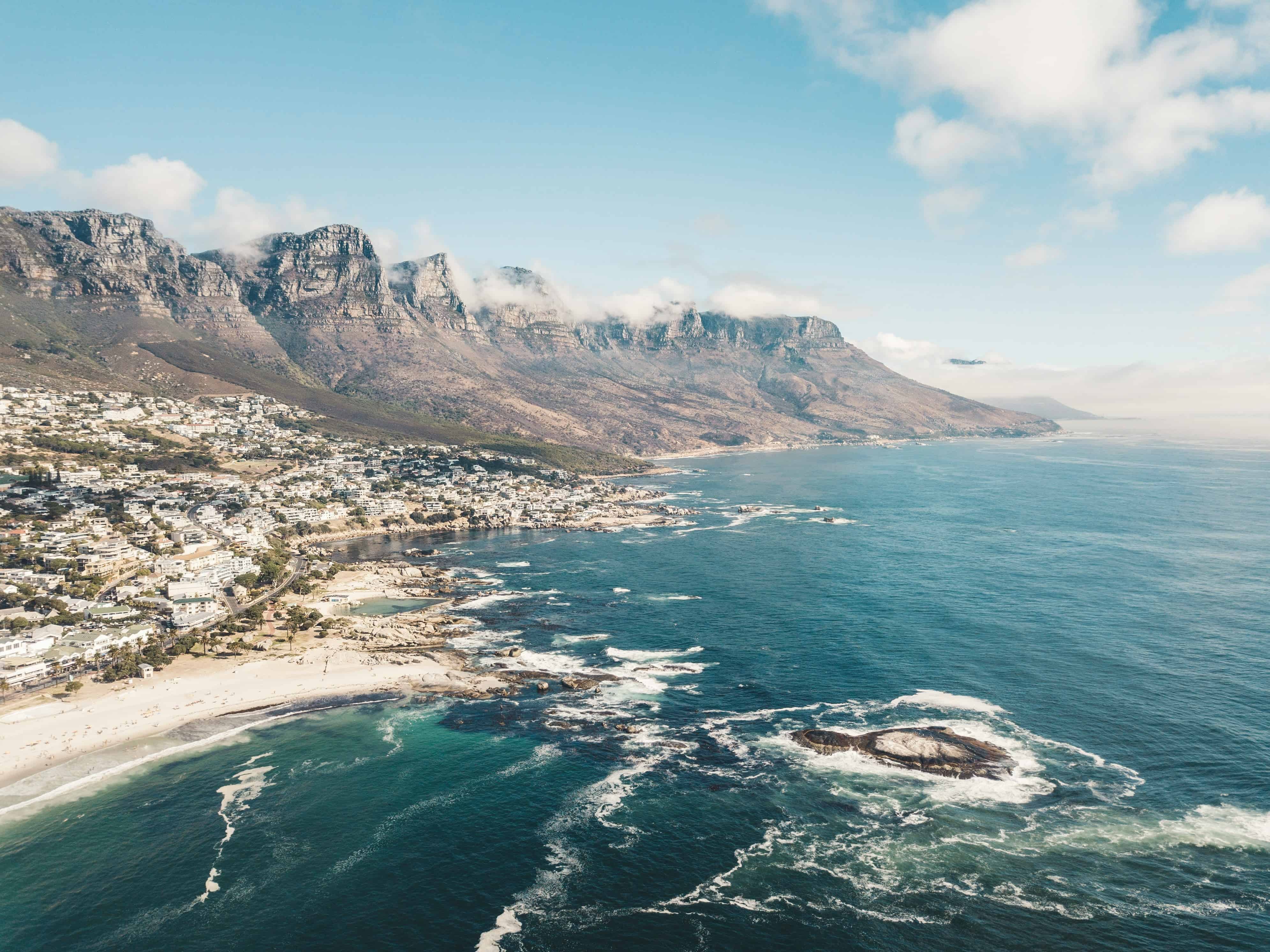
The Unique Landscape of the Drakensberg: A Journey Through Nature's Masterpiece
The Unique Landscape of the Drakensberg: A Journey Through Nature's Masterpiece
The Drakensberg Mountains, known as uKhahlamba in Zulu, are a breathtaking range that stretches across the eastern part of South Africa and into Lesotho. This majestic mountain range is not only a UNESCO World Heritage Site but also a treasure trove of biodiversity, rich cultural heritage, and stunning landscapes.
In this article, we will take you on an extensive journey through the unique landscape of the Drakensberg, exploring its natural wonders, adventure activities, and cultural significance.
The Geological Marvel of the Drakensberg Mountains
The Drakensberg Mountains are primarily composed of basalt, a volcanic rock that formed millions of years ago. The geological history of the region is fascinating, with layers of sedimentary rock and ancient volcanic activity contributing to the unique topography we see today. The mountains rise dramatically, with peaks reaching over 3,400 meters (11,000 feet) above sea level, creating a striking contrast against the surrounding plains.
The Formation of the Drakensberg
The formation of the Drakensberg began during the Jurassic period, approximately 200 million years ago, when volcanic activity was prevalent in the region. As lava flowed and cooled, it created the distinctive cliffs and plateaus that characterize the landscape. Over time, erosion sculpted these formations into the dramatic peaks and valleys we see today. The result is a unique landscape that offers not only stunning views but also a rich geological history.
The Unique Rock Formations
One of the most striking features of the Drakensberg is its unique rock formations. The Amphitheatre, a massive cliff face that stretches for over five kilometers, is one of the most iconic sights in the region. The cliffs rise steeply from the valley floor, creating a natural amphitheater that is both awe-inspiring and humbling. Other notable formations include the Cathedral Peak and the Sentinel, each offering their own unique perspectives of the surrounding landscape.
Biodiversity in the Drakensberg: A Natural Wonderland
The Drakensberg Mountains are home to a diverse range of flora and fauna, making it a hotspot for biodiversity. The varying altitudes and climates create distinct ecosystems, from lush forests at lower elevations to alpine grasslands and rocky outcrops at higher altitudes.
Flora of the Drakensberg
The plant life in the Drakensberg is incredibly diverse, with over 2,000 species of flowering plants recorded in the region. The lower slopes are covered in dense forests, primarily consisting of yellowwood, stinkwood, and other indigenous trees. As you ascend, the vegetation changes to grasslands, where you can find unique species such as the Drakensberg lily and various types of proteas.
Fauna of the Drakensberg
The Drakensberg is also home to a variety of wildlife, including several endemic species. The region is known for its populations of eland, mountain reedbuck, and the rare bearded vulture. Birdwatchers will be delighted by the diversity of avian life, with over 300 species recorded in the area. The Drakensberg is a haven for nature enthusiasts and offers countless opportunities for wildlife viewing and photography.
Hiking in the Drakensberg: Trails for Every Adventurer
Hiking in the Drakensberg is one of the best ways to experience the unique landscape of this region. With a network of trails ranging from easy walks to challenging multi-day hikes, there is something for everyone.
Popular Hiking Trails in the Drakensberg
- The Amphitheatre Hike: This iconic hike takes you to the base of the Amphitheatre, offering stunning views of the cliffs and surrounding valleys. The trail is relatively easy and suitable for families.
- Cathedral Peak Hike: For those seeking a challenge, the Cathedral Peak hike is a must. This strenuous trail leads to the summit of Cathedral Peak, where hikers are rewarded with panoramic views of the Drakensberg.
- The Sani Pass: This famous route takes you through the Sani Pass, a steep and winding road that leads into Lesotho. The hike offers breathtaking views and a chance to experience the unique culture of the Basotho people.
Tips for Hiking in the Drakensberg
- Plan Ahead: Always check the weather conditions before embarking on a hike, as the weather can change rapidly in the mountains.
- Stay Hydrated: Carry enough water and snacks to keep your energy levels up during your hike.
- Wear Appropriate Gear: Good hiking boots and weather-appropriate clothing are essential for a comfortable experience.
Adventure Activities in the Drakensberg: Thrills for Everyone
The Drakensberg Mountains offer a plethora of adventure activities for thrill-seekers and nature lovers alike. From rock climbing to horseback riding, there is no shortage of ways to explore this stunning landscape.
Rock Climbing and Abseiling
The dramatic cliffs of the Drakensberg provide excellent opportunities for rock climbing and abseiling. Experienced climbers can tackle the challenging routes on Cathedral Peak or the Amphitheatre, while beginners can join guided tours to learn the basics of climbing in a safe environment.
Horseback Riding
Exploring the Drakensberg on horseback is a unique way to experience the landscape. Several stables in the area offer guided horseback riding tours, allowing you to traverse the beautiful valleys and hills while enjoying the fresh mountain air.
Fishing and Water Sports
The numerous rivers and dams in the Drakensberg provide excellent fishing opportunities. Anglers can try their luck at catching trout in the crystal-clear waters. Additionally, some lakes offer kayaking and canoeing, providing a different perspective of the stunning surroundings.
Cultural Heritage of the Drakensberg: A Tapestry of History
The Drakensberg Mountains are not only a natural wonder but also a region rich in cultural heritage. The area is home to the San people, who have inhabited the region for thousands of years. Their rock art, found in numerous caves and overhangs, provides a glimpse into their lives and beliefs.
San Rock Art
The San rock art is one of the most significant cultural treasures of the Drakensberg. These ancient paintings depict scenes of daily life, hunting, and spiritual beliefs. Many of the sites are accessible to visitors, and guided tours are available to provide context and insight into the significance of the art.
The Basotho Culture
The Basotho people, who live in the highlands of Lesotho, have a rich cultural heritage that is closely tied to the Drakensberg. Visitors can experience traditional Basotho music, dance, and crafts, providing a deeper understanding of the region's cultural diversity.
The Best Views in the Drakensberg: Scenic Lookouts
The Drakensberg is renowned for its breathtaking views, and there are several scenic lookouts that offer the perfect vantage points to take in the beauty of the landscape.
The Tugela Falls
Tugela Falls, one of the highest waterfalls in the world, is a must-see when visiting the Drakensberg. The falls cascade down the cliffs, creating a stunning sight that is best viewed from the top of the Amphitheatre. The hike to the falls is challenging but incredibly rewarding.
The Sentinel Peak
The Sentinel Peak offers one of the most iconic views in the Drakensberg. From the summit, you can see the vast expanse of the mountains and valleys below, making it a popular spot for photographers and nature lovers.
Accommodation Options in the Drakensberg: Where to Stay
When planning your visit to the Drakensberg, you'll find a range of accommodation options to suit every budget and preference. From luxury lodges to camping sites, there is something for everyone.
Luxury Lodges and Resorts
For those seeking a more upscale experience, the Drakensberg is home to several luxury lodges and resorts. These accommodations often offer stunning views, gourmet dining, and spa services, providing a perfect retreat after a day of adventure.
Guesthouses and B&Bs
There are numerous guesthouses and bed-and-breakfasts in the area, offering a more intimate and homely experience. Many of these establishments are run by locals who can provide valuable insights into the region and its attractions.
Camping in the Drakensberg
For the more adventurous traveler, camping in the Drakensberg is a fantastic way to immerse yourself in nature. Several campsites are available, allowing you to fall asleep under the stars and wake up to the sounds of the mountains.
The Drakensberg's Climate: When to Visit
Understanding the climate of the Drakensberg is crucial for planning your visit. The region experiences a temperate climate, with distinct seasons that can affect your experience.
Summer Months (December to February)
Summer in the Drakensberg is characterized by warm temperatures and afternoon thunderstorms. This is a great time to visit for lush greenery and vibrant wildflowers, but be prepared for sudden rain showers.
Winter Months (June to August)
Winter brings cooler temperatures and clear skies, making it an ideal time for hiking and outdoor activities. Snow can occasionally blanket the higher peaks, creating a stunning winter wonderland.
Conclusion: Embrace the Unique Landscape of the Drakensberg
The Drakensberg Mountains are a true natural masterpiece, offering a unique landscape that captivates the hearts of all who visit. From its stunning geological formations and rich biodiversity to its vibrant cultural heritage, the Drakensberg is a destination that promises adventure, beauty, and unforgettable memories. Whether you seek thrilling outdoor activities or a peaceful retreat in nature, the Drakensberg has something for everyone. Embrace the unique landscape of the Drakensberg and discover the wonders that await you in this breathtaking region.