
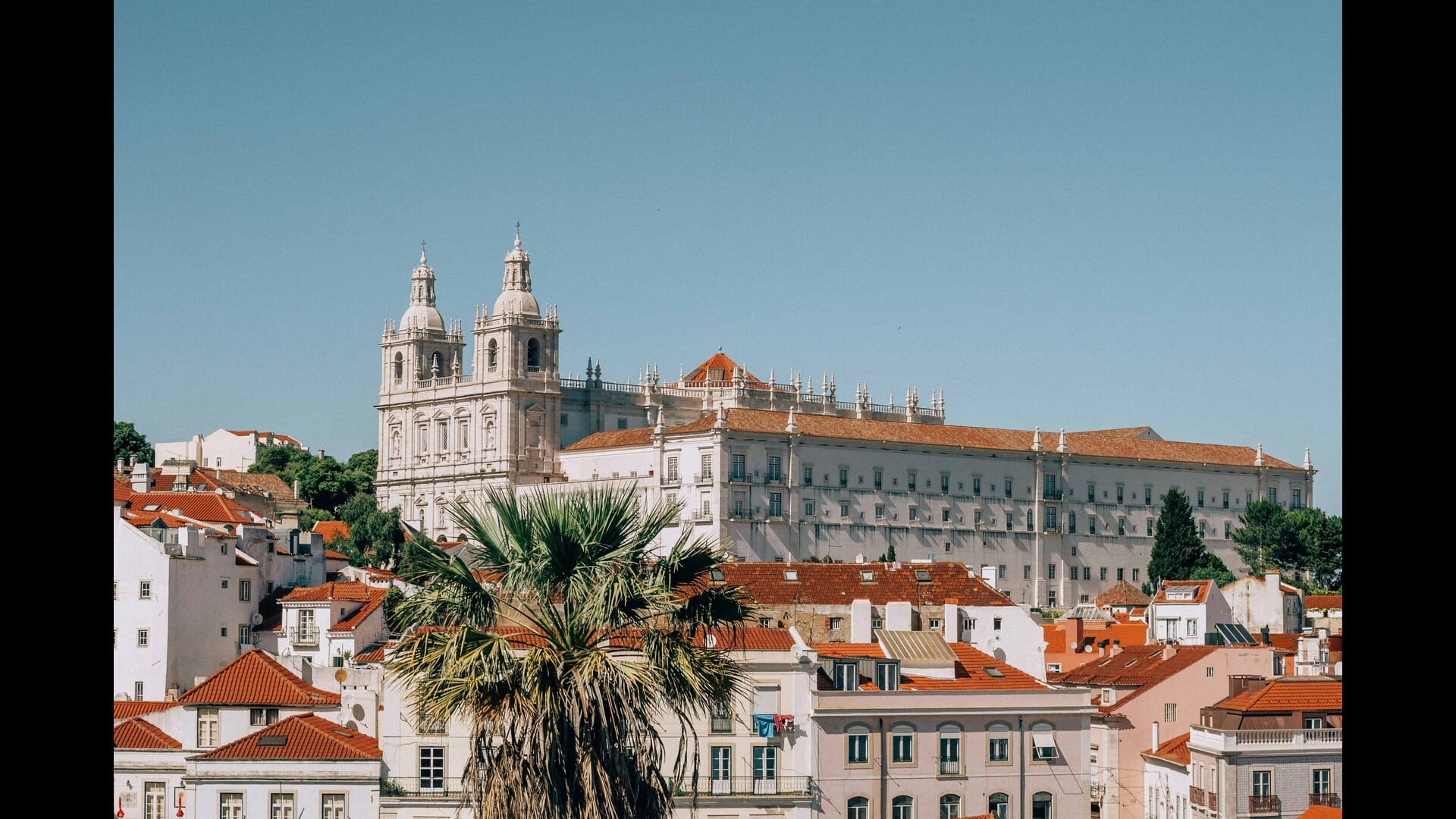
The Unique Landscape of the Alentejo Coast: A Journey Through Portugal's Hidden Gem
The Unique Landscape of the Alentejo Coast: A Journey Through Portugal's Hidden Gem
The Alentejo Coast, often overshadowed by the more famous Algarve region, is a treasure trove of stunning landscapes, rich culture, and serene beaches. Stretching along the southern coast of Portugal, this region is characterized by its rugged cliffs, golden sands, and charming towns that seem to have been untouched by time.
In this article, we will embark on a detailed exploration of the unique landscape of the Alentejo Coast, uncovering its hidden gems, cultural heritage, and the myriad of experiences it offers to travelers.
1. Introduction to the Alentejo Coast
The Alentejo Coast is a part of the Alentejo region, which is known for its rolling plains, vineyards, and olive groves. However, the coastline presents a stark contrast with its dramatic cliffs, secluded beaches, and diverse ecosystems. The area is less commercialized than other parts of Portugal, making it a perfect destination for those seeking tranquility and natural beauty.
As we delve deeper into the Alentejo Coast, we will discover its unique landscapes, explore its charming towns, and learn about the local culture and gastronomy that make this region a must-visit.
2. The Geographical Wonders of the Alentejo Coast
2.1. Rugged Cliffs and Dramatic Shorelines
The Alentejo Coast is renowned for its rugged cliffs that rise majestically from the Atlantic Ocean. These cliffs, formed over millions of years, create a dramatic backdrop against the deep blue waters. The most famous of these cliffs can be found in the Arrábida Natural Park, where limestone formations dominate the landscape, providing breathtaking views and excellent hiking opportunities.
2.2. Pristine Beaches and Hidden Coves
One of the highlights of the Alentejo Coast is its pristine beaches. Unlike the crowded beaches of the Algarve, the Alentejo offers secluded stretches of sand where visitors can relax and enjoy the sun in peace. Praia da Amália, named after the famous fado singer, is a hidden gem that boasts crystal-clear waters and soft golden sands. Other notable beaches include Praia de Odeceixe and Praia de Almograve, each offering unique landscapes and tranquil atmospheres.
2.3. Diverse Ecosystems and Wildlife
The Alentejo Coast is not just about stunning views; it is also home to diverse ecosystems that support a variety of wildlife. The region's wetlands, estuaries, and coastal forests provide habitats for numerous bird species, making it a paradise for birdwatchers. The Sudoeste Alentejano e Costa Vicentina Natural Park is a prime location for observing migratory birds and other wildlife in their natural habitats.
3. Exploring the Charming Towns of the Alentejo Coast
3.1. Vila Nova de Milfontes: A Coastal Haven
Vila Nova de Milfontes is a picturesque town located at the mouth of the River Mira. Known for its charming streets, whitewashed buildings, and stunning river views, this town is a favorite among travelers. The local beach, Praia da Franquia, is perfect for swimming and sunbathing, while the nearby Forte de São Clemente offers a glimpse into the region's history.
3.2. Zambujeira do Mar: A Fisherman's Paradise
Zambujeira do Mar is a small fishing village that has retained its traditional charm. Nestled between cliffs and the ocean, this town is famous for its seafood restaurants and stunning sunsets. The Zambujeira Beach is a popular spot for surfers, while the surrounding cliffs offer fantastic hiking trails with panoramic views of the coastline.
3.3. Aljezur: A Blend of History and Nature
Aljezur is a town steeped in history, with its medieval castle overlooking the landscape. The town is surrounded by beautiful countryside and is close to some of the best beaches in the region. The Aljezur Castle is a must-visit, offering insights into the area's Moorish past. The nearby Arrifana Beach is a popular destination for surfers and sunbathers alike.
4. The Cultural Heritage of the Alentejo Coast
4.1. Traditional Festivals and Celebrations
The Alentejo Coast is rich in cultural heritage, with numerous festivals and celebrations throughout the year. One of the most notable is the Festa de Nossa Senhora da Graça, held in Vila Nova de Milfontes, where locals celebrate with music, dance, and traditional food. These festivals provide a unique opportunity to experience the local culture and connect with the community.
4.2. Gastronomy: A Taste of the Alentejo
The cuisine of the Alentejo Coast is a reflection of its rich agricultural heritage. Traditional dishes often feature fresh seafood, locally sourced ingredients, and hearty flavors. Bacalhau à Brás, a codfish dish, and Açorda, a bread soup, are local favorites. Don't forget to sample the region's excellent wines, particularly the Alentejo red wines, which are gaining international acclaim.
4.3. Arts and Crafts: A Reflection of Tradition
The Alentejo Coast is home to a vibrant arts and crafts scene. Local artisans create beautiful pottery, textiles, and handicrafts that reflect the region's cultural heritage. Visiting local markets and workshops is a great way to support these artisans and take home a piece of Alentejo's unique culture.
5. Outdoor Activities Along the Alentejo Coast
5.1. Hiking Trails with Stunning Views
The Alentejo Coast offers a plethora of hiking trails that cater to all skill levels. The Rota Vicentina, a network of walking trails, is particularly popular among hikers. This trail takes you through breathtaking landscapes, including cliffs, beaches, and traditional villages. The Fishermen's Trail is a highlight, offering stunning ocean views and the chance to explore hidden coves.
5.2. Surfing and Water Sports
With its consistent waves and beautiful beaches, the Alentejo Coast is a haven for surfers. Arrifana Beach and Amado Beach are popular spots for both beginners and experienced surfers. In addition to surfing, visitors can enjoy kayaking, paddleboarding, and snorkeling in the clear waters of the Atlantic.
5.3. Birdwatching in Natural Parks
The diverse ecosystems of the Alentejo Coast make it an ideal destination for birdwatching. The Sudoeste Alentejano e Costa Vicentina Natural Park is home to a variety of bird species, including herons, egrets, and migratory birds. Guided birdwatching tours are available for those looking to enhance their experience.
6. Sustainable Tourism in the Alentejo Coast
6.1. Eco-Friendly Accommodations
As the demand for sustainable tourism grows, the Alentejo Coast has embraced eco-friendly accommodations. Many hotels and guesthouses focus on sustainability, using renewable energy sources and locally sourced materials. Staying in these accommodations allows travelers to enjoy the beauty of the region while minimizing their environmental impact.
6.2. Responsible Travel Practices
Travelers to the Alentejo Coast are encouraged to practice responsible travel. This includes respecting local customs, supporting local businesses, and minimizing waste. Engaging in eco-friendly activities, such as hiking and birdwatching, allows visitors to appreciate the natural beauty of the region while preserving it for future generations.
6.3. Community Involvement and Support
Many local initiatives promote sustainable tourism in the Alentejo Coast. Travelers can participate in community projects, such as beach clean-ups and conservation efforts, to give back to the region. Supporting local artisans and businesses also helps to sustain the community and preserve its cultural heritage.
7. The Best Time to Visit the Alentejo Coast
7.1. Spring: A Blooming Paradise
Spring is one of the best times to visit the Alentejo Coast. The weather is mild, and the landscape comes alive with vibrant wildflowers. This is an ideal time for hiking and exploring the natural parks, as the trails are less crowded, and the scenery is breathtaking.
7.2. Summer: Sun-Kissed Beaches
Summer attracts visitors to the Alentejo Coast for its beautiful beaches and warm weather. While some areas can be busy, the region still offers plenty of secluded spots for relaxation. Festivals and events are abundant during this time, providing a lively atmosphere.
7.3. Autumn: A Time for Harvest
Autumn is a fantastic time to experience the local gastronomy of the Alentejo. The grape harvest season brings wine festivals and tastings, allowing visitors to sample the region's renowned wines. The weather remains pleasant, making it a great time for outdoor activities.
7.4. Winter: A Quiet Retreat
Winter is the least crowded season on the Alentejo Coast, making it an excellent time for those seeking solitude and tranquility. The cooler temperatures are perfect for hiking, and the local towns offer a cozy atmosphere with traditional winter festivities.
8. How to Get to the Alentejo Coast
8.1. By Car: The Best Way to Explore
Driving is one of the best ways to explore the Alentejo Coast. The region is well-connected by roads, and having a car allows you to discover hidden gems at your own pace. The scenic drives along the coastline offer breathtaking views and opportunities to stop at charming towns and beaches.
8.2. Public Transportation Options
For those who prefer not to drive, public transportation options are available. Buses connect major towns along the Alentejo Coast, making it possible to explore the region without a car. However, keep in mind that schedules may be limited, so planning ahead is essential.
8.3. Guided Tours for a Hassle-Free Experience
Guided tours are a great option for travelers who want a hassle-free experience. Many companies offer day trips and multi-day tours that include transportation, accommodation, and guided activities. This is an excellent way to learn about the region's history and culture while enjoying its stunning landscapes.
9. Tips for Traveling the Alentejo Coast
9.1. Pack Accordingly
When traveling to the Alentejo Coast, it's essential to pack appropriately for the climate and activities. Lightweight clothing, comfortable shoes for hiking, and beachwear are must-haves. Don't forget sunscreen and a reusable water bottle to stay hydrated during your adventures.
9.2. Learn Basic Portuguese Phrases
While many locals speak English, learning a few basic Portuguese phrases can enhance your travel experience. Simple greetings and expressions of gratitude can go a long way in connecting with the local community.
9.3. Respect Nature and Local Customs
As a visitor to the Alentejo Coast, it's crucial to respect the natural environment and local customs. Follow designated trails when hiking, dispose of waste properly, and be mindful of local traditions and practices.
10. Conclusion: Embrace the Beauty of the Alentejo Coast
The Alentejo Coast is a unique destination that offers a perfect blend of stunning landscapes, rich culture, and outdoor adventures. Whether you're hiking along the cliffs, relaxing on a secluded beach, or indulging in the local cuisine, this region promises an unforgettable experience. As you explore the hidden gems of the Alentejo Coast, you'll discover why this area is often referred to as Portugal's best-kept secret. Embrace the beauty, tranquility, and charm of the Alentejo Coast, and create memories that will last a lifetime.