
The Unique Architecture of the Alfama District: A Journey Through Time
The Unique Architecture of the Alfama District: A Journey Through Time
Nestled in the heart of Lisbon, the Alfama District stands as a testament to the city’s rich history and architectural diversity. Known as one of the oldest neighborhoods in Lisbon, Alfama is a labyrinth of narrow streets, vibrant colors, and stunning buildings that tell stories of centuries gone by.
This article will take you on an immersive journey through the unique architecture of the Alfama District, exploring its historical significance, architectural styles, and cultural heritage.
The Historical Significance of Alfama District Architecture
The Alfama District's architecture is not just a collection of buildings; it is a living museum that reflects the various influences that have shaped Lisbon over the centuries. Dating back to the Moorish period in the 8th century, Alfama has retained much of its original charm, making it a unique architectural gem in the modern city.
The Moorish Influence on Alfama's Architecture
One of the most striking features of Alfama's architecture is its Moorish influence. The Moors ruled Lisbon for several centuries, and their architectural style is evident in the district's narrow, winding streets, whitewashed buildings, and intricate tile work. The use of azulejos, or decorative ceramic tiles, is particularly notable, adding a splash of color and artistry to the façades of many buildings.
The Impact of the Great Earthquake of 1755
The Great Earthquake of 1755 had a profound impact on Lisbon, leading to significant changes in the city’s architecture. While many areas were rebuilt in the neoclassical style, Alfama retained much of its original character. The earthquake destroyed many buildings, but the resilience of the Alfama community allowed it to preserve its unique architectural identity.
Exploring the Architectural Styles Found in Alfama
As you wander through the Alfama District, you will encounter a variety of architectural styles that reflect the neighborhood's rich history. From Gothic to Manueline, the diversity of styles is a testament to the cultural melting pot that is Lisbon.
Gothic Architecture in Alfama
Gothic architecture can be seen in some of the district's older buildings, characterized by pointed arches, ribbed vaults, and flying buttresses. The Church of São Miguel, for example, showcases elements of Gothic design, with its impressive façade and intricate interior details.
Manueline Architecture: A Portuguese Twist
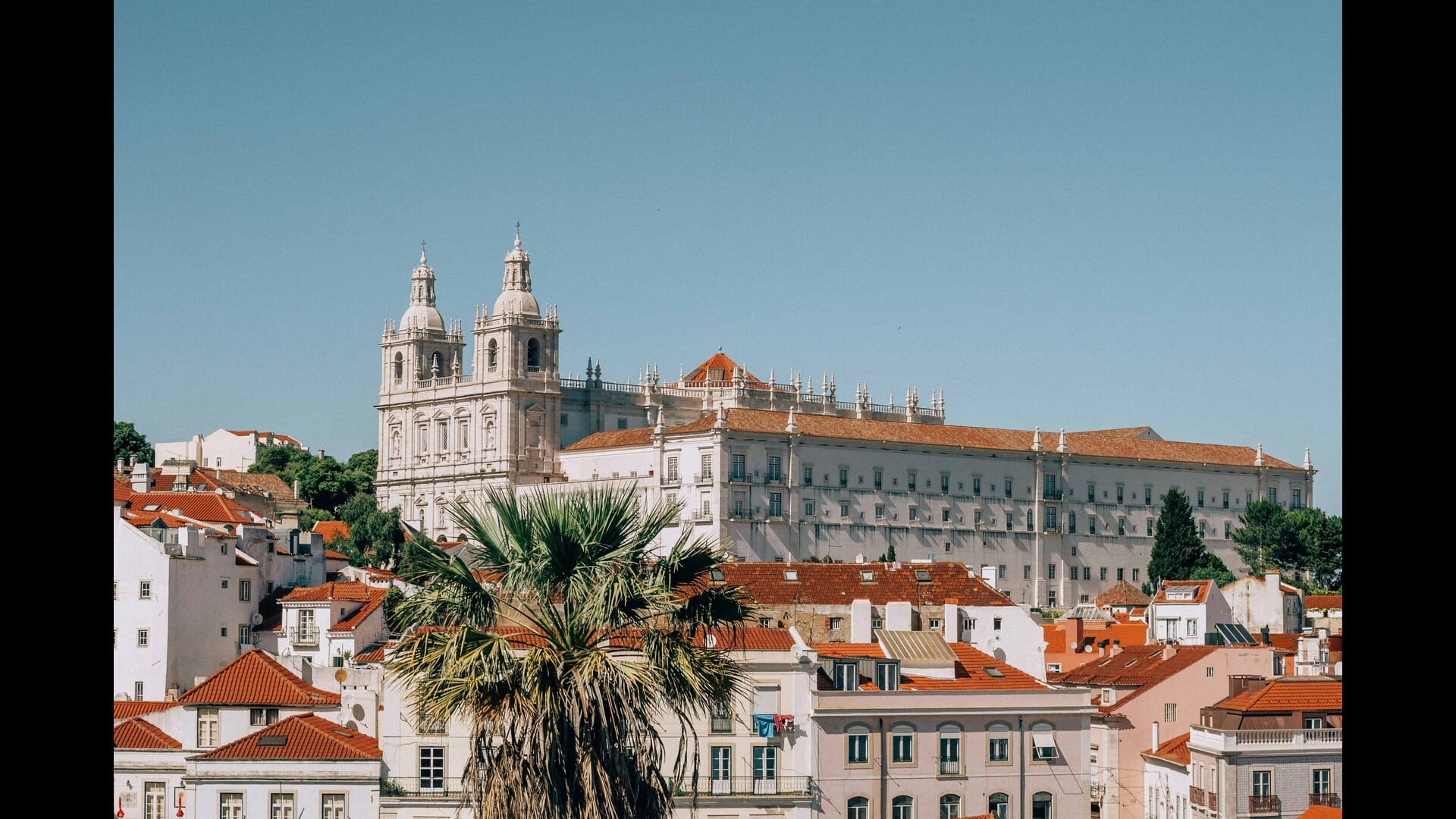
Manueline architecture, a uniquely Portuguese style that emerged during the Age of Discovery, is also present in Alfama. This style is characterized by ornate detailing and maritime motifs. The nearby Monastery of São Vicente de Fora is a prime example of Manueline architecture, with its stunning cloisters and intricate stonework.
Pombaline Style in Alfama
While much of Alfama retains its historical charm, some buildings reflect the Pombaline style that emerged after the earthquake. This style is characterized by its rational design and use of earthquake-resistant techniques. Although Pombaline architecture is more prevalent in other parts of Lisbon, its influence can still be felt in some of Alfama's structures.
The Role of Azulejos in Alfama's Architectural Identity
Azulejos are an integral part of Portuguese architecture, and in Alfama, they serve as a vibrant expression of the neighborhood's cultural identity. These ceramic tiles, often featuring intricate patterns and scenes from Portuguese history, adorn the façades of many buildings, adding color and texture to the streets.
The Art of Tile-Making in Portugal
The tradition of tile-making in Portugal dates back to the Moorish period, and it has evolved over the centuries. In Alfama, you can find workshops and artisans dedicated to preserving this art form. The tiles not only enhance the aesthetic appeal of buildings but also tell stories of the past, making them an essential element of Alfama's architectural landscape.
The Charm of Alfama's Narrow Streets and Alleys
One of the most enchanting aspects of the Alfama District is its narrow streets and alleys, which create a sense of intimacy and charm. As you stroll through these winding pathways, you will discover hidden gems, from quaint cafés to local shops, all nestled within the embrace of historic buildings.
The Importance of Community in Alfama
The narrow streets of Alfama foster a strong sense of community among residents. Many families have lived in the district for generations, and their connection to the area is evident in the care they take in maintaining their homes. This sense of community is reflected in the architecture, with many buildings showcasing personal touches and unique designs.
Iconic Landmarks in the Alfama District
Alfama is home to several iconic landmarks that are not only architectural marvels but also significant cultural sites. These landmarks offer a glimpse into the district's history and its role in shaping Lisbon's identity.
The São Jorge Castle: A Fortress of History
Perched atop a hill, the São Jorge Castle offers breathtaking views of the city and the Tagus River. This historic fortress dates back to the Moorish period and showcases a blend of architectural styles, including Gothic and Moorish influences. The castle's walls tell stories of battles fought and won, making it a must-visit landmark in Alfama.
The Lisbon Cathedral: A Testament to Resilience
The Lisbon Cathedral, or Sé de Lisboa, is another iconic structure in Alfama. Built in the 12th century, this cathedral has survived numerous earthquakes and renovations, showcasing a mix of Romanesque and Gothic elements. Its impressive rose window and cloisters are a testament to the resilience of both the building and the city itself.
The Cultural Heritage of Alfama: More Than Just Architecture
While the architecture of Alfama is undoubtedly captivating, the district is also rich in cultural heritage. From Fado music to local festivals, Alfama is a vibrant hub of Portuguese culture.
The Soul of Fado in Alfama
Fado, the traditional music of Portugal, has its roots in Alfama. The soulful melodies and poignant lyrics reflect the struggles and joys of life, and many Fado houses can be found throughout the district. Experiencing a live Fado performance in Alfama is a must for any visitor, as it offers a unique insight into the emotional depth of Portuguese culture.
Local Festivals and Traditions
Alfama is known for its lively festivals, particularly the Feast of St. Anthony, which takes place in June. During this time, the streets come alive with music, dancing, and delicious food. The architectural backdrop of Alfama adds to the festive atmosphere, creating a truly unforgettable experience.
Preserving the Architectural Heritage of Alfama
As modern development continues to shape cities around the world, preserving the architectural heritage of Alfama is of utmost importance. Local organizations and community initiatives are working tirelessly to ensure that the unique character of the district is maintained for future generations.
Community Efforts in Preservation
Residents of Alfama take great pride in their neighborhood and are actively involved in preservation efforts. From restoring historic buildings to promoting local artisans, the community plays a vital role in maintaining the architectural integrity of Alfama.
The Role of Government and Organizations
The Portuguese government and various organizations are also committed to preserving Alfama's architectural heritage. Initiatives aimed at restoring and protecting historic buildings are essential in ensuring that the district remains a vibrant and culturally rich part of Lisbon.
Conclusion: A Timeless Journey Through Alfama's Unique Architecture
The Alfama District is a treasure trove of unique architecture, rich history, and vibrant culture. From the Moorish influences that shaped its streets to the stunning azulejos that adorn its buildings, Alfama is a living testament to Lisbon's past. As you explore this enchanting neighborhood, take the time to appreciate the intricate details and stories behind each structure. Whether you are wandering through its narrow streets, enjoying a Fado performance, or savoring local cuisine, Alfama invites you to embark on a timeless journey through its architectural wonders.
In conclusion, the unique architecture of the Alfama District is not just about the buildings; it is about the stories they tell and the lives they have touched. As you plan your visit to Lisbon, make sure to include Alfama on your itinerary. It is a place where history comes alive, and every corner reveals a new discovery waiting to be explored.