
Exploring the UNESCO World Heritage Sites of Croatia: A Journey Through History and Culture
Exploring the UNESCO World Heritage Sites of Croatia: A Journey Through History and Culture
Croatia, a jewel of the Adriatic, is a country that boasts a rich tapestry of history, culture, and natural beauty. With its stunning coastline, ancient cities, and breathtaking national parks, Croatia is a paradise for travelers seeking to immerse themselves in unique experiences.
Among its many treasures, Croatia is home to 10 UNESCO World Heritage Sites, each telling a story of its own. This article will take you on a detailed journey through these remarkable sites, offering insights, travel tips, and cultural experiences that will enrich your visit.
The Importance of UNESCO World Heritage Sites
Before diving into the specifics of each site, it’s essential to understand what UNESCO World Heritage Sites represent. Established by the United Nations Educational, Scientific and Cultural Organization (UNESCO), these sites are recognized for their outstanding universal value to humanity. They are places that possess exceptional cultural or natural significance, and their preservation is vital for future generations. In Croatia, these sites reflect the country’s diverse heritage, from ancient Roman ruins to stunning natural landscapes.
1. The Ancient City of Dubrovnik: A UNESCO Treasure
Dubrovnik, often referred to as the “Pearl of the Adriatic,” is one of the most famous UNESCO World Heritage Sites in Croatia. This ancient city, surrounded by massive stone walls, offers a glimpse into the past with its well-preserved medieval architecture.
Exploring the City Walls
Walking along the City Walls of Dubrovnik is an experience like no other. Stretching nearly 2 kilometers, these walls were built between the 12th and 17th centuries and provide breathtaking views of the Adriatic Sea and the terracotta rooftops of the city. As you stroll along the walls, you’ll encounter several forts and towers, each with its own history.
The Old Town: A Step Back in Time
The heart of Dubrovnik is its Old Town, a UNESCO-listed area filled with narrow streets, charming squares, and stunning baroque buildings. Don’t miss the Stradun, the main street, where you can find shops, cafes, and historical landmarks like the Franciscan Monastery and the Sponza Palace. The Rector’s Palace is another must-see, showcasing the city’s rich history as a center of trade and culture.
Cultural Experiences in Dubrovnik
Dubrovnik is not just about history; it’s also a vibrant cultural hub. Consider attending the Dubrovnik Summer Festival, which features performances in music, theater, and dance. Additionally, indulge in local cuisine at one of the many restaurants, where you can savor traditional dishes like peka and seafood risotto.
2. The Historical Complex of Split with the Palace of Diocletian
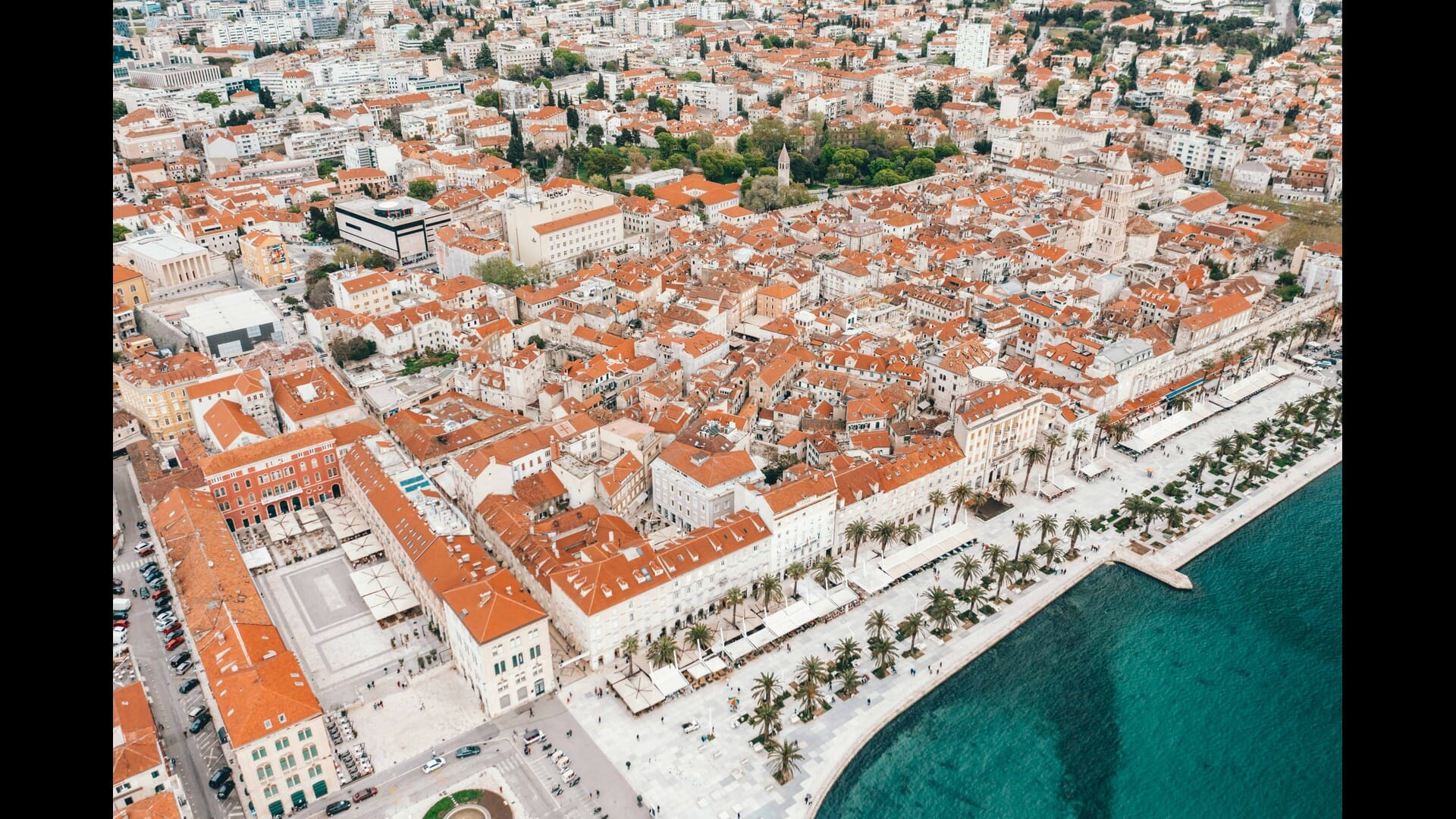
Split, the second-largest city in Croatia, is home to the Palace of Diocletian, another UNESCO World Heritage Site. Built in the 4th century AD, this ancient palace is a remarkable example of Roman architecture and urban planning.
Discovering Diocletian’s Palace
The Palace of Diocletian is not just a ruin; it’s a living part of the city. As you explore its vast complex, you’ll find shops, cafes, and residences integrated into the ancient walls. Don’t miss the Peristyle, a grand courtyard that serves as the heart of the palace, and the Cathedral of Saint Domnius, which offers stunning views from its bell tower.
The Vibrant Riva Promenade
After exploring the palace, take a leisurely stroll along the Riva, Split’s waterfront promenade. Lined with palm trees and bustling cafes, the Riva is the perfect place to relax and soak in the Mediterranean atmosphere. Enjoy a coffee or gelato while watching the world go by.
Cultural Events in Split
Split is also known for its lively cultural scene. The Split Summer Festival features a range of performances, from classical music to contemporary theater. If you’re a fan of film, check out the Split Film Festival, which showcases independent films from around the world.
3. The Old City of Trogir: A Blend of Cultures
Just a short drive from Split lies Trogir, a small town that boasts a rich history and stunning architecture. The Old City of Trogir is a UNESCO World Heritage Site known for its well-preserved medieval buildings and charming streets.
Exploring the Historic Center
The historic center of Trogir is a maze of narrow streets and picturesque squares. Don’t miss the Cathedral of St. Lawrence, a masterpiece of Romanesque architecture. The Kamerlengo Fortress, located at the waterfront, offers panoramic views of the town and the nearby islands.
The Vibrant Market Scene
Trogir is also known for its vibrant market scene. Visit the Trogir Green Market to experience local life and sample fresh produce, cheeses, and cured meats. It’s the perfect place to pick up some souvenirs or enjoy a picnic by the waterfront.
Cultural Festivals in Trogir
Trogir hosts several cultural festivals throughout the year, including the Trogir Summer Festival, which features music, dance, and theater performances. This is a great opportunity to immerse yourself in the local culture and enjoy the festive atmosphere.
4. The Cathedral of St. James in Šibenik: A Masterpiece of Renaissance Architecture
The Cathedral of St. James in Šibenik is a UNESCO World Heritage Site renowned for its unique architectural style and intricate stonework. Built between the 15th and 16th centuries, the cathedral is a stunning example of Renaissance architecture in Croatia.
Admiring the Cathedral’s Design
The cathedral’s facade is adorned with intricate sculptures and reliefs, showcasing the craftsmanship of the time. Inside, the cathedral features a beautiful altar and stunning stained glass windows. Climb to the top of the bell tower for breathtaking views of Šibenik and the surrounding area.
Exploring Šibenik’s Old Town
After visiting the cathedral, take some time to explore Šibenik’s Old Town. Wander through its narrow streets, where you’ll find charming cafes, shops, and historical landmarks. Don’t miss the Fortress of St. Nicholas, a UNESCO-listed fortress that offers a glimpse into the city’s military history.
Cultural Events in Šibenik
Šibenik is known for its vibrant cultural scene. The Šibenik International Children’s Festival is a highlight, featuring performances and activities for children and families. Additionally, the Mediterranean Film Festival showcases films from the region, making it a great destination for film enthusiasts.
5. The Plitvice Lakes National Park: A Natural Wonder
No visit to Croatia is complete without exploring the Plitvice Lakes National Park, a UNESCO World Heritage Site famous for its cascading lakes and lush forests. This national park is a true natural wonder, attracting visitors from around the world.
Discovering the Lakes and Waterfalls
The park is home to a series of 16 interconnected lakes, each with its own unique color and beauty. Take a leisurely walk along the wooden pathways that wind through the park, allowing you to get up close to the stunning waterfalls and crystal-clear waters. The Veliki Slap, or Great Waterfall, is the park’s most famous feature and a must-see.
Wildlife and Nature
Plitvice Lakes National Park is also a haven for wildlife. Keep an eye out for deer, bears, and various bird species as you explore the park’s diverse ecosystems. The park is particularly beautiful in the fall when the foliage transforms into a vibrant tapestry of colors.
Tips for Visiting Plitvice Lakes
To make the most of your visit, consider arriving early in the morning to avoid crowds. Wear comfortable shoes, as you’ll be doing a lot of walking. Don’t forget your camera, as the park offers countless photo opportunities.
6. The Historic Town of Korčula: The Birthplace of Marco Polo
The island of Korčula is known for its medieval architecture and rich history, making it a UNESCO World Heritage Site. It is also famously recognized as the birthplace of the explorer Marco Polo.
Exploring Korčula Town
The historic town of Korčula is a charming maze of narrow streets and stone buildings. Visit the Cathedral of St. Mark, a stunning example of Gothic architecture, and climb the bell tower for panoramic views of the town and the surrounding sea. The Marco Polo Museum offers insights into the life and travels of the famous explorer.
Enjoying Local Cuisine
Korčula is also known for its delicious local cuisine. Be sure to try grk wine, a unique white wine produced on the island, and indulge in fresh seafood dishes at one of the many waterfront restaurants.
Cultural Festivals in Korčula
Korčula hosts several cultural events throughout the year, including the Korčula Sword Dance, a traditional performance that showcases the island’s rich heritage. The Korčula Summer Festival features music, theater, and dance performances, making it a vibrant time to visit.
7. The Ancient City of Pula: Roman Ruins and Cultural Heritage
Pula, located in the Istria region, is known for its well-preserved Roman ruins, including the Pula Arena, a UNESCO World Heritage Site. This ancient amphitheater is one of the best-preserved Roman structures in the world.
Exploring the Pula Arena
The Pula Arena dates back to the 1st century AD and could hold up to 20,000 spectators. Today, it serves as a venue for various cultural events, including concerts and film festivals. Take a guided tour to learn about its history and architectural significance.
Discovering Pula’s Other Roman Ruins
In addition to the Arena, Pula is home to several other Roman ruins, including the Temple of Augustus and the Arch of the Sergii. Explore the charming streets of the Old Town, where you’ll find shops, cafes, and historical landmarks.
Cultural Events in Pula
Pula is known for its vibrant cultural scene. The Pula Film Festival is a highlight, showcasing films from Croatia and beyond. Additionally, the Pula Music Festival features performances by local and international artists, making it a great destination for music lovers.
8. The Stari Grad Plain: A UNESCO Agricultural Landscape
The Stari Grad Plain on the island of Hvar is a UNESCO World Heritage Site recognized for its unique agricultural landscape. This plain has been cultivated since ancient Greek times and is a testament to the region’s agricultural heritage.
Exploring the Plain
The Stari Grad Plain is characterized by its dry-stone walls, olive groves, and vineyards. Take a leisurely bike ride or hike through the area to appreciate its beauty and learn about traditional farming practices. The Tvrdalj Castle in Stari Grad is also worth a visit, offering insights into the region’s history.
Local Products and Cuisine
The Stari Grad Plain is known for its high-quality agricultural products, including olive oil and wine. Be sure to sample local dishes at restaurants in Stari Grad, where you can enjoy fresh ingredients sourced from the plain.
Cultural Events in Stari Grad
Stari Grad hosts several cultural events throughout the year, including the Stari Grad Summer Festival, which features music, dance, and theater performances. This is a great opportunity to immerse yourself in the local culture and enjoy the festive atmosphere.
9. The Fortress of Klis: A Historical Gem
The Fortress of Klis, located near Split, is a UNESCO World Heritage Site that offers a glimpse into Croatia’s military history. This fortress has played a significant role in the defense of the region for centuries.
Exploring the Fortress
The Fortress of Klis is perched on a hilltop, offering stunning views of the surrounding landscape. Explore its ancient walls, towers, and fortifications, and learn about its history through informative displays. The fortress is also known for its association with the popular TV series Game of Thrones, making it a must-visit for fans.
Hiking in the Surrounding Area
The area around Klis is perfect for hiking and outdoor activities. Several trails lead through the hills, offering breathtaking views of the countryside and the nearby city of Split. Pack a picnic and enjoy a day in nature.
Cultural Events at Klis
The Fortress of Klis hosts various cultural events throughout the year, including historical reenactments and concerts. Check the local calendar for upcoming events during your visit.
10. The Natural Beauty of the Adriatic Coast
While the UNESCO sites in Croatia are undoubtedly remarkable, the natural beauty of the Adriatic Coast is an experience in itself. From stunning beaches to picturesque islands, the coastline offers endless opportunities for exploration.
Island Hopping in the Adriatic
Consider taking a boat tour to explore some of the beautiful islands along the coast, such as Hvar, Vis, and Brač. Each island has its own unique charm, from vibrant nightlife to tranquil beaches.
Enjoying Water Activities
The Adriatic Sea is perfect for a variety of water activities, including swimming, snorkeling, and kayaking. Many coastal towns offer rental services for equipment, making it easy to enjoy the crystal-clear waters.
Relaxing on the Beaches
Take some time to relax on the stunning beaches along the coast. Whether you prefer lively beach clubs or secluded coves, the Adriatic Coast has something for everyone. Don’t forget to catch a sunset over the sea for a truly unforgettable experience.
Conclusion: Embracing the Rich Heritage of Croatia
Visiting the UNESCO World Heritage Sites of Croatia is a journey through history, culture, and natural beauty. Each site offers a unique glimpse into the country’s rich heritage, from ancient cities to breathtaking landscapes. Whether you’re exploring the medieval streets of Dubrovnik, hiking in Plitvice Lakes National Park, or savoring local cuisine in Korčula, Croatia promises an unforgettable travel experience. So pack your bags and get ready to discover the wonders of this beautiful country, where every corner holds a story waiting to be told.