
The Ultimate Guide to Camping in New Zealand: Nature at Your Doorstep
The Ultimate Guide to Camping in New Zealand: Nature at Your Doorstep
New Zealand, a land of breathtaking landscapes, vibrant cultures, and rich biodiversity, offers one of the most exhilarating camping experiences in the world. From the rugged mountains of the Southern Alps to the serene beaches of the North Island, camping in New Zealand allows you to immerse yourself in nature like never before.
This ultimate guide will take you through everything you need to know about camping in New Zealand, including the best camping spots, essential tips, and practical advice to ensure your adventure is unforgettable.
Why Choose Camping in New Zealand?
Camping in New Zealand is not just about sleeping under the stars; it’s about connecting with nature, experiencing the great outdoors, and enjoying the stunning landscapes that this country has to offer. With over 13 national parks, countless hiking trails, and a variety of ecosystems, New Zealand is a paradise for outdoor enthusiasts. Here are a few reasons why camping in New Zealand should be on your bucket list:
Diverse Landscapes: From lush rainforests to arid deserts, New Zealand's geography is incredibly diverse. Each region offers unique camping experiences.
Rich Wildlife: Encounter unique wildlife, including the Kiwi bird, native to New Zealand, and many other species that can only be found here.
Adventure Activities: New Zealand is known as the adventure capital of the world. Whether you want to hike, kayak, or bungee jump, there’s something for everyone.
Cultural Experiences: Engage with the rich Māori culture, which is an integral part of New Zealand’s identity.
Stargazing Opportunities: With some of the clearest skies in the world, New Zealand is a fantastic place for stargazing, especially in areas like Aoraki Mackenzie International Dark Sky Reserve.
Best Camping Spots in New Zealand
Finding the perfect campsite can make or break your camping experience. Here are some of the best camping spots across New Zealand, each offering its unique charm and beauty.
1. Abel Tasman National Park
Located at the northern tip of the South Island, Abel Tasman National Park is famous for its stunning coastal scenery, golden beaches, and crystal-clear waters. The park offers a range of camping options, from basic campsites to more developed facilities. The Abel Tasman Coastal Track is a popular multi-day hike that allows you to explore the park’s beauty while camping along the way.
2. Fiordland National Park
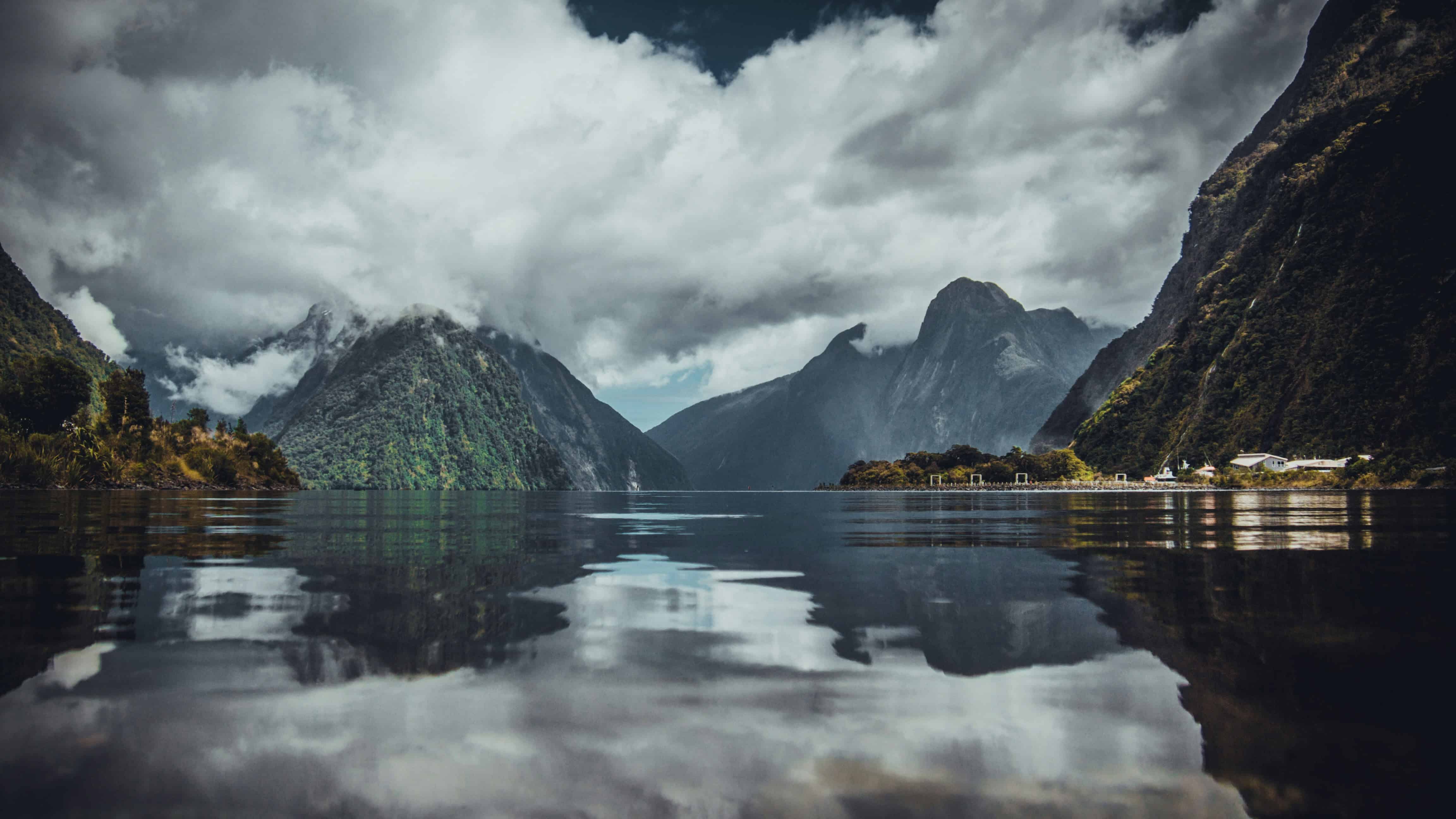
Home to some of New Zealand’s most dramatic landscapes, Fiordland National Park is a must-visit for any camping enthusiast. With towering mountains, deep fjords, and lush rainforests, the park offers a range of camping options, including the famous Milford Sound and Doubtful Sound. The Milford Track is one of the most iconic hikes in the world, and camping along this route is an unforgettable experience.
3. Tongariro National Park
Tongariro National Park, a UNESCO World Heritage site, is known for its volcanic landscapes and stunning hiking trails. The Tongariro Alpine Crossing is one of the most popular day hikes in New Zealand and offers breathtaking views of the surrounding mountains and lakes. There are several campsites within the park, making it an ideal spot for both day hikers and those looking to explore the area more thoroughly.
4. Mount Cook National Park
Mount Cook, New Zealand's highest peak, is surrounded by stunning alpine scenery and offers a range of camping options. The Hooker Valley Track is a popular hiking trail that leads to a beautiful glacial lake with views of Mount Cook. The park’s campsites are well-equipped and provide an excellent base for exploring the area’s natural beauty.
5. Coromandel Peninsula
Known for its stunning beaches and lush forests, the Coromandel Peninsula is a popular destination for campers. The Coromandel Coastal Walkway offers breathtaking views of the coastline, and there are numerous campsites available, including those near the famous Hot Water Beach and Cathedral Cove.
6. Kaikoura
Kaikoura is famous for its marine life, including whales, dolphins, and seals. The coastal scenery is stunning, and there are several campsites along the coastline. Camping in Kaikoura allows you to enjoy outdoor activities such as whale watching, kayaking, and hiking, making it a perfect spot for nature lovers.
7. Bay of Islands
The Bay of Islands is a stunning area known for its beautiful beaches, clear waters, and rich history. There are numerous campsites available, many of which are located right on the beach. Enjoy water activities like snorkeling, sailing, and fishing while soaking in the breathtaking views of the islands.
8. Mount Aspiring National Park
This national park is a hidden gem for campers looking for a more remote experience. With stunning mountain scenery, alpine lakes, and a range of hiking trails, Mount Aspiring National Park offers a true wilderness experience. The Routeburn Track is a popular multi-day hike that allows you to explore the park’s beauty while camping along the way.
9. Rakiura National Park
Located on Stewart Island, Rakiura National Park is known for its pristine wilderness and stunning landscapes. The park offers a range of camping options, including basic campsites and more developed facilities. Explore the island’s hiking trails and enjoy the unique wildlife, including the famous Kiwi bird.
10. Arthur’s Pass National Park
Arthur’s Pass National Park is known for its stunning mountain scenery and diverse ecosystems. The park offers a range of camping options, including basic campsites and more developed facilities. The Arthur’s Pass Village is a great base for exploring the park’s hiking trails and enjoying the breathtaking views.
Essential Camping Gear for New Zealand
When camping in New Zealand, having the right gear is essential for a comfortable and enjoyable experience. Here’s a comprehensive list of essential camping gear you should consider bringing:
Tent
A high-quality tent is crucial for protecting you from the elements. Look for a tent that is waterproof, durable, and easy to set up. Consider the size of your group and choose a tent that provides enough space for everyone.
Sleeping Bag
A good sleeping bag will keep you warm and comfortable during the night. Choose a sleeping bag that is appropriate for the season and temperature conditions you expect to encounter.
Sleeping Pad
A sleeping pad provides insulation and cushioning, making your camping experience more comfortable. Look for a lightweight and compact option that is easy to carry.
Cooking Gear
If you plan to cook while camping, you’ll need a portable stove, cooking utensils, and cookware. Consider bringing a compact camping stove and lightweight pots and pans.
Food and Water
Plan your meals ahead of time and pack enough food and snacks for your trip. Don’t forget to bring a reliable water purification system or water bottles to ensure you have access to clean drinking water.
Clothing
Dress in layers to accommodate changing weather conditions. Waterproof and breathable clothing is essential, as well as sturdy hiking boots for exploring the trails.
First Aid Kit
A well-stocked first aid kit is essential for any camping trip. Include items such as bandages, antiseptic wipes, pain relievers, and any personal medications you may need.
Navigation Tools
A map, compass, or GPS device is essential for navigating the trails. Make sure you have a good understanding of the area you’ll be camping in and the routes you plan to take.
Lighting
Headlamps or lanterns are essential for navigating your campsite at night. Consider bringing extra batteries or a solar-powered option for longer trips.
Insect Repellent and Sunscreen
Protect yourself from insects and sunburn by packing insect repellent and sunscreen. These items are essential for enjoying your time outdoors.
Camping Tips for New Zealand
Camping in New Zealand can be a rewarding experience, but there are some important tips to keep in mind to ensure a safe and enjoyable trip:
1. Check the Weather
New Zealand’s weather can be unpredictable, so it’s essential to check the forecast before your trip. Be prepared for sudden changes in weather conditions, especially in mountainous areas.
2. Be Prepared for Sandflies
In certain areas, particularly near water, sandflies can be a nuisance. Bring insect repellent and consider wearing long sleeves and pants to protect yourself.
3. Follow Leave No Trace Principles
Respect the environment by following Leave No Trace principles. Pack out what you pack in, stay on designated trails, and minimize your impact on the natural surroundings.
4. Familiarize Yourself with Camping Regulations
Each campsite has its own regulations, so familiarize yourself with the rules before you arrive. This includes fire regulations, pet policies, and waste disposal guidelines.
5. Plan Your Itinerary
Planning your camping itinerary in advance can help you make the most of your trip. Research the campsites you want to visit, the activities available, and the best routes to take.
6. Stay Hydrated
Make sure to drink plenty of water while camping, especially if you’re hiking or engaging in physical activities. Carry a water purification system or know where to find clean water sources.
7. Be Mindful of Wildlife
New Zealand is home to unique wildlife, and it’s essential to respect their habitats. Keep a safe distance from animals and never feed them.
8. Keep Your Campsite Clean
A clean campsite is essential for your safety and the environment. Store food securely to avoid attracting wildlife and dispose of waste properly.
9. Use a Camping Checklist
Create a camping checklist to ensure you don’t forget any essential gear or supplies. This can help you stay organized and make your trip more enjoyable.
10. Enjoy the Journey
Camping is about enjoying the journey and connecting with nature. Take the time to explore your surroundings, relax by the campfire, and appreciate the beauty of New Zealand.
Family Camping in New Zealand
Camping can be a fantastic family activity, providing opportunities for bonding and adventure. Here are some tips for family camping in New Zealand:
Choose Family-Friendly Campsites
Look for campsites that offer family-friendly amenities, such as playgrounds, swimming areas, and organized activities. Many national parks have designated family campsites that provide a safe and enjoyable environment for children.
Plan Activities for All Ages
Consider the interests and abilities of all family members when planning activities. Choose hikes that are suitable for children, and include fun activities like swimming, fishing, or exploring nature.
Involve Kids in Planning
Involving children in the planning process can make them more excited about the trip. Let them help choose the campsite, plan meals, and pack their gear.
Teach Outdoor Skills
Camping is a great opportunity to teach children essential outdoor skills, such as setting up a tent, cooking over a campfire, and navigating with a map and compass.
Prioritize Safety
Safety should always be a priority when camping with children. Keep a close eye on them, especially near water or in unfamiliar areas, and ensure they understand basic safety rules.
Camping Regulations in New Zealand
Before you head out on your camping adventure, it’s essential to familiarize yourself with the camping regulations in New Zealand. Here are some key points to keep in mind:
Freedom Camping
New Zealand allows freedom camping in certain areas, but regulations vary by region. Always check local rules and ensure you’re camping in designated freedom camping spots. Respect the environment and leave no trace.
National Park Regulations
Camping in national parks is subject to specific regulations. Some parks require a camping permit, while others have designated campsites. Familiarize yourself with the rules before your trip to ensure a smooth experience.
Fire Regulations
Fires are not permitted in many camping areas, especially during dry seasons. Always check local fire regulations and use designated fire pits if available. Consider using a portable camping stove for cooking instead.
Waste Disposal
Proper waste disposal is essential for protecting the environment. Use designated waste bins when available, and pack out any waste if no facilities are provided. Follow Leave No Trace principles to minimize your impact.
Wildlife Protection
New Zealand is home to unique wildlife, and it’s essential to respect their habitats. Never feed wildlife, and keep a safe distance from animals. Familiarize yourself with any specific regulations regarding wildlife interactions in the areas you’ll be camping.
Conclusion: Embrace the Adventure of Camping in New Zealand
Camping in New Zealand is more than just an outdoor activity; it’s an opportunity to connect with nature, explore stunning landscapes, and create lasting memories. Whether you’re hiking through national parks, relaxing on picturesque beaches, or stargazing under clear skies, the beauty of New Zealand is at your doorstep. With the right preparation, gear, and mindset, your camping adventure in New Zealand will be an experience you’ll cherish for a lifetime. So pack your bags, gather your friends or family, and get ready to embark on an unforgettable journey into the heart of nature!