
Traditional Croatian Breakfast: Pogača and More
Traditional Croatian Breakfast: Pogača and More
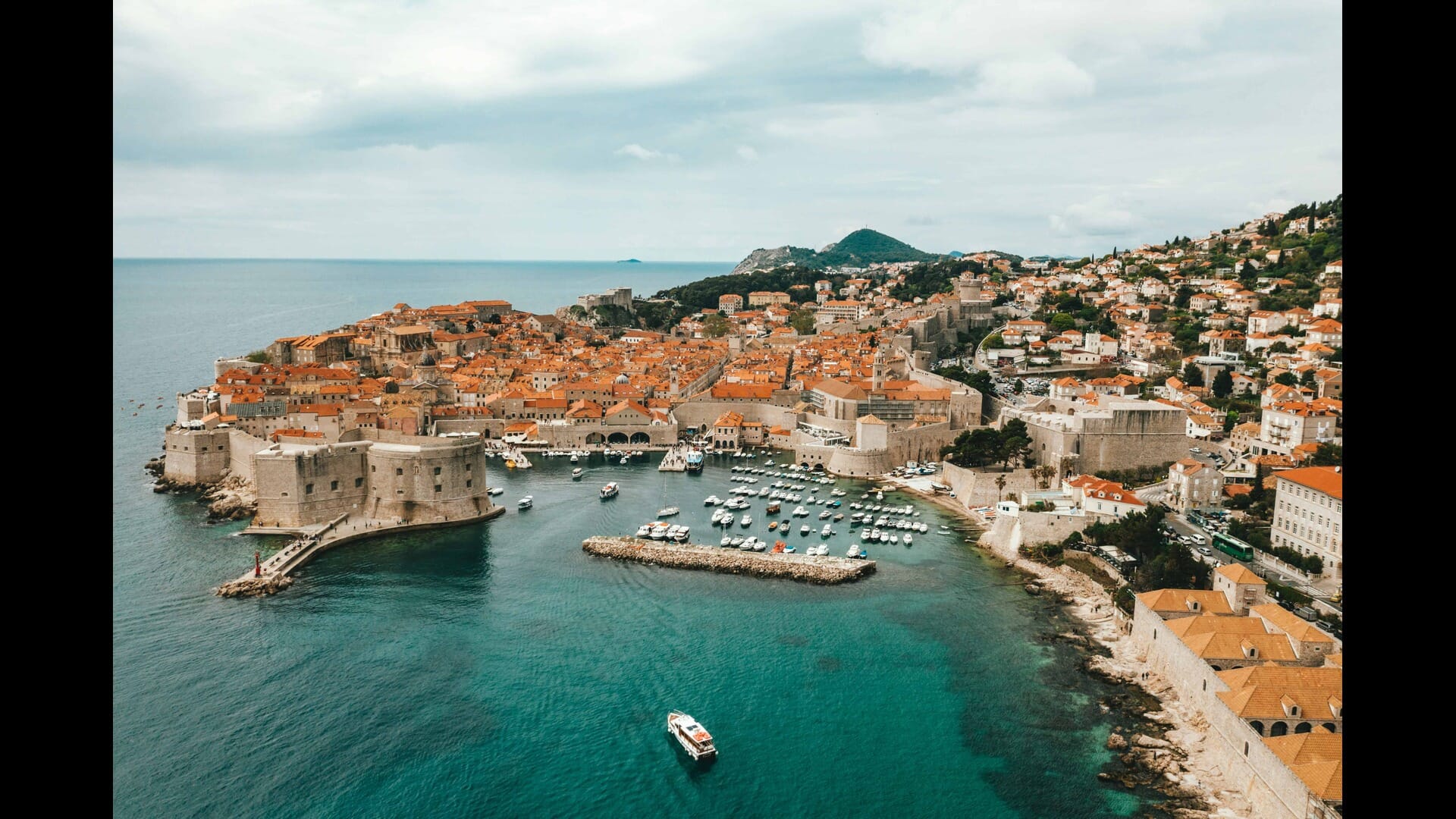
Croatia, a country known for its stunning coastline, rich history, and vibrant culture, also boasts a culinary scene that reflects its diverse heritage. Among the many meals that define Croatian cuisine, breakfast holds a special place, particularly the traditional breakfast featuring Pogača. This article will delve into the world of traditional Croatian breakfast, exploring the iconic Pogača, its variations, and other delightful dishes that make up a typical morning meal in Croatia.
Join us on this gastronomic journey as we uncover the flavors, traditions, and recipes that make Croatian breakfasts truly unique.
The Importance of Breakfast in Croatian Culture
Breakfast is often referred to as the most important meal of the day, and in Croatia, this sentiment rings true. Traditionally, breakfast is a time for families to gather, share stories, and enjoy the first meal of the day together. In a country where food is a central part of social life, breakfast serves as a reflection of regional customs, seasonal ingredients, and the warmth of Croatian hospitality.
In many households, breakfast is not just about sustenance; it’s a cherished ritual. The table is often adorned with a variety of dishes, showcasing the abundance of local produce and the culinary skills passed down through generations. This cultural significance of breakfast is particularly evident in the preparation of Pogača, a staple that has become synonymous with Croatian morning meals.
What is Pogača? A Deep Dive into This Croatian Delight
Pogača is a type of flatbread that holds a special place in Croatian cuisine. Its origins can be traced back to ancient times, and it has evolved into numerous regional variations. The dough is typically made from flour, water, yeast, and salt, resulting in a soft, fluffy texture that is perfect for pairing with a variety of toppings and spreads.
The Ingredients of Pogača
The beauty of Pogača lies in its simplicity. The basic ingredients include:
- Flour: The foundation of any good bread, flour is the primary ingredient in Pogača. Different regions may use different types of flour, which can affect the texture and flavor.
- Water: Essential for hydrating the flour and activating the yeast, water plays a crucial role in the dough's consistency.
- Yeast: This ingredient is responsible for the bread's rise, creating a light and airy texture.
- Salt: A key seasoning that enhances the flavor of the bread.
In addition to these basic ingredients, Pogača can be enriched with various additions such as olive oil, herbs, cheese, or even potatoes, depending on regional preferences and family recipes.
The Different Variations of Pogača Across Croatia
Croatia's diverse geography and cultural influences have led to a wide array of Pogača variations. Here are some of the most popular types:
- Dalmatian Pogača: Originating from the coastal region, this version is often flavored with olive oil and herbs, giving it a distinct Mediterranean flair.
- Istrian Pogača: In Istria, Pogača is sometimes made with cornmeal, resulting in a denser texture and a slightly sweet flavor.
- Pogača with Cheese: A beloved variation, this Pogača is filled with local cheeses such as feta or sheep's cheese, making it a hearty breakfast option.
- Sweet Pogača: In some regions, Pogača is prepared as a sweet bread, often flavored with cinnamon and sugar, perfect for those with a sweet tooth.
How to Make Traditional Pogača at Home
Making Pogača at home is a rewarding experience that allows you to connect with Croatian culinary traditions. Here’s a simple recipe to get you started:
Ingredients:
- 500g all-purpose flour
- 300ml warm water
- 10g dry yeast
- 10g salt
- 50ml olive oil (optional)
- 1 tsp sugar (optional)
Instructions:
Activate the Yeast: In a small bowl, mix warm water, yeast, and sugar. Let it sit for about 10 minutes until frothy.
Prepare the Dough: In a large mixing bowl, combine flour and salt. Make a well in the center and pour in the yeast mixture and olive oil. Mix until a dough forms.
Knead the Dough: Transfer the dough to a floured surface and knead for about 10 minutes until smooth and elastic.
Let it Rise: Place the dough in a greased bowl, cover it with a cloth, and let it rise in a warm place for about 1 hour or until doubled in size.
Shape the Pogača: Punch down the risen dough and shape it into a round or oval loaf. Place it on a baking sheet lined with parchment paper.
Bake: Preheat the oven to 200°C (392°F) and bake for 25-30 minutes or until golden brown.
Cool and Serve: Let the Pogača cool slightly before slicing. Enjoy it warm with butter, cheese, or your favorite spreads.
Traditional Accompaniments for Pogača
While Pogača is delicious on its own, it is often served with a variety of accompaniments that enhance the breakfast experience. Here are some traditional options:
1. Local Cheeses
Croatia is home to a wide range of artisanal cheeses, many of which pair beautifully with Pogača. From the tangy flavors of sheep's cheese to the creamy richness of cow's milk cheese, these local delicacies elevate the breakfast spread.
2. Cured Meats
Another staple of Croatian breakfasts is cured meats, such as prosciutto or kulen. These savory additions provide a delightful contrast to the soft, fluffy Pogača, creating a balanced meal that is both satisfying and flavorful.
3. Fresh Vegetables
Seasonal vegetables, such as tomatoes, cucumbers, and peppers, are often included in breakfast spreads. Their freshness adds a vibrant touch to the meal and complements the richness of the other dishes.
4. Olive Oil and Balsamic Vinegar
A drizzle of high-quality olive oil or balsamic vinegar can enhance the flavors of Pogača and other breakfast items. This simple addition is a nod to the Mediterranean influence on Croatian cuisine.
5. Jams and Spreads
For those with a sweet tooth, homemade jams and spreads made from local fruits are a must-try. Whether it's fig jam, cherry preserves, or honey, these sweet toppings add a delightful contrast to the savory elements of the meal.
Exploring Other Traditional Croatian Breakfast Foods
While Pogača is undoubtedly a star of Croatian breakfasts, it is far from the only dish that graces the morning table. Here are some other traditional breakfast foods that you might encounter:
1. Štrukli
Štrukli is a beloved dish in Croatia, particularly in the northern regions. It consists of dough filled with cheese, which is then boiled or baked. This hearty dish can be served sweet or savory, making it a versatile breakfast option.
2. Palacinke
Similar to crepes, palacinke are thin pancakes that can be filled with a variety of ingredients, including jam, chocolate, or cheese. They are often enjoyed as a sweet breakfast treat and are a favorite among both locals and visitors.
3. Eggs with Vegetables
A simple yet satisfying breakfast option, scrambled or fried eggs with seasonal vegetables is a common sight on Croatian breakfast tables. This dish is not only nutritious but also allows for creativity with local produce.
4. Corn Porridge (Palenta)
In some regions, corn porridge, or palenta, is a traditional breakfast dish. It can be served sweet with honey or savory with cheese and butter, making it a comforting start to the day.
5. Fresh Fruit
Seasonal fruits are often included in Croatian breakfasts, providing a refreshing and healthy option. From juicy figs to sweet grapes, these fruits add a burst of flavor and nutrition to the morning meal.
The Role of Regional Influences on Croatian Breakfast
Croatia's diverse landscape and cultural influences have shaped its culinary traditions, including breakfast. Each region boasts its own specialties, reflecting the availability of local ingredients and historical influences. Here’s a closer look at how regional factors contribute to the breakfast experience:
Coastal Regions: Mediterranean Flavors
In coastal areas like Dalmatia and Istria, the Mediterranean influence is evident in breakfast dishes. Fresh seafood, olive oil, and herbs are commonly used, resulting in lighter, fresher flavors. Pogača in these regions may be infused with rosemary or served alongside fresh fish.
Continental Regions: Hearty and Rustic
In the continental regions of Croatia, such as Slavonia and Zagorje, breakfasts tend to be heartier and more rustic. Cured meats, rich cheeses, and substantial breads are staples, reflecting the agricultural heritage of these areas. Pogača may be served with thick spreads or alongside a variety of meats.
Urban Centers: A Fusion of Flavors
In cities like Zagreb, the breakfast scene is a melting pot of flavors, combining traditional dishes with modern culinary trends. Here, you might find gourmet versions of Pogača served in trendy cafes, alongside artisanal coffees and innovative toppings.
The Health Benefits of a Traditional Croatian Breakfast
A traditional Croatian breakfast, centered around Pogača and fresh ingredients, offers numerous health benefits. Here are some reasons why this breakfast is not only delicious but also nutritious:
1. Nutrient-Rich Ingredients
The use of whole grains, fresh vegetables, and local cheeses ensures that Croatian breakfasts are packed with essential nutrients. Whole grains provide fiber, while vegetables add vitamins and minerals.
2. Healthy Fats
Olive oil, a staple in Croatian cuisine, is rich in healthy fats that promote heart health. Incorporating olive oil into breakfast dishes can enhance flavor while providing nutritional benefits.
3. Balanced Meals
Traditional breakfasts often include a balance of carbohydrates, proteins, and fats, making them satisfying and energizing. This balance helps to keep you full and focused throughout the morning.
4. Seasonal Eating
Many Croatian breakfasts emphasize seasonal ingredients, which are often fresher and more flavorful. Eating seasonally not only supports local agriculture but also ensures that you’re consuming the best quality produce.
Conclusion: Embracing the Tradition of Croatian Breakfast
As we’ve explored throughout this article, traditional Croatian breakfast is a celebration of flavors, culture, and community. Pogača stands at the heart of this morning ritual, embodying the essence of Croatian culinary traditions. Whether enjoyed with local cheeses, cured meats, or fresh vegetables, Pogača is more than just a flatbread; it’s a symbol of the warmth and hospitality that defines Croatian culture.
By embracing the traditions of Croatian breakfast, you not only nourish your body but also connect with the rich history and heritage of this beautiful country. So, the next time you find yourself in Croatia, don’t miss the opportunity to indulge in a traditional breakfast experience that will leave you with lasting memories and a deeper appreciation for the culinary arts.
Final Thoughts
Whether you’re a seasoned traveler or planning your first trip to Croatia, exploring the traditional breakfast scene is an essential part of experiencing the country’s culture. From the delightful Pogača to a variety of regional dishes, each bite tells a story of tradition, community, and the love of good food.
So, gather your ingredients, roll up your sleeves, and try making Pogača at home. Share it with family and friends, and let the flavors of Croatia transport you to the sun-kissed shores and vibrant markets of this enchanting country.