
Top 10 Must-Visit Temples in Japan: Spiritual Journeys
Top 10 Must-Visit Temples in Japan: Spiritual Journeys
Japan is a land steeped in history, culture, and spirituality. With its breathtaking landscapes and rich traditions, it is no wonder that the country is home to some of the most beautiful and significant temples in the world. Each temple tells a story, offering visitors a glimpse into Japan's past and a chance to connect with its spiritual essence.
In this article, we will explore the top 10 must-visit temples in Japan, each providing a unique spiritual journey that will leave you in awe.
1. Kinkaku-ji: The Golden Pavilion
Overview of Kinkaku-ji
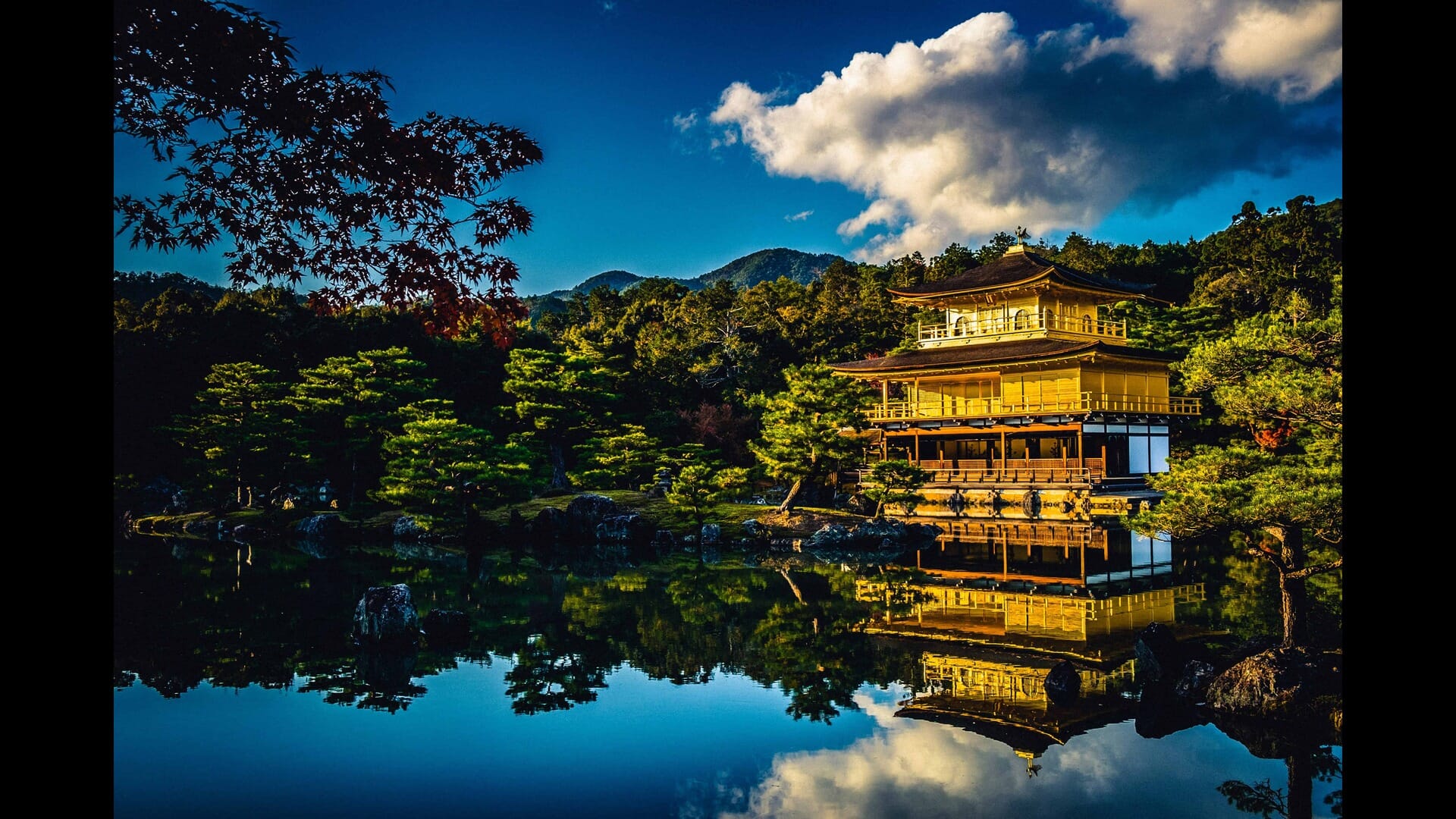
Kinkaku-ji, also known as the Golden Pavilion, is one of Japan's most iconic temples. Located in Kyoto, this Zen Buddhist temple is famous for its stunning architecture and serene surroundings. Built in the 14th century, Kinkaku-ji was originally a retirement villa for shogun Ashikaga Yoshimitsu. After his death, it was converted into a temple, and today it is a UNESCO World Heritage Site.
Architectural Marvel
The temple's top two floors are covered in gold leaf, reflecting beautifully in the surrounding pond. The contrast of the golden structure against the lush greenery creates a mesmerizing sight, especially during the cherry blossom season and autumn when the leaves change color. Visitors can stroll through the meticulously landscaped gardens, which are designed to enhance the temple's beauty.
Spiritual Significance
Kinkaku-ji embodies the principles of Zen Buddhism, promoting peace and tranquility. The temple's serene atmosphere encourages visitors to reflect and meditate, making it a perfect spot for spiritual journeys. The sound of water flowing and the rustle of leaves create a calming backdrop, inviting you to connect with nature and your inner self.
2. Fushimi Inari Taisha: The Shrine of a Thousand Torii Gates
Introduction to Fushimi Inari Taisha
Fushimi Inari Taisha, located in Kyoto, is one of Japan's most important Shinto shrines. Dedicated to Inari, the Shinto god of rice, this shrine is famous for its thousands of vibrant red torii gates that wind through the sacred Mount Inari.
The Torii Gates Experience
Walking through the torii gates is a spiritual journey in itself. Each gate is donated by individuals or businesses, and their names are inscribed on the gates, creating a sense of community and devotion. The hike up the mountain takes about 2-3 hours, and along the way, you will encounter smaller shrines and statues of foxes, which are considered Inari's messengers.
Spiritual Journey and Significance
Fushimi Inari Taisha represents the connection between the physical and spiritual worlds. The act of walking through the gates is seen as a pilgrimage, allowing visitors to reflect on their intentions and seek blessings. The shrine is particularly beautiful at sunrise and sunset when the light filters through the gates, creating a magical atmosphere.
3. Todai-ji: The Great Eastern Temple
Overview of Todai-ji
Todai-ji, located in Nara, is one of Japan's most significant Buddhist temples and a UNESCO World Heritage Site. Established in the 8th century, it houses the Great Buddha (Daibutsu), a massive bronze statue that stands at 15 meters tall, symbolizing the power of Buddhism in Japan.
Architectural Grandeur
The temple itself is an architectural marvel, with its main hall, Daibutsuden, being one of the largest wooden structures in the world. The intricate details of the temple's design reflect the craftsmanship of the era, making it a must-visit for architecture enthusiasts.
Spiritual Experience
Visiting Todai-ji is a profound spiritual experience. The sheer size of the Great Buddha evokes a sense of awe and reverence. Visitors can participate in traditional rituals, such as ringing the temple bell, which is believed to bring good fortune. The surrounding Nara Park, home to free-roaming deer, adds to the serene atmosphere, making it a perfect place for contemplation.
4. Senso-ji: Tokyo's Oldest Temple
Introduction to Senso-ji
Senso-ji, located in Asakusa, Tokyo, is the city's oldest temple and a significant cultural landmark. Founded in the 7th century, this Buddhist temple attracts millions of visitors each year, making it one of Japan's most popular tourist destinations.
The Approach to Senso-ji
As you approach Senso-ji, you will pass through the iconic Kaminarimon Gate, adorned with a giant red lantern. The Nakamise shopping street leading to the temple is lined with traditional shops selling snacks, souvenirs, and local crafts, providing a glimpse into Japanese culture.
Spiritual Significance
Senso-ji is dedicated to Kannon, the goddess of mercy. Visitors can participate in various rituals, such as lighting incense and offering prayers. The temple's vibrant atmosphere, combined with the spiritual practices, creates a unique experience that resonates with both locals and tourists.
5. Hase-dera: The Temple of the Great Compassion
Overview of Hase-dera
Hase-dera, located in Kamakura, is known for its stunning gardens and beautiful views of the ocean. Founded in the 8th century, this Buddhist temple is dedicated to Kannon and is famous for its wooden statue of the goddess, which stands at 9.18 meters tall.
Scenic Beauty
The temple's gardens are a highlight, especially during the hydrangea season when thousands of flowers bloom, creating a colorful landscape. The temple grounds also feature a pagoda, a cave with hundreds of small statues, and a picturesque view of the coastline, making it a perfect spot for photography and reflection.
Spiritual Journey
Hase-dera offers visitors a chance to connect with nature and spirituality. The serene environment encourages meditation and contemplation, allowing you to immerse yourself in the beauty of the surroundings. The temple's commitment to compassion and healing resonates deeply, making it a sanctuary for those seeking solace.
6. Ryoan-ji: The Rock Garden Temple
Introduction to Ryoan-ji
Ryoan-ji, located in Kyoto, is famous for its Zen rock garden, which is considered one of the finest examples of Japanese landscape design. Established in the 15th century, this temple embodies the principles of Zen Buddhism and offers a tranquil space for reflection.
The Rock Garden Experience
The rock garden consists of 15 rocks arranged in a sea of white gravel, inviting visitors to contemplate its meaning. The simplicity of the design encourages a meditative state, allowing you to connect with your thoughts and emotions. The surrounding gardens, with their seasonal blooms, enhance the overall experience.
Spiritual Significance
Ryoan-ji represents the essence of Zen philosophy, emphasizing simplicity and mindfulness. The act of observing the rock garden is a form of meditation, encouraging visitors to find peace within themselves. The temple's quiet ambiance makes it an ideal place for spiritual journeys and self-discovery.
7. Meiji Shrine: A Shinto Sanctuary in Tokyo
Overview of Meiji Shrine
Meiji Shrine, located in Shibuya, Tokyo, is dedicated to Emperor Meiji and Empress Shoken. Surrounded by a lush forest, this Shinto shrine offers a peaceful escape from the bustling city, making it a popular destination for both locals and tourists.
The Approach to the Shrine
Visitors enter through a grand torii gate, leading to a serene pathway lined with trees. The tranquil atmosphere sets the tone for a spiritual experience, allowing you to leave the chaos of the city behind. The shrine's architecture, characterized by its traditional wooden structures, reflects the beauty of Shinto design.
Spiritual Practices
At Meiji Shrine, visitors can participate in various Shinto rituals, such as purifying themselves at the temizuya (water basin) and offering prayers at the main hall. The shrine is particularly lively during the New Year, when people come to make their first prayers of the year. The connection to nature and the spiritual practices create a harmonious experience that resonates deeply with visitors.
8. Tottori Sand Dunes Conan Temple: A Unique Coastal Experience
Introduction to Tottori Sand Dunes Conan Temple
Tottori Sand Dunes Conan Temple is a hidden gem located near the famous Tottori Sand Dunes. This temple offers a unique blend of coastal beauty and spiritual significance, making it a must-visit for those seeking a different temple experience.
The Coastal Landscape
The temple is situated on a hill overlooking the sand dunes and the Sea of Japan. The breathtaking views create a serene backdrop for contemplation and reflection. The contrast between the sandy landscape and the temple's architecture provides a unique perspective on Japan's diverse natural beauty.
Spiritual Connection
Visitors to Tottori Sand Dunes Conan Temple can engage in meditation and prayer while surrounded by the calming sounds of the ocean. The temple's peaceful atmosphere encourages a deep connection with nature and spirituality, making it a perfect spot for those seeking solitude and reflection.
9. Kiyomizu-dera: The Pure Water Temple
Overview of Kiyomizu-dera
Kiyomizu-dera, located in Kyoto, is one of Japan's most celebrated temples, known for its stunning wooden stage that juts out over the hillside. Founded in the 8th century, this Buddhist temple offers breathtaking views of the city and surrounding nature.
Architectural Beauty
The temple's main hall is supported by hundreds of wooden pillars, showcasing the incredible craftsmanship of the era. The view from the stage, especially during cherry blossom season and autumn, is nothing short of spectacular, drawing visitors from around the world.
Spiritual Experience
Kiyomizu-dera is dedicated to Kannon, the goddess of mercy. Visitors can drink from the Otowa Waterfall, where each stream is said to grant different wishes. The temple's atmosphere encourages reflection and gratitude, making it a powerful place for spiritual journeys.
10. Nanzoin: The Reclining Buddha Temple
Introduction to Nanzoin
Nanzoin, located in Fukuoka, is home to one of the largest reclining Buddha statues in the world. This temple, founded in the 19th century, offers a unique blend of spirituality and artistry, making it a must-visit destination.
The Reclining Buddha Experience
The reclining Buddha statue measures 41 meters in length and is surrounded by beautifully landscaped gardens. The statue's serene expression and intricate details invite visitors to reflect on the teachings of Buddhism and the importance of compassion.
Spiritual Significance
Nanzoin is a place of healing and meditation. Visitors can participate in various rituals, such as lighting incense and offering prayers. The temple's tranquil environment encourages a deep connection with spirituality, making it a perfect spot for those seeking solace and enlightenment.
Conclusion: Embarking on Your Spiritual Journey in Japan
Japan's temples are not just architectural wonders; they are gateways to spiritual journeys that connect us to our inner selves and the world around us. Each temple offers a unique experience, inviting visitors to reflect, meditate, and find peace in the beauty of nature and the teachings of Buddhism and Shintoism. As you plan your travels, consider visiting these top 10 must-visit temples in Japan, and embark on a journey that will enrich your soul and broaden your understanding of this fascinating culture. Whether you seek tranquility, inspiration, or a deeper connection to spirituality, these sacred sites will leave a lasting impression on your heart and mind.