
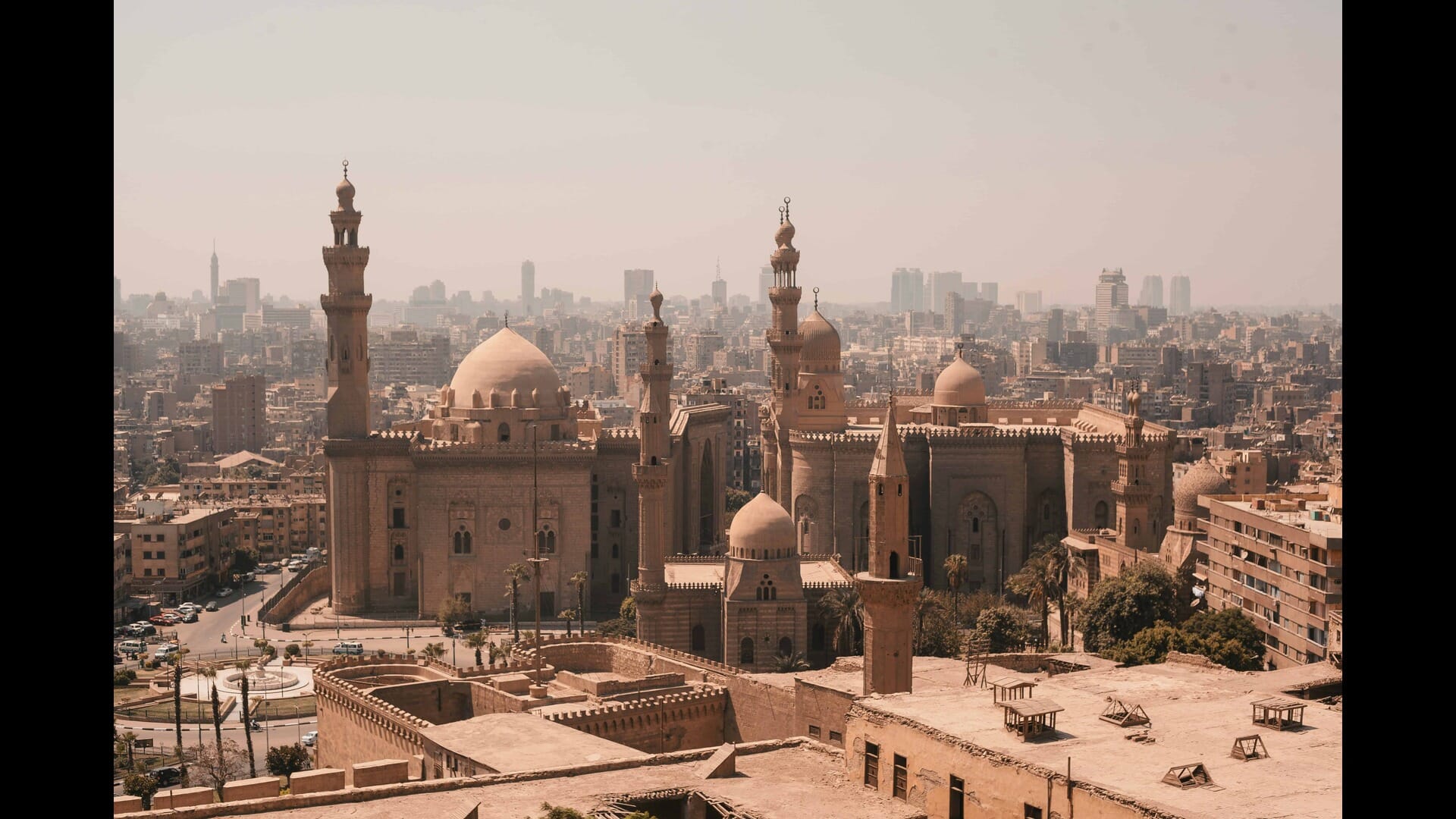
Discovering the Spiritual Heritage of Sufi Mysticism in Egypt
Discovering the Spiritual Heritage of Sufi Mysticism in Egypt
Egypt, a land steeped in history and mystique, is not just the cradle of ancient civilizations but also a vibrant hub of spiritual exploration. Among the many spiritual traditions that have flourished in this enchanting country, Sufism stands out as a profound expression of mystical Islam.
This article invites you on a journey to discover the spiritual heritage of Sufi mysticism in Egypt, exploring its history, practices, and the profound impact it has had on the cultural landscape of this remarkable nation.
The Historical Roots of Sufi Mysticism in Egypt
Sufism, often described as the mystical branch of Islam, has its roots in the early centuries of the Islamic faith. Emerging as a response to the growing materialism of the Islamic world, Sufism emphasizes a personal, experiential connection with the Divine. In Egypt, Sufism found fertile ground to flourish, particularly during the Fatimid Caliphate in the 10th century. The Fatimids, known for their tolerance and support of various religious traditions, played a crucial role in the establishment of Sufi orders.
The Influence of the Fatimid Caliphate on Sufism
The Fatimid Caliphate, which ruled over Egypt from 969 to 1171, was instrumental in the development of Sufi thought and practice. The caliphs themselves were patrons of the arts and spirituality, fostering an environment where Sufi mystics could thrive. This period saw the establishment of several Sufi orders, including the Qadiriyya and the Shadhiliyya, which would later become prominent in Egypt.
Key Figures in Egyptian Sufism
Throughout its history, Sufism in Egypt has been shaped by the teachings of influential figures. One of the most notable is Ibn Ata Allah al-Iskandari, a 13th-century Sufi scholar whose works continue to inspire seekers of truth. His writings emphasize the importance of inner purification and the quest for divine love, foundational principles that resonate deeply within Sufi practice.
Another pivotal figure is Al-Hakim bi-Amr Allah, the sixth Fatimid caliph, who was known for his mystical inclinations and support of Sufi practices. His reign marked a significant period of Sufi expansion, leading to the establishment of numerous Sufi lodges (zawiyas) throughout Egypt.
Exploring Sufi Practices in Egypt
Sufi practices are diverse and rich, encompassing a wide range of rituals, teachings, and artistic expressions. In Egypt, Sufism is characterized by its unique blend of spirituality and cultural heritage, making it an integral part of the Egyptian identity.
The Role of Zawiyas in Sufi Life
Zawiyas, or Sufi lodges, serve as centers for spiritual learning and community gathering. These spaces are not only places for worship but also hubs for social interaction and cultural exchange. Visitors to Egypt can find numerous zawiyas, each associated with different Sufi orders, where they can witness the vibrant practices of Sufism firsthand.
Sufi Rituals: Dhikr and Whirling
One of the most captivating aspects of Sufi practice is dhikr, the remembrance of God through repetitive chanting and meditation. In Egypt, dhikr sessions often take place in zawiyas, where participants engage in rhythmic chanting, clapping, and sometimes even dancing. This communal practice fosters a deep sense of connection among participants and serves as a powerful means of spiritual elevation.
Another notable ritual is the whirling dance performed by the Mevlevi order, also known as the Whirling Dervishes. This mesmerizing dance symbolizes the soul's journey towards God, as the dancer spins in a state of trance, embodying the divine connection sought by Sufis.
The Significance of Sufi Shrines in Egypt
Sufi shrines, known as maqamat, are sacred spaces that honor the memory of revered Sufi saints. These sites are often pilgrimage destinations for both locals and tourists, who seek blessings and spiritual guidance. Each shrine has its unique history and significance, reflecting the diverse tapestry of Sufi mysticism in Egypt.
Notable Sufi Shrines to Visit in Egypt
The Shrine of Al-Hussein: Located in Cairo, this shrine is dedicated to the grandson of the Prophet Muhammad, Hussein ibn Ali. It is a significant pilgrimage site for both Sunni and Shia Muslims, and its vibrant atmosphere during religious festivals attracts thousands of visitors.
The Shrine of Sayyid Ahmad al-Badawi: Situated in Tanta, this shrine honors the founder of the Badawiyya Sufi order. The annual celebration of his birthday, known as the Moulid, draws massive crowds and features colorful processions, music, and dance.
The Shrine of Al-Sayyida Zainab: Another important site in Cairo, this shrine is dedicated to Zainab, the daughter of Ali and Fatimah. It is a focal point for Sufi gatherings and spiritual practices, particularly during the month of Ramadan.
Sufi Festivals: A Celebration of Spirituality and Community
Sufi festivals, or moulids, are vibrant celebrations that honor the lives and teachings of Sufi saints. These events are characterized by music, dance, and communal prayers, creating an atmosphere of joy and spiritual connection.
The Moulid of Sayyid Ahmad al-Badawi
The Moulid of Sayyid Ahmad al-Badawi is one of the most famous Sufi festivals in Egypt. Held annually in Tanta, this festival attracts millions of devotees who come to pay their respects to the saint. The celebration features colorful processions, traditional music, and various cultural performances, showcasing the rich heritage of Egyptian Sufism.
The Moulid of Al-Hussein
The Moulid of Al-Hussein is another significant event that draws large crowds to Cairo. This festival commemorates the life of Al-Hussein and includes rituals such as recitations of poetry, dhikr sessions, and communal feasting. The atmosphere is charged with spirituality, as participants seek blessings and divine connection.
The Intersection of Sufi Music and Poetry in Egypt
Music and poetry are integral components of Sufi practice, serving as vehicles for expressing the ineffable experiences of divine love and longing. In Egypt, Sufi music has evolved into a rich tradition, blending local melodies with spiritual themes.
The Role of Music in Sufi Worship
Sufi music, often performed during dhikr sessions, creates an ambiance conducive to spiritual reflection and connection. Instruments such as the oud (a stringed instrument) and darbuka (a hand drum) accompany vocalists who chant verses of love and devotion to God. This musical expression transcends linguistic barriers, allowing participants to experience the divine presence through sound.
Sufi Poetry: The Language of the Heart
Sufi poetry, characterized by its profound themes of love and spirituality, has a long-standing tradition in Egypt. Poets like Rumi and Al-Hallaj have inspired countless seekers with their verses, which explore the depths of the human soul's yearning for the Divine. In contemporary Egypt, Sufi poetry continues to resonate, with poets drawing on traditional themes while incorporating modern influences.
The Teachings and Philosophy of Sufism
At the heart of Sufi mysticism lies a rich philosophical framework that emphasizes the pursuit of inner truth and divine love. Sufi teachings encourage followers to transcend the ego and cultivate a deep connection with God.
The Concept of Tawhid: Unity with the Divine
A central tenet of Sufi philosophy is tawhid, the concept of divine unity. Sufis believe that all of creation is a manifestation of the Divine, and the ultimate goal of the spiritual journey is to realize this unity. This understanding fosters a sense of interconnectedness among all beings and encourages compassion and love.
The Path of Self-Purification
Sufi teachings emphasize the importance of self-purification as a means of drawing closer to God. This process involves introspection, repentance, and the cultivation of virtues such as humility, patience, and love. Through various practices, including meditation and dhikr, Sufis seek to cleanse their hearts and minds, allowing divine light to illuminate their souls.
The Contemporary Landscape of Sufism in Egypt
In recent years, Sufism has faced challenges and transformations in Egypt, particularly in the context of political and social changes. However, the resilience of Sufi communities continues to shine through, as they adapt to contemporary realities while preserving their rich heritage.
Sufism and Modern Society
Despite facing scrutiny from more conservative Islamic factions, Sufism remains a vital part of Egypt's spiritual landscape. Many young people are drawn to Sufi teachings, seeking solace and guidance in a world marked by uncertainty. Sufi orders have embraced modern communication tools, using social media to share their teachings and connect with a broader audience.
The Role of Sufi Organizations
Sufi organizations play a crucial role in promoting interfaith dialogue and social cohesion in Egypt. By organizing events, workshops, and community service initiatives, these groups foster a spirit of unity and understanding among diverse religious communities. Their efforts contribute to the preservation of Egypt's rich spiritual heritage while addressing contemporary social issues.
Conclusion: A Journey into the Heart of Sufi Mysticism
Embarking on a journey to discover the spiritual heritage of Sufi mysticism in Egypt is an invitation to explore the depths of the human soul and its connection to the Divine. From the historical roots of Sufism to the vibrant practices and teachings that continue to inspire seekers today, Egypt offers a unique window into the mystical dimensions of Islam. As you wander through the streets of Cairo, visit Sufi shrines, and participate in dhikr sessions, you will find yourself immersed in a world where spirituality and culture intertwine, revealing the timeless wisdom of Sufi mysticism.
As you reflect on this journey, may you carry with you the essence of Sufi teachings—an enduring reminder of the beauty of love, unity, and the quest for divine truth.