
Scuba Diving in the Aegean Sea: Discovering Greece’s Underwater World
Scuba Diving in the Aegean Sea: Discovering Greece’s Underwater World
The Aegean Sea, a jewel nestled between the mainland of Greece and its myriad islands, is a diver's paradise. With its crystal-clear waters, diverse marine life, and rich historical sites, scuba diving in the Aegean Sea offers an unforgettable experience for both novice and experienced divers.
This article will take you on a journey through the underwater wonders of the Aegean, exploring the best diving spots, marine ecosystems, and practical tips to make the most of your diving adventure in Greece.
The Allure of the Aegean Sea: Why Dive Here?
The Aegean Sea is not just a beautiful body of water; it is a vibrant ecosystem teeming with life. The unique geographical features, such as underwater caves, reefs, and shipwrecks, create a diverse habitat for countless marine species. The warm Mediterranean climate ensures that the water temperature remains comfortable year-round, making it an ideal location for scuba diving.
Rich Marine Biodiversity
The Aegean Sea is home to an astonishing variety of marine life. From colorful schools of fish to majestic sea turtles and playful dolphins, the underwater world is alive with activity. Divers can expect to encounter species such as:
- Mediterranean Monk Seals: One of the rarest marine mammals, these seals can often be spotted in the waters around the islands.
- Loggerhead Turtles: These gentle giants are a common sight in the Aegean, especially around nesting sites.
- Vibrant Fish Species: The sea is filled with diverse fish, including snapper, grouper, and parrotfish, creating a kaleidoscope of color beneath the waves.
Historical Significance
The Aegean Sea is steeped in history, with ancient shipwrecks and submerged ruins waiting to be explored. Many dive sites offer a glimpse into Greece's rich maritime heritage, allowing divers to connect with the past while experiencing the beauty of the underwater world.
Best Diving Spots in the Aegean Sea
The Aegean Sea boasts numerous diving locations, each offering unique experiences. Here are some of the best spots to explore:
1. Santorini: The Volcanic Wonderland
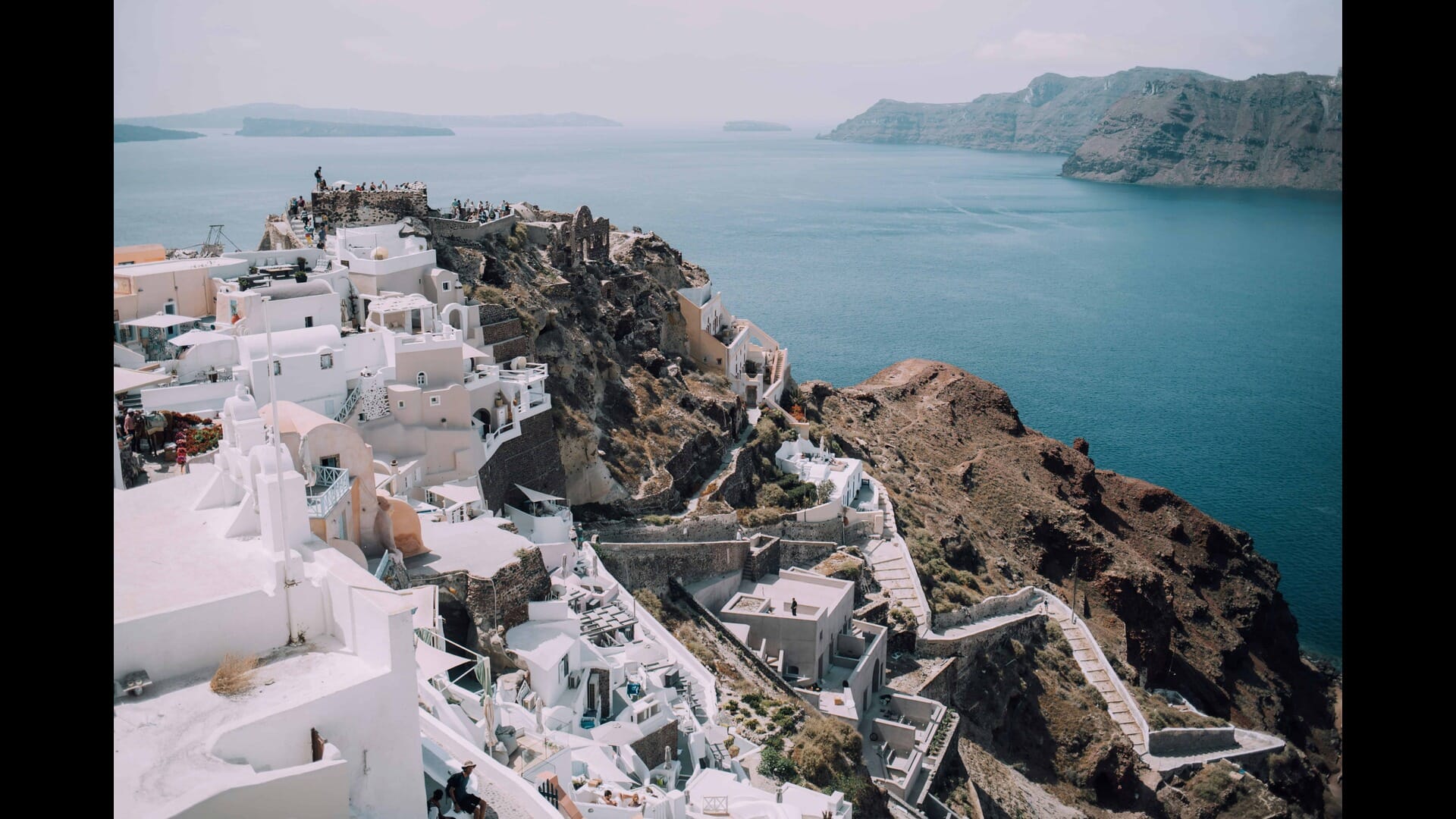
Santorini, famous for its stunning sunsets and whitewashed buildings, also offers incredible diving opportunities. The underwater landscape is shaped by volcanic activity, creating dramatic underwater cliffs and unique rock formations. Dive sites like Caldera and Thirassia are popular for their clear waters and vibrant marine life.
2. Mykonos: The Party Island with Hidden Depths
While Mykonos is known for its nightlife, it also has some fantastic diving spots. The waters around Mykonos are home to colorful reefs and intriguing underwater caves. The Elia Beach dive site is particularly popular, offering divers the chance to see a variety of fish and marine flora.
3. Rhodes: The Island of the Knights
Rhodes is not only rich in history but also offers excellent diving conditions. The Kallithea Springs site is famous for its underwater thermal springs and vibrant marine life. Divers can explore ancient ruins and encounter schools of fish in this beautiful setting.
4. Crete: The Largest Greek Island
Crete offers a diverse range of diving experiences, from shallow reefs to deep wreck dives. The Elounda Bay dive site is known for its clear waters and abundant marine life, while the Chania Wreck offers a glimpse into the island's maritime history.
5. Samos: A Hidden Gem
Samos, less frequented by tourists, is a diver's dream. The waters around the island are rich in biodiversity, with numerous dive sites to explore. The Pythagoreio site is particularly noteworthy, featuring underwater caves and a variety of marine species.
Marine Life You Can Encounter While Diving
Diving in the Aegean Sea is not just about the scenery; it's also about the incredible marine life you can encounter. Here are some of the fascinating creatures you might see:
Colorful Fish Species
The Aegean Sea is home to a plethora of fish species, including:
- Damselfish: Small and colorful, these fish are often found near reefs.
- Grouper: Known for their size and distinct markings, groupers are a common sight in deeper waters.
- Octopus: These intelligent creatures can often be spotted hiding in crevices or exploring the ocean floor.
Larger Marine Animals
For those lucky enough, encounters with larger marine animals can be a highlight of any dive:
- Dolphins: Playful and curious, dolphins are often seen swimming alongside divers.
- Turtles: Loggerhead turtles are frequently spotted, especially in nesting areas.
- Sharks: While not common, certain areas of the Aegean are known for sightings of small shark species, such as the blacktip reef shark.
Diving Conditions in the Aegean Sea
Before you dive into the Aegean Sea, it's essential to understand the diving conditions. Here’s what to expect:
Water Temperature
The Aegean Sea enjoys a Mediterranean climate, resulting in warm water temperatures. In summer, temperatures can reach up to 26°C (79°F), while in winter, they can drop to around 15°C (59°F). A wetsuit is recommended for cooler months.
Visibility
Visibility in the Aegean Sea is generally excellent, often exceeding 30 meters (98 feet) in many dive sites. This clarity allows divers to fully appreciate the vibrant underwater scenery and marine life.
Currents
Some dive sites may experience strong currents, particularly in the spring and autumn months. It's crucial to check local conditions and consult with dive operators to ensure a safe diving experience.
Essential Gear for Scuba Diving in the Aegean Sea
Having the right gear is vital for a successful diving experience. Here’s a list of essential equipment:
Basic Scuba Gear
- Mask and Snorkel: A good-fitting mask is essential for clear vision underwater.
- Fins: Comfortable fins will help you navigate the water with ease.
- Wetsuit: Depending on the season, a wetsuit may be necessary to keep you warm.
- BCD (Buoyancy Control Device): This device helps you maintain buoyancy underwater.
- Regulator: A high-quality regulator is crucial for breathing underwater.
Additional Equipment
- Dive Computer: A dive computer helps track your depth and time underwater, ensuring safe diving practices.
- Underwater Camera: Capture the beauty of the underwater world with a waterproof camera.
- Dive Light: Useful for exploring caves or wrecks, a dive light enhances visibility in darker areas.
Choosing the Right Dive Center in Greece
Selecting a reputable dive center is crucial for a safe and enjoyable diving experience. Here are some tips for choosing the right one:
Research and Reviews
Look for dive centers with positive reviews from previous customers. Websites like TripAdvisor and diving forums can provide valuable insights into the quality of services offered.
Certifications and Safety Standards
Ensure that the dive center follows international safety standards and employs certified instructors. Look for certifications from organizations like PADI or SSI.
Equipment Quality
Check the condition of the rental equipment. Well-maintained gear is essential for a safe diving experience.
Dive Packages
Many dive centers offer packages that include multiple dives, equipment rental, and guided tours. Compare prices and services to find the best option for your needs.
Tips for First-Time Divers in the Aegean Sea
If you're a novice diver, here are some tips to help you make the most of your experience:
Take a Course
Consider taking a scuba diving course before your trip. Courses like PADI Open Water Diver will equip you with the necessary skills and knowledge for safe diving.
Stay Relaxed
Diving can be intimidating for beginners. Remember to stay calm and take your time to adjust to the underwater environment.
Practice Equalization
Learn how to equalize your ears to prevent discomfort while descending. This technique is crucial for a pleasant diving experience.
Dive with a Buddy
Always dive with a buddy for safety. Having someone by your side can enhance your experience and provide assistance if needed.
Underwater Photography: Capturing the Aegean’s Beauty
For those interested in underwater photography, the Aegean Sea offers stunning opportunities to capture vibrant marine life and breathtaking landscapes. Here are some tips for taking great underwater photos:
Choose the Right Equipment
Invest in a good underwater camera or housing for your existing camera. Ensure it is rated for the depths you plan to dive.
Lighting Techniques
Use natural light when possible, but consider bringing an underwater flash for deeper dives where light is limited.
Composition and Framing
Pay attention to composition. Use the rule of thirds to create visually appealing images and capture the beauty of the underwater world.
Conclusion: A Dive into the Aegean Sea Awaits
Scuba diving in the Aegean Sea is an adventure like no other. With its stunning underwater landscapes, rich marine biodiversity, and historical significance, the Aegean offers a unique diving experience for everyone. Whether you are a seasoned diver or a novice, the underwater world of Greece awaits you, ready to unveil its secrets and wonders. So pack your gear, book your dive, and prepare for an unforgettable journey beneath the waves of the Aegean Sea.