
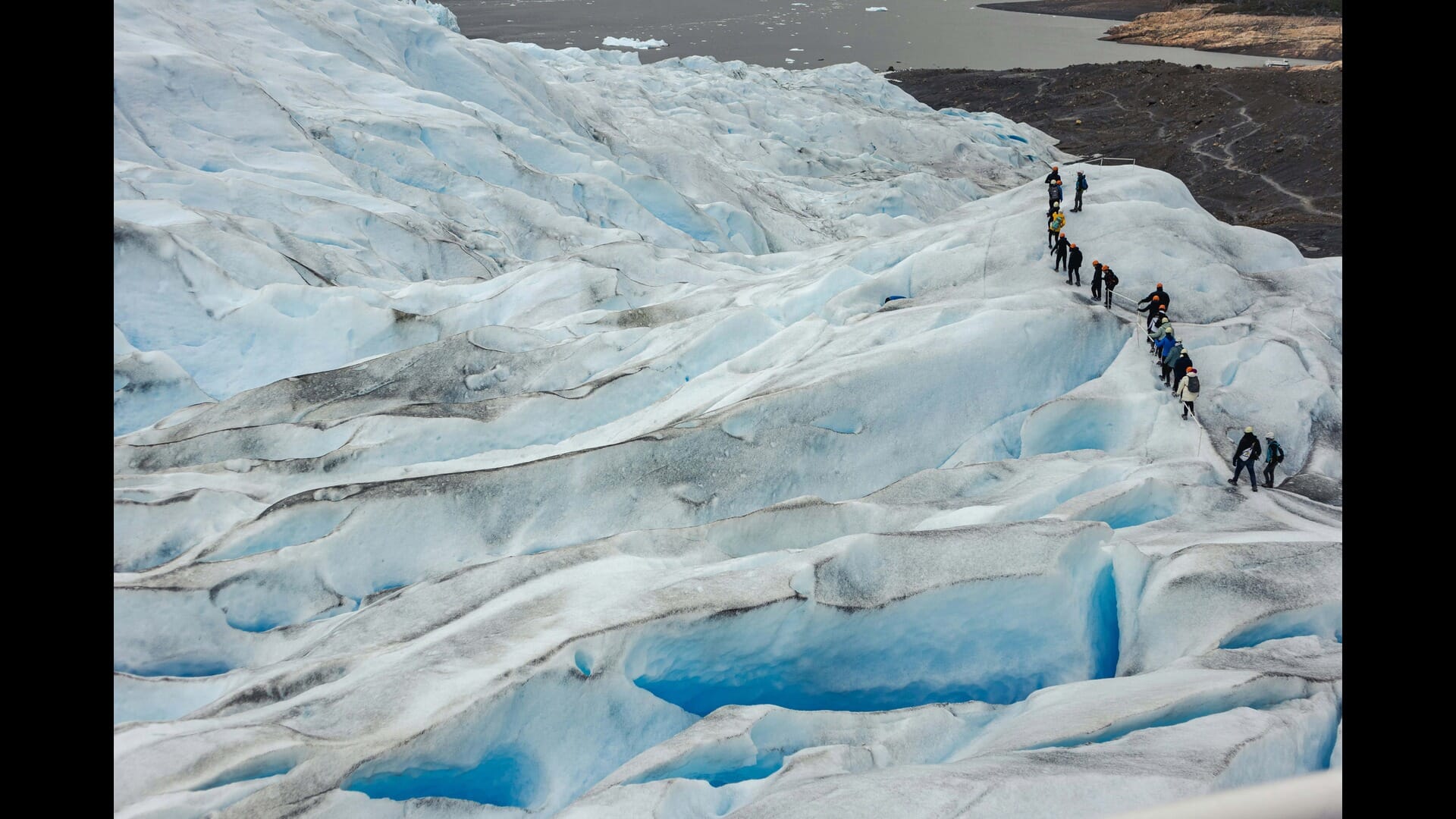
The Role of the Andes in Argentine Climate: A Comprehensive Exploration
The Role of the Andes in Argentine Climate: A Comprehensive Exploration
The Andes Mountains, stretching over 7,000 kilometers along the western edge of South America, play a pivotal role in shaping the climate of Argentina. This majestic mountain range not only influences weather patterns but also affects biodiversity, agriculture, and the lives of millions of people.
In this article, we will delve deep into the various ways the Andes impact the Argentine climate, exploring everything from precipitation patterns to temperature variations and the resulting ecological consequences.
Understanding the Andes Mountains and Their Geography
The Andes are the longest continental mountain range in the world, extending through seven countries: Venezuela, Colombia, Ecuador, Peru, Bolivia, Chile, and Argentina. In Argentina, the Andes run from the northern province of Jujuy down to the southern region of Tierra del Fuego. This geographical expanse creates a diverse range of climates and ecosystems, influenced heavily by the altitude and orientation of the mountains.
The Geographical Features of the Andes
The Andes consist of various geographical features, including high peaks, deep valleys, and expansive plateaus. The highest peak, Aconcagua, stands at 6,961 meters (22,838 feet) and is the tallest mountain in both the Southern and Western Hemispheres. The mountains are characterized by their rugged terrain, which creates microclimates that vary significantly over short distances.
The Andes and Their Influence on Argentine Climate Zones
Argentina is home to several distinct climate zones, including humid subtropical, arid, and polar climates. The Andes play a crucial role in delineating these zones. The western slopes of the Andes are typically wetter due to orographic lift, where moist air is forced to rise over the mountains, cooling and condensing into precipitation. In contrast, the eastern slopes experience a rain shadow effect, resulting in drier conditions.
The Impact of the Andes on Precipitation Patterns in Argentina
One of the most significant ways the Andes influence the climate of Argentina is through their effect on precipitation patterns. The mountains act as a barrier to moisture-laden winds coming from the Pacific Ocean, leading to varying levels of rainfall across the region.
Orographic Lift and Rainfall Distribution
As moist air approaches the Andes, it is forced to rise, leading to cooling and condensation. This process, known as orographic lift, results in heavy rainfall on the western slopes of the Andes. Regions such as Mendoza and Neuquén receive significant precipitation, supporting lush vegetation and agriculture.
The Rain Shadow Effect on Eastern Argentina
On the eastern side of the Andes, the rain shadow effect creates arid conditions. Provinces like San Juan and La Rioja experience much lower rainfall, leading to semi-arid and desert-like climates. This stark contrast in precipitation levels has profound implications for agriculture, water resources, and biodiversity.
Temperature Variations Across the Andes
The Andes also contribute to significant temperature variations across Argentina. As altitude increases, temperatures generally decrease, leading to a range of microclimates that can be found within a relatively small area.
Altitudinal Zonation and Its Effects
The concept of altitudinal zonation refers to the distinct climatic zones that occur at different elevations. In Argentina, this phenomenon is particularly pronounced in the Andes. At lower elevations, temperatures are warmer and more conducive to agriculture, while higher elevations experience colder temperatures, impacting the types of vegetation that can thrive.
The Role of Latitude in Temperature Variations
In addition to altitude, latitude plays a crucial role in temperature variations across Argentina. The northern regions, closer to the equator, tend to have warmer temperatures year-round, while southern regions experience cooler climates. The Andes further amplify these differences, creating a complex interplay between altitude and latitude.
The Andes and Their Influence on Wind Patterns
Wind patterns are another critical aspect of how the Andes shape the Argentine climate. The mountains act as barriers to prevailing winds, altering their direction and speed, which in turn affects local weather conditions.
The Role of the Zonda Wind
One of the most notable winds influenced by the Andes is the Zonda wind. This warm, dry wind descends from the western slopes of the Andes and can cause rapid temperature increases in the eastern foothills. The Zonda is known for its potential to exacerbate drought conditions and increase wildfire risks in affected areas.
The Influence of the Andes on Local Wind Systems
The Andes also create localized wind systems that can lead to unique weather phenomena. For example, the presence of valleys and mountain passes can funnel winds, leading to increased wind speeds and localized weather events. These effects can impact everything from temperature to precipitation patterns.
Biodiversity in the Andes and Its Relationship with Climate
The Andes are home to an incredible diversity of flora and fauna, much of which is directly influenced by the climatic conditions created by the mountains. The varying climates across different elevations and slopes provide unique habitats that support a wide range of species.
Unique Ecosystems Found in the Andes
From the arid deserts of the eastern foothills to the lush forests on the western slopes, the Andes host a variety of ecosystems. These ecosystems are characterized by their distinct plant and animal species, many of which are endemic to the region. For example, the high-altitude puna grasslands are home to unique species such as the vicuña and the Andean condor.
The Impact of Climate Change on Andean Biodiversity
As climate change continues to affect global weather patterns, the biodiversity of the Andes is at risk. Rising temperatures, altered precipitation patterns, and increased frequency of extreme weather events can lead to habitat loss and threaten the survival of many species. Understanding the relationship between the Andes and climate is crucial for conservation efforts.
The Role of the Andes in Argentine Agriculture
Agriculture is a vital part of Argentina's economy, and the Andes play a significant role in shaping agricultural practices across the country. The varying climates and soil types influenced by the mountains create opportunities and challenges for farmers.
Irrigation and Water Resources in Andean Agriculture
In regions where the Andes provide adequate rainfall, such as Mendoza, agriculture thrives. However, in the drier eastern regions, irrigation becomes essential. The snowmelt from the Andes feeds rivers that are crucial for irrigation, allowing farmers to cultivate crops such as grapes, olives, and various fruits.
Challenges Faced by Farmers Due to Climate Variability
Farmers in Argentina must contend with the challenges posed by climate variability, including droughts and floods. The influence of the Andes on local weather patterns can lead to unpredictable growing seasons, impacting crop yields and food security.
The Cultural Significance of the Andes in Argentina
Beyond their environmental impact, the Andes hold immense cultural significance for the people of Argentina. The mountains have shaped the history, traditions, and identities of various communities throughout the region.
Indigenous Cultures and the Andes
Many indigenous cultures in Argentina have deep connections to the Andes. The Quechua and Mapuche peoples, for example, have lived in the shadow of these mountains for centuries, relying on their resources and incorporating them into their cultural practices. The Andes are often viewed as sacred, and their influence can be seen in traditional stories, art, and rituals.
Modern Society and the Andes
In contemporary Argentina, the Andes continue to play a vital role in shaping society. From tourism to agriculture, the mountains are integral to the economy and lifestyle of many Argentines. The breathtaking landscapes attract millions of tourists each year, contributing to the country's cultural and economic vitality.
Conclusion: The Andes as a Climate Regulator in Argentina
In conclusion, the Andes Mountains are not just a geographical feature; they are a fundamental component of Argentina's climate system. Their influence on precipitation patterns, temperature variations, wind systems, and biodiversity shapes the lives of millions and the ecosystems they inhabit. As we face the challenges of climate change, understanding the role of the Andes becomes increasingly important for conservation efforts and sustainable development in Argentina. The mountains stand as a testament to the intricate relationship between geography and climate, reminding us of the delicate balance that sustains life in this diverse and vibrant region.