
The Role of Religion in Spanish Culture: A Deep Dive into Faith and Tradition
The Role of Religion in Spanish Culture: A Deep Dive into Faith and Tradition
Spain is a country steeped in rich history, vibrant traditions, and a diverse cultural landscape. At the heart of this tapestry lies the profound influence of religion, particularly Catholicism, which has shaped the Spanish identity for centuries.
In this article, we will explore the multifaceted role of religion in Spanish culture, examining its historical roots, contemporary practices, and the ways in which it continues to influence daily life in Spain.
The Historical Roots of Religion in Spain
The Arrival of Christianity in the Iberian Peninsula
The Iberian Peninsula has a long and complex religious history that predates Christianity. Before the arrival of the Romans, various pagan beliefs thrived, influenced by Celtic, Iberian, and Phoenician cultures. However, the advent of Christianity in the first century AD marked a significant turning point. The spread of the faith was facilitated by early missionaries and the establishment of the first Christian communities.
The Impact of the Visigoths and the Catholic Church
In the 5th century, the Visigoths, a Germanic tribe, invaded the Iberian Peninsula and converted to Christianity, specifically Arianism. However, by the late 6th century, the Visigothic king Reccared I embraced Catholicism, leading to the unification of the Christian faith in the region. This shift laid the groundwork for the Catholic Church's dominance in Spain, which would endure for centuries.
The Reconquista and the Role of Religion
The Reconquista, a centuries-long struggle to reclaim the Iberian Peninsula from Muslim rule, was not only a military campaign but also a religious crusade. The Catholic Monarchs, Ferdinand and Isabella, played a pivotal role in this endeavor, culminating in the capture of Granada in 1492. This victory was celebrated as a triumph of Christianity over Islam, further solidifying the Catholic Church's influence in Spanish society.
Catholicism: The Dominant Religion in Spain
The Catholic Church's Influence on Spanish Society
Catholicism is the predominant religion in Spain, with approximately 68% of the population identifying as Catholic. The Church has historically played a crucial role in shaping social norms, values, and cultural practices. From education to politics, the Catholic Church's influence is deeply embedded in the fabric of Spanish life.
The Role of the Spanish Inquisition
The Spanish Inquisition, established in 1478, was a significant institution that sought to maintain Catholic orthodoxy in Spain. It targeted converted Jews and Muslims, as well as those accused of heresy. The Inquisition's impact on Spanish culture was profound, instilling a sense of religious conformity and fear that would resonate for generations.
Religious Festivals and Celebrations in Spain
Spain is renowned for its vibrant religious festivals, which are deeply rooted in Catholic traditions. These celebrations not only reflect the country's religious devotion but also serve as a means of community bonding and cultural expression. Some of the most notable festivals include:
- Semana Santa (Holy Week): This week-long celebration leading up to Easter is marked by elaborate processions, passionate displays of faith, and intricate religious imagery. Cities like Seville and Málaga are particularly famous for their Semana Santa celebrations, attracting thousands of visitors each year.
- La Tomatina: While not strictly a religious festival, La Tomatina has its roots in a local tradition that evolved over time. The festival, held in Buñol, involves participants throwing tomatoes at each other, symbolizing the joy and revelry often associated with religious celebrations.
- Feria de Abril (April Fair): Originating in Seville, this fair is a week-long celebration featuring flamenco dancing, traditional costumes, and religious processions. It showcases the fusion of religious and cultural elements that characterize Spanish festivals.
The Intersection of Religion and Spanish Art
Religious Themes in Spanish Art and Architecture
Spanish art has been profoundly influenced by religion, particularly during the Renaissance and Baroque periods. Artists like El Greco, Diego Velázquez, and Francisco Goya explored religious themes in their works, often depicting biblical scenes and saints with emotional depth and dramatic flair.
The Architectural Marvels of Spanish Cathedrals
Spain is home to some of the most stunning cathedrals in the world, each a testament to the country's rich religious heritage. Notable examples include:
- Sagrada Familia in Barcelona: Designed by Antoni Gaudí, this basilica is a masterpiece of modernist architecture, blending Gothic and Art Nouveau styles. Its intricate facades and towering spires reflect Gaudí's deep religious devotion.
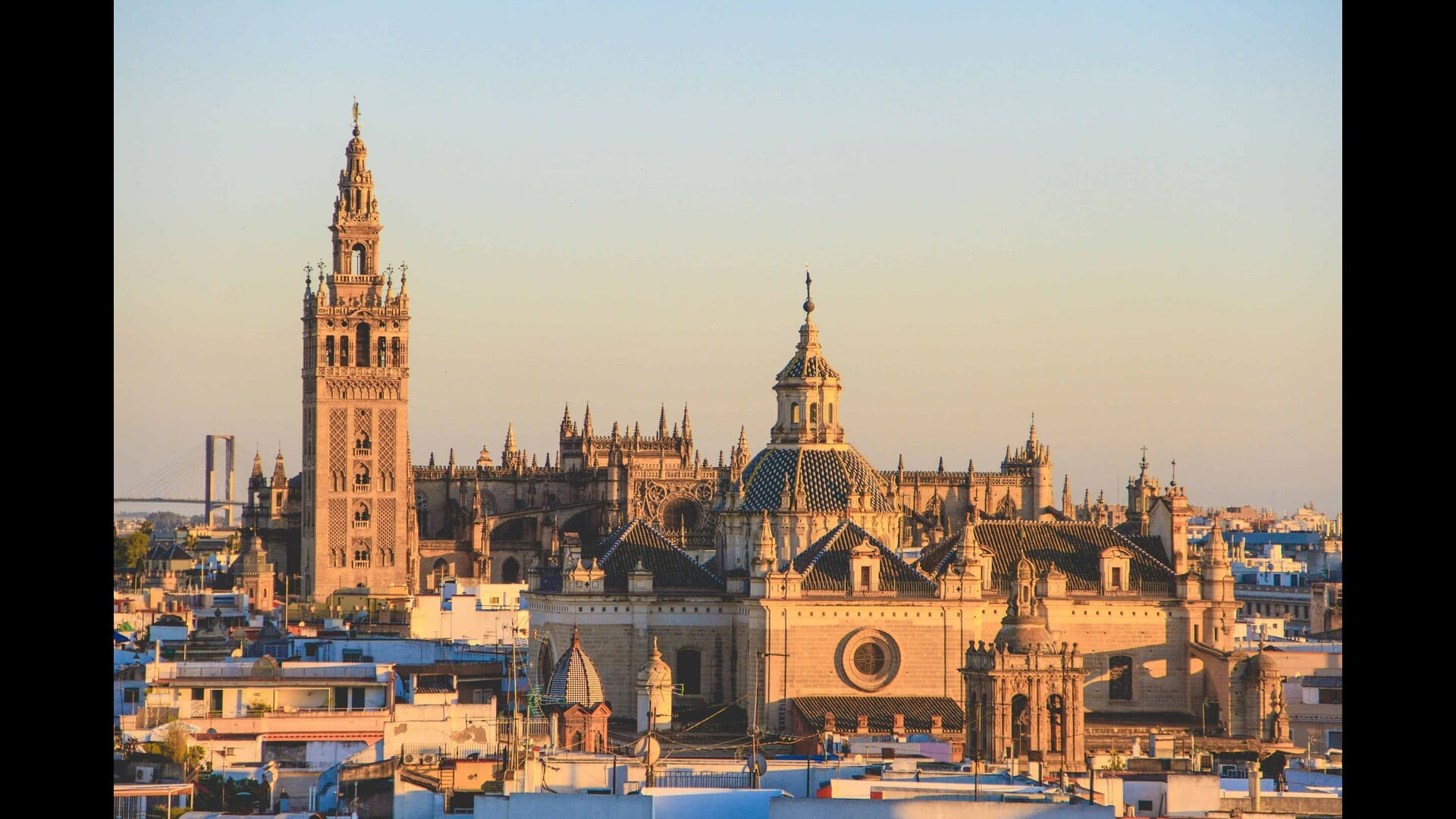
- Seville Cathedral: The largest Gothic cathedral in the world, Seville Cathedral is a UNESCO World Heritage site. Its grandeur and historical significance make it a focal point of religious life in the city.
- Basilica of Our Lady of the Pillar in Zaragoza: This baroque basilica is dedicated to the Virgin Mary and is a pilgrimage site for many Catholics. Its stunning interior and rich history attract visitors from around the globe.
The Role of Religion in Spanish Daily Life
Family and Religious Traditions
Religion plays a significant role in family life in Spain. Many families observe religious customs, such as baptism, first communion, and confirmation, which are important rites of passage. These ceremonies often involve elaborate celebrations, reinforcing family bonds and cultural identity.
The Influence of Religion on Spanish Cuisine
Spanish cuisine is also intertwined with religious traditions. Many culinary practices are rooted in Catholic observances, such as Lent, during which many Spaniards abstain from eating meat. Traditional dishes like bacalao (salted cod) and pestiños (fried pastries) are often prepared during this time, showcasing the connection between faith and food.
The Role of Religion in Education
Religious education remains an integral part of the Spanish schooling system. Many private schools are affiliated with the Catholic Church, providing students with a curriculum that includes religious instruction. This education fosters a sense of identity and community among students, reinforcing the values of faith and morality.
Modern Spirituality and Religious Diversity in Spain
The Rise of Secularism and Religious Pluralism
In recent decades, Spain has witnessed a rise in secularism and religious pluralism. While Catholicism remains the dominant faith, an increasing number of Spaniards identify as non-religious or adhere to other religions, such as Islam, Protestantism, and Buddhism. This shift reflects broader societal changes and a growing acceptance of diverse belief systems.
The Influence of Immigration on Religious Diversity
Immigration has played a significant role in shaping Spain's religious landscape. The arrival of communities from Latin America, North Africa, and Eastern Europe has introduced new religious practices and beliefs, enriching the cultural tapestry of the nation. Cities like Barcelona and Madrid are now home to vibrant multicultural communities that celebrate their diverse faiths.
The Future of Religion in Spanish Culture
Challenges and Opportunities for Religious Institutions
As Spain continues to evolve, religious institutions face both challenges and opportunities. The decline in church attendance and the rise of secularism pose significant hurdles for the Catholic Church. However, there is also an opportunity for the Church to engage with younger generations and adapt to contemporary societal values.
The Role of Religion in Social Issues
Religion in Spain is increasingly intersecting with social issues such as immigration, gender equality, and LGBTQ+ rights. Many religious leaders are advocating for social justice and inclusivity, reflecting a shift towards a more progressive interpretation of faith.
Conclusion: The Enduring Legacy of Religion in Spanish Culture
The role of religion in Spanish culture is a complex and dynamic interplay of history, tradition, and modernity. From the grandeur of cathedrals to the vibrancy of festivals, religion continues to shape the Spanish identity in profound ways. As Spain navigates the challenges of a changing world, the enduring legacy of faith remains a cornerstone of its cultural heritage, inviting both reflection and celebration.
In conclusion, understanding the role of religion in Spanish culture is essential for appreciating the rich tapestry of traditions, values, and beliefs that define this remarkable country. Whether through art, cuisine, or community celebrations, the influence of religion is woven into the very fabric of Spanish life, making it a fascinating subject for exploration and discovery.