
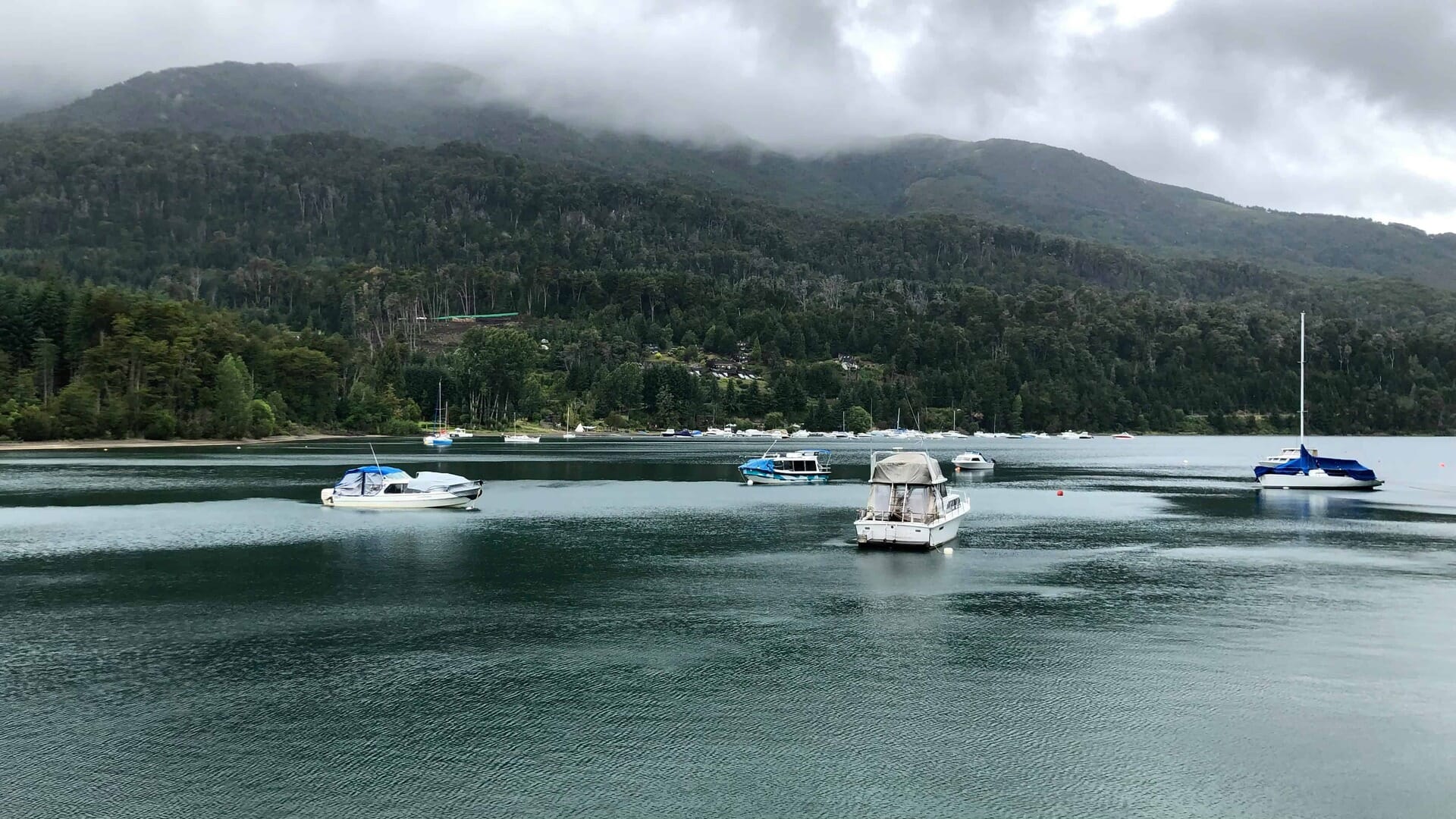
The Rich Biodiversity of the Atlantic Rainforest: A Journey Through Nature's Treasure
The Rich Biodiversity of the Atlantic Rainforest: A Journey Through Nature's Treasure
The Atlantic Rainforest, or Mata Atlântica, is one of the most biodiverse ecosystems on the planet. Stretching along the Atlantic coast of Brazil, this lush rainforest is a treasure trove of flora and fauna, many of which are found nowhere else on Earth.
In this article, we will embark on an immersive journey through the Atlantic Rainforest, exploring its rich biodiversity, unique ecosystems, endemic species, conservation efforts, and the best ways to experience this natural wonder.
Understanding the Atlantic Rainforest: A Brief Overview
The Atlantic Rainforest is a tropical rainforest that once covered a vast area of Brazil, stretching from Rio Grande do Sul in the south to the state of Bahia in the north. Today, however, it has been significantly reduced due to deforestation, agriculture, and urbanization. Despite this, the remaining patches of the Atlantic Rainforest still harbor an astonishing variety of life.
The Climate of the Atlantic Rainforest
The climate in the Atlantic Rainforest is characterized by high humidity and significant rainfall, with annual precipitation ranging from 1,500 to 3,000 millimeters. The temperatures are generally warm, averaging between 20°C to 25°C (68°F to 77°F). This tropical climate creates the perfect conditions for a diverse range of plant and animal species to thrive.
The Unique Ecosystems of the Atlantic Rainforest
The Atlantic Rainforest is not a monolithic entity; rather, it comprises various ecosystems, each with its unique characteristics. These include:
- Lowland Rainforests: Found at lower elevations, these areas are dense with tall trees, vines, and a rich understory of shrubs and ferns.
- Montane Rainforests: Located at higher elevations, montane rainforests are cooler and often shrouded in mist, creating a unique habitat for specialized species.
- Restinga: A coastal ecosystem characterized by sandy soils and salt-tolerant vegetation, restinga is home to a variety of endemic plants and animals.
- Mangroves: These coastal wetlands are crucial for protecting shorelines and providing habitat for numerous species, including birds, fish, and crustaceans.
Flora of the Atlantic Rainforest: A Botanical Wonderland
The plant life in the Atlantic Rainforest is incredibly diverse, with estimates suggesting that there are over 20,000 species of plants, including:
Endemic Plant Species of the Atlantic Rainforest
Many plants in the Atlantic Rainforest are endemic, meaning they are found nowhere else in the world. Some notable examples include:
- Brazilwood (Caesalpinia echinata): Once highly prized for its red dye, Brazilwood is now endangered due to overharvesting.
- Palms: The Atlantic Rainforest is home to a variety of palm species, including the iconic Euterpe edulis, known as the heart of palm.
- Orchids: With over 2,500 species, orchids are a highlight of the rainforest, showcasing vibrant colors and intricate shapes.
The Role of Epiphytes in the Ecosystem
Epiphytes, or air plants, are another fascinating aspect of the Atlantic Rainforest. These plants grow on other plants, deriving moisture and nutrients from the air and rain. They include:
- Bromeliads: These colorful plants provide habitat for various insects and small animals.
- Ferns: Ferns thrive in the humid understory, contributing to the lush greenery of the rainforest.
Wildlife of the Atlantic Rainforest: A Diverse Animal Kingdom
The Atlantic Rainforest is home to an astonishing array of wildlife, with over 1,000 species of vertebrates and countless invertebrates. This rich biodiversity includes:
Endangered Species of the Atlantic Rainforest
Many species in the Atlantic Rainforest are threatened or endangered due to habitat loss and poaching. Some of the most notable include:
- Golden Lion Tamarin (Leontopithecus rosalia): This small primate is known for its striking golden fur and is critically endangered due to deforestation.
- Jaguar (Panthera onca): As the largest cat in the Americas, the jaguar is a top predator in the rainforest, but its population is declining due to habitat fragmentation.
- Atlantic Forest Frog (Leptodactylus latrans): This amphibian is sensitive to environmental changes and is threatened by habitat loss.
Birdlife of the Atlantic Rainforest
Birdwatchers will find the Atlantic Rainforest a paradise, with over 800 species of birds recorded. Notable species include:
- Hyacinth Macaw (Anodorhynchus hyacinthinus): This stunning blue parrot is the largest flying parrot species and is endangered due to habitat loss and the illegal pet trade.
- Black-capped Donacobius (Donacobius atricapilla): Known for its distinctive call, this bird is often found near water bodies in the rainforest.
- Rufous-capped Motmot (Baryphthengus ruficapillus): With its striking colors and unique tail feathers, this bird is a favorite among birdwatchers.
The Insect World of the Atlantic Rainforest
The insect diversity in the Atlantic Rainforest is staggering, with thousands of species contributing to the ecosystem's health. Notable insects include:
- Butterflies: The rainforest is home to numerous butterfly species, including the iconic Morpho butterfly, known for its iridescent blue wings.
- Beetles: Many beetle species play essential roles in pollination and decomposition, making them vital to the ecosystem.
- Ants: Ants are abundant in the rainforest, with many species forming symbiotic relationships with plants and other animals.
The Importance of Conservation in the Atlantic Rainforest
Given the high levels of biodiversity and the threats facing the Atlantic Rainforest, conservation efforts are crucial. Here are some key initiatives:
Protected Areas and Reserves
Several protected areas and reserves have been established to safeguard the remaining rainforest. Notable examples include:
- Tijuca National Park: Located in Rio de Janeiro, Tijuca is one of the largest urban rainforests in the world, offering hiking trails and stunning views.
- Serra do Mar State Park: This park protects a significant portion of the Atlantic Rainforest and is home to diverse wildlife and plant species.
Community Involvement in Conservation
Local communities play a vital role in conservation efforts. Initiatives that involve local populations in sustainable practices help protect the rainforest while providing economic benefits. Examples include:
- Eco-tourism: Promoting responsible tourism that supports local communities and conservation efforts.
- Sustainable agriculture: Encouraging practices that minimize environmental impact and protect biodiversity.
Experiencing the Atlantic Rainforest: Travel Tips and Recommendations
For those looking to explore the Atlantic Rainforest, there are numerous ways to experience its beauty and biodiversity. Here are some travel tips:
Best Time to Visit the Atlantic Rainforest
The best time to visit the Atlantic Rainforest is during the dry season, which typically runs from May to September. During this time, the weather is more favorable for outdoor activities, and wildlife is easier to spot.
Hiking Trails and Nature Tours
There are countless hiking trails and guided tours available for visitors to immerse themselves in the rainforest. Some popular options include:
- The Pico da Tijuca Trail: This challenging hike offers breathtaking views of Rio de Janeiro and the surrounding rainforest.
- The Parque Nacional da Serra dos Órgãos: Known for its stunning landscapes and diverse ecosystems, this park features numerous trails for all skill levels.
Wildlife Watching Opportunities
For wildlife enthusiasts, the Atlantic Rainforest offers unparalleled opportunities for observation. Consider:
- Birdwatching tours: Join guided tours specifically focused on spotting endemic bird species.
- Night safaris: Experience the rainforest after dark to witness the nocturnal wildlife in action.
The Future of the Atlantic Rainforest: Challenges and Hope
Despite the challenges facing the Atlantic Rainforest, there is hope for its future. Increased awareness of the importance of biodiversity and conservation efforts are gaining momentum. Initiatives aimed at reforestation, habitat restoration, and sustainable development are crucial in preserving this unique ecosystem for generations to come.
The Role of Education and Awareness
Education plays a vital role in conservation. By raising awareness about the importance of the Atlantic Rainforest and its biodiversity, we can inspire more people to take action to protect it. Schools, NGOs, and local communities are working together to promote environmental education and conservation initiatives.
The Importance of Sustainable Tourism
Sustainable tourism is a powerful tool for conservation. By visiting the Atlantic Rainforest responsibly, travelers can contribute to local economies while supporting conservation efforts. Choosing eco-friendly accommodations, participating in guided tours that prioritize sustainability, and respecting wildlife and habitats are all ways to make a positive impact.
Conclusion: Embracing the Rich Biodiversity of the Atlantic Rainforest
The Atlantic Rainforest is a remarkable testament to nature's creativity and resilience. Its rich biodiversity, unique ecosystems, and endemic species make it a vital area for conservation and exploration. By understanding and appreciating the importance of this rainforest, we can all play a part in protecting it for future generations. Whether you're hiking through its lush trails, observing its vibrant wildlife, or simply soaking in the beauty of this natural wonder, the Atlantic Rainforest is a destination that promises to leave a lasting impression on all who visit.