
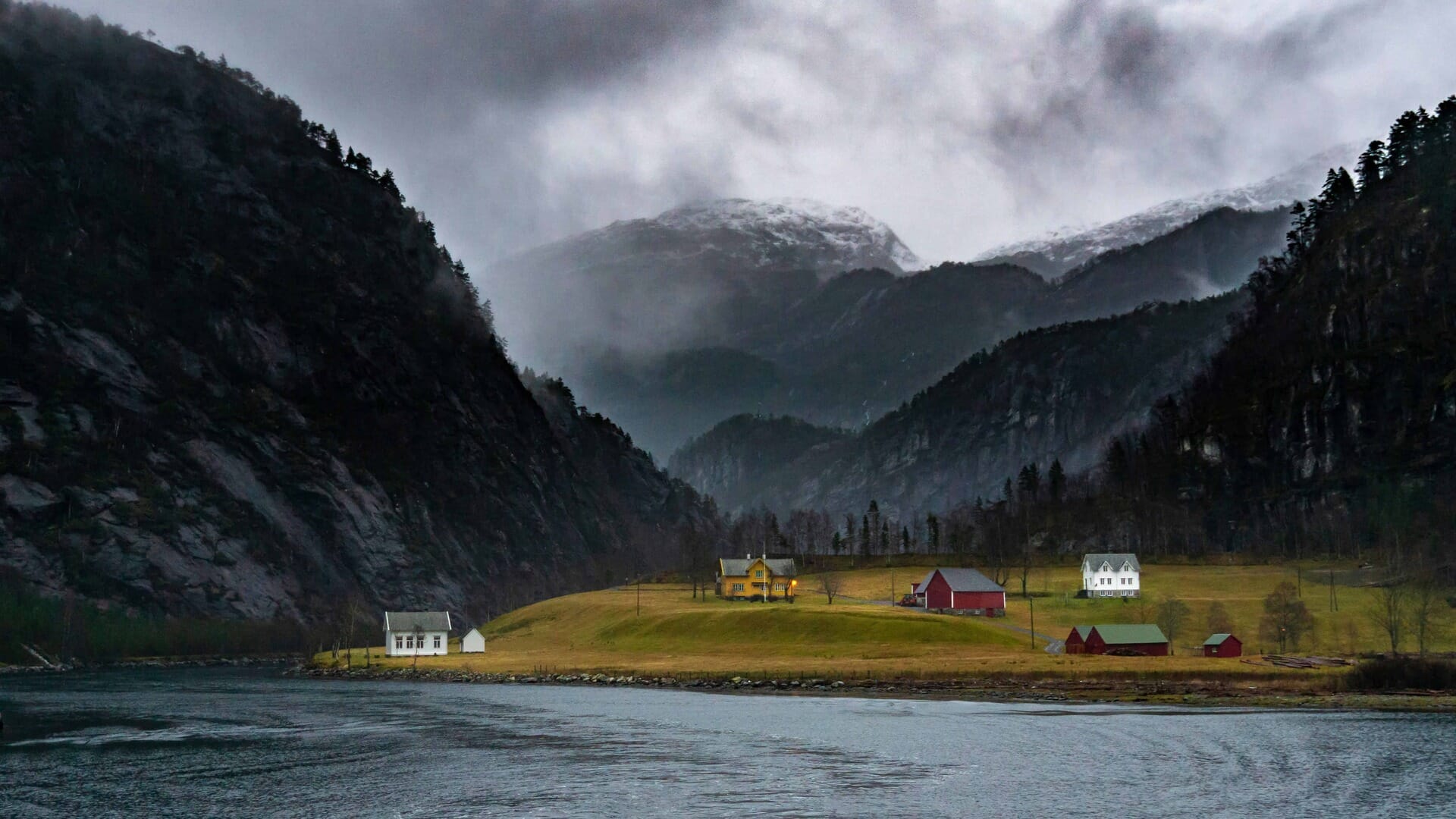
Norway’s National Parks: Nature’s Untamed Beauty
Norway’s National Parks: Nature’s Untamed Beauty
Norway, a land of stunning fjords, towering mountains, and pristine wilderness, is home to some of the most breathtaking national parks in the world. With its dramatic landscapes and rich biodiversity, Norway’s national parks offer an unparalleled experience for nature lovers, adventurers, and anyone seeking to escape the hustle and bustle of modern life.
In this comprehensive guide, we will explore the untamed beauty of Norway’s national parks, highlighting their unique features, outdoor activities, and the best ways to experience these natural wonders.
The Allure of Norway’s National Parks
Norway’s national parks are not just places to visit; they are sanctuaries of nature that embody the spirit of the country. From the rugged coastline of the North Atlantic to the serene valleys of the south, each park tells a story of geological history, ecological diversity, and cultural heritage. The allure of these parks lies in their untouched landscapes, where visitors can immerse themselves in the beauty of nature, witness wildlife in its natural habitat, and engage in a variety of outdoor activities.
A Brief Overview of Norway’s National Parks
Norway boasts 47 national parks, each with its own unique characteristics. Some of the most notable parks include:
- Jotunheimen National Park: Known for its towering peaks and glacial lakes.
- Hardangervidda National Park: The largest mountain plateau in Europe, famous for its vast landscapes.
- Rondane National Park: Renowned for its rugged mountains and rich wildlife.
- Dovrefjell National Park: Home to the iconic musk ox and stunning alpine scenery.
- Lofotodden National Park: A coastal paradise with dramatic cliffs and serene beaches.
Each park offers a unique glimpse into Norway’s natural beauty, making them essential destinations for travelers.
Jotunheimen National Park: The Home of the Giants
Exploring the Highest Peaks in Northern Europe
Jotunheimen National Park, often referred to as the “Home of the Giants,” is a paradise for hikers and climbers. It is home to Norway’s highest mountain, Galdhøpiggen, which rises to 2,469 meters (8,100 feet). The park features a network of trails that cater to all levels of hikers, from leisurely walks to challenging climbs.
Hiking Trails and Routes
One of the most popular hiking routes in Jotunheimen is the Besseggen Ridge, which offers breathtaking views of the emerald green Gjende Lake and the deep blue Bessvatnet Lake. This hike is a must-do for any visitor, providing a thrilling experience as you traverse the ridge between the two lakes. The trail is approximately 14 kilometers (8.7 miles) long and takes about 6-8 hours to complete.
Glacial Lakes and Scenic Views
The park is dotted with glacial lakes, each more stunning than the last. The turquoise waters of Gjende and the serene beauty of Bessvatnet are perfect for photography enthusiasts. The reflections of the surrounding mountains in these lakes create a magical atmosphere that captivates all who visit.
Wildlife Watching in Jotunheimen
Jotunheimen is not only known for its dramatic landscapes but also for its diverse wildlife. The park is home to various species, including reindeer, foxes, and numerous bird species. Birdwatchers will delight in spotting the elusive golden eagle soaring above the peaks.
Hardangervidda National Park: The Vast Mountain Plateau
Discovering Europe’s Largest Mountain Plateau
Hardangervidda National Park is a vast expanse of wilderness that covers over 3,400 square kilometers (1,300 square miles). It is the largest mountain plateau in Europe and offers a unique ecosystem characterized by its rich flora and fauna.
Hiking and Outdoor Activities
The park features an extensive network of hiking trails, making it an ideal destination for outdoor enthusiasts. One of the most popular trails is the Rjukanfossen waterfall hike, which leads you to one of Norway’s most spectacular waterfalls. The hike is relatively easy and suitable for families.
Fishing and Hunting
Hardangervidda is also known for its excellent fishing opportunities. The numerous lakes and rivers are teeming with trout, making it a popular spot for anglers. Additionally, the park allows regulated hunting, providing a unique experience for those interested in wildlife management.
The Unique Flora and Fauna of Hardangervidda
The park is home to a diverse range of plant species, including rare Arctic flowers. The reindeer population is one of the largest in Europe, and visitors may have the chance to see these magnificent animals grazing on the plateau.
Rondane National Park: A Haven for Nature Lovers
The First National Park in Norway
Established in 1962, Rondane National Park is Norway’s first national park and is known for its rugged mountains and stunning valleys. The park features a range of hiking trails that cater to all skill levels, making it a popular destination for families and seasoned hikers alike.
Scenic Hiking Trails
The Rondane massif is characterized by its sharp peaks and deep valleys. The hike to Rondeslottet, the park’s highest peak at 2,178 meters (7,100 feet), offers breathtaking views of the surrounding landscape. The trail is challenging but rewarding, providing a sense of accomplishment upon reaching the summit.
Wildlife and Natural Beauty
Rondane is home to a diverse range of wildlife, including reindeer, foxes, and various bird species. The park’s unique geological features and rich biodiversity make it a haven for nature lovers and photographers.
Dovrefjell National Park: The Land of the Musk Ox
Encountering the Iconic Musk Ox
Dovrefjell National Park is renowned for its population of musk oxen, which were reintroduced to the area in the 1970s. These prehistoric animals roam freely in the park, providing a unique opportunity for wildlife enthusiasts to observe them in their natural habitat.
Hiking and Nature Trails
The park features a variety of hiking trails that allow visitors to explore its diverse landscapes. The trail to Snøhetta, one of Norway’s most famous peaks, offers stunning views of the surrounding mountains and valleys. The hike is moderately challenging and takes about 5-7 hours to complete.
Cultural Heritage and History
Dovrefjell is not only a natural wonder but also a site of historical significance. The area has been inhabited for thousands of years, and remnants of ancient settlements can still be found throughout the park. Visitors can learn about the cultural heritage of the region through guided tours and information centers.
Lofotodden National Park: Coastal Paradise
Discovering the Dramatic Coastal Landscapes
Lofotodden National Park is a hidden gem located in the Lofoten archipelago. Known for its dramatic cliffs, pristine beaches, and crystal-clear waters, this park is a paradise for outdoor enthusiasts and photographers.
Hiking and Outdoor Adventures
The park offers a range of hiking trails that cater to all skill levels. The hike to the summit of Himmeltinden provides panoramic views of the surrounding islands and the Atlantic Ocean. The trail is moderately challenging and takes about 4-6 hours to complete.
Marine Life and Fishing Opportunities
Lofotodden is also known for its rich marine life. The waters surrounding the park are home to various fish species, making it a popular destination for anglers. Visitors can also explore the coastline by kayak, providing a unique perspective of the stunning landscapes.
Sustainable Tourism in Norway’s National Parks
Embracing Eco-Friendly Practices
As the popularity of Norway’s national parks continues to grow, so does the importance of sustainable tourism. Visitors are encouraged to embrace eco-friendly practices to protect the delicate ecosystems and preserve the natural beauty of these parks for future generations.
Leave No Trace Principles
The Leave No Trace principles are essential for responsible outdoor recreation. Visitors should always pack out what they pack in, stay on designated trails, and respect wildlife by observing from a distance. By following these guidelines, travelers can minimize their impact on the environment.
Supporting Local Communities
Sustainable tourism also involves supporting local communities. Visitors can contribute to the local economy by staying in eco-friendly accommodations, dining at local restaurants, and participating in guided tours led by local experts. This not only enhances the travel experience but also fosters a sense of connection to the region.
Planning Your Visit to Norway’s National Parks
Best Time to Visit
The best time to visit Norway’s national parks depends on the activities you wish to pursue. Summer (June to August) is ideal for hiking, camping, and wildlife watching, while winter (December to March) offers opportunities for skiing and snowshoeing. Spring and fall provide a unique experience with fewer crowds and stunning seasonal changes.
Getting There and Getting Around
Norway’s national parks are accessible by car, bus, and train. Many parks have visitor centers that provide information on trails, activities, and accommodations. Renting a car is a convenient option for those who wish to explore multiple parks during their visit.
Accommodations and Amenities
Accommodations range from hotels and cabins to camping sites within the parks. Many parks offer basic amenities, including restrooms and picnic areas, making it easy for visitors to enjoy their time in nature.
Conclusion: Embracing Nature’s Untamed Beauty
Norway’s national parks are a testament to the country’s commitment to preserving its natural heritage. With their breathtaking landscapes, diverse wildlife, and endless opportunities for outdoor adventures, these parks offer a unique experience that captivates the hearts of all who visit. Whether you’re hiking the rugged trails of Jotunheimen, exploring the vastness of Hardangervidda, or witnessing the majestic musk oxen in Dovrefjell, Norway’s national parks invite you to embrace nature’s untamed beauty. Plan your visit today and discover the wonders that await in this Scandinavian paradise.