
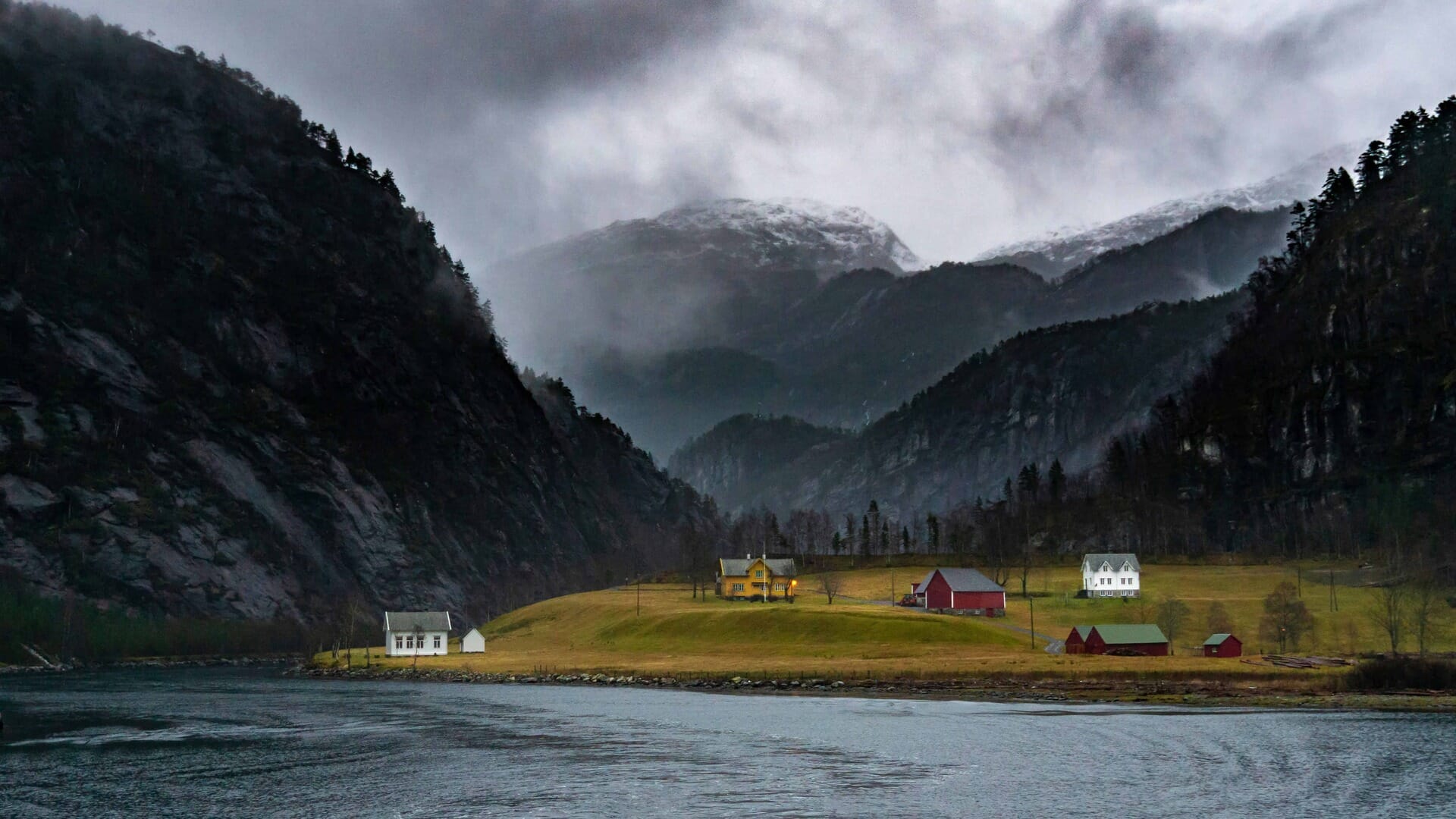
The Beauty of Norway’s Glacial Landscapes: A Journey Through Nature's Masterpieces
The Beauty of Norway’s Glacial Landscapes: A Journey Through Nature's Masterpieces
Norway, a land of breathtaking fjords, towering mountains, and serene lakes, is home to some of the most stunning glacial landscapes on the planet. From the majestic Jostedalsbreen, the largest glacier in mainland Europe, to the ethereal beauty of Svalbard’s ice fields, Norway’s glaciers offer a unique glimpse into the raw power of nature.
In this article, we will embark on an extensive journey through Norway’s glacial landscapes, exploring their beauty, significance, and the adventures that await those who seek to experience them firsthand.
Understanding Norway’s Glacial Landscapes
The Formation of Glaciers in Norway
Glaciers are massive, slow-moving rivers of ice formed from accumulated snow that compresses over time. In Norway, the unique topography and climate have created ideal conditions for glacier formation. The combination of heavy snowfall in winter and mild summers allows glaciers to thrive in the mountainous regions. Understanding how these natural wonders are formed is crucial to appreciating their beauty and significance.
The Role of Glaciers in Norway’s Ecosystem
Glaciers play a vital role in Norway’s ecosystem. They are not only a source of freshwater but also contribute to the unique landscapes that attract millions of visitors each year. As glaciers melt, they feed rivers and lakes, supporting a diverse range of flora and fauna. Additionally, glaciers influence local weather patterns and help regulate the climate in their regions.
Iconic Glaciers in Norway
Jostedalsbreen: The Crown Jewel of Norwegian Glaciers
Jostedalsbreen is the largest glacier in mainland Europe, covering an area of approximately 487 square kilometers. Located in Jostedalsbreen National Park, this colossal ice mass is a must-visit for anyone exploring Norway’s glacial landscapes. The glacier is accessible from several points, including the charming village of Fjærland, where visitors can embark on guided glacier hikes or take part in ice climbing adventures.
Hiking on Jostedalsbreen
Hiking on Jostedalsbreen is an unforgettable experience. As you traverse the glacier, you’ll encounter stunning ice formations, deep crevasses, and vibrant blue ice. Guided tours are available for all skill levels, ensuring that everyone can experience the beauty of this natural wonder. Don’t forget your camera, as the photo opportunities are endless!
Nigardsbreen: A Glacial Wonderland
Nigardsbreen, a branch of the Jostedalsbreen glacier, is another spectacular destination for those seeking to explore Norway’s glacial landscapes. The glacier is easily accessible from the village of Jostedal and offers a range of activities, including glacier hiking, kayaking, and boat tours.
Kayaking in the Glacial Waters
One of the most unique ways to experience Nigardsbreen is by kayaking in the turquoise waters of the glacier lake. Paddling among icebergs and enjoying the stunning views of the glacier is an experience like no other. Guided kayaking tours are available, providing a safe and enjoyable way to explore this breathtaking landscape.
Svalbard: The Arctic Glacial Paradise
Svalbard, an archipelago located halfway between Norway and the North Pole, is home to some of the most pristine glacial landscapes in the world. The region is characterized by its dramatic ice fields, towering glaciers, and unique wildlife. Svalbard is a haven for adventurers and nature enthusiasts alike, offering a range of activities such as snowmobiling, dog sledding, and glacier hiking.
Exploring the Ice Caves of Svalbard
One of the highlights of visiting Svalbard is exploring its stunning ice caves. These natural formations, created by the movement of glaciers, are filled with intricate ice sculptures and vibrant blue hues. Guided tours are available, allowing visitors to safely navigate these enchanting caves and learn about the geology of the region.
The Scenic Fjords of Norway
Geirangerfjord: A UNESCO World Heritage Site
Geirangerfjord, one of Norway’s most famous fjords, is a UNESCO World Heritage Site known for its stunning natural beauty. Surrounded by towering mountains and cascading waterfalls, the fjord is a perfect example of how glaciers have shaped the landscape over millennia. Visitors can explore the fjord by boat, kayak, or hike along the scenic trails that offer breathtaking views of the surrounding area.
The Seven Sisters Waterfall
One of the most iconic features of Geirangerfjord is the Seven Sisters Waterfall, a series of seven distinct streams that cascade down the mountainside. The sight of the waterfalls, combined with the lush greenery and dramatic cliffs, creates a mesmerizing scene that captures the essence of Norway’s glacial landscapes.
Nærøyfjord: A Narrow Slice of Paradise
Nærøyfjord, another UNESCO World Heritage Site, is known for its narrow, winding shape and towering cliffs. The fjord is surrounded by steep mountains and lush valleys, providing a dramatic backdrop for exploration. Visitors can take boat tours, hike the surrounding trails, or simply relax and take in the stunning views.
Hiking the Stigen Mountain Trail
For those seeking adventure, the Stigen Mountain Trail offers a challenging hike with breathtaking views of Nærøyfjord. The trail takes you high above the fjord, providing panoramic vistas that showcase the beauty of Norway’s glacial landscapes. The hike is demanding but rewarding, making it a favorite among outdoor enthusiasts.
The Cultural Significance of Norway’s Glaciers
The Historical Connection to Glaciers
Norway’s glaciers have played a significant role in shaping the country’s history and culture. For centuries, glaciers have been a source of inspiration for artists, writers, and musicians. The dramatic landscapes have influenced Norwegian folklore and mythology, with many legends centered around the mountains and glaciers.
Glaciers as a Source of Inspiration
The beauty of Norway’s glacial landscapes has inspired countless artists and photographers. From the iconic paintings of Edvard Munch to the stunning photographs of contemporary landscape photographers, the glaciers of Norway continue to captivate the imagination. Many artists have sought to capture the ethereal beauty of the ice, showcasing the interplay of light and shadow on the glacier’s surface.
Adventure Activities in Norway’s Glacial Regions
Glacier Hiking: A Unique Experience
Glacier hiking is one of the most popular activities for those visiting Norway’s glacial landscapes. Guided tours are available for all skill levels, allowing visitors to explore the stunning ice formations and learn about the geology of the region. Whether you’re a seasoned hiker or a beginner, there’s a glacier hiking experience for you.
Ice Climbing: Conquer the Ice
For the more adventurous, ice climbing offers an exhilarating way to experience Norway’s glaciers. With the guidance of experienced instructors, climbers can scale the frozen walls of glaciers and experience the thrill of conquering the ice. This activity is perfect for those seeking an adrenaline rush and a unique perspective on Norway’s glacial landscapes.
Snowmobiling: Speed Through the Snow
Snowmobiling is another exciting way to explore Norway’s glacial regions. Many tour operators offer guided snowmobiling tours, allowing visitors to traverse the stunning landscapes at high speeds. The thrill of racing across the snow-covered terrain, surrounded by breathtaking views, is an experience you won’t soon forget.
Photography Tips for Capturing Norway’s Glacial Beauty
The Best Time to Visit for Photography
The best time to visit Norway’s glacial landscapes for photography is during the summer months, when the weather is milder and the days are longer. However, winter also offers unique opportunities for capturing the beauty of the glaciers, with the snow creating a stunning contrast against the blue ice.
Essential Photography Gear
When photographing Norway’s glaciers, it’s essential to have the right gear. A DSLR or mirrorless camera with a wide-angle lens is ideal for capturing the vast landscapes. Additionally, a tripod is essential for long exposure shots, especially when photographing waterfalls or the northern lights.
Composition Techniques for Stunning Shots
To capture the beauty of Norway’s glacial landscapes, consider using leading lines to draw the viewer’s eye into the frame. Incorporating foreground elements, such as rocks or flowers, can add depth to your images. Experiment with different angles and perspectives to showcase the grandeur of the glaciers.
Sustainable Tourism in Norway’s Glacial Regions
The Importance of Responsible Travel
As more visitors flock to Norway’s glacial landscapes, the importance of sustainable tourism becomes increasingly evident. Responsible travel practices help protect the delicate ecosystems and preserve the natural beauty of the region for future generations.
Tips for Sustainable Travel in Norway
- Leave No Trace: Always pack out what you pack in, and avoid disturbing wildlife.
- Stay on Designated Trails: To protect fragile vegetation, stick to marked paths when hiking.
- Choose Eco-Friendly Accommodations: Opt for hotels and lodges that prioritize sustainability and environmental responsibility.
Conclusion: Embracing the Beauty of Norway’s Glacial Landscapes
Norway’s glacial landscapes are a testament to the power and beauty of nature. From the towering ice formations of Jostedalsbreen to the serene waters of Geirangerfjord, these natural wonders offer a unique glimpse into the world of glaciers. Whether you’re an adventure seeker, a nature lover, or a photography enthusiast, Norway’s glaciers have something to offer everyone. As you explore these breathtaking landscapes, remember to embrace the beauty of nature and practice responsible travel to ensure that these stunning sites remain preserved for generations to come.