
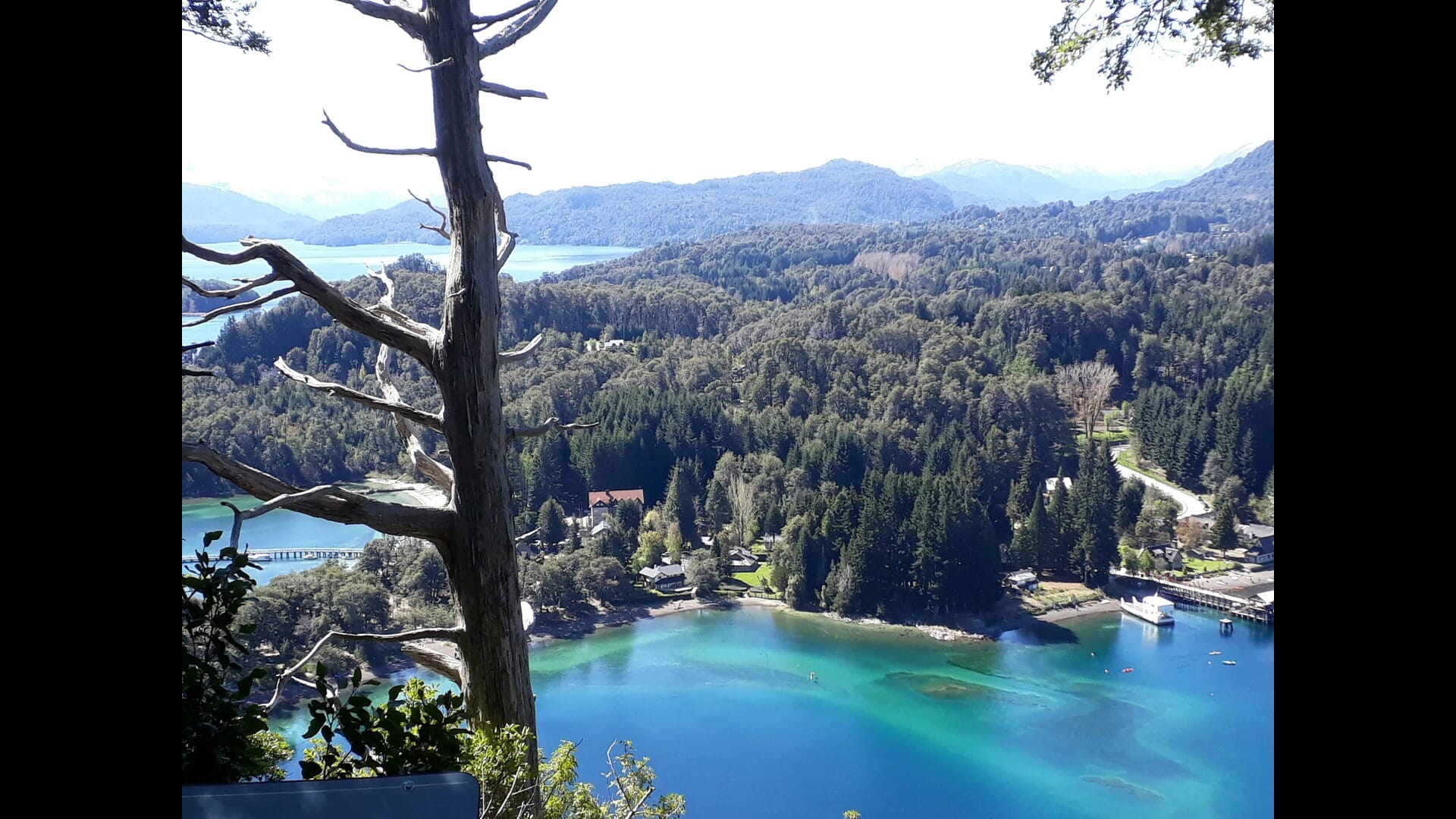
Exploring the Natural Reserves of Chaco: A Journey Through Biodiversity
Exploring the Natural Reserves of Chaco: A Journey Through Biodiversity
The Natural Reserves of Chaco, located in the heart of Argentina, are a treasure trove of biodiversity, rich ecosystems, and vibrant cultural heritage. This region, characterized by its unique landscapes and diverse wildlife, offers a plethora of experiences for nature lovers, adventurers, and those seeking to immerse themselves in the beauty of the natural world.
In this comprehensive guide, we will delve into the various aspects of visiting the Natural Reserves of Chaco, providing you with insights, tips, and detailed descriptions to make your journey unforgettable.
Understanding the Geography of Chaco
Chaco Province, situated in the northeastern part of Argentina, is bordered by Paraguay to the east and the provinces of Formosa and Salta to the north and west, respectively. The region is predominantly flat, with vast stretches of forests, wetlands, and grasslands. The Chaco region is known for its subtropical climate, which supports a rich variety of flora and fauna. The natural reserves within this province are crucial for conservation efforts and provide a sanctuary for numerous endangered species.
The Unique Ecosystems of Chaco
The Natural Reserves of Chaco encompass several distinct ecosystems, each with its own unique characteristics. These include:
- Forests: The dense forests of Chaco are home to a variety of tree species, including quebracho, lapacho, and cedar. These forests provide habitat for numerous bird species, mammals, and reptiles.
- Wetlands: The wetlands in Chaco are vital for maintaining the region's biodiversity. They serve as breeding grounds for fish and amphibians and are crucial for migratory birds.
- Grasslands: The expansive grasslands support a variety of herbivores and are essential for the region's agricultural activities.
The Importance of Conservation in Chaco
Conservation efforts in the Natural Reserves of Chaco are critical for protecting the unique biodiversity of the region. Many species found in Chaco are endemic and face threats from habitat destruction, climate change, and human activities. The reserves play a vital role in preserving these species and their habitats, ensuring that future generations can experience the beauty of Chaco.
Endangered Species of Chaco
Among the many species that call Chaco home, several are classified as endangered. Some of these include:
- Chacoan Peccary: A unique species of peccary that is found only in the Gran Chaco region. Conservation efforts are underway to protect this elusive animal.
- Jaguar: Once widespread in South America, the jaguar population has significantly declined due to habitat loss. The Natural Reserves of Chaco provide a crucial refuge for this majestic predator.
- Giant Anteater: Known for its long snout and unique feeding habits, the giant anteater is another species that faces threats in Chaco. Conservation programs aim to monitor and protect its habitat.
Planning Your Visit to the Natural Reserves of Chaco
When planning your trip to the Natural Reserves of Chaco, there are several factors to consider to ensure a smooth and enjoyable experience. Here are some essential tips:
Best Time to Visit Chaco
The ideal time to visit the Natural Reserves of Chaco is during the dry season, which typically runs from May to September. During this period, the weather is more favorable for outdoor activities, and wildlife is more easily spotted as animals congregate around water sources.
Getting to Chaco
Chaco Province is accessible by various means of transportation. The nearest major city is Resistencia, which is well-connected by road and air. From Resistencia, you can rent a car or join a guided tour to explore the natural reserves.
Accommodation Options in Chaco
There are several accommodation options available in and around the Natural Reserves of Chaco, ranging from eco-lodges to camping sites. Here are some popular choices:
- Eco-Lodges: For a more immersive experience, consider staying at eco-lodges that offer comfortable accommodations while minimizing environmental impact.
- Camping: For those seeking adventure, camping within the reserves allows you to connect with nature and experience the sounds of the wilderness at night.
Top Natural Reserves to Explore in Chaco
Chaco is home to several natural reserves, each offering unique experiences and opportunities for exploration. Here are some of the top reserves to include in your itinerary:
1. Parque Nacional Chaco
Parque Nacional Chaco is one of the most significant natural reserves in the region, covering over 1,000 square kilometers of pristine wilderness. The park is known for its diverse ecosystems, including forests, wetlands, and grasslands. Visitors can enjoy hiking trails, birdwatching, and guided tours to learn about the park's flora and fauna.
Hiking Trails in Parque Nacional Chaco
The hiking trails in Parque Nacional Chaco vary in difficulty and length, making them suitable for all skill levels. Some popular trails include:
- Sendero de los Peces: A moderate trail that takes you through wetlands and offers opportunities for birdwatching.
- Sendero de los Yacarés: A challenging trail that leads to a viewpoint overlooking the park's diverse landscapes.
2. Reserva Natural Otamendi
Reserva Natural Otamendi is a lesser-known gem located near the banks of the Paraná River. This reserve is characterized by its wetlands and is a haven for birdwatchers. With over 200 species of birds recorded, including herons, ibises, and ducks, Otamendi is a paradise for avian enthusiasts.
Birdwatching in Reserva Natural Otamendi
The best time for birdwatching in Otamendi is during the migratory season, which occurs from September to March. Guided birdwatching tours are available, providing expert insights into the various species and their behaviors.
3. Parque Provincial Los Chorrillos
Parque Provincial Los Chorrillos is known for its stunning landscapes, featuring rolling hills, rivers, and lush vegetation. The park offers a variety of outdoor activities, including hiking, fishing, and picnicking.
Outdoor Activities in Los Chorrillos
- Hiking: Explore the numerous trails that wind through the park, offering breathtaking views of the surrounding landscapes.
- Fishing: The rivers in Los Chorrillos are home to various fish species, making it a popular spot for anglers.
Cultural Heritage of Chaco
In addition to its natural beauty, Chaco is rich in cultural heritage. The region is home to several indigenous communities, each with its own unique traditions and customs. Engaging with these communities can provide valuable insights into the history and culture of the region.
Indigenous Communities in Chaco
The indigenous communities in Chaco, such as the Qom and Wichí, have lived in harmony with nature for centuries. Visitors can learn about their traditional practices, crafts, and ways of life through cultural tours and workshops.
Traditional Crafts and Art
Chaco is known for its vibrant handicrafts, including woven textiles, pottery, and wood carvings. Purchasing these items not only supports local artisans but also provides a unique souvenir to remember your trip.
Outdoor Activities and Adventures in Chaco
The Natural Reserves of Chaco offer a wide range of outdoor activities for adventure seekers. Whether you prefer hiking, birdwatching, or exploring the waterways, there is something for everyone.
Hiking and Nature Walks
Hiking is one of the best ways to explore the natural beauty of Chaco. With well-marked trails and diverse landscapes, you can immerse yourself in the region's flora and fauna.
Birdwatching Tours
For bird enthusiasts, guided birdwatching tours are a must. Experienced guides can help you spot elusive species and provide insights into their behaviors and habitats.
Canoeing and Kayaking
Exploring the waterways of Chaco by canoe or kayak is an exhilarating experience. Paddle through serene wetlands and observe the diverse wildlife that inhabits these areas.
Tips for Responsible Travel in Chaco
As a visitor to the Natural Reserves of Chaco, it is essential to practice responsible travel to protect the environment and support local communities. Here are some tips to keep in mind:
Leave No Trace
Always follow the Leave No Trace principles by packing out what you pack in, staying on designated trails, and minimizing your impact on the environment.
Support Local Communities
Engage with local communities by purchasing handmade crafts, participating in cultural tours, and respecting their traditions and customs.
Educate Yourself
Take the time to learn about the ecosystems, wildlife, and cultural heritage of Chaco. Understanding the region's importance will enhance your experience and foster a deeper appreciation for its beauty.
Conclusion: Embrace the Beauty of Chaco
Visiting the Natural Reserves of Chaco is an enriching experience that offers a unique blend of adventure, wildlife, and cultural heritage. From exploring diverse ecosystems to engaging with indigenous communities, there is no shortage of opportunities to connect with nature and learn about the region's rich history. As you plan your journey, remember to embrace the beauty of Chaco and leave a positive impact on this remarkable destination. Whether you are a seasoned traveler or a first-time visitor, the Natural Reserves of Chaco promise an unforgettable adventure that will stay with you long after you leave.