
Mexican Gold and Silver Craftsmanship: A Journey Through Jewelry
Mexican Gold and Silver Craftsmanship: A Journey Through Jewelry
Introduction to Mexican Jewelry Craftsmanship
Mexico is a land rich in culture, history, and artistry, and nowhere is this more evident than in its exquisite gold and silver craftsmanship. From ancient civilizations to modern artisans, the tradition of jewelry making in Mexico has evolved, yet it remains deeply rooted in the country’s rich heritage.
This article will take you on a journey through the intricate world of Mexican gold and silver craftsmanship, exploring its history, techniques, and the artisans who breathe life into these stunning pieces.
The Historical Roots of Mexican Jewelry Making
Ancient Civilizations and Their Influence on Jewelry
The history of Mexican jewelry craftsmanship dates back thousands of years, with the earliest evidence found in the artifacts of ancient civilizations such as the Olmecs, Mayans, and Aztecs. These cultures utilized gold and silver not just for adornment but also for religious and ceremonial purposes. The Olmecs, known for their colossal stone heads, were among the first to work with gold, creating intricate pieces that symbolized power and divinity.
The Mayans took jewelry to another level, incorporating jade, turquoise, and obsidian alongside gold and silver. Their craftsmanship was characterized by detailed carvings and the use of symbolism, often depicting gods and celestial bodies. The Aztecs, on the other hand, were renowned for their lavish use of gold, creating elaborate pieces that dazzled both their people and the Spanish conquistadors who arrived in the 16th century.
The Spanish Conquest and Its Impact on Jewelry Craftsmanship
The arrival of the Spanish in the 1500s marked a significant turning point in Mexican jewelry craftsmanship. The Spanish brought with them new techniques and styles, blending them with indigenous methods. This fusion resulted in a unique aesthetic that combined European elegance with native symbolism. Silver, in particular, became a prominent material due to the discovery of vast silver mines in places like Taxco, which is now considered the silver capital of Mexico.
The Art of Silver Craftsmanship in Mexico
Taxco: The Silver Capital of Mexico
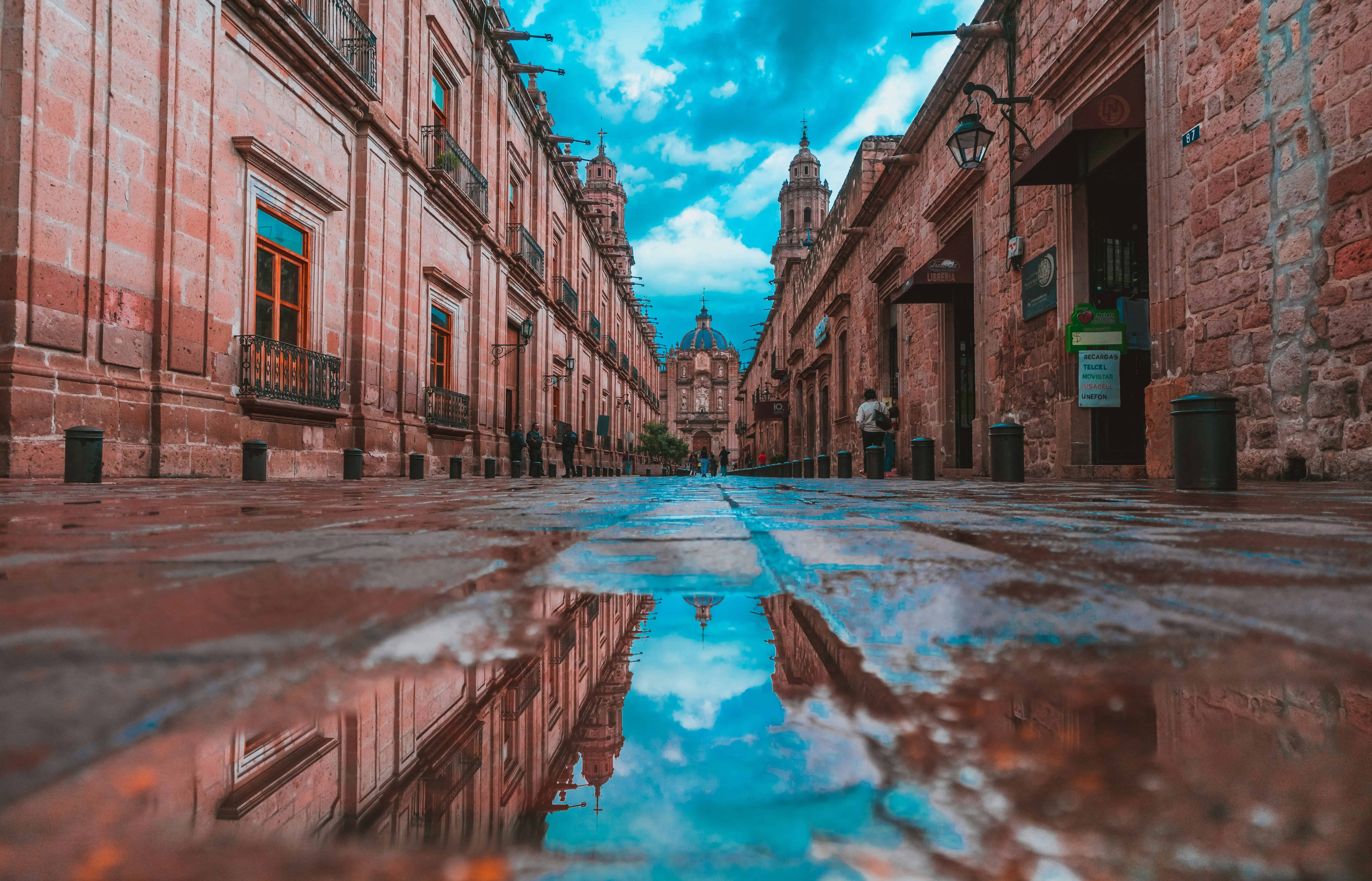
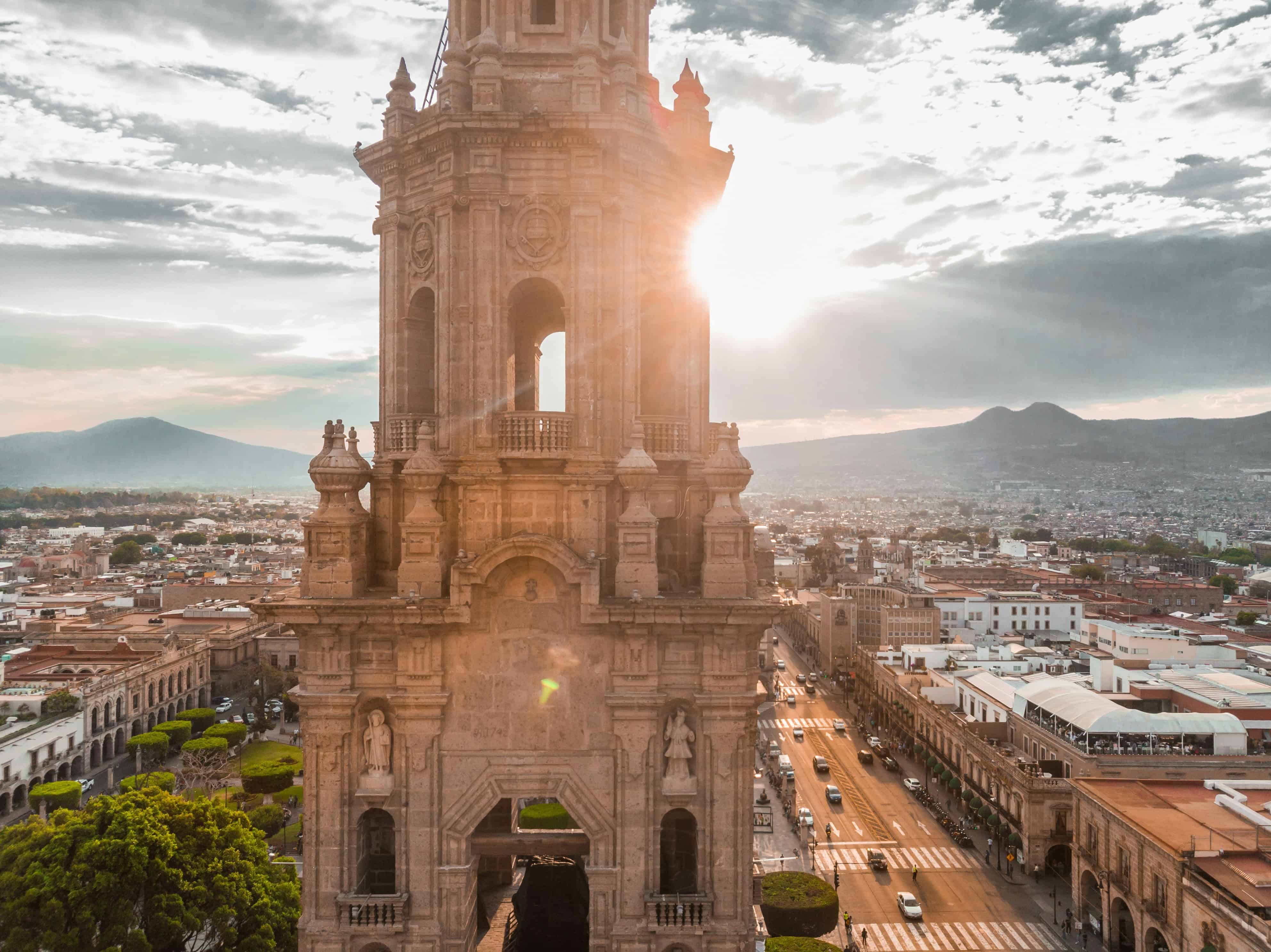
Taxco, a picturesque town nestled in the mountains of Guerrero, is synonymous with silver craftsmanship. Its cobblestone streets and colonial architecture provide a stunning backdrop for the vibrant silver market that thrives here. The town’s silver mining history dates back to the Spanish colonial period, and today, it is home to numerous artisans who continue the tradition of crafting exquisite silver jewelry.
Techniques Used in Silver Jewelry Making
Mexican artisans employ a variety of techniques in silver jewelry making, including:
- Filigree: This delicate technique involves twisting and soldering fine silver wires to create intricate designs. Filigree jewelry often features floral patterns and is a hallmark of Mexican craftsmanship.
- Repoussé: This method involves hammering silver from the reverse side to create a raised design on the front. It allows for the creation of stunning relief work that adds depth and texture to pieces.
- Chasing: Similar to repoussé, chasing involves creating designs by pushing the silver from the front side. This technique is often used to add intricate details to jewelry.
- Stone Setting: Many Mexican silver pieces incorporate gemstones, and artisans use various techniques to set these stones securely, enhancing the beauty of the jewelry.
The Role of Artisan Communities in Preserving Craftsmanship
Artisan communities in Mexico play a crucial role in preserving traditional silver craftsmanship. Many families have passed down their skills through generations, ensuring that the techniques and cultural significance of their work remain intact. Organizations and cooperatives have also emerged to support artisans, providing them with resources and platforms to showcase their work to a global audience.
The Allure of Gold Jewelry in Mexico
The Historical Significance of Gold in Mexican Culture
Gold has always held a significant place in Mexican culture, symbolizing wealth, power, and divinity. Ancient civilizations used gold to create ceremonial objects, masks, and jewelry that were often buried with their leaders. The Spanish conquest further fueled the allure of gold, leading to a gold rush that saw many artisans and miners seeking their fortunes.
Traditional Techniques in Gold Jewelry Craftsmanship
Mexican gold jewelry is characterized by its intricate designs and craftsmanship. Some traditional techniques include:
- Lost Wax Casting: This ancient method involves creating a wax model of the jewelry piece, which is then encased in a mold. Once the mold is heated, the wax melts away, leaving a cavity that is filled with molten gold.
- Granulation: This technique involves fusing tiny gold beads to a surface to create intricate patterns. Granulation adds texture and depth to gold jewelry, making it visually striking.
- Engraving: Artisans often engrave designs onto gold pieces, adding a personal touch and enhancing their beauty.
The Modern Evolution of Gold Jewelry in Mexico
In recent years, Mexican gold jewelry has evolved to incorporate contemporary designs while maintaining traditional craftsmanship. Many artisans are experimenting with new styles, blending modern aesthetics with age-old techniques. This fusion has resulted in a vibrant jewelry scene that appeals to both local and international markets.
The Cultural Significance of Mexican Jewelry
Jewelry as a Reflection of Identity
Jewelry in Mexico is not merely an accessory; it is a reflection of cultural identity and heritage. Many pieces are imbued with symbolism, representing everything from love and friendship to protection and spirituality. For instance, the use of specific gemstones is often linked to their believed healing properties, while certain designs may signify regional pride.
Celebrations and Festivals: The Role of Jewelry
Mexican culture is rich in celebrations and festivals, and jewelry plays a vital role in these events. During traditional ceremonies such as weddings, quinceañeras, and religious festivals, individuals often wear handcrafted jewelry that showcases their heritage. This practice not only honors tradition but also supports local artisans.
Exploring the Diverse Styles of Mexican Jewelry
Traditional vs. Contemporary Designs
Mexican jewelry encompasses a wide range of styles, from traditional pieces that reflect indigenous heritage to contemporary designs that push the boundaries of creativity. Traditional jewelry often features bold colors, intricate patterns, and symbolic motifs, while contemporary pieces may incorporate minimalist designs and modern materials.
Regional Variations in Jewelry Styles
Mexico is a diverse country, and this diversity is reflected in its jewelry styles. Each region boasts its own unique characteristics:
- Oaxaca: Known for its vibrant colors and use of natural materials, Oaxacan jewelry often features intricate beadwork and silver designs.
- Guadalajara: This region is famous for its gold jewelry, often adorned with gemstones and intricate engravings.
- Yucatán: Mayan influence is strong in Yucatán jewelry, with designs that incorporate traditional symbols and materials like jade.
The Journey of a Piece: From Artisan to Market
The Process of Creating Handmade Jewelry
Creating handmade jewelry is a labor-intensive process that requires skill, patience, and creativity. The journey of a piece often begins with the selection of materials, followed by design sketches and the crafting process. Artisans pour their heart and soul into each piece, ensuring that it reflects their unique style and cultural heritage.
Supporting Local Artisans and Fair Trade Practices
In recent years, there has been a growing awareness of the importance of supporting local artisans and fair trade practices. Many organizations are working to promote ethical sourcing and fair compensation for artisans, ensuring that they can continue to create beautiful jewelry while sustaining their livelihoods.
The Global Appeal of Mexican Gold and Silver Jewelry
International Recognition and Influence
Mexican gold and silver jewelry has gained international recognition for its quality and craftsmanship. Many designers and fashion houses have incorporated Mexican elements into their collections, showcasing the beauty of traditional techniques on global platforms. This exposure has not only elevated the status of Mexican artisans but has also sparked interest in the rich cultural heritage behind the jewelry.
The Role of Online Marketplaces in Promoting Mexican Jewelry
The rise of online marketplaces has provided artisans with a platform to reach a broader audience. Websites dedicated to handmade and artisan goods allow consumers to purchase unique pieces directly from the artisans, fostering a connection between the creator and the buyer. This trend has empowered many artisans to expand their businesses and share their craftsmanship with the world.
Conclusion: The Timeless Beauty of Mexican Jewelry
A Legacy of Craftsmanship and Culture
Mexican gold and silver craftsmanship is a testament to the country’s rich cultural heritage and artistic spirit. From ancient civilizations to modern artisans, the tradition of jewelry making continues to thrive, showcasing the beauty and intricacy of each piece. As you explore the world of Mexican jewelry, you not only discover stunning adornments but also the stories and traditions that make each piece unique.
Embracing the Art of Jewelry
Whether you are an avid collector or simply appreciate the beauty of handcrafted jewelry, embracing the art of Mexican gold and silver craftsmanship allows you to connect with a rich cultural legacy. Each piece tells a story, reflecting the artistry, history, and passion of the artisans who create them. So, embark on your journey through the world of Mexican jewelry and discover the timeless beauty that awaits.