
A Journey Through Malta's Maritime History: From Phoenicians to Pirates
A Journey Through Malta's Maritime History: From Phoenicians to Pirates
Malta, a small archipelago nestled in the heart of the Mediterranean, boasts a rich and vibrant maritime history that has shaped its culture, economy, and identity over millennia. From the seafaring Phoenicians who first settled on the islands to the notorious pirates who roamed the Mediterranean, Malta's waters have witnessed countless tales of adventure, trade, and conflict.
This article takes you on a captivating journey through Malta's maritime history, exploring its strategic significance, the various civilizations that have left their mark, and the enduring legacy of its seafaring past.
The Strategic Importance of Malta in the Mediterranean
Malta's Geographical Location and Its Impact on Maritime Trade
Malta's strategic location at the crossroads of Europe, North Africa, and the Middle East has made it a focal point for maritime trade for centuries. The islands are situated along the main shipping routes that connect the eastern and western Mediterranean, making them an ideal stopover for traders, sailors, and explorers. This geographical advantage has not only facilitated trade but has also attracted various civilizations seeking to control the lucrative sea routes.
The Role of Malta in Ancient Maritime Trade
The importance of Malta in ancient maritime trade cannot be overstated. The islands served as a vital hub for the exchange of goods, ideas, and cultures. The Phoenicians, known for their exceptional seafaring skills, were among the first to recognize Malta's potential as a trading post. They established settlements on the islands, using them as a base to expand their trade networks throughout the Mediterranean. The Phoenicians traded in various commodities, including textiles, glass, and precious metals, leaving a lasting impact on Malta's economy and culture.
The Phoenicians: Malta's First Seafarers
The Arrival of the Phoenicians in Malta
The Phoenicians arrived in Malta around 800 BC, establishing themselves as the first significant civilization on the islands. They brought with them advanced shipbuilding techniques and navigational skills that would lay the foundation for Malta's maritime legacy. The Phoenicians built large, sturdy vessels capable of traversing the open seas, enabling them to engage in long-distance trade and exploration.
Phoenician Settlements and Their Influence on Maltese Culture
The Phoenicians established several settlements on Malta, including the ancient city of Melita (modern-day Valletta). These settlements became centers of trade and commerce, attracting merchants from across the Mediterranean. The Phoenicians also introduced their language, religion, and customs to the islands, significantly influencing Maltese culture. The remnants of their presence can still be seen today in various archaeological sites, including the impressive temples of Hagar Qim and Mnajdra, which showcase their architectural prowess.
The Roman Era: Malta as a Key Maritime Outpost
Malta Under Roman Rule
In 218 BC, Malta fell under Roman control, becoming an essential part of the Roman Empire's maritime network. The Romans recognized the strategic importance of the islands and invested in their development, transforming Malta into a key maritime outpost. They built roads, ports, and infrastructure that facilitated trade and military operations throughout the Mediterranean.
The Influence of Roman Maritime Practices on Malta
The Romans introduced advanced maritime practices to Malta, including improved shipbuilding techniques and navigational tools. They established a thriving economy based on trade, agriculture, and fishing, further solidifying Malta's position as a crucial maritime hub. The Roman period also saw the construction of impressive structures, such as the Roman amphitheater in Mdina, which served as a testament to the island's prosperity.
The Rise of the Knights of St. John: Malta's Golden Age of Maritime Power
The Arrival of the Knights in 1530
In 1530, the Knights of St. John, a Catholic military order, arrived in Malta after being expelled from Rhodes. They recognized the strategic significance of the islands and set about fortifying them to protect against potential invasions. The Knights transformed Malta into a formidable maritime power, establishing a strong naval presence in the Mediterranean.
The Great Siege of 1565: A Turning Point in Malta's Maritime History
The Great Siege of 1565 marked a pivotal moment in Malta's maritime history. The Ottoman Empire launched a massive invasion to capture the islands, but the Knights, aided by local Maltese forces, mounted a fierce defense. The siege lasted for several months, culminating in a decisive victory for the Knights. This victory not only solidified Malta's status as a key maritime stronghold but also established the Knights as a dominant naval power in the Mediterranean.
The Age of Piracy: Malta as a Haven for Buccaneers
The Rise of Piracy in the Mediterranean
The 17th and 18th centuries saw the rise of piracy in the Mediterranean, with Malta becoming a notorious haven for buccaneers and privateers. The islands' strategic location and well-fortified ports made them an ideal base for pirates seeking to launch attacks on merchant vessels. The infamous pirate Jean Bart and other notorious figures frequented Malta, contributing to its reputation as a pirate stronghold.
The Impact of Piracy on Malta's Maritime Economy
While piracy brought chaos to the Mediterranean, it also had a significant impact on Malta's maritime economy. The influx of pirates and privateers led to increased trade and commerce, as merchants sought to protect their interests. The Knights of St. John, recognizing the potential for profit, often engaged in privateering themselves, targeting enemy ships and enriching their coffers. This complex relationship between piracy and trade shaped Malta's maritime landscape during this tumultuous period.
Malta's Maritime Heritage: Preserving the Legacy
The Importance of Maritime Museums and Historical Sites
Today, Malta's maritime heritage is preserved through various museums and historical sites that showcase its rich seafaring past. The National Maritime Museum in Vittoriosa offers visitors a glimpse into Malta's naval history, featuring exhibits on shipbuilding, navigation, and maritime trade. The museum is housed in a former naval bakery, providing a unique setting for exploring Malta's maritime legacy.
Exploring Malta's Coastal Heritage
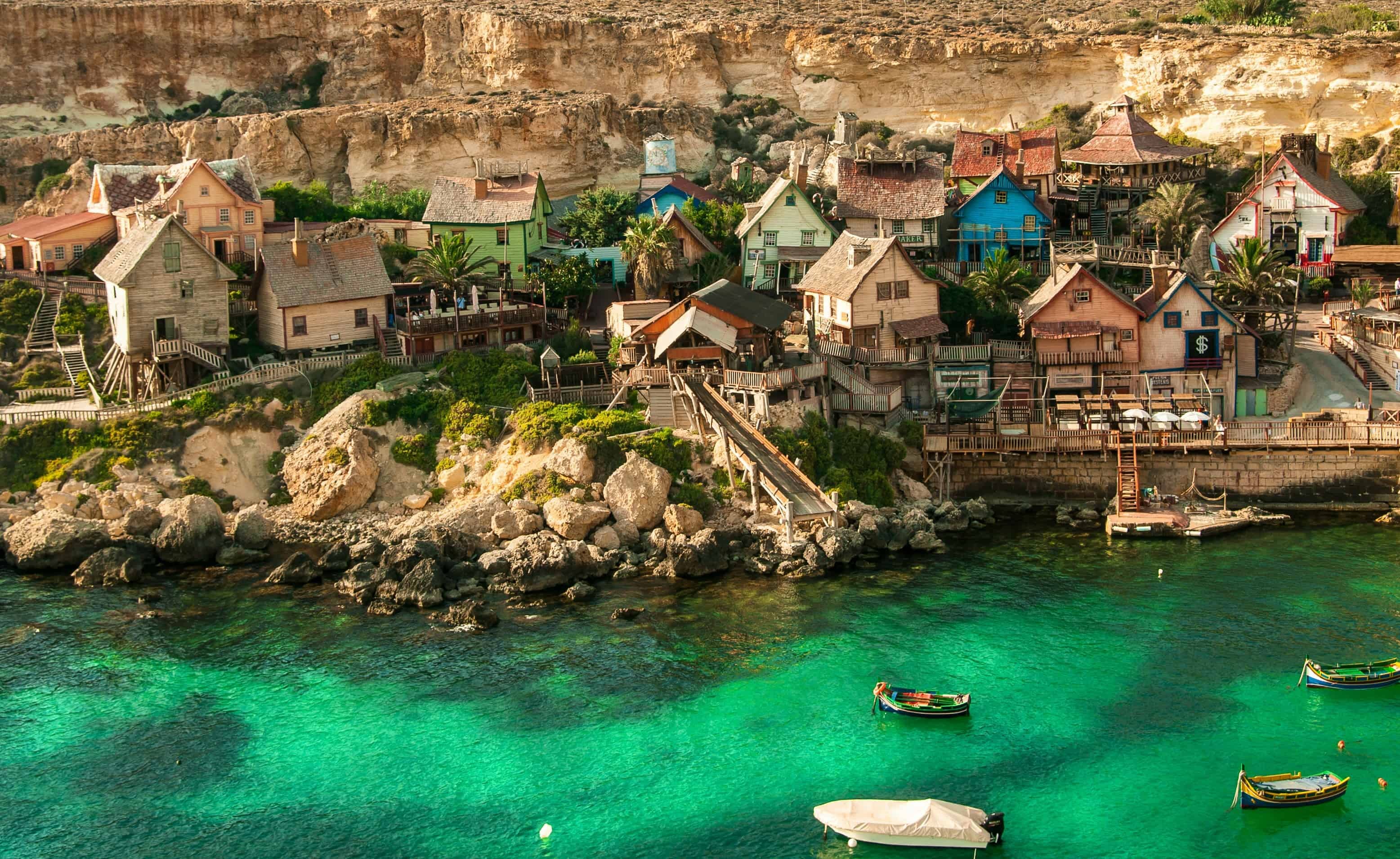
Malta's coastline is dotted with historical landmarks that tell the story of its maritime history. From the ancient watchtowers built by the Knights of St. John to the stunning harbors of Valletta and Senglea, each site offers a glimpse into the island's seafaring past. Visitors can explore the picturesque fishing villages of Marsaxlokk and Mgarr, where traditional fishing boats, known as luzzu, still ply the waters, preserving the island's maritime traditions.
The Modern Maritime Industry: Malta as a Maritime Hub
Malta's Role in Contemporary Maritime Trade
In recent years, Malta has emerged as a significant player in the contemporary maritime industry. The islands are home to a thriving shipping and logistics sector, with numerous companies offering services ranging from ship registration to maritime training. Malta's strategic location continues to attract shipping companies, making it a vital hub for maritime trade in the Mediterranean.
The Future of Malta's Maritime Industry
As Malta looks to the future, the maritime industry remains a key focus for economic growth and development. The government is investing in infrastructure improvements, including the expansion of ports and the development of maritime-related services. With a commitment to sustainability and innovation, Malta aims to position itself as a leader in the maritime sector, building on its rich maritime heritage while embracing new opportunities.
Conclusion: A Legacy of Seafaring Adventures
Malta's maritime history is a tapestry woven with tales of adventure, trade, and conflict. From the ancient Phoenicians to the Knights of St. John and the pirates of the Mediterranean, each chapter in Malta's seafaring past has left an indelible mark on the islands. Today, Malta stands as a testament to its rich maritime heritage, inviting visitors to explore its historical sites, museums, and coastal beauty. As we navigate the waters of Malta's maritime history, we uncover a legacy that continues to shape the islands and inspire future generations of seafarers.