
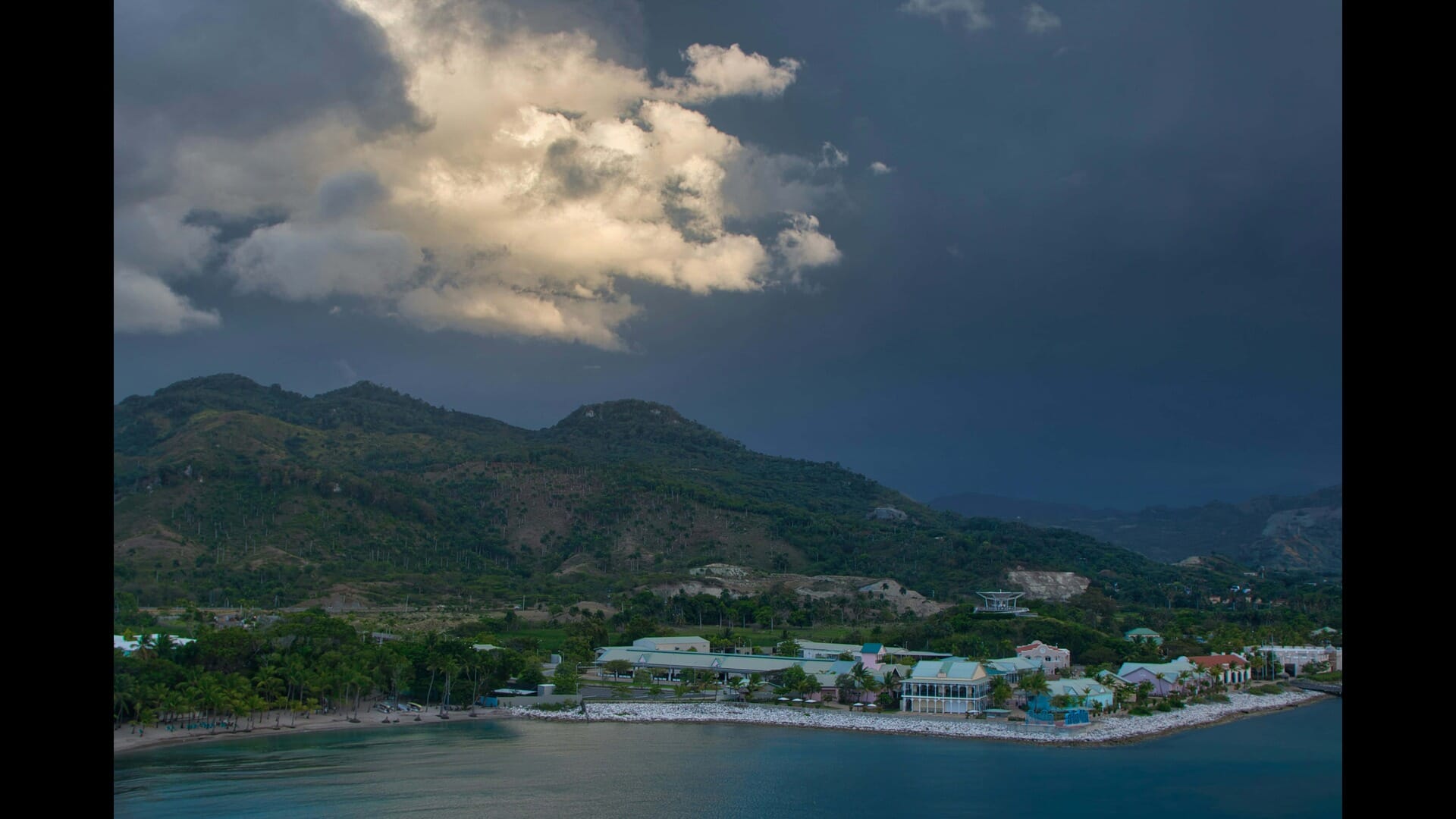
A Journey Through the Traditional Festivals of the Dominican Republic
A Journey Through the Traditional Festivals of the Dominican Republic
The Dominican Republic, a Caribbean gem known for its stunning beaches, lush mountains, and vibrant culture, is also home to a rich tapestry of traditional festivals that showcase its unique heritage. From lively carnivals to solemn religious observances, these festivals are a reflection of the Dominican people’s history, beliefs, and artistic expressions.
In this article, we will embark on a journey through the most captivating traditional festivals of the Dominican Republic, exploring their origins, significance, and the unforgettable experiences they offer.
Understanding the Cultural Significance of Dominican Festivals
Festivals in the Dominican Republic are not merely events; they are a celebration of life, community, and identity. They serve as a means of preserving cultural traditions and passing them down through generations. Each festival has its own unique story, often rooted in the country’s indigenous Taíno, African, and European influences. As we delve into the various festivals, we will uncover how they reflect the Dominican Republic’s diverse cultural landscape.
The Vibrant Carnival of the Dominican Republic: A Colorful Extravaganza
One of the most iconic celebrations in the Dominican Republic is the Carnival, which takes place every February. This month-long festival culminates in a grand parade on the last Sunday of the month, attracting locals and tourists alike. The Carnival is a riot of color, music, and dance, with participants donning elaborate costumes adorned with feathers, beads, and masks.
The Origins of Carnival in the Dominican Republic
The roots of Carnival can be traced back to the European tradition of celebrating the pre-Lenten season. However, the Dominican version has evolved to incorporate African and indigenous elements, resulting in a unique blend of cultures. The festival is a time for Dominicans to express their creativity and showcase their cultural pride.
Key Features of the Dominican Carnival
The Carnival is characterized by its lively parades, where groups known as “comparsas” perform choreographed dances to the rhythm of merengue and bachata music. Each comparsa represents a different theme, often drawing inspiration from folklore, history, or current events. The streets come alive with the sounds of drums, trumpets, and the infectious energy of the dancers.
Notable Carnival Celebrations Across the Country
While the Carnival in Santo Domingo is the most famous, other cities like La Vega, Santiago, and Puerto Plata also host their own vibrant celebrations. La Vega’s Carnival is particularly renowned for its elaborate costumes and the iconic “Diablo Cojuelo,” a character that embodies mischief and humor. Each city adds its own flavor to the festivities, making it a diverse experience for attendees.
Semana Santa: A Time for Reflection and Devotion
Semana Santa, or Holy Week, is one of the most important religious observances in the Dominican Republic. Taking place in the week leading up to Easter Sunday, this festival is marked by solemnity, reflection, and devotion.
The Spiritual Significance of Semana Santa
Semana Santa commemorates the passion, death, and resurrection of Jesus Christ. It is a time for Dominicans to engage in spiritual practices, attend church services, and participate in various religious rituals. The observance is deeply rooted in Catholic traditions, reflecting the country’s strong religious heritage.
Unique Traditions During Semana Santa
Throughout the week, various events take place, including processions, reenactments of the Passion of Christ, and the decoration of altars. Many families also prepare traditional dishes, such as “bacalao” (salted cod) and “habichuelas con dulce” (sweet beans), to share with loved ones. The atmosphere during Semana Santa is one of reverence and community, as families come together to honor their faith.
Festival de Merengue: Celebrating the National Dance
The Festival de Merengue is a vibrant celebration of the Dominican Republic’s national dance and music genre. Held annually in Santo Domingo, this festival attracts thousands of visitors who come to enjoy live performances, dance competitions, and cultural exhibitions.
The History of Merengue
Merengue has its roots in the Dominican Republic and is characterized by its lively rhythm and infectious beats. It is a fusion of African, European, and indigenous musical influences, making it a true representation of the country’s cultural heritage. The Festival de Merengue serves as a platform to showcase both traditional and contemporary interpretations of this beloved dance.
Highlights of the Festival de Merengue
During the festival, renowned artists and local musicians take to the stage to perform, while dance enthusiasts showcase their skills in various competitions. The streets of Santo Domingo come alive with the sounds of merengue, as people of all ages join in the festivities, dancing and celebrating their cultural identity.
La Fiesta de las Flores: A Celebration of Nature and Culture
La Fiesta de las Flores, or the Festival of Flowers, is a unique celebration held in the town of Jarabacoa, known for its stunning natural beauty. This festival takes place in August and highlights the region’s rich floral diversity and agricultural heritage.
The Importance of Flowers in Dominican Culture
Flowers hold a special place in Dominican culture, symbolizing beauty, love, and celebration. La Fiesta de las Flores showcases the country’s vibrant floral industry, with local farmers and artisans displaying their creations. The festival also emphasizes the importance of sustainable agriculture and environmental conservation.
Activities and Attractions at La Fiesta de las Flores
Visitors to La Fiesta de las Flores can enjoy flower exhibitions, workshops, and cultural performances. The festival features live music, traditional dances, and delicious local cuisine, creating a festive atmosphere that celebrates both nature and culture. It’s an excellent opportunity for visitors to immerse themselves in the local community and appreciate the beauty of the Dominican Republic.
Festival de la Cultura Dominicana: A Showcase of Arts and Heritage
The Festival de la Cultura Dominicana is a month-long celebration that takes place in October, dedicated to showcasing the rich cultural heritage of the Dominican Republic. This festival highlights various forms of artistic expression, including music, dance, theater, and visual arts.
The Significance of Cultural Festivals
Cultural festivals play a vital role in preserving and promoting the Dominican Republic’s artistic traditions. The Festival de la Cultura Dominicana provides a platform for local artists to share their work and connect with audiences. It fosters a sense of pride in the country’s cultural identity and encourages the appreciation of its diverse artistic expressions.
Key Events and Activities
Throughout the festival, visitors can attend art exhibitions, theatrical performances, and live music concerts. Workshops and seminars are also organized, allowing participants to learn about traditional crafts, music, and dance. The festival culminates in a grand parade, showcasing the vibrant colors and sounds of Dominican culture.
La Fiesta de San Juan: Celebrating the Patron Saint of Puerto Plata
La Fiesta de San Juan is a lively celebration held in Puerto Plata in June, honoring the city’s patron saint, San Juan Bautista. This festival is a blend of religious devotion and cultural festivities, attracting both locals and tourists.
The Historical Context of La Fiesta de San Juan
The origins of La Fiesta de San Juan can be traced back to the Spanish colonial period when the Catholic Church established the celebration to honor Saint John the Baptist. Over the years, the festival has evolved to incorporate local customs and traditions, making it a unique representation of Puerto Plata’s cultural identity.
Festivities and Traditions
During La Fiesta de San Juan, the streets of Puerto Plata come alive with music, dance, and colorful parades. Traditional foods, such as “sancocho” (a hearty meat stew) and “mangú” (mashed plantains), are served, creating a festive atmosphere. The highlight of the festival is the ceremonial blessing of the waters, where locals and visitors gather to participate in the ritual.
The Festival of the Virgin of Altagracia: A Spiritual Journey
The Festival of the Virgin of Altagracia is a significant religious celebration held in January, honoring the patroness of the Dominican Republic. This festival attracts thousands of pilgrims who come to pay homage to the Virgin Mary.
The Importance of the Virgin of Altagracia
The Virgin of Altagracia holds a special place in the hearts of Dominicans, symbolizing faith, hope, and protection. The festival is an opportunity for devotees to express their gratitude and seek blessings for themselves and their families.
Celebrations and Rituals
The festival is marked by a series of religious ceremonies, including processions, masses, and prayers. Many pilgrims travel long distances to reach the Basilica of Our Lady of Altagracia in Higüey, where the main celebrations take place. The atmosphere is one of reverence and devotion, as attendees come together to celebrate their faith.
The Festival of the Three Kings: A Magical Celebration for Children
The Festival of the Three Kings, celebrated on January 6th, is a beloved tradition in the Dominican Republic, particularly among children. This festival commemorates the visit of the Three Wise Men to the baby Jesus and is marked by gift-giving and festive activities.
The Significance of the Three Kings Festival
The Festival of the Three Kings is an important cultural event that emphasizes the values of generosity and community. It is a time for families to come together and celebrate the joy of giving and receiving.
Festivities and Activities
On the eve of the festival, children leave grass or hay under their beds for the camels of the Three Kings, along with a note asking for gifts. On the morning of January 6th, they wake up to find presents and treats. The day is filled with parades, music, and traditional foods, creating a joyful atmosphere for families and communities.
Conclusion: Embracing the Spirit of Dominican Festivals
The traditional festivals of the Dominican Republic are a vibrant reflection of the country’s rich cultural heritage. Each celebration offers a unique glimpse into the history, beliefs, and artistic expressions of the Dominican people. From the lively Carnival to the solemn Semana Santa, these festivals create unforgettable experiences that connect communities and foster a sense of identity.
As you plan your journey through the Dominican Republic, make sure to immerse yourself in these cultural celebrations. Whether you’re dancing to the rhythm of merengue, savoring traditional dishes, or participating in religious rituals, you’ll find that the spirit of Dominican festivals is a celebration of life, love, and community. So pack your bags, embrace the vibrant culture, and embark on an unforgettable adventure through the traditional festivals of the Dominican Republic!