
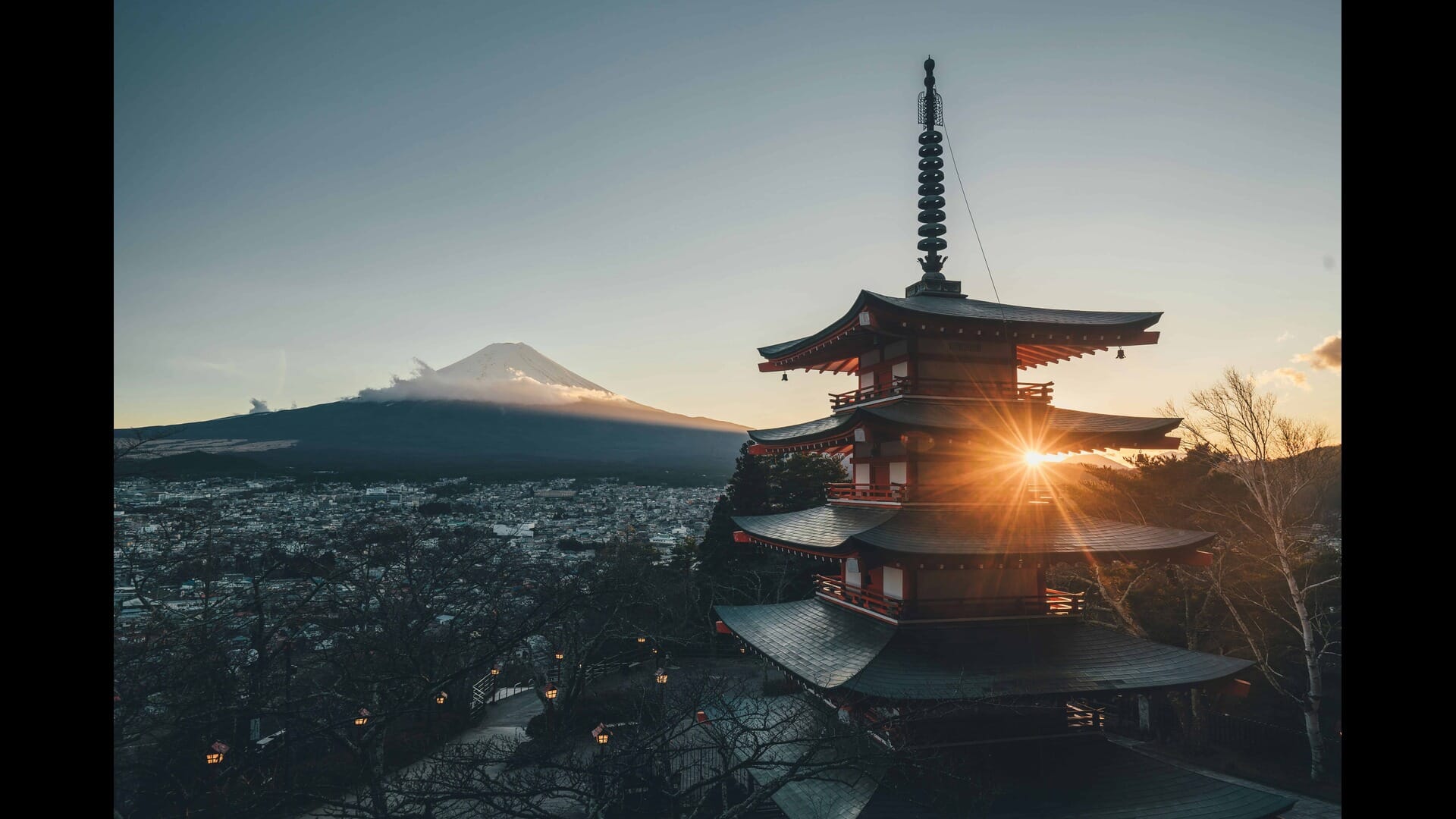
A Journey Through Japan's Spiritual Sites: Temples and Shrines
A Journey Through Japan's Spiritual Sites: Temples and Shrines
Japan, an archipelago steeped in history and spirituality, offers travelers a unique opportunity to explore its myriad temples and shrines. These sacred sites are not just architectural wonders; they are the heart and soul of Japanese culture, reflecting centuries of tradition, belief, and artistry.
In this extensive guide, we will embark on a journey through Japan's spiritual sites, delving into the significance of each temple and shrine, their historical context, and the experiences they offer to visitors.
The Significance of Temples and Shrines in Japanese Culture
Japan's spiritual landscape is predominantly shaped by Shinto and Buddhism, the two main religions that coexist harmoniously. Shinto, the indigenous faith of Japan, revolves around the worship of kami (spirits) and the veneration of nature. In contrast, Buddhism, which was introduced from China and Korea, emphasizes enlightenment and the path to Nirvana. Together, these belief systems have given rise to a plethora of temples and shrines that dot the Japanese countryside and urban landscapes.
Understanding Shinto Shrines
Shinto shrines, known as jinja, are places of worship dedicated to kami. They are often characterized by their distinctive torii gates, which mark the transition from the mundane to the sacred. Each shrine has its own unique rituals and festivals, reflecting the local community's traditions and beliefs.
The Essence of Buddhist Temples
Buddhist temples, or tera, serve as places for meditation, prayer, and community gatherings. They often feature intricate architecture, serene gardens, and statues of Buddha. Temples are places where individuals seek spiritual growth and enlightenment, making them essential to Japan's spiritual fabric.
Planning Your Spiritual Journey in Japan
When planning your journey through Japan's spiritual sites, consider the following tips:
- Research the Sites: Each temple and shrine has its own history and significance. Understanding these can enhance your experience.
- Respect Local Customs: Many sites have specific rituals and etiquette. Familiarize yourself with these to show respect.
- Timing Your Visit: Some shrines and temples are particularly beautiful during certain seasons, such as cherry blossom season or autumn foliage.
- Engage with Locals: Local guides can provide insights and stories that enrich your visit.
Kyoto: The Heart of Japan's Spiritual Heritage
Kyoto, once the imperial capital, is a treasure trove of temples and shrines. With over 1,600 Buddhist temples and 400 Shinto shrines, it is a must-visit destination for anyone interested in Japan's spiritual heritage.
Kinkaku-ji: The Golden Pavilion
Kinkaku-ji, or the Golden Pavilion, is one of Kyoto's most iconic temples. Covered in gold leaf, this stunning structure reflects beautifully in the surrounding pond, creating a picturesque scene. Originally built as a retirement villa for shogun Ashikaga Yoshimitsu in the 14th century, it was converted into a Zen temple after his death. Visitors can stroll through the meticulously landscaped gardens, which embody the principles of Zen philosophy.
Fushimi Inari Taisha: A Shrine of Thousand Torii Gates
Fushimi Inari Taisha is famous for its thousands of vermillion torii gates that wind up the sacred Mount Inari. This shrine is dedicated to Inari, the Shinto god of rice, and is a significant pilgrimage site. The hike to the summit takes about two hours, and along the way, visitors can enjoy breathtaking views of Kyoto and discover smaller shrines dedicated to Inari.
Kiyomizu-dera: A Temple with a View
Kiyomizu-dera, or the Pure Water Temple, is renowned for its wooden stage that juts out over the hillside, offering stunning views of cherry and maple trees below. Founded in 778, this temple is dedicated to Kannon, the goddess of mercy. The temple's name comes from the Otowa Waterfall, where visitors can drink from the streams for health, longevity, and success in love.
Nara: The First Capital of Japan
Nara, Japan's first permanent capital, is home to some of the oldest and most significant temples and shrines in the country. The city's rich history is reflected in its UNESCO World Heritage Sites.
Todai-ji: The Great Eastern Temple
Todai-ji is one of Japan's most famous temples, housing a colossal bronze statue of Buddha known as the Great Buddha (Daibutsu). Completed in the 8th century, this temple is a masterpiece of ancient architecture and a symbol of Nara's historical significance. The temple complex is surrounded by Nara Park, where friendly deer roam freely, adding to the serene atmosphere.
Kasuga-taisha: A Shrine of Lanterns
Kasuga-taisha, a Shinto shrine, is famous for its hundreds of bronze and stone lanterns that line the paths leading to the shrine. Established in 768, it is dedicated to the deity responsible for the protection of the Nara region. The shrine is particularly enchanting during the Lantern Festivals, when the lanterns are lit, creating a magical ambiance.
Tokyo: A Blend of Tradition and Modernity
Tokyo, Japan's bustling capital, is a city where ancient traditions coexist with modern life. Amidst the skyscrapers and neon lights, you can find tranquil temples and shrines that offer a respite from the urban chaos.
Senso-ji: Tokyo's Oldest Temple
Senso-ji, located in Asakusa, is Tokyo's oldest and most famous temple. Founded in 628, this Buddhist temple is dedicated to Kannon, the goddess of mercy. The approach to the temple is lined with shops selling traditional snacks and souvenirs, creating a vibrant atmosphere. The main hall, with its stunning architecture, is a must-see, and visitors can participate in traditional rituals, such as drawing omikuji (fortune slips).
Meiji Shrine: A Peaceful Retreat
Meiji Shrine, dedicated to Emperor Meiji and Empress Shoken, is a serene oasis in the heart of Tokyo. Surrounded by a lush forest, the shrine offers a peaceful escape from the city's hustle and bustle. Visitors can participate in traditional Shinto rituals, such as writing wishes on wooden plaques (ema) and observing weddings that often take place in the shrine grounds.
The Spiritual Journey to Mount Koya
Mount Koya, or Koyasan, is the center of Shingon Buddhism and a UNESCO World Heritage Site. This sacred mountain is home to over 100 temples, many of which offer lodging for visitors seeking a spiritual retreat.
Okunoin: The Sacred Cemetery
Okunoin is the most sacred site on Mount Koya, housing the mausoleum of Kobo Daishi, the founder of Shingon Buddhism. The path leading to the mausoleum is lined with thousands of tombstones, creating a solemn and mystical atmosphere. Visitors can participate in a meditation session or an overnight stay at a temple, experiencing the monastic lifestyle and the tranquility of the mountain.
Kongobu-ji: The Head Temple of Shingon Buddhism
Kongobu-ji, the head temple of Shingon Buddhism, features stunning rock gardens and intricate sliding doors adorned with beautiful paintings. The temple serves as a center for Shingon teachings and offers visitors a glimpse into the spiritual practices of this unique sect of Buddhism.
Exploring the Spirituality of Okinawa
Okinawa, known for its beautiful beaches and unique culture, also has a rich spiritual heritage. The islands are home to several important shrines and temples that reflect the indigenous beliefs of the Okinawan people.
Shurijo Castle: A Symbol of Ryukyu Culture
Shurijo Castle, a UNESCO World Heritage Site, was the palace of the Ryukyu Kingdom. While not a temple or shrine in the traditional sense, it holds significant cultural and spiritual importance. The castle's architecture and gardens reflect the unique blend of Chinese and Japanese influences, and it serves as a reminder of Okinawa's rich history.
Sefa Utaki: A Sacred Site
Sefa Utaki is a sacred site for the indigenous Okinawan religion, known as Uchinanchu. This spiritual site is believed to be the birthplace of the Ryukyu Kingdom's spiritual practices. Visitors can explore the lush forest and sacred stones while learning about the unique beliefs and rituals of the Okinawan people.
The Pilgrimage Routes of Japan
Japan is home to several pilgrimage routes that connect various spiritual sites, allowing travelers to experience the country's spirituality on a deeper level.
Kumano Kodo: A UNESCO World Heritage Pilgrimage
The Kumano Kodo is a network of ancient pilgrimage routes that lead to the Kumano Sanzan, three sacred shrines in the Kii Peninsula. This pilgrimage offers stunning natural scenery, historical sites, and a chance to connect with the spiritual essence of Japan. Hikers can choose from various trails, each offering unique experiences and breathtaking views.
Shikoku Pilgrimage: A Journey of Enlightenment
The Shikoku Pilgrimage is a famous pilgrimage route that takes travelers to 88 temples associated with the Buddhist monk Kobo Daishi. This journey, which spans approximately 1,200 kilometers, can be completed on foot or by public transport. Pilgrims often wear white clothing and carry a walking stick, embodying the spirit of the journey. The pilgrimage is not just a physical challenge but a spiritual quest for enlightenment and self-discovery.
Participating in Traditional Festivals at Temples and Shrines
Japan's temples and shrines are often the focal points of traditional festivals, or matsuri, which celebrate seasonal changes, harvests, and religious beliefs. Participating in these festivals offers a unique insight into Japanese culture and spirituality.
Gion Matsuri: A Celebration in Kyoto
Gion Matsuri, held in July, is one of Japan's most famous festivals, celebrated at Yasaka Shrine in Kyoto. The festival features elaborate floats, traditional music, and vibrant processions. Visitors can witness the beauty of traditional Japanese culture while enjoying local delicacies and participating in various festivities.
Aoi Matsuri: A Historic Procession
Aoi Matsuri, held in May, is one of Kyoto's oldest festivals, celebrated at the Kamo Shrines. The festival features a grand procession of participants dressed in Heian-period clothing, showcasing the rich history and traditions of Japan. The event is a visual feast, with beautiful costumes and traditional rituals that transport visitors back in time.
Conclusion: The Spiritual Essence of Japan
Embarking on a journey through Japan's spiritual sites offers travelers a unique opportunity to connect with the country's rich cultural heritage. From the serene temples of Kyoto to the sacred mountains of Koya, each site tells a story of faith, tradition, and artistry. Whether you seek enlightenment, tranquility, or a deeper understanding of Japanese spirituality, these temples and shrines provide a transformative experience that lingers long after your visit. As you explore these sacred spaces, take a moment to reflect, meditate, and appreciate the beauty of Japan's spiritual landscape, allowing it to inspire your own journey of self-discovery and connection to the divine.