
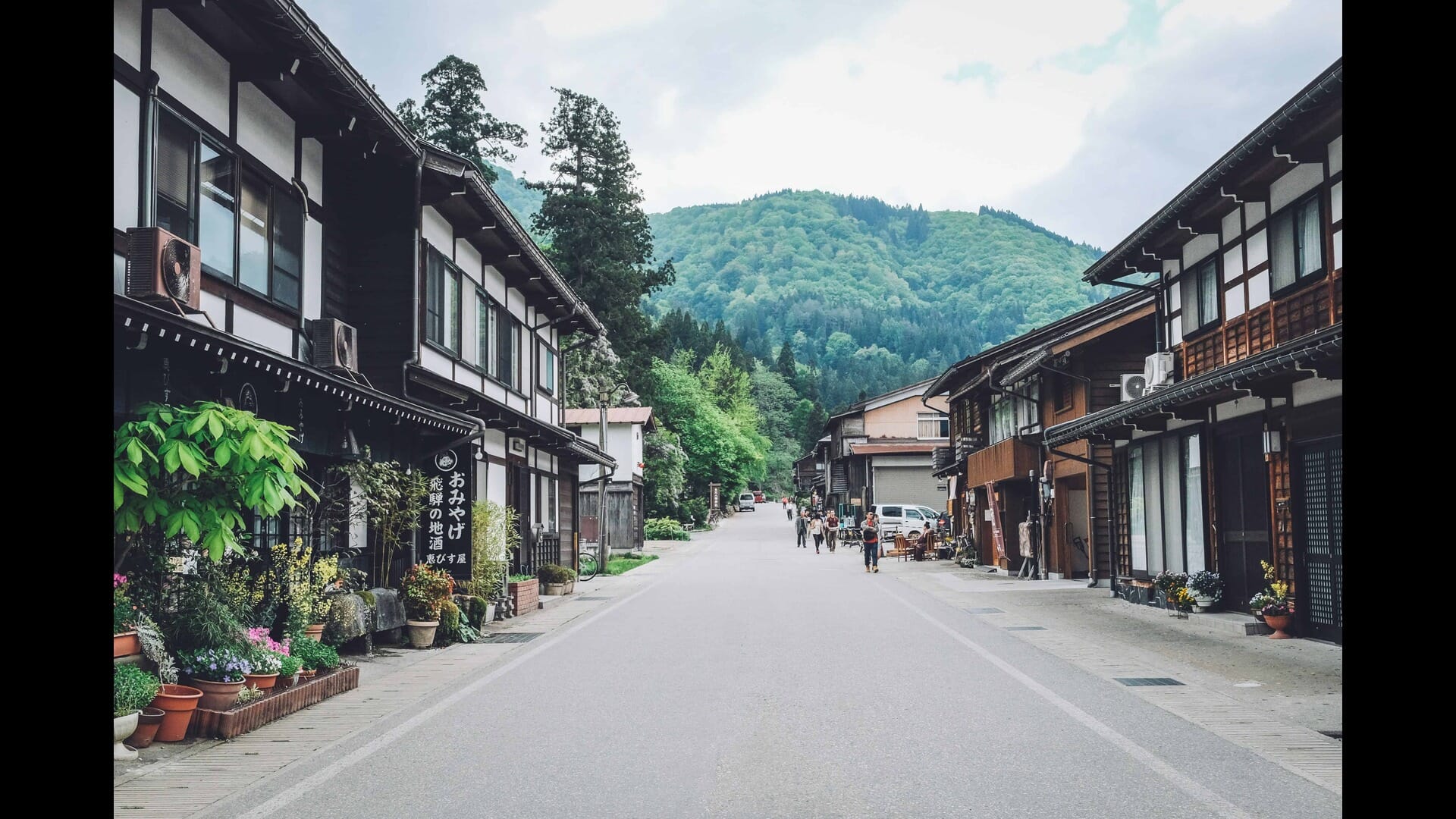
A Journey Through Japan's History: Museums and Monuments
A Journey Through Japan's History: Museums and Monuments
Japan, an archipelago steeped in rich history and culture, offers travelers an unparalleled opportunity to explore its past through a myriad of museums and monuments. From ancient artifacts to modern exhibitions, Japan's historical narrative is preserved and presented in ways that captivate the imagination and educate the mind.
In this extensive guide, we will embark on a journey through Japan's history, highlighting the most significant museums and monuments that tell the story of this fascinating nation.
The Importance of Museums and Monuments in Japan’s Cultural Heritage
Japan's museums and monuments serve as custodians of the nation's cultural heritage. They not only preserve artifacts and artworks but also provide insights into the social, political, and economic contexts of different eras. These institutions are crucial for understanding how Japan has evolved over centuries, from its ancient beginnings to its contemporary society.
The Role of Museums in Preserving History
Museums in Japan play a vital role in safeguarding the country's historical narrative. They house collections that span various periods, including prehistoric times, the feudal era, and the Meiji Restoration. Each museum offers a unique perspective on Japan's past, showcasing everything from samurai armor to traditional pottery.
Monuments as Symbols of National Identity
Monuments, on the other hand, serve as physical reminders of significant events and figures in Japanese history. They are often associated with pivotal moments that shaped the nation, such as the Meiji Restoration or World War II. Visiting these sites allows travelers to connect with Japan's history on a deeper level, fostering a sense of national pride and identity.
Exploring Tokyo: The Heart of Japan’s Historical Narrative
Tokyo, the bustling capital of Japan, is home to numerous museums and monuments that reflect the city’s rich history. From ancient temples to modern art galleries, Tokyo offers a diverse range of cultural experiences.
The Tokyo National Museum: A Treasure Trove of Japanese Art
Located in Ueno Park, the Tokyo National Museum is Japan's oldest and largest museum, established in 1872. The museum houses an extensive collection of over 110,000 artifacts, including samurai swords, ancient pottery, and traditional textiles. The museum's galleries are divided into several sections, each focusing on different aspects of Japanese art and history.
Highlights of the Tokyo National Museum
- The Honkan (Japanese Gallery): This gallery showcases the evolution of Japanese art from ancient times to the present day. Visitors can admire exquisite pieces such as the Shosoin treasures, which date back to the 8th century.
- The Toyokan (Asian Gallery): This section features art and artifacts from various Asian cultures, providing a broader context for Japan's place in the region.
- Special Exhibitions: The museum frequently hosts temporary exhibitions that highlight specific themes or artists, offering fresh perspectives on Japan's artistic heritage.
The Imperial Palace: A Living Monument to Japan’s History
The Imperial Palace, located in the heart of Tokyo, is a symbol of Japan's imperial history. Originally built in the 15th century, the palace has undergone numerous renovations and reconstructions over the years. Today, it serves as the primary residence of the Emperor of Japan.
Exploring the Imperial Palace Grounds
Visitors can explore the beautiful gardens surrounding the palace, which are meticulously maintained and reflect traditional Japanese landscaping. While the inner grounds are not open to the public, guided tours are available, providing insights into the palace's history and significance.
Kyoto: The Cultural Capital of Japan
Kyoto, once the capital of Japan, is renowned for its well-preserved historical sites and traditional culture. The city is a UNESCO World Heritage Site, boasting numerous temples, shrines, and museums that showcase Japan's rich history.
The Kyoto National Museum: A Journey Through Time
The Kyoto National Museum is dedicated to the art and cultural heritage of Kyoto and the surrounding regions. Established in 1897, the museum features a diverse collection of artifacts, including textiles, ceramics, and religious art.
Key Exhibits at the Kyoto National Museum
- The Gallery of Kyoto: This section focuses on the history of Kyoto, showcasing artifacts from various periods, including the Heian and Edo periods.
- Special Exhibitions: The museum regularly hosts exhibitions that highlight specific themes, such as traditional crafts or the influence of Buddhism on Japanese art.
Kinkaku-ji: The Golden Pavilion
Kinkaku-ji, also known as the Golden Pavilion, is one of Kyoto's most iconic landmarks. Originally built in the 14th century as a retirement villa for shogun Ashikaga Yoshimitsu, the pavilion is covered in gold leaf and surrounded by beautiful gardens and a tranquil pond.
The Significance of Kinkaku-ji
Kinkaku-ji represents the zenith of Japanese architecture and garden design. It is a symbol of the Muromachi period's cultural achievements and serves as a reminder of the interplay between nature and human creativity.
Hiroshima: A City Reborn from the Ashes
Hiroshima, a city forever marked by the events of World War II, offers a poignant exploration of peace and resilience. The Hiroshima Peace Memorial Park and Museum serve as powerful reminders of the past while promoting a message of hope for the future.
The Hiroshima Peace Memorial Museum: A Testament to Resilience
The Hiroshima Peace Memorial Museum was established to educate visitors about the atomic bombing of Hiroshima on August 6, 1945. The museum features a range of exhibits, including photographs, personal belongings of victims, and detailed accounts of the events leading up to and following the bombing.
Key Features of the Museum
- The A-Bomb Dome: This iconic structure, which survived the blast, has been preserved as a symbol of the city's resilience and a reminder of the horrors of war.
- Survivor Stories: The museum shares the personal stories of hibakusha (atomic bomb survivors), providing a human perspective on the tragedy.
Hiroshima Peace Memorial Park: A Space for Reflection
Adjacent to the museum, the Hiroshima Peace Memorial Park is a tranquil space dedicated to the memory of the victims of the atomic bombing. The park features several monuments, including the Cenotaph for the A-Bomb Victims and the Flame of Peace, which will remain lit until nuclear weapons are abolished.
Nara: The Birthplace of Japanese Civilization
Nara, Japan's first capital, is home to some of the country's oldest temples and shrines, making it a vital stop for anyone interested in Japan's history. The city is a UNESCO World Heritage Site, showcasing the roots of Japanese civilization.
Todai-ji Temple: A Marvel of Ancient Architecture
Todai-ji Temple, a UNESCO World Heritage Site, is one of Japan's most significant temples. Built in the 8th century, it houses the Great Buddha (Daibutsu), a colossal bronze statue that stands at 15 meters tall.
The Significance of Todai-ji
Todai-ji is not only an architectural marvel but also a symbol of the power and influence of Buddhism in Japan. The temple complex includes several other important structures, such as the Nandaimon Gate and the Daibutsuden (Great Buddha Hall).
Nara Park: A Living Historical Landscape
Nara Park, home to over a thousand free-roaming deer, is a beautiful area that encompasses several historical sites, including Todai-ji and Kasuga-taisha Shrine. The park offers a serene environment for visitors to explore Japan's history while enjoying the natural beauty of the surroundings.
Okinawa: A Unique Cultural Heritage
Okinawa, located in the southernmost part of Japan, boasts a distinct cultural heritage influenced by its history as the Ryukyu Kingdom. The island's museums and monuments reflect its unique identity and historical significance.
Shurijo Castle: A Symbol of the Ryukyu Kingdom
Shurijo Castle, a UNESCO World Heritage Site, was the royal palace of the Ryukyu Kingdom. The castle's distinctive architecture and vibrant colors reflect the unique culture of Okinawa.
The History of Shurijo Castle
Originally built in the 14th century, Shurijo Castle served as the political and cultural center of the Ryukyu Kingdom until its annexation by Japan in the late 19th century. The castle was destroyed during World War II but has since been reconstructed, allowing visitors to explore its rich history.
Okinawa Prefectural Museum: Understanding Okinawa’s Unique Culture
The Okinawa Prefectural Museum offers insights into the island's history, culture, and natural environment. The museum features exhibits on the Ryukyu Kingdom, traditional crafts, and the impact of World War II on Okinawa.
The Legacy of Samurai and Feudal Japan
Japan's samurai culture and feudal history play a significant role in shaping the nation's identity. Various museums and monuments across the country celebrate this legacy, offering visitors a glimpse into the lives of these legendary warriors.
The Samurai and Ninja Museum with Experience: A Unique Interactive Experience
Located in Kyoto, the Samurai and Ninja Museum offers an interactive experience that allows visitors to learn about the lives of samurai and ninja. The museum features exhibits on samurai armor, weapons, and traditional martial arts.
Highlights of the Museum
- Armor and Weapon Displays: Visitors can see authentic samurai armor and weapons, gaining insights into the craftsmanship and design of these historical artifacts.
- Ninja Demonstrations: The museum hosts live demonstrations of ninja techniques, providing a thrilling glimpse into the world of these covert warriors.
Matsumoto Castle: A Well-Preserved Feudal Fortress
Matsumoto Castle, also known as the Crow Castle due to its black exterior, is one of Japan's most beautiful and well-preserved castles. Built in the 16th century, it offers a fascinating look into Japan's feudal past.
The Significance of Matsumoto Castle
Matsumoto Castle is a designated National Treasure and is renowned for its stunning architecture and picturesque setting against the backdrop of the Japanese Alps. Visitors can explore the castle's interior, which features original wooden beams and historical artifacts.
Conclusion: Embracing Japan's Rich Historical Tapestry
Japan's history is a rich tapestry woven from countless threads, each representing a unique story, culture, and experience. By visiting the country's museums and monuments, travelers can gain a deeper understanding of Japan's past and its journey to the present. From the bustling streets of Tokyo to the serene temples of Kyoto, each destination offers a glimpse into the heart of Japan's historical narrative.
As you embark on your journey through Japan's history, take the time to appreciate the beauty and significance of the museums and monuments that preserve the nation's cultural heritage. Whether you are an avid history buff or a casual traveler, Japan's historical sites promise to leave a lasting impression and inspire a greater appreciation for this remarkable country.