
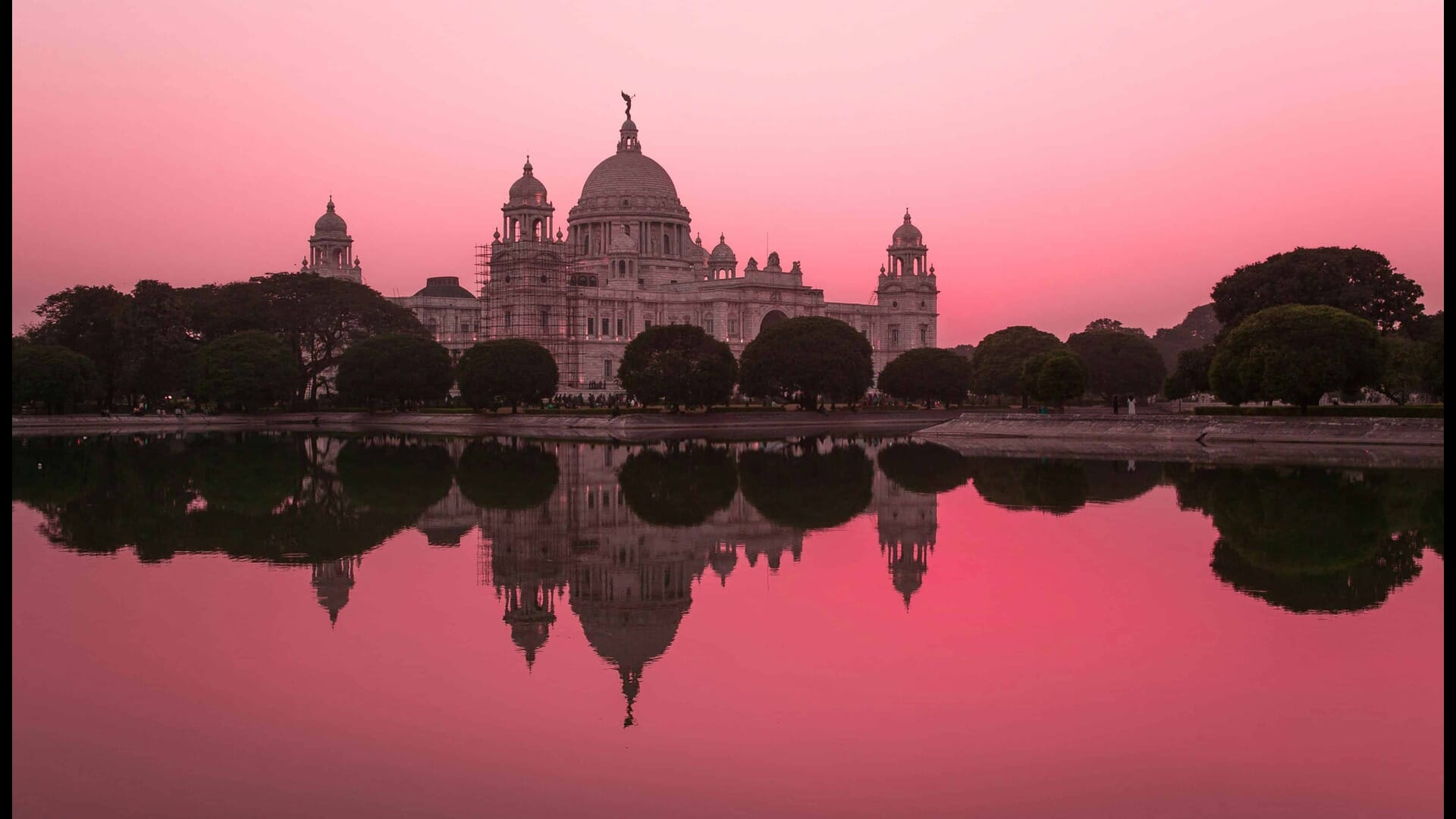
A Journey Through India’s Rich History: From Ancient to Modern
A Journey Through India’s Rich History: From Ancient to Modern
India, a land of diverse cultures, languages, and traditions, is a treasure trove of history that spans thousands of years. From the ancient Indus Valley Civilization to the modern democratic republic, the journey through India's rich history is a captivating exploration of human achievement, resilience, and cultural evolution.
This article will take you on a detailed journey through India's historical timeline, highlighting significant events, influential figures, and remarkable sites that have shaped the nation.
The Indus Valley Civilization: Cradle of Urbanization in Ancient India
The story of India’s history begins with the Indus Valley Civilization, one of the world's earliest urban cultures, flourishing around 2500 BCE. This ancient civilization was characterized by its advanced urban planning, sophisticated drainage systems, and impressive architecture. Cities like Harappa and Mohenjo-Daro were marvels of engineering, featuring well-planned streets and public baths.
The people of the Indus Valley were skilled artisans, traders, and farmers, engaging in commerce with distant regions, including Mesopotamia. The discovery of seals with intricate carvings suggests a complex system of writing, although it remains undeciphered. The decline of this civilization around 1900 BCE remains a subject of debate among historians, with theories ranging from climate change to invasions.
The Vedic Period: The Birth of Hinduism and Cultural Foundations
Following the decline of the Indus Valley Civilization, the Vedic Period emerged around 1500 BCE, marked by the arrival of the Indo-Aryans. This era laid the foundations of Hinduism, with the composition of the Vedas, the oldest sacred texts of Hindu philosophy. The Vedic society was predominantly pastoral, gradually evolving into a more agrarian culture.
The caste system began to take shape during this period, influencing social structures for centuries to come. The philosophical and spiritual ideas that emerged during the Vedic Period continue to resonate in contemporary Indian culture, making it a pivotal chapter in India's historical narrative.
The Maurya Empire: Unification and the Spread of Buddhism
The Maurya Empire, established in 322 BCE by Chandragupta Maurya, marked a significant turning point in Indian history. Under the reign of Ashoka the Great, the empire reached its zenith, encompassing a vast territory. Ashoka’s conversion to Buddhism after the Kalinga War led to the promotion of non-violence and compassion, leaving a lasting impact on Indian society.
The edicts of Ashoka, inscribed on pillars and rocks, spread messages of peace and ethical governance. The Maurya Empire also facilitated trade and cultural exchange, connecting India with other civilizations. The legacy of this empire is evident in the spread of Buddhism across Asia, influencing cultures far beyond India’s borders.
The Gupta Empire: The Golden Age of India
The Gupta Empire, which flourished from the 4th to the 6th century CE, is often referred to as the Golden Age of India. This period witnessed remarkable advancements in science, mathematics, literature, and art. Scholars like Aryabhata and Kalidasa made significant contributions, with Aryabhata introducing the concept of zero and Kalidasa’s plays and poetry still celebrated today.
The Gupta period also saw the flourishing of Hindu art and architecture, with the construction of magnificent temples adorned with intricate sculptures. The period’s cultural richness laid the groundwork for the resurgence of Hinduism and the establishment of a vibrant cultural identity in India.
The Arrival of Islam: The Delhi Sultanate and Mughal Empire
The arrival of Islam in India began in the 7th century, culminating in the establishment of the Delhi Sultanate in the 13th century. This era marked a significant shift in India’s cultural landscape, as Persian influences began to permeate Indian society. The Delhi Sultanate was characterized by a series of dynasties, including the Mamluks, Khiljis, and Tughlaqs, each contributing to the architectural and cultural heritage of India.
The Mughal Empire, which followed the Delhi Sultanate, is perhaps the most celebrated chapter in this era. Founded by Babur in 1526, the Mughal Empire reached its zenith under Akbar the Great, who is known for his policy of religious tolerance and cultural syncretism. The Mughals left an indelible mark on India’s history, with architectural masterpieces like the Taj Mahal and Fatehpur Sikri symbolizing their grandeur.
The British Colonial Era: A Complex Legacy
The British colonial era began in the 18th century, fundamentally altering India’s socio-political landscape. The establishment of the British East India Company marked the beginning of foreign rule, leading to significant economic exploitation and social upheaval. The 1857 Sepoy Mutiny, also known as the First War of Independence, was a pivotal moment in India’s struggle against colonial rule.
The British implemented various reforms, some of which had lasting impacts on Indian society, such as the introduction of railways and modern education. However, the colonial period was also marked by widespread poverty, famines, and cultural suppression. The struggle for independence gained momentum in the early 20th century, with leaders like Mahatma Gandhi advocating for non-violent resistance.
The Freedom Struggle: Voices of Resistance and Unity
The freedom struggle in India was a tapestry of diverse voices and movements, uniting people from various backgrounds against colonial rule. The Indian National Congress, founded in 1885, played a crucial role in mobilizing the masses. Leaders like Jawaharlal Nehru, Sardar Vallabhbhai Patel, and Subhas Chandra Bose emerged as key figures in the fight for independence.
Mahatma Gandhi’s philosophy of Satyagraha, or non-violent resistance, became a powerful tool for mobilizing the masses. The Salt March of 1930 and the Quit India Movement of 1942 were significant milestones in the struggle for freedom. The culmination of this struggle came on August 15, 1947, when India finally gained independence, marking a new chapter in its history.
Post-Independence India: Building a Nation
The post-independence era was a time of immense challenges and opportunities for India. The country faced the daunting task of nation-building, with the need to integrate diverse cultures, languages, and religions into a cohesive national identity. The adoption of the Constitution in 1950 established India as a secular, democratic republic, enshrining fundamental rights and freedoms for all citizens.
Economic reforms in the 1990s marked a significant shift towards liberalization, leading to rapid growth and development. India emerged as a global player, with advancements in technology, space exploration, and a burgeoning economy. However, challenges such as poverty, inequality, and communal tensions continue to shape the socio-political landscape.
Cultural Heritage: A Tapestry of Traditions
India’s rich history is reflected in its diverse cultural heritage, encompassing art, music, dance, and cuisine. Each region boasts its unique traditions, contributing to the country’s vibrant tapestry. Classical dance forms like Bharatanatyam, Kathak, and Odissi narrate stories of mythology and spirituality, while folk dances celebrate local customs and festivals.
Indian cuisine is a reflection of its historical influences, with a plethora of flavors and ingredients that vary from region to region. The use of spices, herbs, and cooking techniques tells a story of cultural exchange and adaptation. Festivals like Diwali, Eid, and Christmas showcase the country’s religious diversity, fostering a spirit of unity and celebration.
Modern India: Challenges and Aspirations
As India strides into the 21st century, it faces a myriad of challenges and aspirations. The youth of India, comprising a significant portion of the population, are at the forefront of driving change. Issues such as climate change, gender equality, and technological advancement are shaping the discourse on India’s future.
The rise of digital technology and entrepreneurship has positioned India as a hub for innovation and creativity. Startups and tech companies are redefining the economic landscape, while social movements advocate for rights and justice. The journey of India continues, as it navigates the complexities of modernity while honoring its rich historical legacy.
Conclusion: A Tapestry of Time
India’s history is a tapestry woven with threads of triumph, struggle, and resilience. From the ancient civilizations that laid the foundations of urban life to the modern democratic republic that embraces diversity, each chapter of India’s history offers valuable lessons and insights. As travelers embark on a journey through India’s rich history, they are not merely exploring the past; they are engaging with a living narrative that continues to evolve.
In conclusion, India’s rich history is an invitation to explore, learn, and appreciate the complexities of human civilization. Whether wandering through the ruins of ancient cities, marveling at architectural wonders, or engaging with the vibrant cultures of today, each experience is a reminder of the enduring spirit of a nation that has withstood the test of time.