
A Journey Through Egypt’s Rich Folklore and Myths
A Journey Through Egypt’s Rich Folklore and Myths
Egypt, a land of timeless wonders and ancient mysteries, has long captivated the imagination of travelers and scholars alike. From the majestic pyramids that pierce the sky to the serene banks of the Nile, Egypt is a tapestry woven with rich folklore and myths that reflect its cultural heritage.
This article invites you on a journey through the enchanting world of Egyptian folklore and myths, exploring the stories that have shaped the identity of this remarkable nation.
The Enigmatic Origins of Egyptian Folklore
Egyptian folklore is deeply rooted in the country’s ancient history, with tales that date back thousands of years. These stories often intertwine with the mythology of the gods and goddesses worshipped by the ancient Egyptians. The origins of these tales can be traced back to the time of the pharaohs, where oral traditions flourished alongside the monumental architecture and art that characterized this civilization.
The Role of Oral Tradition in Preserving Folklore
Oral tradition played a crucial role in preserving Egyptian folklore. Storytellers, known as “hakawati,” would gather communities to share tales that were passed down through generations. These stories often featured moral lessons, cultural values, and reflections of the society’s beliefs and practices. As we delve into the rich tapestry of Egyptian folklore, we uncover the layers of meaning embedded in these narratives.
Iconic Egyptian Myths and Their Significance
Egyptian mythology is a treasure trove of stories that explain the creation of the world, the nature of life and death, and the relationship between humans and the divine. The myths often revolve around a pantheon of gods and goddesses, each with their unique attributes and narratives.
The Creation Myth: The Birth of the Universe
One of the most significant myths in Egyptian folklore is the creation story, which varies across different texts but generally begins with the primordial waters of chaos, known as “Nun.” From this abyss emerged Atum, the first god, who created himself and subsequently gave birth to the other gods. This myth not only explains the origins of the universe but also emphasizes the importance of balance and order, concepts central to ancient Egyptian culture.
Osiris: The God of the Afterlife
The myth of Osiris is another cornerstone of Egyptian folklore. Osiris, the god of the afterlife, was murdered by his brother Set, who sought to claim the throne. Osiris’s wife, Isis, and their son, Horus, embarked on a quest to restore him to life. This tale symbolizes the themes of resurrection, the cyclical nature of life, and the eternal struggle between good and evil. The story of Osiris is celebrated in various festivals and rituals, reflecting its enduring significance in Egyptian culture.
Legendary Figures in Egyptian Folklore
Beyond the gods and goddesses, Egyptian folklore is populated with legendary figures whose stories resonate with themes of bravery, wisdom, and morality. These characters often serve as archetypes that embody the values of ancient Egyptian society.
Anubis: The Guardian of the Underworld
Anubis, the jackal-headed god, is perhaps one of the most recognizable figures in Egyptian mythology. As the guardian of the underworld, Anubis is responsible for guiding souls to the afterlife and overseeing the weighing of the heart ceremony. This mythological figure represents the importance of funerary practices and the belief in an afterlife, which were central to ancient Egyptian life.
The Tale of the Two Brothers
One of the most famous folktales is “The Tale of the Two Brothers,” which tells the story of two siblings, Anpu and Bata. The narrative explores themes of jealousy, betrayal, and reconciliation, ultimately highlighting the bond of brotherhood. This tale, like many others, serves as a moral lesson, emphasizing the importance of loyalty and trust.
Folklore Traditions in Modern Egypt
While ancient myths and legends continue to influence Egyptian culture, modern folklore traditions have also emerged, blending the old with the new. These traditions reflect the evolving identity of Egypt in a contemporary context.
The Role of Folktales in Egyptian Society
In modern Egypt, folktales remain a vital part of cultural expression. Storytelling events, festivals, and community gatherings often feature traditional tales that entertain and educate. These stories not only preserve the rich heritage of Egypt but also foster a sense of community and belonging among the people.
Contemporary Adaptations of Ancient Myths
Many contemporary artists, writers, and filmmakers draw inspiration from ancient Egyptian myths, reinterpreting them for modern audiences. This creative resurgence allows new generations to connect with their cultural roots while exploring themes that resonate with today’s society. From novels to animated films, the legacy of Egyptian folklore continues to thrive in diverse forms.
The Influence of Egyptian Folklore on Art and Literature
Egyptian folklore has significantly influenced various forms of art and literature, both in ancient times and in the modern era. The rich imagery and symbolism found in these stories have inspired countless artists, writers, and musicians.
Artistic Representations of Myths
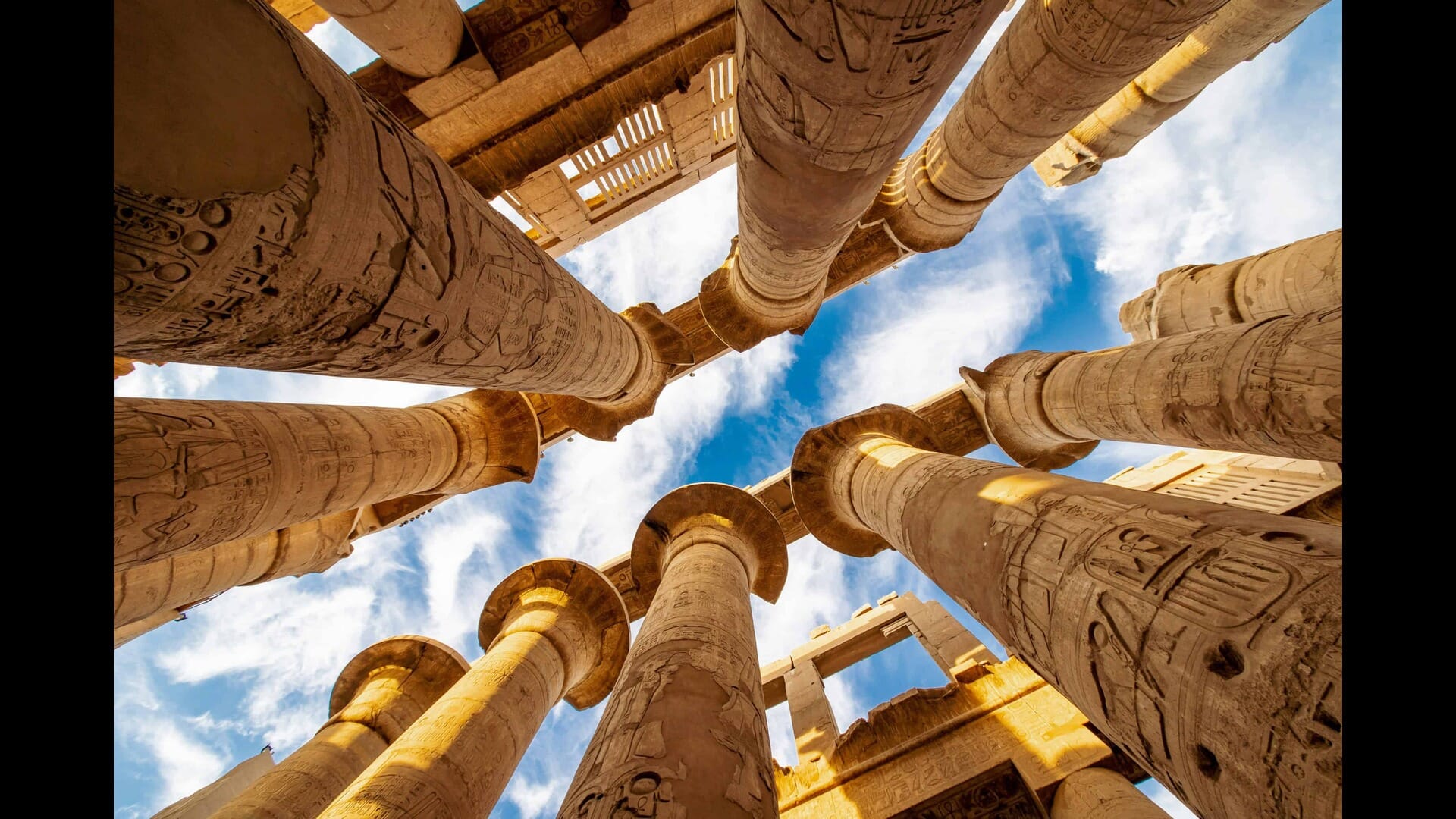
Ancient Egyptian art is replete with depictions of gods, goddesses, and mythological scenes. Temples, tombs, and monuments often feature intricate carvings and paintings that illustrate key moments from folklore. These artistic representations serve not only as decorative elements but also as a means of communicating the beliefs and values of the society.
Literature Inspired by Egyptian Folklore
In modern literature, authors have explored the themes and characters of Egyptian folklore, weaving them into contemporary narratives. Novels such as “The Egyptian” by Mika Waltari and “Nefertiti’s Face” by Joyce Tyldesley delve into the lives of historical figures and their connections to the myths that surround them. This literary exploration allows readers to engage with the rich tapestry of Egyptian culture in new and meaningful ways.
Festivals Celebrating Egyptian Folklore
Egyptian folklore is celebrated through various festivals that honor the myths, legends, and cultural traditions of the nation. These events provide a vibrant glimpse into the heart of Egyptian society and its enduring connection to its past.
The Wepet-Renpet Festival
One of the most significant festivals is the Wepet-Renpet, which marks the beginning of the Egyptian New Year. This festival is steeped in mythology, celebrating the rebirth of the land after the annual flooding of the Nile. The festivities include music, dance, and rituals that honor the gods and the agricultural cycle, reflecting the deep connection between the people and their environment.
The Festival of Opet
The Festival of Opet is another important celebration that honors the god Amun and his wife, Mut. This festival involves a grand procession from Karnak Temple to Luxor Temple, symbolizing the union of the divine and the earthly. The vibrant celebrations, complete with music, dance, and offerings, showcase the rich cultural heritage of Egypt and its enduring reverence for the gods.
The Legacy of Egyptian Folklore in Global Culture
The influence of Egyptian folklore extends beyond the borders of Egypt, impacting global culture in various ways. The stories, symbols, and themes found in Egyptian mythology have resonated with people around the world, inspiring art, literature, and popular culture.
Egyptian Mythology in Popular Culture
From movies like “The Mummy” to graphic novels and video games, Egyptian mythology has found its way into contemporary storytelling. These adaptations often take creative liberties but retain the essence of the original myths, introducing new audiences to the wonders of ancient Egypt.
The Enduring Fascination with Ancient Egypt
The allure of ancient Egypt continues to captivate scholars, artists, and travelers alike. The mysteries surrounding the pyramids, the Sphinx, and the treasures of Tutankhamun fuel a fascination that transcends time. As people explore the rich folklore and myths of Egypt, they uncover not only the stories of the past but also the enduring spirit of a civilization that has left an indelible mark on human history.
Conclusion: Embracing the Richness of Egyptian Folklore
As we conclude our journey through Egypt’s rich folklore and myths, we are reminded of the profound impact these stories have on the cultural identity of the nation. From the ancient tales of gods and heroes to the vibrant traditions of modern storytelling, Egyptian folklore serves as a bridge connecting the past with the present.
Traveling through Egypt offers a unique opportunity to immerse oneself in this rich tapestry of narratives, allowing us to appreciate the beauty and complexity of a culture that has thrived for millennia. Whether wandering through the bustling markets of Cairo, exploring the temples of Luxor, or listening to a hakawati share tales under the stars, the spirit of Egyptian folklore is alive and waiting to be discovered.
In embracing the richness of Egyptian folklore, we not only honor the legacy of a remarkable civilization but also celebrate the universal themes of love, loss, bravery, and the quest for understanding that resonate across cultures and time. So, pack your bags and embark on a journey through Egypt’s enchanting folklore and myths—an adventure that promises to leave you spellbound.