
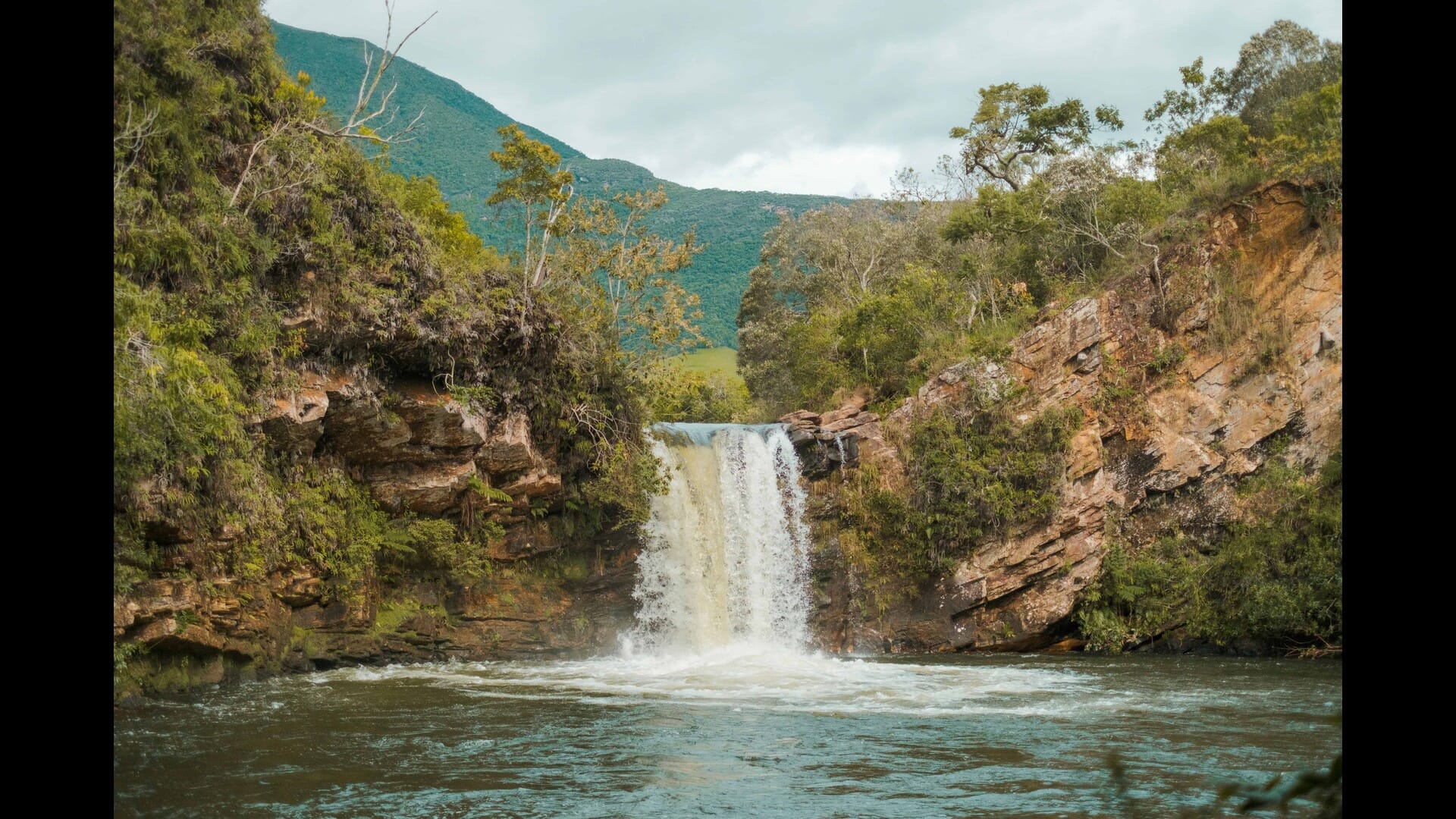
A Journey Through the Amazon Rainforest: Nature's Wonderland
A Journey Through the Amazon Rainforest: Nature's Wonderland
The Amazon Rainforest, often referred to as the lungs of our planet, is a sprawling expanse of lush greenery, vibrant wildlife, and rich cultural heritage. Covering over 5.5 million square kilometers, this magnificent ecosystem is home to approximately 10% of all known species on Earth.
A journey through the Amazon is not just a trip; it’s an adventure into one of the most biodiverse places on the planet. In this article, we will explore the breathtaking landscapes, the incredible wildlife, the indigenous cultures, and the sustainable travel practices that make the Amazon a must-visit destination for nature lovers and adventure seekers alike.
The Amazon Rainforest: An Overview of Nature’s Marvel
The Amazon Rainforest spans across nine countries, with the majority located in Brazil, followed by Peru, Colombia, Venezuela, Ecuador, Bolivia, Guyana, Suriname, and French Guiana. This vast rainforest is characterized by its towering trees, dense undergrowth, and a complex network of rivers and streams. The Amazon River, the second-longest river in the world, flows through this verdant paradise, providing life to countless species and communities.
The Importance of the Amazon Rainforest
The Amazon Rainforest plays a crucial role in regulating the Earth's climate. It absorbs vast amounts of carbon dioxide, produces oxygen, and influences weather patterns across the globe. Additionally, it is a vital resource for indigenous communities who have lived in harmony with the forest for centuries. The Amazon is not just a natural wonder; it is a lifeline for millions of people and a critical component of our planet's health.
Planning Your Adventure: Best Time to Visit the Amazon Rainforest
When planning your journey through the Amazon Rainforest, timing is essential. The best time to visit largely depends on the specific region you plan to explore and the type of experience you seek. The Amazon experiences two main seasons: the wet season and the dry season.
Wet Season vs. Dry Season
Wet Season (December to May): This period is characterized by heavy rainfall and high humidity. While the rainforest is lush and vibrant, the trails may be muddy, and some areas may be inaccessible. However, this is also the best time for birdwatching, as many species are more active during this time.
Dry Season (June to November): The dry season offers more stable weather conditions, making it easier to navigate the trails and waterways. Wildlife is often easier to spot as animals congregate around water sources. This is the peak tourist season, so expect more visitors.
What to Pack for Your Amazon Adventure
Packing for the Amazon requires careful consideration. Here are some essentials:
- Lightweight, moisture-wicking clothing
- Waterproof jacket and pants
- Sturdy hiking boots
- Insect repellent
- Sunscreen and a wide-brimmed hat
- Binoculars for wildlife watching
- A reusable water bottle
- A good camera to capture the stunning scenery
Exploring the Amazon River: A Journey on Water
One of the best ways to experience the Amazon Rainforest is by exploring the Amazon River. This mighty river is the lifeblood of the rainforest, and a river cruise offers a unique perspective on the diverse ecosystems and wildlife that thrive along its banks.
Types of Amazon River Cruises
- Luxury Cruises: For those seeking comfort and style, luxury cruises provide upscale accommodations, gourmet dining, and guided excursions into the rainforest.
- Adventure Cruises: These cruises focus on exploration and adventure, often including activities like kayaking, fishing, and hiking.
- Eco-Cruises: Eco-friendly cruises prioritize sustainability and conservation, providing opportunities to learn about the rainforest's ecology and the importance of preserving it.
Highlights of an Amazon River Cruise
- Wildlife Spotting: Keep an eye out for pink river dolphins, caimans, and a variety of bird species, including toucans and macaws.
- Visiting Indigenous Communities: Many cruises offer excursions to visit local tribes, providing insight into their culture and traditions.
- Nighttime Excursions: Experience the rainforest after dark, when the sounds of nocturnal creatures fill the air.
Immersing in Biodiversity: The Flora and Fauna of the Amazon
The Amazon Rainforest is renowned for its incredible biodiversity. It is estimated that over 390 billion individual trees belonging to around 16,000 species grow in the Amazon. The rainforest is also home to countless animal species, many of which are found nowhere else on Earth.
Iconic Amazonian Wildlife
- Jaguar: The largest cat in the Americas, the jaguar is a solitary and elusive predator that roams the rainforest in search of prey.
- Sloths: These slow-moving mammals are a favorite among visitors. They spend most of their lives hanging upside down in trees, munching on leaves.
- Poison Dart Frogs: Known for their vibrant colors, these small frogs are a reminder of the rainforest's beauty and danger.
- Amazon River Dolphin: Also known as the pink dolphin, this unique species is often spotted swimming in the river.
The Role of Plants in the Ecosystem
The Amazon Rainforest is not only home to towering trees but also a vast array of plants that play a crucial role in the ecosystem. Many plants have medicinal properties and are used by indigenous communities for traditional healing practices. The rainforest is also a source of food, with fruits like acai, Brazil nuts, and cacao originating from this region.
Cultural Encounters: Indigenous Peoples of the Amazon
The Amazon Rainforest is home to over 350 indigenous groups, each with its own unique culture, language, and traditions. These communities have lived in the rainforest for thousands of years, relying on its resources for their survival while maintaining a deep spiritual connection to the land.
Understanding Indigenous Cultures
Visiting indigenous communities can provide valuable insights into their way of life. Many tribes offer cultural tours, where visitors can learn about traditional crafts, music, and rituals. It’s essential to approach these encounters with respect and an open mind, recognizing the importance of preserving their cultures.
Sustainable Tourism and Indigenous Rights
Sustainable tourism initiatives are increasingly being developed in collaboration with indigenous communities. These programs aim to provide economic opportunities while ensuring that the rights and traditions of the indigenous peoples are respected. By choosing to engage in responsible tourism, travelers can contribute to the preservation of the rainforest and support the communities that call it home.
Adventure Activities in the Amazon Rainforest
For thrill-seekers, the Amazon offers a plethora of adventure activities that allow you to immerse yourself in its natural beauty. From hiking through dense jungles to navigating winding rivers, there’s no shortage of excitement.
Hiking and Trekking
Exploring the rainforest on foot is one of the best ways to experience its wonders. Guided hikes can take you deep into the jungle, where you can discover hidden waterfalls, ancient trees, and unique wildlife. Be sure to wear sturdy shoes and stay hydrated as you navigate the often uneven terrain.
Kayaking and Canoeing
Paddling through the Amazon’s waterways is an exhilarating way to explore the rainforest. Kayaking allows you to get up close to wildlife and experience the tranquility of the river. Many tour operators offer guided kayaking trips, which can range from leisurely paddles to more challenging excursions.
Zip-lining and Canopy Tours
For those looking for an adrenaline rush, zip-lining through the treetops provides a unique perspective of the rainforest. Canopy tours often include suspended bridges and observation platforms, allowing you to witness the incredible biodiversity from above.
The Environmental Challenges Facing the Amazon Rainforest
Despite its beauty and importance, the Amazon Rainforest faces numerous environmental challenges. Deforestation, illegal logging, mining, and climate change threaten the delicate balance of this ecosystem.
Deforestation and Its Impact
Deforestation, primarily driven by agriculture and logging, has devastating effects on the rainforest. It not only destroys habitats but also contributes to climate change by releasing stored carbon dioxide into the atmosphere. Efforts to combat deforestation include reforestation projects and sustainable land-use practices.
The Role of Eco-Tourism in Conservation
Eco-tourism plays a vital role in conservation efforts by promoting sustainable travel practices and raising awareness about the importance of preserving the rainforest. By supporting eco-friendly lodges and tours, travelers can contribute to the protection of the Amazon and its inhabitants.
Conclusion: Embracing the Wonders of the Amazon Rainforest
A journey through the Amazon Rainforest is an unforgettable experience that offers a glimpse into one of the most extraordinary ecosystems on the planet. From its rich biodiversity to its vibrant cultures, the Amazon is a testament to the beauty and resilience of nature. As travelers, we have the power to protect this precious environment by embracing sustainable practices and supporting the communities that call the rainforest home.
Whether you’re hiking through the jungle, cruising along the river, or engaging with indigenous cultures, the Amazon invites you to explore its wonders and appreciate the intricate web of life that thrives within it. So pack your bags, prepare for adventure, and get ready to embark on a journey through nature’s wonderland—the Amazon Rainforest.