
A Journey Through the Temples of Dendera and Edfu: Unveiling Ancient Egyptian Wonders
A Journey Through the Temples of Dendera and Edfu: Unveiling Ancient Egyptian Wonders
Egypt, a land of timeless wonders, beckons travelers with its rich tapestry of history, culture, and architectural marvels. Among its many treasures, the Temples of Dendera and Edfu stand out as magnificent testaments to the grandeur of ancient Egyptian civilization.
This article takes you on a captivating journey through these two iconic temples, exploring their historical significance, architectural brilliance, and the myths that breathe life into their stone walls.
Understanding the Historical Context of Dendera and Edfu Temples
Before delving into the intricate details of the temples themselves, it’s essential to understand the historical context in which they were built. The Dendera Temple complex, dedicated to Hathor, the goddess of love, beauty, and music, is located in the town of Dendera, approximately 5 kilometers north of Qena. The temple’s construction began during the reign of the Ptolemaic dynasty, around 230 BCE, and continued well into the Roman period.
On the other hand, the Edfu Temple, dedicated to Horus, the falcon-headed god, is situated in Edfu, about 65 kilometers south of Luxor. This temple was constructed between 237 and 57 BCE, making it one of the best-preserved temples in Egypt. Both temples reflect the religious fervor and artistic achievements of their time, serving as places of worship and pilgrimage.
The Architectural Marvel of the Dendera Temple
The Grand Entrance and Hypostyle Hall
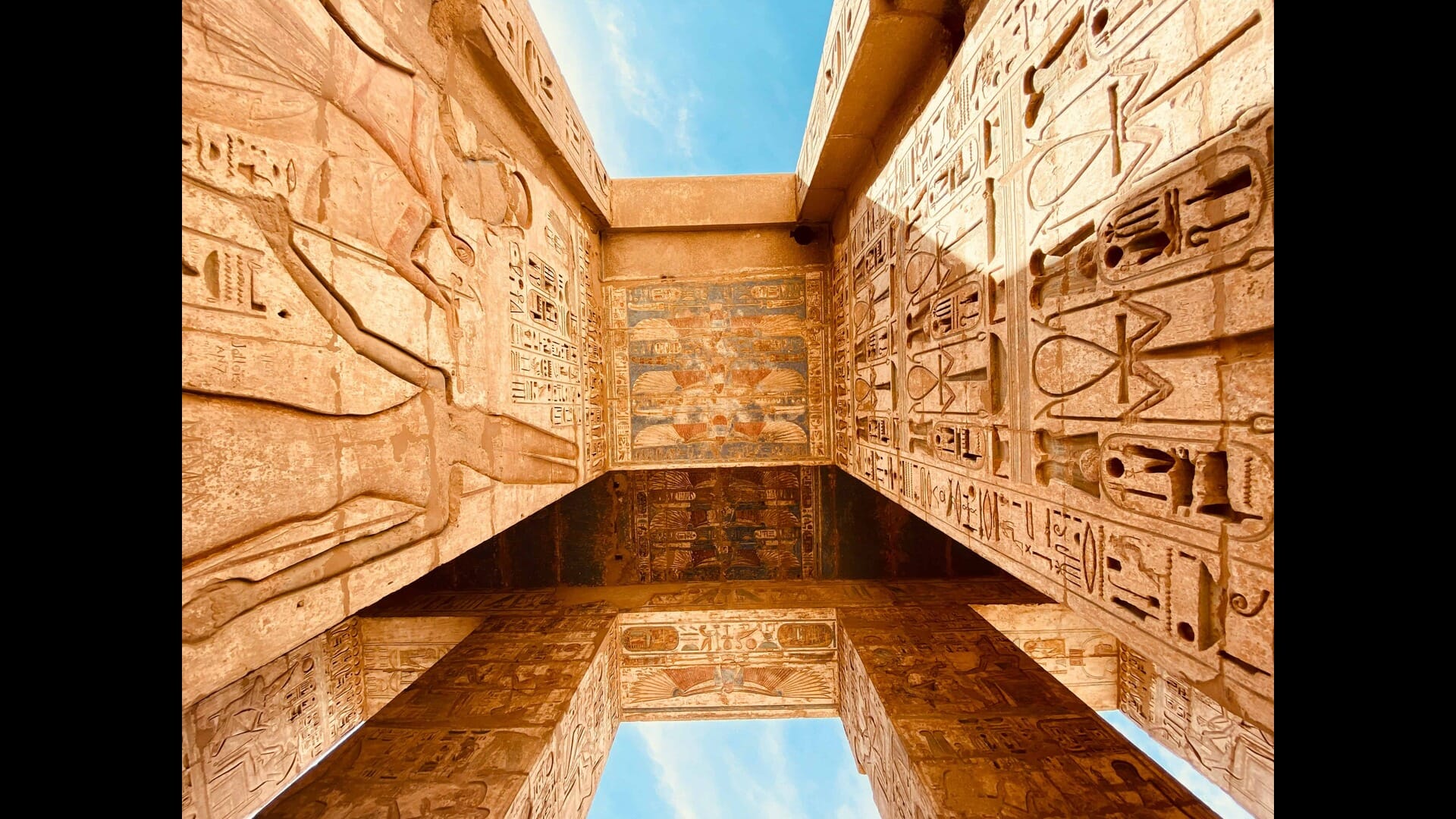
As you approach the Dendera Temple, the first thing that strikes you is its imposing façade adorned with intricate carvings and reliefs. The grand entrance, flanked by two massive stone lions, leads you into the temple complex. The hypostyle hall, with its 24 towering columns, is a sight to behold. Each column is intricately decorated with scenes depicting the goddess Hathor and various deities, inviting visitors to immerse themselves in the mythology of ancient Egypt.
The Ceiling of the Hypostyle Hall: A Celestial Map
One of the most captivating features of the Dendera Temple is its ceiling, which is painted with a stunning celestial map. The vibrant colors and detailed depictions of constellations and zodiac signs transport you to a time when the stars guided the lives of the ancient Egyptians. This celestial representation not only showcases the Egyptians’ advanced understanding of astronomy but also their belief in the connection between the heavens and the divine.
The Birth House: A Sacred Space
Adjacent to the main temple is the Birth House, a smaller structure where rituals celebrating the birth of the goddess Hathor were performed. The walls of the Birth House are adorned with reliefs illustrating the divine birth of Hathor, emphasizing her significance in the Egyptian pantheon. This sacred space offers a glimpse into the religious practices and beliefs that permeated ancient Egyptian society.
Exploring the Edfu Temple: A Testament to Horus
The Majestic Entrance and Forecourt
As you approach the Edfu Temple, the first thing that captures your attention is its grand entrance, which features a massive stone pylon adorned with reliefs depicting the triumph of Horus over Seth. The forecourt, spacious and open, invites visitors to pause and appreciate the temple’s architectural grandeur before stepping inside.
The Inner Sanctuary: A Sacred Realm
The inner sanctuary of the Edfu Temple is where the sacred statue of Horus was housed. This area is shrouded in mystery and reverence, as it was believed to be the dwelling place of the god. The walls of the sanctuary are intricately carved with scenes of Horus and various deities, narrating the myths and legends that shaped the beliefs of the ancient Egyptians.
The Festival of Edfu: A Cultural Celebration
The Edfu Temple was not just a place of worship; it was also the center of the annual Festival of Edfu, a grand celebration that attracted pilgrims from far and wide. This festival, dedicated to Horus, involved elaborate rituals, music, dance, and processions, showcasing the vibrant culture and religious fervor of the time. Today, visitors can still feel the echoes of this ancient celebration as they explore the temple grounds.
The Mythology Behind the Temples: Hathor and Horus
The Role of Hathor in Egyptian Mythology
Hathor, the goddess to whom the Dendera Temple is dedicated, played a multifaceted role in Egyptian mythology. She was revered as the goddess of love, beauty, music, and motherhood. Her nurturing nature made her a beloved deity among the people, and her temple served as a center for healing and fertility rituals. The intricate reliefs within the temple depict her in various forms, showcasing her importance in the daily lives of ancient Egyptians.
The Legend of Horus: The Falcon God
Horus, the god of the sky and kingship, is central to the mythology surrounding the Edfu Temple. The legend of Horus tells the story of his battle against Seth, the god of chaos, to reclaim his rightful place on the throne of Egypt. This myth is intricately woven into the temple’s architecture, with reliefs depicting the fierce struggle between the two gods. The Edfu Temple stands as a testament to Horus’s victory and the divine right of the pharaohs to rule.
The Cultural Significance of Dendera and Edfu Temples
Pilgrimage Sites for Ancient Egyptians
Both the Dendera and Edfu temples served as important pilgrimage sites for ancient Egyptians. Devotees traveled from distant lands to pay homage to their gods, seeking blessings, healing, and guidance. The temples were not only places of worship but also centers of community and cultural exchange, where people gathered to celebrate their shared beliefs and traditions.
The Temples as Centers of Knowledge
In addition to their religious significance, the temples of Dendera and Edfu were also centers of knowledge. Scholars and priests studied astronomy, mathematics, and medicine within their walls. The Dendera Temple, in particular, is known for its astronomical ceiling, which reflects the advanced understanding of the cosmos possessed by the ancient Egyptians. This pursuit of knowledge laid the foundation for many scientific advancements in the centuries to come.
Visiting Dendera and Edfu: Practical Travel Tips
How to Get to Dendera and Edfu Temples
Traveling to the Dendera and Edfu temples is relatively straightforward. Most visitors begin their journey in Luxor, which serves as a gateway to many of Egypt’s historical sites. From Luxor, you can hire a private car or join a guided tour to reach Dendera, which is approximately 60 kilometers to the north. Edfu is located about 65 kilometers south of Luxor, making it a convenient stop on your journey along the Nile.
Best Time to Visit the Temples
The ideal time to visit the Dendera and Edfu temples is during the cooler months, from October to April. During this period, temperatures are more comfortable for exploring the temples and surrounding areas. Early mornings or late afternoons are particularly enchanting, as the soft golden light enhances the beauty of the temples’ intricate carvings and reliefs.
What to Expect During Your Visit
When visiting the Dendera and Edfu temples, be prepared to be awed by their grandeur and historical significance. Take your time to explore every nook and cranny, as each corner reveals fascinating stories etched in stone. Consider hiring a knowledgeable guide who can provide deeper insights into the history and mythology associated with the temples, enriching your experience.
Capturing the Beauty: Photography Tips for Dendera and Edfu
Best Angles and Lighting Conditions
To capture the beauty of the Dendera and Edfu temples, consider the time of day and the angles from which you shoot. Early morning and late afternoon provide the best lighting conditions, casting a warm glow on the temples’ façades. Experiment with different angles to showcase the intricate details of the carvings and the grandeur of the columns.
Respecting the Sacred Spaces
While photography is encouraged, it’s essential to respect the sacred nature of these sites. Avoid using flash in dimly lit areas, and be mindful of other visitors who may be seeking a peaceful experience. Always follow the guidelines provided by the site management to ensure the preservation of these ancient treasures for future generations.
Conclusion: A Journey Worth Taking
Embarking on a journey through the Temples of Dendera and Edfu is more than just a visit to historical sites; it’s an opportunity to connect with the rich cultural heritage of ancient Egypt. The stunning architecture, intricate carvings, and profound mythology that permeate these temples offer a glimpse into a civilization that continues to captivate the world.
As you walk through the hallowed halls of Dendera and Edfu, take a moment to reflect on the stories that have unfolded within these walls. The echoes of ancient prayers, the vibrant celebrations, and the pursuit of knowledge resonate through time, inviting you to become a part of this enduring legacy. Whether you are a history enthusiast, a spiritual seeker, or simply a curious traveler, the temples of Dendera and Edfu promise an unforgettable experience that will linger in your heart long after you leave their sacred grounds.