
A Journey Through the Culture of the Minangkabau People
A Journey Through the Culture of the Minangkabau People
The Minangkabau people, an ethnic group indigenous to West Sumatra, Indonesia, boast a rich cultural heritage that is as diverse as the lush landscapes of their homeland. Known for their unique matrilineal society, intricate architecture, and vibrant traditions, the Minangkabau culture offers a fascinating glimpse into a world where women hold significant power and influence.
This article will take you on a journey through the heart of Minangkabau culture, exploring its history, traditions, culinary delights, and much more.
Understanding the Minangkabau Ethnic Group
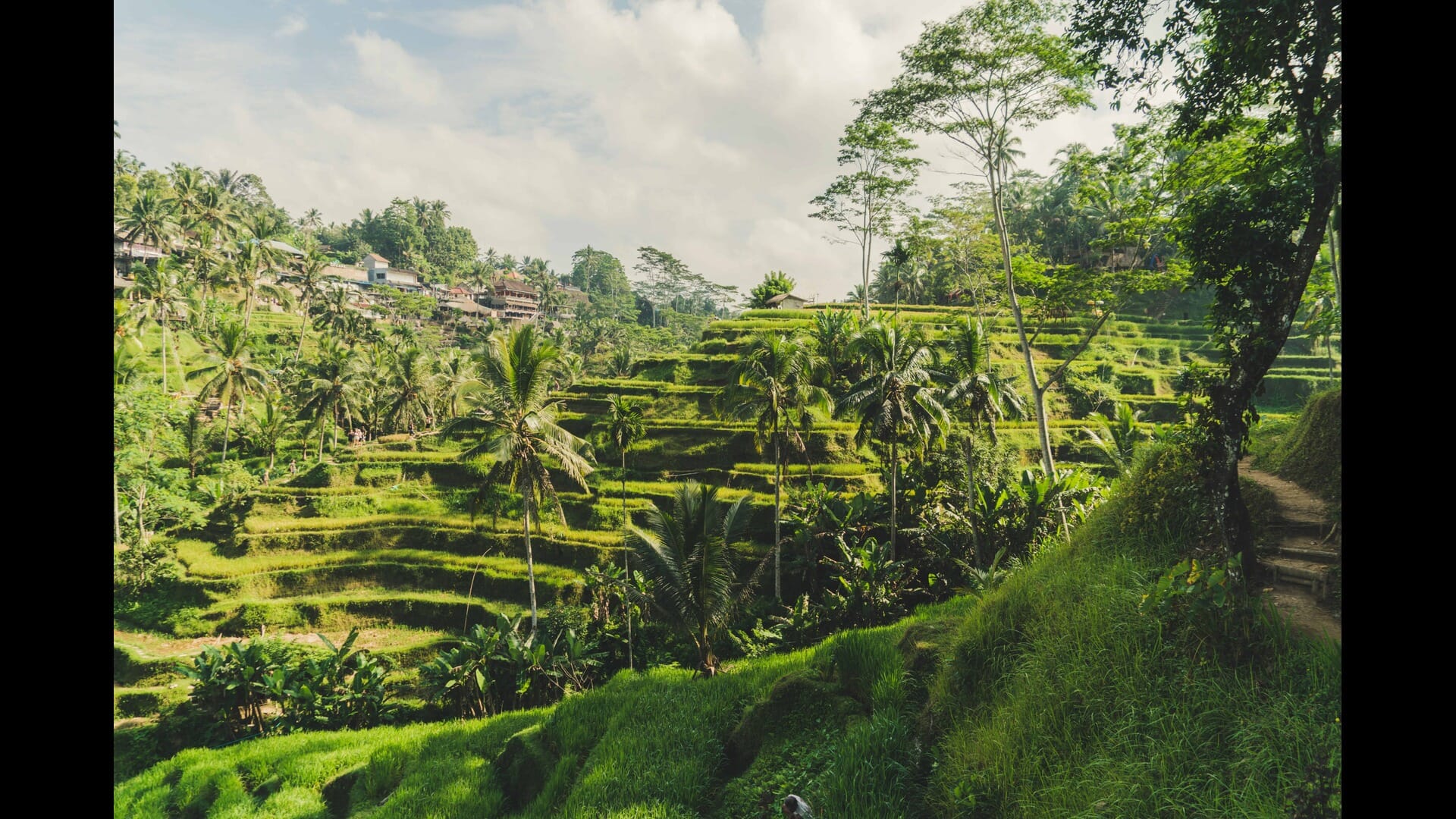
The Minangkabau people are one of the largest ethnic groups in Indonesia, with a population of over six million. They primarily inhabit the highlands of West Sumatra, where the lush green hills and fertile valleys provide an ideal environment for agriculture. The name 'Minangkabau' is derived from a legendary story of a buffalo fight, symbolizing their strength and resilience.
The Matrilineal Society of the Minangkabau
One of the most striking features of Minangkabau culture is its matrilineal social structure. In this society, lineage and inheritance are traced through the female line, which is a rarity in the world. Women play a central role in family and community life, managing household affairs and holding significant decision-making power. This unique social system has profound implications for gender roles, family dynamics, and the preservation of cultural traditions.
The Role of Women in Minangkabau Culture
In Minangkabau culture, women are regarded as the backbone of the family. They are responsible for managing the family’s wealth, which is often in the form of rice fields and livestock. Upon marriage, a man typically moves into his wife’s home, further emphasizing the importance of women in the Minangkabau social structure. This practice not only strengthens familial ties but also ensures that property remains within the maternal lineage.
Traditional Minangkabau Architecture: A Reflection of Culture
The architectural style of the Minangkabau people is distinctive and deeply symbolic. Traditional houses, known as rumah gadang, are characterized by their soaring roofs that resemble buffalo horns, a nod to the cultural significance of the animal. These communal homes are built using local materials, such as wood and bamboo, and are designed to accommodate extended families.
The Structure and Design of Rumah Gadang
A typical rumah gadang features a large central hall, which serves as a gathering space for family members and guests. The house is divided into several rooms, each designated for specific family functions. The intricate carvings and decorations on the walls often depict motifs from Minangkabau folklore, showcasing the artistic talents of the community.
The Significance of Rumah Gadang in Minangkabau Society
The rumah gadang is not just a physical structure; it is a symbol of Minangkabau identity and cultural pride. It serves as a place for rituals, celebrations, and community gatherings. The house is also a testament to the Minangkabau people's connection to their ancestors, as each rumah gadang is often built on ancestral land, reinforcing the importance of heritage and lineage.
The Culinary Delights of Minangkabau: A Taste of Tradition
Minangkabau cuisine is renowned throughout Indonesia for its bold flavors and diverse ingredients. The culinary traditions of the Minangkabau people are deeply intertwined with their cultural practices, reflecting the region's agricultural bounty and the influence of various cultures over the centuries.
Signature Dishes of Minangkabau Cuisine
Some of the most popular dishes include rendang, a slow-cooked beef dish rich in spices; sate padang, skewered meat served with a spicy sauce; and nasi kapau, a rice dish accompanied by an array of side dishes. These dishes are often prepared for special occasions and celebrations, showcasing the Minangkabau people's hospitality and love for communal dining.
The Role of Food in Minangkabau Culture
Food is an integral part of Minangkabau culture, serving as a medium for social interaction and cultural expression. Traditional ceremonies, weddings, and festivals are often marked by elaborate feasts, where families come together to share meals and strengthen bonds. The preparation and sharing of food also reflect the values of generosity and community spirit that are central to Minangkabau life.
Festivals and Celebrations: Embracing Minangkabau Traditions
The Minangkabau calendar is filled with vibrant festivals and celebrations that highlight their rich cultural heritage. These events are characterized by traditional music, dance, and elaborate rituals, providing a glimpse into the community's values and beliefs.
The Tabuik Festival: A Unique Cultural Celebration
One of the most famous festivals in the Minangkabau region is the Tabuik Festival, celebrated annually in the town of Pariaman. This event commemorates the martyrdom of Imam Hussein and features a grand procession of beautifully decorated wooden structures called tabuik. The festival is a blend of Islamic and local traditions, showcasing the Minangkabau people's ability to adapt and integrate diverse cultural influences.
Other Notable Festivals in Minangkabau Culture
In addition to the Tabuik Festival, the Minangkabau people celebrate various other events, such as Raya Idul Fitri and Raya Idul Adha, which are significant religious holidays. These celebrations often involve communal prayers, feasting, and acts of charity, reflecting the community's strong sense of togetherness and spirituality.
The Arts and Crafts of the Minangkabau People
The Minangkabau culture is rich in artistic expression, with traditional crafts and performing arts playing a vital role in community life. From intricate textiles to vibrant music and dance, the arts are a reflection of the Minangkabau people's creativity and cultural identity.
Traditional Textiles: Weaving Stories of Heritage
Textile production is an essential aspect of Minangkabau culture, with women often engaging in the craft of weaving. The most famous textile is songket, a handwoven fabric adorned with gold or silver threads, traditionally used for ceremonial attire. The intricate patterns and designs of songket often tell stories of the Minangkabau people's history and beliefs.
Music and Dance: The Heartbeat of Minangkabau Culture
Music and dance are integral to Minangkabau cultural expression, with various traditional forms that reflect the community's values and stories. One of the most popular traditional dances is the tari piring, performed during celebrations and ceremonies. This dance involves balancing plates on the dancer's hands, showcasing their skill and grace.
The Spiritual Beliefs of the Minangkabau People
The Minangkabau people's spiritual beliefs are a blend of indigenous animism and Islam, which has shaped their worldview and cultural practices. The community holds a deep reverence for nature and ancestral spirits, which is reflected in their rituals and traditions.
The Role of Islam in Minangkabau Culture
Islam plays a significant role in the lives of the Minangkabau people, influencing their values, social norms, and daily practices. The community adheres to Islamic teachings while also preserving their unique cultural identity, resulting in a harmonious coexistence of faith and tradition.
Ancestral Worship and Nature Reverence
In addition to Islam, the Minangkabau people also practice ancestral worship, honoring their forebears through rituals and offerings. This practice underscores the importance of lineage and heritage in Minangkabau culture. Furthermore, the community's reverence for nature is evident in their agricultural practices, which emphasize sustainability and respect for the environment.
The Influence of Modernity on Minangkabau Culture
As globalization and modernity continue to shape the world, the Minangkabau culture faces both challenges and opportunities. While some traditional practices may be at risk of fading, there is also a resurgence of interest in preserving and promoting Minangkabau heritage.
Efforts to Preserve Minangkabau Culture
Various initiatives have emerged to safeguard Minangkabau culture, including cultural festivals, educational programs, and community workshops. These efforts aim to raise awareness about the significance of Minangkabau traditions and encourage younger generations to embrace their cultural identity.
The Future of Minangkabau Culture in a Globalized World
The future of Minangkabau culture will depend on the community's ability to adapt to changing circumstances while maintaining their unique identity. By fostering a sense of pride in their heritage and promoting cultural exchange, the Minangkabau people can navigate the complexities of modernity while preserving their rich traditions.
Conclusion: Embracing the Richness of Minangkabau Culture
A journey through the culture of the Minangkabau people reveals a vibrant tapestry of traditions, beliefs, and practices that continue to thrive in the face of change. From their matrilineal society and stunning architecture to their delectable cuisine and artistic expressions, the Minangkabau culture offers a unique perspective on community, identity, and resilience.
As we explore the intricacies of this remarkable culture, we gain a deeper appreciation for the Minangkabau people's enduring spirit and their commitment to preserving their heritage for future generations. Whether you are a traveler seeking adventure or a cultural enthusiast eager to learn, the Minangkabau region promises an unforgettable experience that will leave you enriched and inspired.