
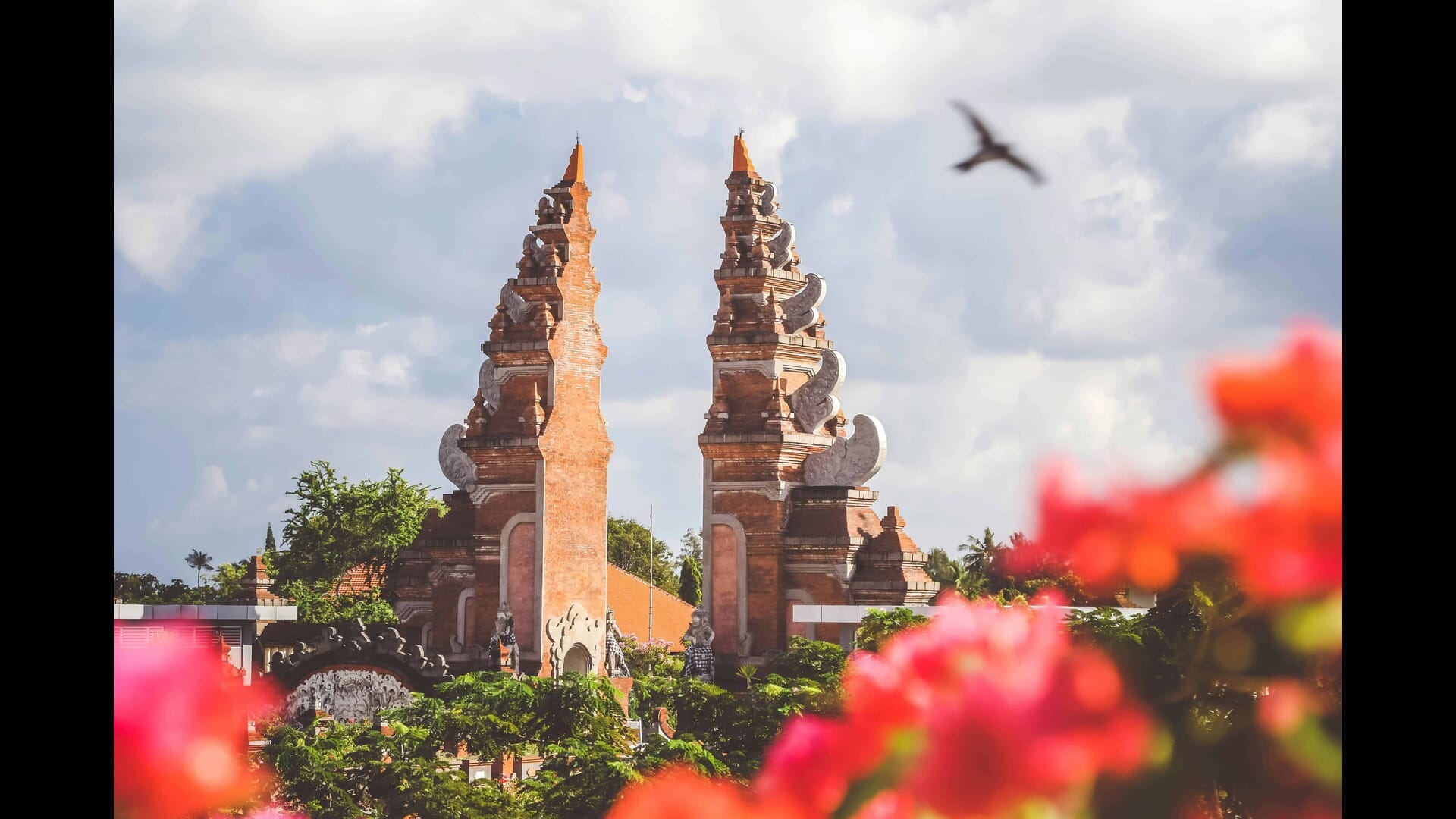
A Journey Through Indonesia’s Stunning Rice Terraces
A Journey Through Indonesia’s Stunning Rice Terraces
Indonesia, an archipelago of over 17,000 islands, is renowned for its breathtaking landscapes, vibrant culture, and rich traditions. Among its many natural wonders, the stunning rice terraces stand out as a testament to the country’s agricultural heritage and breathtaking beauty. This article will take you on a journey through some of the most iconic rice terraces in Indonesia, exploring their history, cultural significance, and the best ways to experience them.
The Allure of Indonesia’s Rice Terraces
Understanding the Cultural Significance of Rice Terraces
Rice is more than just a staple food in Indonesia; it is deeply woven into the cultural fabric of the nation. The rice terraces, often referred to as “sawah,” are not only agricultural fields but also a symbol of the community's hard work, cooperation, and respect for nature. The intricate irrigation systems, known as “subak” in Bali, showcase the ingenuity of local farmers who have cultivated these lands for generations.
The Unique Geography of Indonesia’s Rice Terraces
Indonesia's diverse geography, ranging from volcanic mountains to lush valleys, creates the perfect environment for rice cultivation. The terraces are typically found in hilly or mountainous areas, where farmers have ingeniously carved out flat plots of land to maximize arable space. The sight of cascading green fields, framed by towering palm trees and distant mountains, is nothing short of mesmerizing.
Top Rice Terraces to Visit in Indonesia
1. Jatiluwih Rice Terraces: A UNESCO World Heritage Site
Located in Bali, the Jatiluwih Rice Terraces are a UNESCO World Heritage Site and one of the most famous rice terraces in Indonesia. Spanning over 600 hectares, these terraces are renowned for their stunning beauty and traditional irrigation system. Visitors can enjoy scenic walks along the terraces, taking in the breathtaking views of Mount Batukaru in the background. The area is also home to several local restaurants where you can savor traditional Balinese cuisine while overlooking the lush fields.
2. Tegallalang Rice Terraces: A Photographer’s Paradise
Just north of Ubud, the Tegallalang Rice Terraces are a popular destination for travelers seeking Instagram-worthy shots. The terraces are smaller than Jatiluwih but are equally captivating, with their dramatic landscapes and vibrant green hues. The area is dotted with cafes and shops selling local handicrafts, making it a perfect spot to relax and soak in the beauty of the surroundings. Don’t forget to try the famous Bali coffee while you’re there!
3. Sidemen Valley: Off the Beaten Path
For those looking to escape the crowds, the Sidemen Valley offers a more tranquil experience. This hidden gem is surrounded by lush hills and rice fields, providing a peaceful retreat from the bustling tourist areas. Visitors can take guided treks through the terraces, visit local villages, and learn about traditional rice farming practices. The warm hospitality of the locals adds to the charm of this serene destination.
4. Ceking Rice Terraces: A Cultural Experience
The Ceking Rice Terraces, located near Tegallalang, are not only known for their stunning views but also for the cultural experiences they offer. Visitors can participate in traditional rice planting activities, gaining insight into the local farming techniques and the significance of rice in Balinese culture. The terraces are also home to several temples, adding a spiritual dimension to your visit.
5. Sembalun Lawang: The Majestic Lombok Terraces
While Bali is often the first place that comes to mind when thinking of rice terraces, Lombok also boasts stunning landscapes. The Sembalun Lawang area features terraces set against the backdrop of the majestic Rinjani volcano. This region is less touristy, allowing for a more authentic experience. Trekking through the terraces offers breathtaking views and the chance to interact with local farmers.
The Best Time to Visit Indonesia’s Rice Terraces
Understanding the Rice Planting Seasons
The best time to visit Indonesia’s rice terraces largely depends on the planting and harvesting seasons. In Bali, the main rice planting season occurs from October to March, while the harvest season is typically from April to September. Visiting during the planting season allows you to witness the vibrant green fields, while the harvest season offers the opportunity to see the golden hues of ripe rice.
Weather Considerations
Indonesia has a tropical climate, which means it can be hot and humid year-round. The dry season, from April to September, is generally the best time for outdoor activities and photography. However, visiting during the wet season can also be rewarding, as the terraces come alive with lush greenery and vibrant colors.
Cultural Experiences in the Rice Terraces
Participating in Traditional Rice Farming
One of the most enriching experiences you can have in Indonesia’s rice terraces is participating in traditional rice farming. Many local communities offer workshops where visitors can learn about the rice planting process, from preparing the fields to harvesting the crop. This hands-on experience not only deepens your understanding of the agricultural practices but also fosters a connection with the local culture.
Exploring Local Villages and Markets
The rice terraces are often surrounded by charming villages where you can immerse yourself in the local way of life. Take the time to explore these villages, interact with the residents, and visit local markets. Here, you can find fresh produce, handmade crafts, and traditional Balinese offerings. Engaging with the locals provides a unique insight into their customs and traditions.
Photography Tips for Capturing the Beauty of Rice Terraces
Best Time of Day for Photography
To capture the stunning beauty of Indonesia’s rice terraces, timing is crucial. The golden hours—early morning and late afternoon—offer the best lighting for photography. During these times, the soft sunlight illuminates the terraces, creating a magical atmosphere. Consider using a drone for aerial shots to showcase the intricate patterns of the terraces from above.
Composition Techniques
When photographing rice terraces, consider the composition of your shots. Leading lines created by the terraces can draw the viewer’s eye into the frame. Incorporate foreground elements, such as local farmers or traditional huts, to add depth to your images. Experiment with different angles and perspectives to capture the unique beauty of each terrace.
Eco-Tourism and Sustainable Practices in Rice Farming
The Importance of Sustainable Agriculture
As tourism continues to grow in Indonesia, the importance of sustainable practices in rice farming becomes increasingly vital. Many local farmers are adopting eco-friendly methods to preserve the environment and maintain the health of their crops. This includes organic farming practices, water conservation techniques, and the use of traditional pest control methods.
Supporting Local Communities Through Eco-Tourism
By choosing to visit rice terraces that prioritize eco-tourism, you can support local communities and contribute to sustainable development. Many eco-tourism initiatives offer visitors the chance to stay in traditional homestays, participate in farming activities, and learn about the local culture. This not only provides a unique travel experience but also helps empower local communities.
Culinary Delights: Tasting the Flavors of Indonesia’s Rice Terraces
Traditional Dishes Featuring Rice
Rice is a staple in Indonesian cuisine, and visiting the rice terraces provides an excellent opportunity to savor traditional dishes. From Nasi Goreng (fried rice) to Nasi Campur (mixed rice), the flavors of Indonesian cuisine are diverse and delicious. Many local restaurants near the rice terraces offer authentic dishes made with fresh, locally sourced ingredients.
Cooking Classes and Culinary Tours
For food enthusiasts, participating in a cooking class or culinary tour can enhance your experience in the rice terrace regions. Learn how to prepare traditional dishes using fresh ingredients from the local markets and gain insight into the cultural significance of each dish. This hands-on experience allows you to take a piece of Indonesian culture home with you.
Adventure Activities Around the Rice Terraces
Trekking and Hiking Opportunities
The rice terraces are often surrounded by stunning landscapes that offer excellent trekking and hiking opportunities. Many trails wind through the terraces, allowing you to explore the area on foot while enjoying breathtaking views. Guided treks are available for those who want to learn more about the local flora and fauna.
Cycling Tours Through the Terraces
For a more adventurous way to explore the rice terraces, consider joining a cycling tour. Many local operators offer guided bike rides through the scenic landscapes, taking you off the beaten path and allowing you to experience the beauty of the terraces up close. Cycling is a fantastic way to connect with nature and enjoy the fresh air.
Conclusion: Embracing the Beauty of Indonesia’s Rice Terraces
A journey through Indonesia’s stunning rice terraces is not just a visual feast but also a profound cultural experience. From the breathtaking landscapes to the rich traditions of rice farming, each terrace tells a story of resilience, community, and harmony with nature. Whether you’re an avid photographer, a culinary enthusiast, or simply seeking tranquility, the rice terraces of Indonesia offer something for everyone.
As you plan your trip, remember to respect the local culture and environment. Engage with the communities, support sustainable practices, and immerse yourself in the beauty of this remarkable destination. Your journey through Indonesia’s rice terraces will undoubtedly leave you with lasting memories and a deeper appreciation for the artistry of nature and the dedication of those who cultivate it.