
A Journey Through the Historical Regions of Spain
A Journey Through the Historical Regions of Spain
Spain, a country steeped in history and culture, offers a tapestry of experiences that reflect its diverse regions. From the sun-kissed beaches of the Mediterranean to the rugged mountains of the north, each area tells a story of its past, shaped by various civilizations that have left their mark over centuries.
This article will take you on a journey through the historical regions of Spain, exploring their unique characteristics, cultural heritage, and must-visit sites.
The Allure of Spain's Historical Regions
Spain is divided into 17 autonomous communities, each with its own unique history, traditions, and landscapes. These regions are not just geographical divisions; they are cultural mosaics that showcase the rich tapestry of Spanish life. As you travel through these areas, you will encounter ancient ruins, stunning architecture, and vibrant local customs that reflect the historical influences that have shaped Spain.
Exploring Andalusia: The Heart of Moorish Spain
The Rich History of Andalusia
Andalusia, located in the southern part of Spain, is renowned for its Moorish architecture, flamenco music, and rich cultural heritage. The region was under Muslim rule for nearly 800 years, which has left an indelible mark on its cities and towns. The historical significance of Andalusia is evident in its stunning palaces, mosques, and gardens.
Must-Visit Cities in Andalusia
- Seville: The capital of Andalusia, Seville is famous for its Gothic cathedral, the Giralda tower, and the stunning Alcázar palace. The city’s vibrant atmosphere is enhanced by its lively tapas bars and flamenco performances.
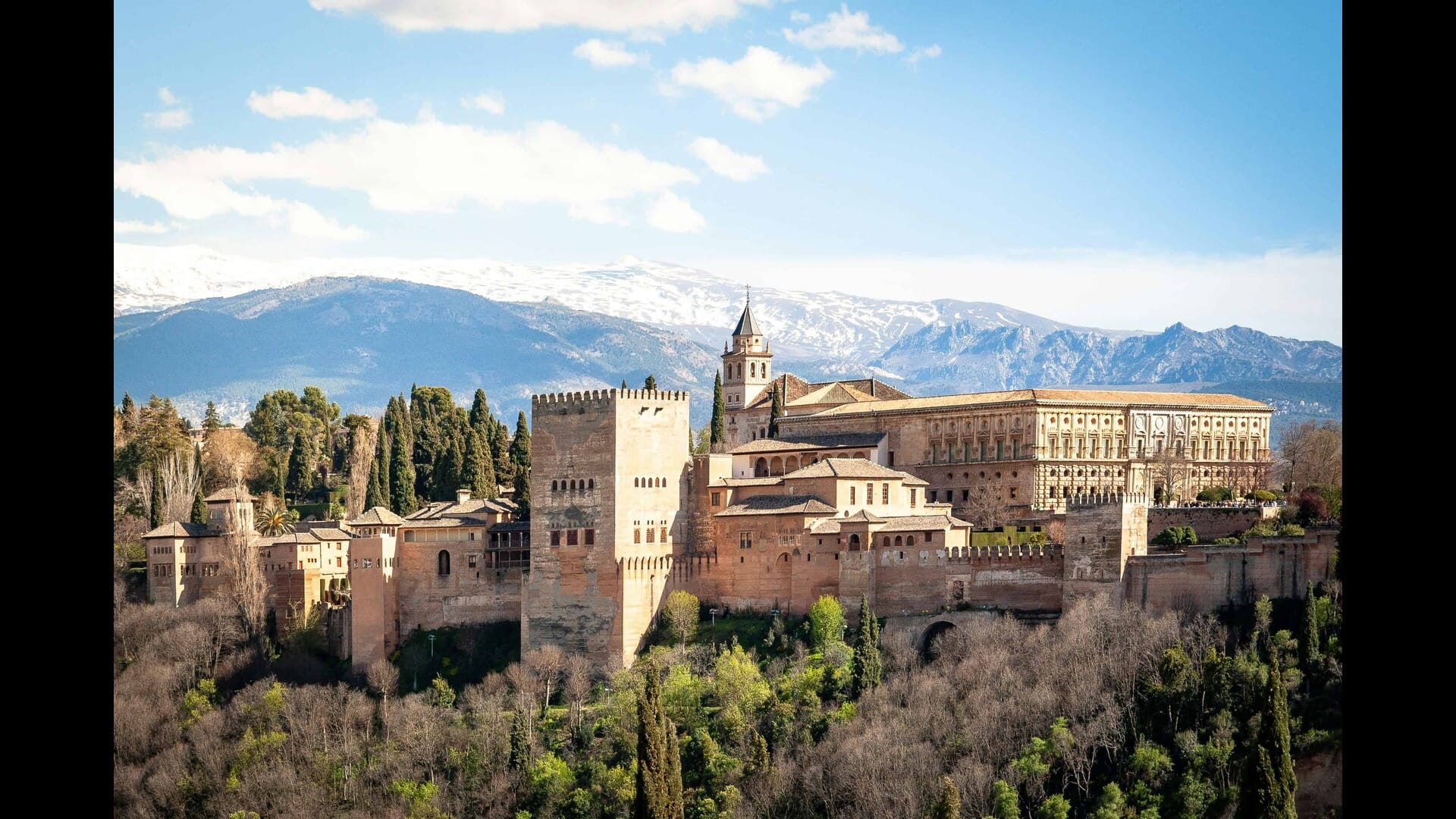
- Granada: Home to the breathtaking Alhambra, a UNESCO World Heritage site, Granada is a testament to the architectural brilliance of the Nasrid dynasty. The city’s narrow streets and whitewashed buildings offer a glimpse into its Moorish past.
- Cordoba: Once the capital of the Islamic Caliphate, Cordoba boasts the magnificent Mezquita, a mosque-cathedral that showcases the region's rich religious history. The historic Jewish quarter, with its narrow alleys and charming patios, is also worth exploring.
The Cultural Heritage of Catalonia
A Blend of Tradition and Modernity
Catalonia, located in the northeastern part of Spain, is known for its distinct identity, language, and culture. The region has a rich history that dates back to the Roman Empire and has been influenced by various cultures, including the Moors and the Franks.
Iconic Landmarks in Catalonia
- Barcelona: The capital city is famous for its unique architecture, particularly the works of Antoni Gaudí, such as the Sagrada Familia and Park Güell. Barcelona is also home to the Gothic Quarter, where you can wander through medieval streets and discover hidden gems.
- Girona: A city that boasts a well-preserved medieval old town, Girona is known for its stunning cathedral and the colorful houses along the Onyar River. The city’s Jewish heritage is evident in its ancient quarter, which is one of the best-preserved in Europe.
- Tarragona: This coastal city is rich in Roman history, with impressive ruins such as the amphitheater and aqueduct. Tarragona’s historical significance is recognized as a UNESCO World Heritage site.
The Mystique of Galicia: A Land of Legends
The Celtic Roots of Galicia
Galicia, located in the northwest of Spain, is known for its lush landscapes, rugged coastline, and rich folklore. The region has a strong Celtic influence, which is reflected in its music, dance, and traditions. Galicia is also famous for its pilgrimage route, the Camino de Santiago, which attracts thousands of pilgrims each year.
Highlights of Galicia
- Santiago de Compostela: The capital of Galicia, Santiago de Compostela is the final destination of the Camino de Santiago. The city is home to the stunning cathedral, which houses the relics of St. James. The historic center is a UNESCO World Heritage site, filled with narrow streets and charming squares.
- A Coruña: Known for its beautiful beaches and the iconic Tower of Hercules, A Coruña is a vibrant city with a rich maritime history. The city’s old town is a delightful mix of modern and traditional architecture.
- Rías Baixas: This coastal region is famous for its stunning estuaries and delicious seafood. The picturesque fishing villages and beautiful beaches make it a perfect destination for relaxation and exploration.
The Historical Significance of the Basque Country
A Unique Culture and Language
The Basque Country, located in northern Spain, is known for its unique culture, language (Euskara), and stunning landscapes. The region has a rich history that is distinct from the rest of Spain, with a strong sense of identity and pride among its people.
Key Attractions in the Basque Country
- Bilbao: The largest city in the Basque Country, Bilbao is home to the iconic Guggenheim Museum, a modern architectural marvel. The city’s old town, known as Casco Viejo, is filled with charming streets, shops, and local eateries.
- San Sebastián: Renowned for its beautiful beaches and culinary scene, San Sebastián is a must-visit destination. The city’s old town is famous for its pintxos bars, where you can sample delicious Basque cuisine.
- Vitoria-Gasteiz: The capital of the Basque Country, Vitoria-Gasteiz is known for its well-preserved medieval old town and green spaces. The city’s commitment to sustainability and environmental initiatives makes it a unique destination.
The Enchantment of Valencia: A Blend of Cultures
A Historical Crossroads
Valencia, located on the eastern coast of Spain, is a city that has been influenced by various cultures throughout its history, including the Romans, Moors, and Christians. The region is known for its stunning architecture, vibrant festivals, and delicious cuisine.
Must-See Attractions in Valencia
- Valencia Cathedral: A stunning example of Gothic architecture, the Valencia Cathedral is said to house the Holy Grail. The cathedral’s bell tower, El Miguelete, offers panoramic views of the city.
- City of Arts and Sciences: This futuristic complex is a symbol of modern Valencia, featuring stunning architecture and a range of cultural attractions, including a science museum, planetarium, and aquarium.
- Las Fallas Festival: One of the most famous festivals in Spain, Las Fallas takes place in March and features elaborate sculptures made of papier-mâché, which are burned in a spectacular display.
The Timeless Charm of Castile and León
A Region of Kings and Queens
Castile and León, located in the heart of Spain, is known for its rich history and stunning medieval architecture. The region is home to several UNESCO World Heritage sites and has played a significant role in Spanish history.
Historical Highlights in Castile and León
- Segovia: Famous for its Roman aqueduct, Segovia is a city that boasts a stunning medieval castle, Alcázar of Segovia, and a beautiful cathedral. The city’s historic center is a UNESCO World Heritage site.
- Salamanca: Home to one of the oldest universities in the world, Salamanca is known for its stunning sandstone architecture and vibrant student life. The Plaza Mayor is a must-visit, especially in the evening when it is beautifully illuminated.
- Burgos: This city is famous for its Gothic cathedral, which is a UNESCO World Heritage site. The historic center of Burgos is filled with charming streets and historical landmarks.
The Rich Tapestry of Extremadura
A Blend of Cultures and Traditions
Extremadura, located in western Spain, is a region that is often overlooked by tourists but is rich in history and cultural heritage. The region is known for its stunning landscapes, traditional villages, and historical sites.
Key Attractions in Extremadura
- Cáceres: A UNESCO World Heritage site, Cáceres is known for its well-preserved medieval architecture and charming old town. The city’s historic buildings reflect a blend of Roman, Moorish, and Gothic influences.
- Mérida: The capital of Extremadura, Mérida is famous for its Roman ruins, including a well-preserved amphitheater and a stunning aqueduct. The city’s rich history is evident in its archaeological sites.
- Trujillo: Known for its impressive castle and historic center, Trujillo is a charming town that offers a glimpse into Spain’s past. The town is also famous for being the birthplace of several conquistadors.
The Architectural Wonders of Madrid
A City of Royal Heritage
Madrid, the capital of Spain, is a city that boasts a rich history and stunning architecture. The city is home to several royal palaces, museums, and historical landmarks that reflect its royal heritage.
Must-Visit Sites in Madrid
- Royal Palace of Madrid: The official residence of the Spanish royal family, the Royal Palace is an architectural masterpiece that offers guided tours of its opulent rooms and beautiful gardens.
- Prado Museum: One of the most important art museums in the world, the Prado Museum houses an extensive collection of European art, including works by Velázquez, Goya, and Bosch.
- Plaza Mayor: A historic square in the heart of Madrid, Plaza Mayor is surrounded by stunning architecture and is a popular spot for locals and tourists alike to enjoy tapas and drinks.
The Cultural Mosaic of Murcia
A Region of Diverse Influences
Murcia, located in southeastern Spain, is known for its agricultural richness and diverse cultural influences. The region has a rich history that is reflected in its architecture, cuisine, and traditions.
Highlights of Murcia
- Murcia Cathedral: A stunning example of Baroque architecture, the Murcia Cathedral is known for its impressive bell tower and beautiful interior. The cathedral is a symbol of the city’s rich history.
- Cartagena: A historic port city, Cartagena is known for its Roman ruins, including a well-preserved amphitheater and ancient walls. The city’s maritime history is showcased in its museums and waterfront.
- Fiestas de Primavera: This vibrant spring festival features colorful parades, traditional music, and delicious local cuisine, showcasing the region’s rich cultural heritage.
Conclusion: Embracing the Historical Regions of Spain
Traveling through the historical regions of Spain is an enriching experience that allows you to immerse yourself in the country’s diverse cultures, traditions, and histories. Each region offers a unique perspective on Spain’s past, from the Moorish influences in Andalusia to the Celtic roots in Galicia. As you explore these areas, you will not only discover stunning architecture and breathtaking landscapes but also connect with the vibrant local communities that continue to celebrate their heritage.
Whether you are wandering through the narrow streets of a medieval town, savoring traditional dishes, or attending a lively festival, your journey through the historical regions of Spain will leave you with lasting memories and a deeper appreciation for this beautiful country. So pack your bags and embark on an adventure that will take you through the heart and soul of Spain!