
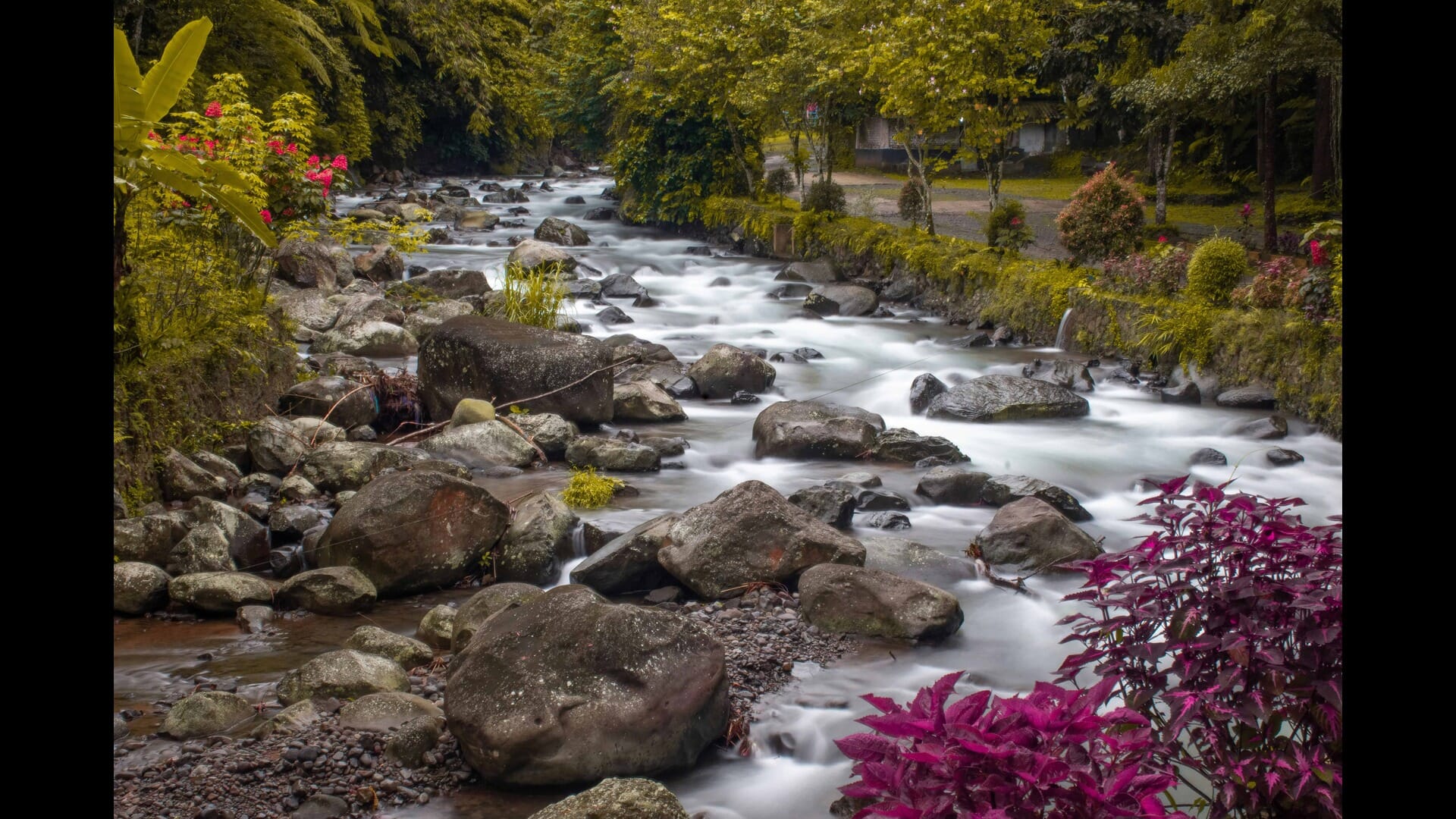
A Journey Through the Historic Sites of Yogyakarta
A Journey Through the Historic Sites of Yogyakarta
Yogyakarta, often referred to as Jogja, is a city that pulses with history and culture. Nestled in the heart of Java, Indonesia, it is a treasure trove of ancient temples, royal palaces, and vibrant traditions. This travel guide will take you on a journey through the historic sites of Yogyakarta, revealing the rich tapestry of its past and the vibrant culture that continues to thrive today.
The Allure of Yogyakarta: A Brief Introduction
Yogyakarta is not just a city; it is a living museum. With its unique blend of Javanese culture, colonial history, and artistic heritage, it attracts travelers from around the globe. The city is known for its warm hospitality, making it a perfect destination for those seeking to immerse themselves in the local culture. From the majestic Borobudur Temple to the bustling streets of Malioboro, Yogyakarta offers a plethora of experiences that cater to every type of traveler.
Exploring the Majestic Borobudur Temple
The Largest Buddhist Temple in the World
One of the most iconic landmarks in Yogyakarta is the Borobudur Temple, a UNESCO World Heritage Site and the largest Buddhist temple in the world. Built in the 9th century, this architectural marvel is adorned with over 2,600 relief panels and 504 Buddha statues. The temple is designed in the form of a mandala, symbolizing the universe in stone.
A Spiritual Journey
Visiting Borobudur is not just about admiring its grandeur; it is also a spiritual journey. As you ascend the temple's tiers, you will encounter various levels of enlightenment, culminating in the central stupa that represents Nirvana. The sunrise at Borobudur is a breathtaking experience, as the first rays of light illuminate the temple and the surrounding landscape, creating a magical atmosphere.
The Enigmatic Prambanan Temple
A Testament to Hindu Architecture
Just a short drive from Yogyakarta lies the Prambanan Temple, another UNESCO World Heritage Site. This 9th-century Hindu temple complex is dedicated to the Trimurti, the three main gods of Hinduism: Brahma, Vishnu, and Shiva. The intricate carvings and towering spires of Prambanan are a testament to the architectural prowess of the era.
The Ramayana Ballet
One of the unique experiences in Prambanan is watching the Ramayana Ballet, a traditional Javanese dance performance that narrates the epic tale of Ramayana. Set against the backdrop of the illuminated temples, the ballet is a feast for the senses, combining music, dance, and storytelling in a captivating manner.
The Royal Palace of Yogyakarta: Kraton
A Glimpse into Javanese Royalty
The Kraton, or the Royal Palace of Yogyakarta, is a living testament to the city’s royal heritage. Built in the 18th century, the palace complex is a blend of Javanese and European architectural styles. Visitors can explore the various pavilions, gardens, and museums that showcase the history and culture of the Yogyakarta Sultanate.
Cultural Performances and Traditions
The Kraton is not just a historical site; it is also a cultural hub. Visitors can witness traditional Javanese performances, such as gamelan music and wayang kulit (shadow puppetry), which are integral to the local culture. The palace is also home to various ceremonies and rituals that reflect the rich traditions of the Javanese people.
Taman Sari: The Water Castle
A Historical Retreat for the Sultan
Taman Sari, also known as the Water Castle, was built in the 18th century as a royal garden and bathing complex for the Sultan and his family. The intricate architecture and serene water features make it a peaceful retreat from the bustling city. As you wander through the ruins, you can imagine the lavish parties and royal gatherings that once took place here.
Exploring the Underground Mosque
One of the highlights of Taman Sari is the underground mosque, a hidden gem that showcases the ingenuity of Javanese architecture. The mosque is adorned with beautiful carvings and is surrounded by lush gardens, providing a tranquil space for reflection and meditation.
The Vibrant Malioboro Street
A Shopper's Paradise
No visit to Yogyakarta is complete without a stroll down Malioboro Street, the city’s main shopping thoroughfare. This bustling street is lined with shops, street vendors, and local artisans selling everything from batik textiles to traditional handicrafts. The vibrant atmosphere and the aroma of street food create an unforgettable experience.
Culinary Delights of Yogyakarta
Malioboro is also a food lover's paradise. Be sure to try local delicacies such as Gudeg (young jackfruit stew), Sate Klathak (grilled meat skewers), and Bakpia (sweet pastries). The street food scene is vibrant, and you can find a variety of stalls offering delicious treats that reflect the culinary heritage of Yogyakarta.
The Historic Fort Vredeburg
A Glimpse into Colonial History
Fort Vredeburg is a historical fort built during the Dutch colonial period. Today, it serves as a museum that showcases the history of Indonesia's struggle for independence. The fort's architecture and exhibits provide insight into the colonial era and the resilience of the Indonesian people.
Engaging Exhibits and Activities
Visitors can explore the various exhibits that highlight the history of Yogyakarta and Indonesia, including photographs, artifacts, and interactive displays. The fort also hosts cultural events and performances, making it a lively place to learn about the country’s history.
The Mystical Mount Merapi
An Active Volcano with Cultural Significance
Mount Merapi, one of Indonesia's most active volcanoes, looms majestically over Yogyakarta. The mountain is not only a natural wonder but also holds significant cultural importance for the local people. It is often regarded as a sacred mountain, and many rituals and ceremonies are performed to honor its presence.
Trekking Adventures and Scenic Views
For adventure seekers, trekking to the summit of Mount Merapi is a thrilling experience. The trek offers stunning views of the surrounding landscape and the opportunity to witness the unique flora and fauna of the region. Local guides provide insights into the mountain's geological history and its impact on the communities living nearby.
The Traditional Markets of Yogyakarta
A Cultural Experience Like No Other
Yogyakarta is home to several traditional markets that offer a glimpse into the daily lives of the locals. Markets such as Beringharjo and Ngasem are bustling with activity, where you can find everything from fresh produce to handmade crafts. These markets are not only places to shop but also cultural hubs where you can interact with the friendly locals.
Souvenirs and Local Crafts
When visiting the markets, be sure to look for unique souvenirs such as batik clothing, silver jewelry, and traditional pottery. Bargaining is part of the shopping experience, so don’t hesitate to engage with the vendors for the best deals.
The Art and Culture of Yogyakarta
A Hub for Artists and Creatives
Yogyakarta is often referred to as the cultural capital of Indonesia, and for good reason. The city is a haven for artists, musicians, and performers, with numerous galleries, studios, and cultural centers showcasing local talent. The vibrant art scene is deeply rooted in Javanese traditions, and visitors can immerse themselves in various artistic expressions.
Workshops and Classes
For those interested in learning about traditional arts, Yogyakarta offers a variety of workshops and classes. From batik-making to gamelan music, these hands-on experiences provide a deeper understanding of the local culture and craftsmanship.
Planning Your Visit to Yogyakarta
Best Time to Visit
The best time to visit Yogyakarta is during the dry season, which runs from April to October. The weather is pleasant, making it ideal for exploring the city and its surrounding attractions. However, be prepared for occasional rain showers during the transitional months of March and November.
Getting Around Yogyakarta
Yogyakarta is well-connected, and getting around the city is relatively easy. You can use public transportation, such as buses and taxis, or rent a scooter for a more adventurous experience. Many attractions are within walking distance, making it convenient to explore on foot.
Accommodation Options
Yogyakarta offers a wide range of accommodation options, from budget hostels to luxury hotels. For a unique experience, consider staying in a traditional Javanese guesthouse or a boutique hotel that reflects the local culture.
Conclusion: Embracing the Spirit of Yogyakarta
A journey through the historic sites of Yogyakarta is not just about visiting landmarks; it is about embracing the spirit of the city and its people. The rich history, vibrant culture, and warm hospitality create an unforgettable experience that lingers long after you leave. Whether you are exploring ancient temples, indulging in local cuisine, or engaging with the artistic community, Yogyakarta invites you to discover its treasures and create lasting memories.
As you plan your visit, remember to take your time and immerse yourself in the beauty of Yogyakarta. Each corner of the city has a story to tell, and every experience contributes to the tapestry of your journey. So pack your bags, set your itinerary, and get ready for an adventure that will leave you enchanted by the historic sites of Yogyakarta.