
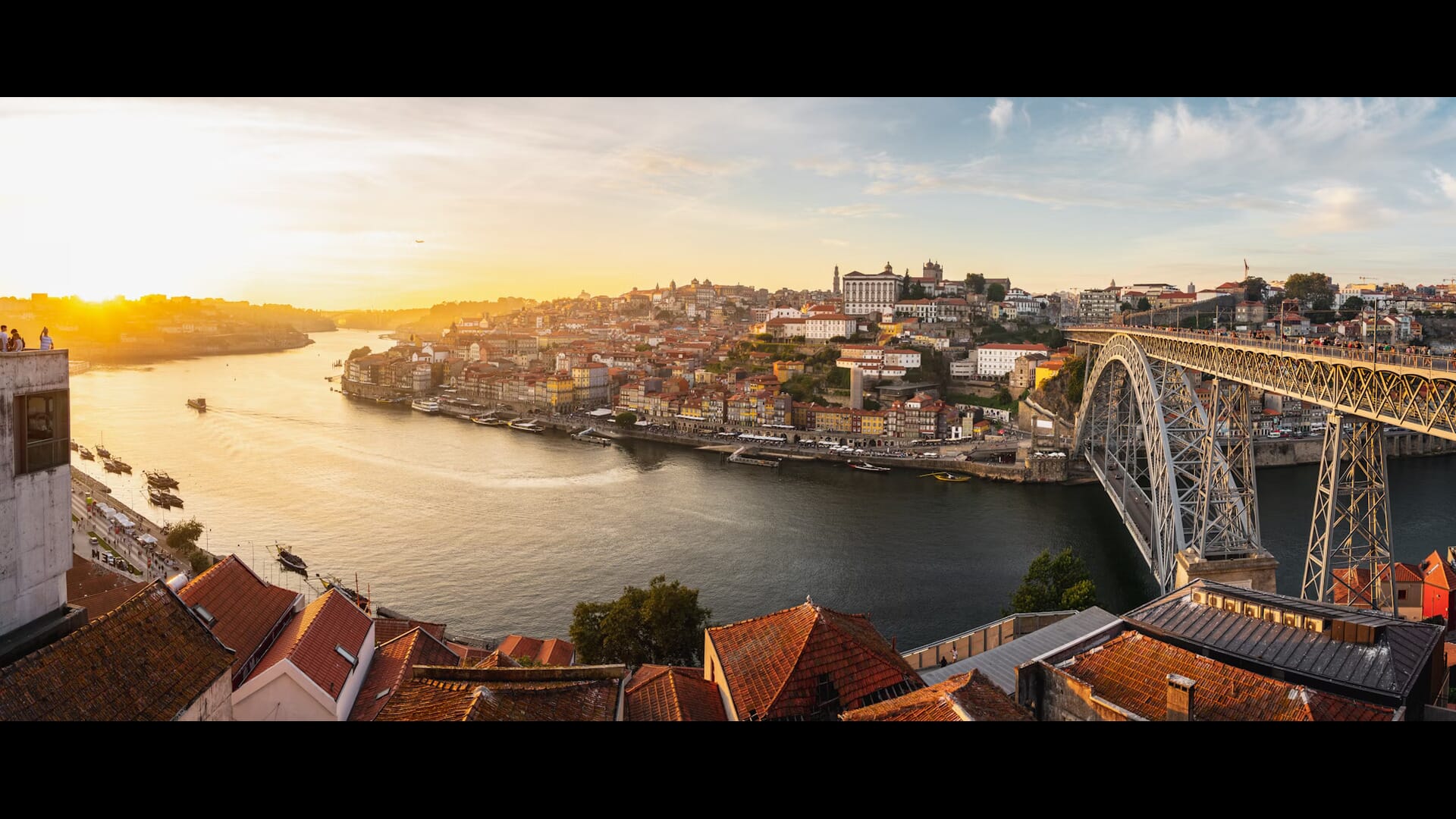
A Journey Through the Historic Sites of Sintra
A Journey Through the Historic Sites of Sintra
Sintra, a picturesque town nestled in the foothills of the Sintra mountains, is a treasure trove of history, culture, and breathtaking landscapes. Just a short train ride from Lisbon, this UNESCO World Heritage site is renowned for its romantic 19th-century architecture, stunning palaces, and lush gardens.
In this comprehensive travel guide, we will embark on a journey through the historic sites of Sintra, exploring its rich heritage and the enchanting beauty that has captivated visitors for centuries.
The Allure of Sintra: A Brief Introduction to Its History
Sintra's history dates back to prehistoric times, with evidence of human settlement found in the region's caves. The town flourished during the Moorish occupation in the 8th century, becoming a strategic military outpost. After the Reconquista in the 12th century, Sintra became a royal retreat, attracting Portuguese nobility and artists alike. The blend of Moorish, Gothic, and Manueline architectural styles creates a unique atmosphere that transports visitors back in time.
Planning Your Visit: How to Get to Sintra
Getting to Sintra from Lisbon
Reaching Sintra from Lisbon is a breeze. The most convenient option is to take the train from Rossio Station, which offers frequent services throughout the day. The journey takes approximately 40 minutes, and the scenic views of the Portuguese countryside make it a delightful experience. Once you arrive at Sintra's train station, you can either walk to the town center or hop on a local bus or taxi.
Best Time to Visit Sintra
While Sintra is beautiful year-round, the best time to visit is during the spring (March to May) and fall (September to October). During these months, the weather is mild, and the gardens are in full bloom, making it ideal for exploring the outdoor attractions. Summer can be crowded with tourists, while winter may bring rain, but the town's charm remains intact regardless of the season.
Must-Visit Historic Sites in Sintra
1. Pena Palace: A Fairytale Castle on the Hill
One of the most iconic landmarks in Sintra is the Pena Palace, a colorful and whimsical structure perched atop a hill. Built in the 19th century, this Romanticist palace is a fusion of architectural styles, including Neo-Gothic, Neo-Manueline, and Moorish influences. The vibrant colors of the palace, set against the backdrop of lush greenery, create a stunning visual spectacle.
Exploring the Interior of Pena Palace
Inside, visitors can wander through lavishly decorated rooms, including the grandiose Great Hall, the ornate chapel, and the royal apartments. Each room is adorned with intricate tile work, antique furniture, and stunning views of the surrounding landscape. Don't miss the opportunity to climb to the palace's highest point for panoramic views of Sintra and beyond.
2. Moorish Castle: A Glimpse into the Past
Just a short walk from Pena Palace lies the Moorish Castle, a fortress that dates back to the 8th century. This castle offers a fascinating glimpse into Sintra's Moorish heritage. As you ascend the stone walls, you'll be rewarded with breathtaking views of the town and the surrounding countryside.
The History of the Moorish Castle
The castle was built to defend the region against Christian forces during the Reconquista. Today, visitors can explore the well-preserved ruins, including towers, battlements, and the remnants of ancient walls. The castle's strategic location makes it a perfect spot for photography enthusiasts.
3. Quinta da Regaleira: A Mystical Estate
Quinta da Regaleira is a UNESCO World Heritage site that embodies the romantic spirit of Sintra. This enchanting estate features a palace, chapel, and stunning gardens filled with symbolic elements and hidden surprises.
The Architecture and Gardens of Quinta da Regaleira
The palace itself is a masterpiece of Gothic architecture, adorned with intricate carvings and decorative elements. The gardens are a labyrinth of pathways, grottoes, and fountains, inviting visitors to explore and discover the estate's secrets. One of the highlights is the Initiation Well, a spiral staircase that descends into the earth, symbolizing the journey of self-discovery.
4. Sintra National Palace: A Royal Residence
Located in the heart of Sintra, the Sintra National Palace is one of the best-preserved medieval royal residences in Portugal. With its distinctive conical chimneys and Manueline architecture, the palace is a testament to the town's royal history.
Discovering the Royal Apartments
Inside, visitors can explore the royal apartments, which are adorned with exquisite tile work and antique furnishings. The Great Hall, with its impressive ceiling and historical significance, is a must-see. The palace also offers stunning views of the town and the surrounding hills.
5. Monserrate Palace: An Exotic Retreat
Monserrate Palace is a lesser-known gem that showcases the eclectic architectural styles of the 19th century. This palace, surrounded by exotic gardens, was built as a summer retreat for the wealthy Englishman Sir Francis Cook.
The Unique Architecture of Monserrate Palace
The palace features a blend of Gothic, Indian, and Moorish influences, creating a unique and captivating aesthetic. Inside, visitors can admire the intricate details of the interiors, including the stunning stained glass and ornate ceilings. The gardens surrounding the palace are equally impressive, with a diverse collection of plants from around the world.
6. Capuchos Convent: A Tranquil Escape
Nestled in the woods, the Capuchos Convent is a serene and spiritual site that offers a glimpse into the lives of the Franciscan monks who once inhabited it. Built in the 16th century, this convent is known for its simplicity and harmony with nature.
The Architecture and Atmosphere of Capuchos Convent
The convent's architecture is characterized by its use of local materials, including cork, which was used for insulation. Visitors can explore the small cells, chapel, and communal areas, all set amidst the tranquil forest. The peaceful atmosphere makes it an ideal spot for reflection and contemplation.
7. The Gardens of Sintra: A Natural Wonderland
Sintra is not only known for its historic sites but also for its stunning gardens. The Gardens of Monserrate, Quinta da Regaleira, and the Pena Palace Gardens are just a few examples of the lush landscapes that await visitors.
Exploring the Gardens of Monserrate
The Gardens of Monserrate are a botanical paradise, featuring a diverse collection of plants from different continents. The winding paths lead to hidden grottos, fountains, and exotic trees, creating a magical atmosphere. Each season brings a new palette of colors, making it a year-round destination for nature lovers.
8. Sintra's Cultural Heritage: Festivals and Events
Sintra is not only a feast for the eyes but also a hub of cultural activities. Throughout the year, the town hosts various festivals and events that celebrate its rich heritage.
The Sintra Music Festival
One of the most notable events is the Sintra Music Festival, which attracts renowned musicians from around the world. Held in historic venues, the festival showcases classical music performances in a breathtaking setting, allowing visitors to experience the town's cultural vibrancy.
9. Culinary Delights: Traditional Sintra Cuisine
No journey through Sintra would be complete without indulging in its culinary delights. The town is famous for its traditional pastries, particularly the travesseiros and queijadas.
Where to Eat in Sintra
Visitors can find charming cafes and restaurants throughout the town, offering a taste of local cuisine. Be sure to try the travesseiros, a flaky pastry filled with almond cream, and the queijadas, a sweet cheese tart. Pair your treats with a glass of local wine for a truly authentic experience.
10. Tips for Exploring Sintra: Making the Most of Your Visit
To ensure a memorable experience in Sintra, consider the following tips:
- Wear Comfortable Shoes: The town's hilly terrain and cobblestone streets require comfortable footwear for exploring.
- Start Early: To avoid crowds, start your day early and visit popular sites like Pena Palace first.
- Use Public Transport: Sintra has an efficient public transport system, including buses that connect major attractions.
- Stay Hydrated: Bring a water bottle, especially during the warmer months, as you'll be doing a lot of walking.
- Plan Your Itinerary: With so much to see, planning your itinerary in advance can help you make the most of your visit.
Conclusion: The Timeless Charm of Sintra
A journey through the historic sites of Sintra is an experience like no other. From the fairytale-like Pena Palace to the tranquil Capuchos Convent, each site tells a story of the town's rich history and cultural heritage. Whether you're an architecture enthusiast, a nature lover, or a history buff, Sintra has something to offer everyone. As you explore its enchanting landscapes and immerse yourself in its vibrant culture, you'll understand why Sintra is often referred to as the crown jewel of Portugal. So pack your bags, grab your camera, and get ready to embark on an unforgettable adventure through the historic sites of Sintra!