
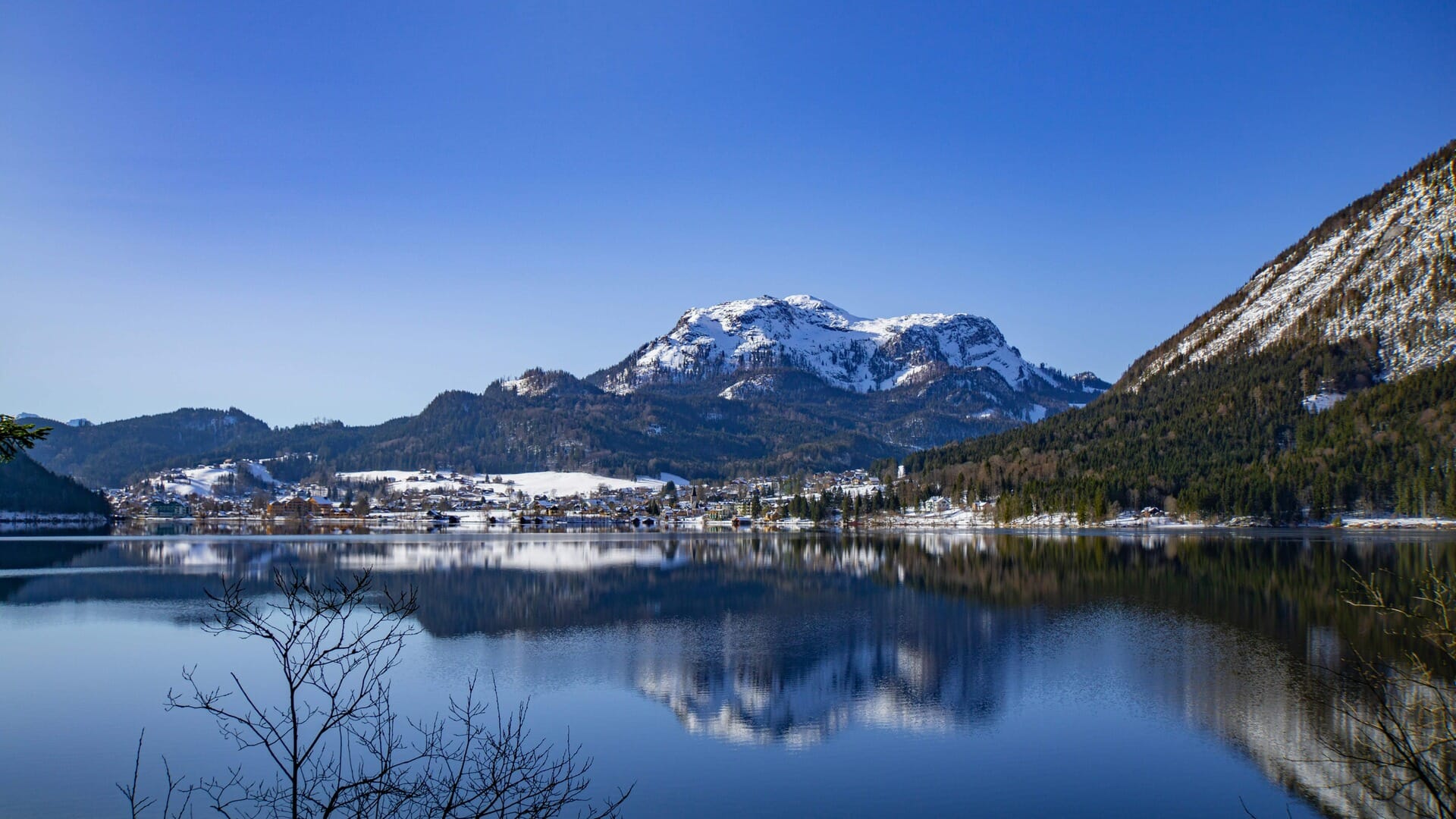
A Journey Through Austria’s Unique Flora and Fauna
A Journey Through Austria’s Unique Flora and Fauna
Austria, a landlocked country nestled in the heart of Europe, is renowned for its majestic mountains, picturesque villages, and rich cultural heritage. However, beyond its stunning landscapes and historical landmarks lies a treasure trove of biodiversity that is often overlooked. This article takes you on a journey through Austria’s unique flora and fauna, exploring the diverse ecosystems, rare species, and the conservation efforts that are essential to preserving this natural wealth.
The Ecological Tapestry of Austria: An Overview of Biodiversity
Austria is home to a remarkable variety of ecosystems, ranging from the towering peaks of the Alps to the serene wetlands of the Danube River. This ecological tapestry supports a rich diversity of plant and animal life, making it a paradise for nature enthusiasts and wildlife photographers alike. With over 3,000 species of plants and more than 80 species of mammals, Austria's biodiversity is a testament to the country's commitment to conservation and sustainable practices.
The Alpine Ecosystem: A High-Altitude Wonderland
The Austrian Alps are a breathtaking sight, with their snow-capped peaks and lush valleys. This region is characterized by its unique alpine flora, which includes a variety of endemic species. The alpine ecosystem is home to resilient plants such as the Edelweiss (Leontopodium alpinum), a symbol of the Alps, and the Alpine Aster (Aster alpinus), which adds a splash of color to the rocky terrain.
Flora of the Alpine Region
The harsh conditions of high altitudes have led to the evolution of specialized plants that can withstand extreme temperatures and limited nutrients. Some notable species include:
- Mountain Pine (Pinus mugo): A hardy tree that thrives in rocky soils.
- Alpine Buttercup (Ranunculus alpestris): A vibrant yellow flower that blooms in the summer months.
- Gentian (Gentiana spp.): Known for its striking blue flowers, gentians are a favorite among hikers.
Fauna of the Alpine Region
The alpine region is not only rich in plant life but also supports a variety of wildlife. Some of the notable animals include:
- Chamois (Rupicapra rupicapra): A nimble goat-antelope that is well adapted to steep terrains.
- Alpine Ibex (Capra ibex): A majestic mountain goat known for its impressive curved horns.
- Golden Eagle (Aquila chrysaetos): A powerful bird of prey that soars high above the mountains.
The Danube River: A Lifeline for Biodiversity
The Danube River, one of Europe’s longest rivers, flows through Austria and serves as a vital habitat for numerous species. The river's diverse ecosystems, including wetlands, floodplains, and riverbanks, support a rich array of flora and fauna.
Wetlands and Floodplains: A Habitat of Rich Diversity
Wetlands along the Danube are crucial for maintaining biodiversity. They provide breeding grounds for various bird species and serve as a sanctuary for migratory birds. Some of the key species found in these wetlands include:
- Great Egret (Ardea alba): A large white heron that is often seen hunting in shallow waters.
- Common Kingfisher (Alcedo atthis): A small, colorful bird known for its fishing prowess.
- European Pond Turtle (Emys orbicularis): A species that thrives in freshwater habitats.
Flora of the Danube Region
The banks of the Danube are adorned with lush vegetation, including:
- Reed Beds (Phragmites australis): These dense stands provide shelter for numerous bird species.
- Willow Trees (Salix spp.): Commonly found along riverbanks, willows are vital for stabilizing soil and providing habitat.
- Water Lilies (Nymphaea spp.): These beautiful aquatic plants add to the river's charm.
The Forests of Austria: A Green Sanctuary
Austria's forests cover nearly 47% of the country's land area, making them a vital component of its natural heritage. These forests are home to a diverse range of flora and fauna, providing essential ecosystem services.
Types of Forests in Austria
Austria boasts a variety of forest types, including:
- Deciduous Forests: Dominated by species such as oak, beech, and hornbeam, these forests are rich in biodiversity.
- Coniferous Forests: Predominantly found in mountainous regions, coniferous forests are home to species like spruce and fir.
- Mixed Forests: A combination of deciduous and coniferous trees, mixed forests support a wide range of wildlife.
Wildlife in Austria’s Forests
The forests of Austria are teeming with life. Some notable species include:
- Red Deer (Cervus elaphus): A majestic animal that roams the forests and is a symbol of Austria's wilderness.
- European Badger (Meles meles): A nocturnal mammal known for its distinctive black and white markings.
- Woodpeckers: Various species, including the Great Spotted Woodpecker (Dendrocopos major), can be found in these forests.
Conservation Efforts: Protecting Austria’s Natural Heritage
As the pressures of urbanization and climate change threaten Austria’s biodiversity, conservation efforts are more critical than ever. Various organizations and government initiatives are working tirelessly to protect the country’s unique flora and fauna.
National Parks and Protected Areas
Austria is home to several national parks that serve as sanctuaries for wildlife and natural habitats. Some of the most notable include:
- Hohe Tauern National Park: The largest national park in Austria, it is a haven for alpine flora and fauna.
- Donau-Auen National Park: Protecting the wetlands along the Danube, this park is crucial for migratory birds.
- Gesäuse National Park: Known for its rugged landscapes, it is home to diverse wildlife and plant species.
Community Involvement in Conservation
Local communities play a vital role in conservation efforts. Many engage in sustainable practices, such as:
- Eco-Tourism: Promoting responsible travel that benefits local economies while preserving natural habitats.
- Wildlife Monitoring: Citizen science initiatives allow locals to contribute to wildlife research and conservation.
- Education Programs: Schools and organizations promote awareness about the importance of biodiversity and conservation.
Hiking Through Austria’s Natural Wonders
One of the best ways to experience Austria’s unique flora and fauna is through hiking. The country offers a plethora of trails that lead through stunning landscapes, providing opportunities to observe wildlife and appreciate the beauty of nature.
Popular Hiking Trails in Austria
- The Eagle Walk: A long-distance trail that traverses the Tyrolean Alps, offering breathtaking views and encounters with alpine wildlife.
- The Danube Cycle Path: A scenic route that follows the Danube River, perfect for those who want to explore the wetlands and riverbanks.
- The Gesäuse National Park Trail: A challenging hike that rewards adventurers with stunning vistas and diverse ecosystems.
Tips for Responsible Hiking
When exploring Austria’s natural wonders, it’s essential to practice responsible hiking. Some tips include:
- Stay on Marked Trails: Protect fragile ecosystems by sticking to established paths.
- Leave No Trace: Carry out all trash and minimize your impact on the environment.
- Respect Wildlife: Observe animals from a distance and avoid disturbing their habitats.
Photography: Capturing Austria’s Flora and Fauna
For nature enthusiasts and photographers, Austria offers endless opportunities to capture stunning images of its unique flora and fauna. From the vibrant colors of alpine flowers to the majestic presence of wildlife, the country is a photographer's dream.
Best Locations for Wildlife Photography
- Hohe Tauern National Park: Ideal for capturing alpine wildlife, including ibex and golden eagles.
- Danube-Auen National Park: A hotspot for birdwatching and photographing migratory species.
- National Park Gesäuse: Offers dramatic landscapes and opportunities to photograph diverse flora.
Tips for Nature Photography
To enhance your nature photography skills, consider the following tips:
- Use Natural Light: Early morning and late afternoon provide the best lighting for outdoor photography.
- Be Patient: Wildlife can be unpredictable; patience is key to capturing the perfect shot.
- Focus on Details: Close-up shots of flowers and insects can reveal the beauty of nature in a unique way.
The Cultural Connection: Austria’s Flora and Fauna in Tradition
Austria’s rich cultural heritage is deeply intertwined with its natural environment. Many traditions, folklore, and art forms celebrate the country’s unique flora and fauna.
Folklore and Mythology
Austrian folklore is filled with stories that highlight the relationship between people and nature. For example, the Edelweiss flower is not only a symbol of the Alps but also features prominently in songs and tales that celebrate love and bravery.
Art and Literature
Many Austrian artists and writers have drawn inspiration from the country’s natural beauty. The works of Franz Schubert and Gustav Klimt often reflect the landscapes and flora of Austria, showcasing the profound connection between culture and nature.
Conclusion: Embracing Austria’s Natural Beauty
As we conclude this journey through Austria’s unique flora and fauna, it becomes clear that this country is a treasure trove of biodiversity. From the majestic Alps to the tranquil Danube, Austria’s landscapes are not only beautiful but also vital for the survival of countless species. By exploring these natural wonders, we not only enrich our own lives but also contribute to the preservation of this incredible heritage for future generations. Whether you are a hiker, a wildlife photographer, or simply a lover of nature, Austria invites you to discover its unique flora and fauna and embrace the beauty that lies within.
In the words of Austrian poet Rainer Maria Rilke, “The only journey is the one within.” Let this journey through Austria’s flora and fauna inspire you to explore not only the natural world but also the depths of your own connection to it.