
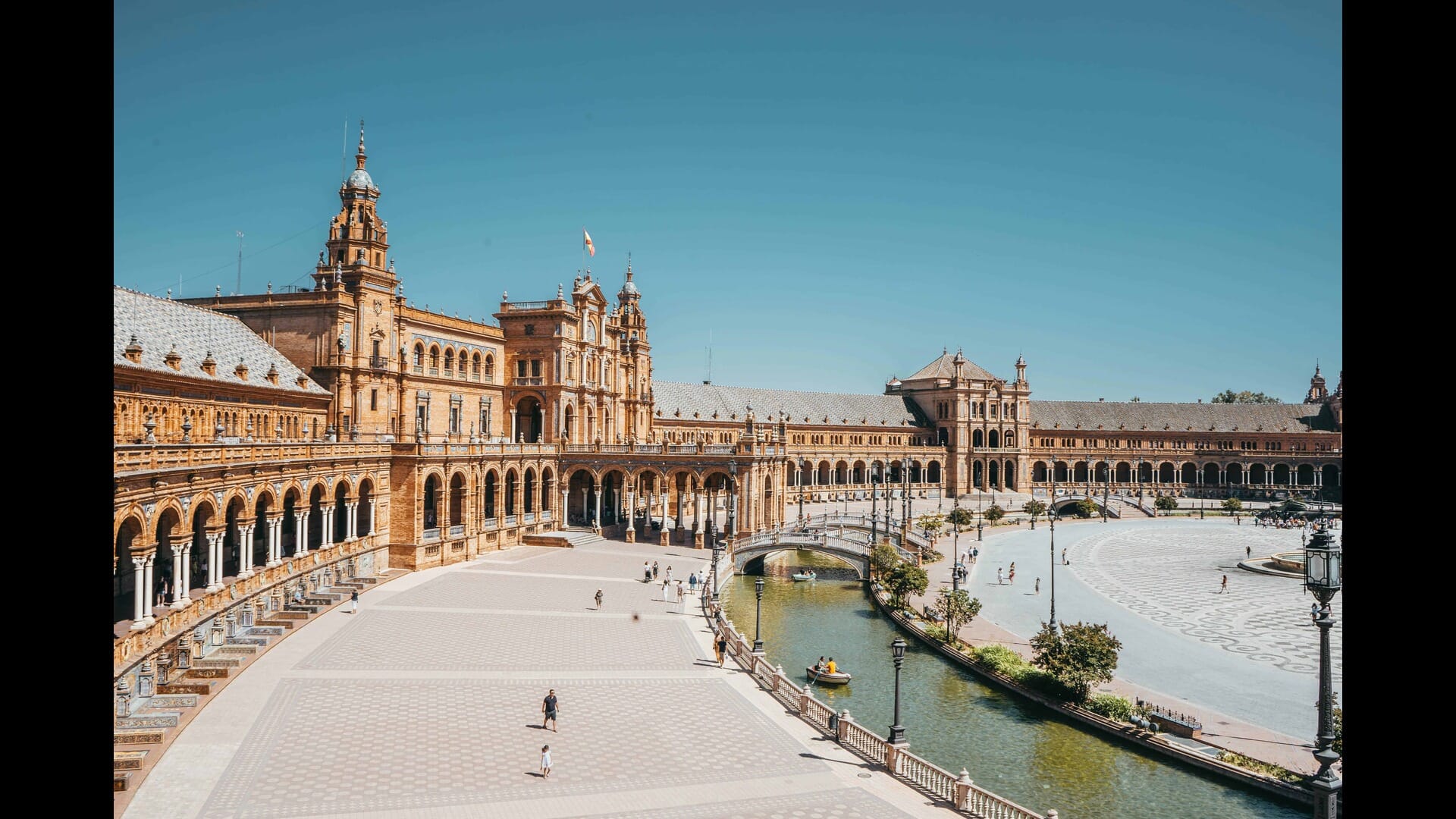
A Journey Through the Artistic Heritage of Granada
A Journey Through the Artistic Heritage of Granada
Granada, a city nestled in the foothills of the Sierra Nevada mountains in southern Spain, is a treasure trove of artistic heritage. With its rich tapestry of history, culture, and art, Granada offers a unique journey through time, showcasing influences from the Islamic Golden Age to the Renaissance and beyond.
This article delves deep into the artistic heritage of Granada, exploring its historical landmarks, vibrant art scene, and cultural festivals that make this city a must-visit destination.
The Historical Significance of Granada’s Artistic Heritage
Granada's artistic heritage is a reflection of its complex history. Once the last stronghold of the Moors in Spain, the city was a melting pot of cultures, where Islamic, Christian, and Jewish influences coalesced to create a unique artistic identity. The fall of Granada in 1492 marked the end of Muslim rule in Spain, but it also ushered in a new era of artistic expression that blended these diverse influences.
The Alhambra: A Testament to Islamic Architecture
One cannot discuss the artistic heritage of Granada without mentioning the Alhambra. This UNESCO World Heritage site is a stunning example of Islamic architecture, characterized by intricate tile work, ornate stucco, and lush gardens. Built in the mid-13th century, the Alhambra served as a palace and fortress for the Nasrid dynasty.
As you wander through the Nasrid Palaces, you’ll be captivated by the delicate craftsmanship of the walls adorned with arabesques and calligraphy. The Court of the Lions, with its iconic fountain and twelve marble lions, is a highlight that showcases the fusion of art and nature. The Generalife, the summer palace of the Nasrid rulers, offers breathtaking views of the city and the Sierra Nevada, providing a serene escape that reflects the Islamic appreciation for gardens.
The Renaissance Influence: A Shift in Artistic Expression
Following the Reconquista, Granada experienced a Renaissance revival that transformed its artistic landscape. Christian monarchs commissioned numerous churches and palaces, blending Gothic and Mudejar styles. The Granada Cathedral, built on the site of a former mosque, is a prime example of this architectural shift. Its grand façade and intricate altarpieces reflect the power and influence of the Catholic Church during this period.
The Royal Chapel, adjacent to the cathedral, houses the tombs of the Catholic Monarchs, Ferdinand and Isabella. The chapel is adorned with stunning altarpieces and religious art that signify the transition from Islamic to Christian artistic traditions.
Exploring Granada’s Vibrant Art Scene
Beyond its historical landmarks, Granada boasts a vibrant contemporary art scene that thrives in its galleries, street art, and cultural festivals. The city is home to numerous artists who draw inspiration from its rich history and stunning landscapes.
Street Art: A Modern Canvas
Granada's streets are alive with color, thanks to its burgeoning street art scene. Artists from around the world have left their mark on the city, transforming blank walls into vibrant murals that reflect social issues, cultural identity, and the spirit of Granada. The neighborhoods of Realejo and Sacromonte are particularly known for their street art, where you can find everything from large-scale murals to intricate stencils.
One of the most famous street artists, El Niño de las Pinturas, has created stunning works that celebrate the city’s history and culture. As you stroll through the streets, take the time to appreciate these modern masterpieces that coexist with the historical architecture.
Art Galleries and Cultural Spaces
Granada is home to a variety of art galleries that showcase both local and international artists. The Centro José Guerrero, dedicated to the works of the renowned painter José Guerrero, features contemporary art exhibitions that challenge traditional artistic boundaries. The gallery hosts regular events and workshops, making it a hub for artistic exchange.
Another notable space is the Palacio de los Condes de Gabia, which hosts temporary exhibitions and cultural events. The blend of historical architecture and contemporary art creates a unique atmosphere that reflects Granada’s artistic evolution.
Cultural Festivals Celebrating Granada’s Artistic Heritage
Granada’s cultural calendar is filled with festivals that celebrate its artistic heritage, providing visitors with a chance to experience the city’s vibrant culture firsthand.
The International Festival of Music and Dance
One of the most prestigious events in Granada is the International Festival of Music and Dance, held annually in June and July. This festival transforms the Alhambra and other historic venues into stages for world-class performances. From flamenco to classical music, the festival showcases a diverse range of artistic expressions that highlight Granada’s cultural richness.
Attending a performance in the stunning setting of the Alhambra is an unforgettable experience. The combination of music, dance, and history creates a magical atmosphere that resonates with the audience.
Flamenco: The Heartbeat of Granada
Flamenco is an integral part of Granada’s artistic heritage, deeply rooted in the city’s history and culture. The Sacromonte neighborhood, known for its cave dwellings, is the epicenter of flamenco in Granada. Here, you can find numerous tablaos (flamenco venues) where you can enjoy live performances.
The annual Festival Internacional de Flamenco de Granada celebrates this passionate art form, attracting dancers, musicians, and enthusiasts from around the world. The festival features performances, workshops, and competitions, providing a platform for both established and emerging artists.
Museums Showcasing Granada’s Artistic Legacy
Granada is home to several museums that preserve and showcase its artistic heritage, offering visitors a deeper understanding of the city’s history and culture.
The Museo de Bellas Artes
Located within the Alhambra complex, the Museo de Bellas Artes houses an impressive collection of Spanish art from the Middle Ages to the 20th century. The museum features works by renowned artists such as Alonso Cano and Francisco de Goya, as well as a significant collection of Mudejar art that reflects the city’s Islamic heritage.
As you explore the museum, you’ll encounter a diverse range of artistic styles and mediums, from religious paintings to contemporary sculptures. The museum’s setting within the Alhambra adds to the experience, allowing visitors to appreciate the connection between art and architecture.
The Science Park of Granada
For those interested in the intersection of art and science, the Parque de las Ciencias (Science Park) offers a unique perspective. This interactive museum features exhibitions that explore the relationship between art, science, and technology. The museum hosts temporary art exhibitions, workshops, and educational programs that engage visitors of all ages.
Culinary Arts: A Taste of Granada’s Heritage
Granada’s artistic heritage extends beyond visual arts to include its culinary traditions. The city’s cuisine is a reflection of its diverse cultural influences, blending flavors from Spain’s Moorish past with contemporary culinary techniques.
Traditional Dishes and Tapas Culture
Granada is famous for its tapas culture, where bars serve small plates of delicious food to accompany drinks. Traditional dishes such as tortilla española (Spanish omelette), patatas bravas (spicy potatoes), and jamón ibérico (Iberian ham) are staples in local bars. The city’s proximity to the Sierra Nevada also means that fresh produce and local ingredients play a significant role in its culinary scene.
Culinary Festivals and Events
The annual Feria del Libro (Book Fair) in Granada often features food stalls showcasing local delicacies, allowing visitors to indulge in the city’s culinary arts while celebrating literature. Additionally, the Gastronomic Festival of Granada highlights the region’s culinary heritage, featuring tastings, cooking demonstrations, and workshops led by local chefs.
The Influence of Granada’s Artistic Heritage on Modern Artists
Granada continues to inspire contemporary artists, who draw from its rich cultural tapestry to create innovative works. The city’s unique blend of history, architecture, and natural beauty serves as a muse for painters, sculptors, and performers alike.
Emerging Artists and Their Inspirations
Many young artists in Granada are exploring themes of identity, memory, and cultural heritage in their work. The city’s vibrant street art scene, for example, reflects the voices of a new generation that seeks to challenge societal norms and express their experiences.
Exhibitions featuring emerging artists often take place in alternative spaces, such as former factories and warehouses, where creativity flourishes outside traditional gallery settings. These spaces foster collaboration and experimentation, allowing artists to push the boundaries of their craft.
The Role of Art Education in Granada
Art education plays a crucial role in nurturing talent and preserving Granada’s artistic heritage. Institutions such as the Escuela de Arte de Granada offer programs in fine arts, design, and crafts, providing students with the skills and knowledge to carry on the city’s artistic traditions.
Workshops, masterclasses, and community projects encourage collaboration between established artists and students, fostering a vibrant artistic community that continues to thrive.
Conclusion: Embracing the Artistic Heritage of Granada
A journey through the artistic heritage of Granada is a captivating experience that reveals the city’s rich history and cultural diversity. From the breathtaking architecture of the Alhambra to the vibrant street art that adorns its walls, Granada is a living canvas that tells the story of its past while embracing the future.
Whether you’re exploring its historic landmarks, attending a flamenco performance, or savoring the flavors of its cuisine, Granada invites you to immerse yourself in its artistic legacy. As you wander through its streets, you’ll discover that the spirit of creativity is woven into the very fabric of this enchanting city, making it a destination that resonates with artists and travelers alike.
In conclusion, Granada is not just a city; it is a testament to the power of art to transcend time and culture. As you embark on your journey through its artistic heritage, you’ll find inspiration in every corner, reminding you that art is a universal language that connects us all.