
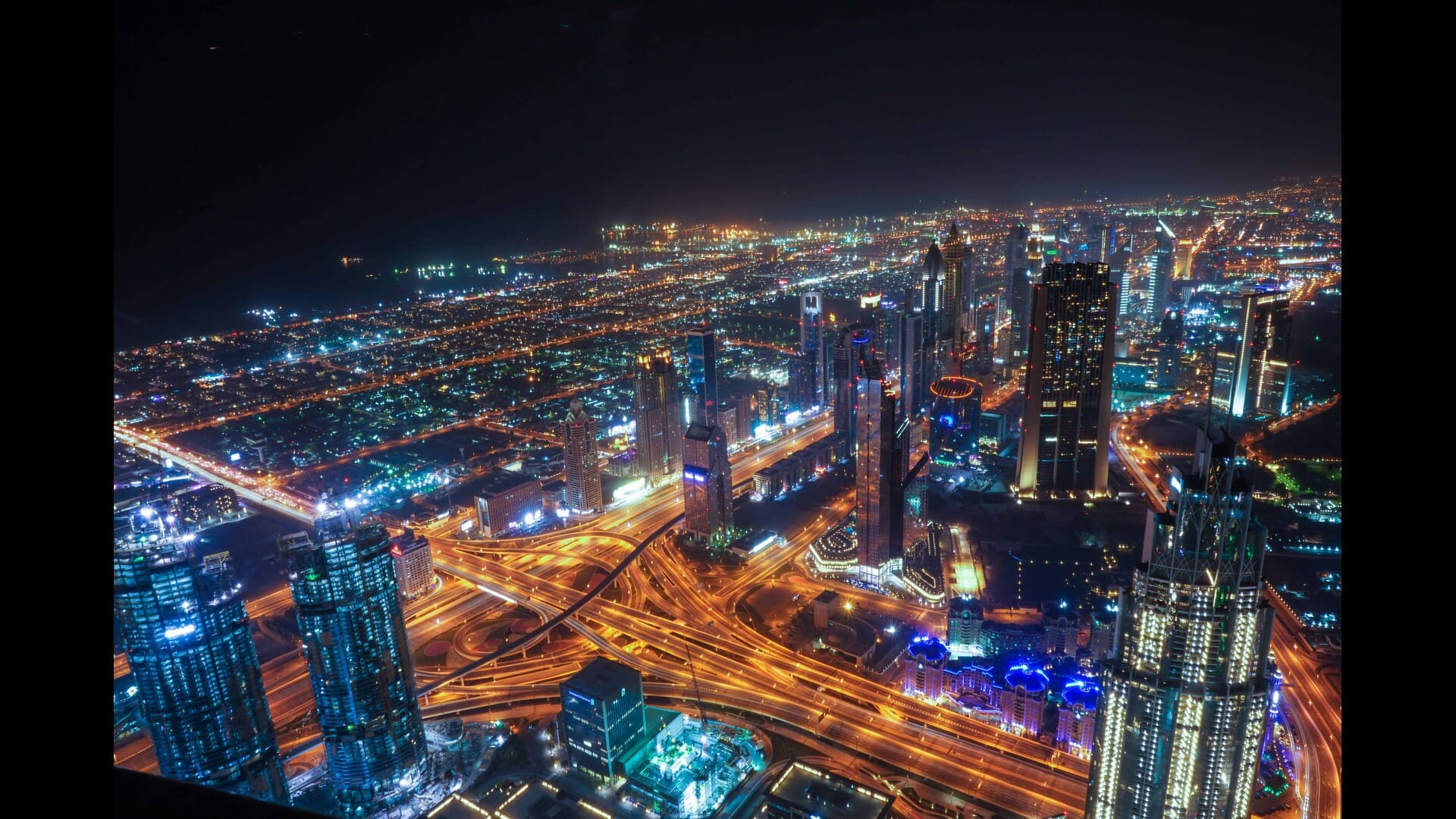
A Journey Through the Architecture of Dubai
A Journey Through the Architecture of Dubai
Dubai, a city that has risen from the sands of the desert to become a global hub of innovation and luxury, is renowned for its breathtaking architecture. The skyline is a mesmerizing blend of modern skyscrapers, traditional structures, and a unique cultural heritage that reflects the city’s rapid growth and transformation.
In this article, we will embark on a journey through the architecture of Dubai, exploring its iconic buildings, architectural styles, and the stories behind them.
The Evolution of Dubai's Architectural Landscape
From Humble Beginnings to a Modern Metropolis
Dubai's architectural journey began in the early 20th century, when it was a small fishing village. The city’s first structures were simple, made from coral and palm fronds, reflecting the traditional Emirati lifestyle. As the discovery of oil in the 1960s transformed Dubai into a bustling economic center, the architectural landscape began to evolve dramatically.
In the 1970s and 1980s, Dubai saw the construction of its first high-rise buildings, marking the beginning of a new era. The city’s skyline began to take shape, characterized by innovative designs and cutting-edge engineering. Today, Dubai is home to some of the tallest and most unique buildings in the world, showcasing a blend of modernity and tradition.
The Role of Culture in Shaping Dubai's Architecture
The architecture of Dubai is not just about aesthetics; it is deeply intertwined with the city’s culture and heritage. Traditional Islamic architecture has significantly influenced the design of many structures, incorporating elements such as intricate geometric patterns, domes, and minarets. This cultural infusion is evident in the design of the Dubai Museum and the historic Al Fahidi neighborhood, where traditional wind towers and courtyard houses tell the story of Dubai’s past.
Iconic Skyscrapers: The Crown Jewels of Dubai
Burj Khalifa: The Tallest Building in the World
No journey through Dubai's architecture would be complete without a visit to the Burj Khalifa, the tallest building in the world. Standing at a staggering 828 meters, this architectural marvel is a testament to human ingenuity and ambition. Designed by the renowned architect Adrian Smith of Skidmore, Owings & Merrill, the Burj Khalifa features a unique triple-lobed footprint inspired by the Hymenocallis flower.
The building's exterior is clad in reflective glass, which not only enhances its aesthetic appeal but also minimizes energy consumption. Visitors can take an elevator to the observation deck on the 148th floor, where they are treated to breathtaking panoramic views of the city and beyond.
The Burj Al Arab: A Symbol of Luxury
Often referred to as the world’s only seven-star hotel, the Burj Al Arab is an iconic symbol of luxury and opulence. Designed by architect Tom Wright, the hotel’s sail-like silhouette rises majestically from the Arabian Gulf. The exterior is adorned with a stunning white fabric that shimmers in the sunlight, while the interior boasts lavish suites, fine dining restaurants, and a helipad.
The Burj Al Arab is not just a hotel; it is an experience. Guests can indulge in world-class amenities, including a private beach, a luxurious spa, and personalized butler service. The hotel’s design reflects the rich cultural heritage of the UAE, blending traditional Arabian elements with modern luxury.
The Cactus Tower: A Unique Architectural Statement
Among Dubai’s many skyscrapers, the Cactus Tower stands out for its unconventional design. Inspired by the natural beauty of the desert, this building features a façade that resembles the spines of a cactus. The architect, Zaha Hadid, aimed to create a structure that harmonizes with its surroundings while making a bold statement.
The Cactus Tower is a mixed-use development, housing offices, retail spaces, and residential units. Its innovative design not only captures the essence of Dubai's desert landscape but also serves as a reminder of the city’s commitment to sustainability and environmental consciousness.
Traditional Architecture: A Glimpse into the Past
Al Fahidi Historical Neighborhood: Preserving Heritage
To truly appreciate the architectural diversity of Dubai, one must visit the Al Fahidi Historical Neighborhood. This area, also known as Al Bastakiya, is a well-preserved example of traditional Emirati architecture. The narrow lanes are lined with wind-tower houses, which were designed to provide natural ventilation in the hot desert climate.
The buildings are constructed from coral stone and plaster, showcasing intricate wooden latticework and decorative motifs. Walking through Al Fahidi is like stepping back in time, offering a glimpse into Dubai’s rich cultural heritage. The neighborhood is also home to several museums, art galleries, and cultural centers that celebrate the city’s history and artistic expression.
The Dubai Museum: A Journey Through Time
Located within the Al Fahidi Fort, the Dubai Museum is a must-visit for anyone interested in the city’s history. The museum’s architecture reflects traditional Emirati design, with thick walls and wooden beams that provide shade and coolness. Inside, visitors can explore exhibits that showcase Dubai’s transformation from a humble fishing village to a global metropolis.
The museum features life-size dioramas, artifacts, and multimedia displays that bring the city’s history to life. It is an educational experience that highlights the importance of preserving cultural heritage amidst rapid modernization.
Architectural Styles: A Fusion of Modernity and Tradition
Islamic Architecture: A Lasting Influence
Islamic architecture has played a significant role in shaping Dubai’s architectural identity. The use of intricate tile work, calligraphy, and geometric patterns is evident in many of the city’s buildings, including mosques, palaces, and public spaces. The Sheikh Zayed Grand Mosque, although located in Abu Dhabi, serves as an inspiration for many structures in Dubai, showcasing the beauty of Islamic design.
Contemporary Architecture: Pushing Boundaries
Dubai is also known for its contemporary architecture, which pushes the boundaries of design and engineering. Architects like Frank Gehry and Norman Foster have contributed to the city’s skyline with their innovative designs. The Dubai Opera, for example, features a unique dhow-shaped structure that reflects the city’s maritime heritage while providing a world-class venue for performing arts.
The use of sustainable materials and energy-efficient technologies is becoming increasingly important in contemporary architecture. Many new buildings in Dubai are designed with green roofs, solar panels, and water-saving systems, showcasing the city’s commitment to sustainability.
The Future of Dubai's Architecture
Smart Cities and Sustainable Design
As Dubai continues to grow, the focus on smart cities and sustainable design is becoming more pronounced. The Dubai 2040 Urban Master Plan aims to create a sustainable urban environment that prioritizes green spaces, public transportation, and smart technologies. This vision includes the development of new architectural projects that integrate nature and technology seamlessly.
Innovative designs, such as vertical gardens and eco-friendly skyscrapers, are being explored to reduce the city’s carbon footprint. The upcoming Dubai Creek Tower, set to surpass the Burj Khalifa in height, will incorporate sustainable features and smart technologies, further solidifying Dubai’s position as a leader in modern architecture.
Preserving Cultural Heritage Amidst Modernization
While Dubai embraces modernity, there is a growing awareness of the importance of preserving cultural heritage. Initiatives are underway to restore and protect historical sites, ensuring that future generations can appreciate the city’s rich architectural legacy. The Dubai Culture and Arts Authority is actively involved in promoting cultural heritage through various programs and events.
Architectural Tours: Exploring Dubai's Marvels
Guided Tours: Discovering Hidden Gems
For those looking to explore Dubai’s architectural wonders, guided tours offer a fantastic opportunity to discover hidden gems and learn about the stories behind each structure. Many tour companies provide specialized architectural tours that take visitors through iconic landmarks, traditional neighborhoods, and modern developments.
These tours often include visits to the Burj Khalifa, Burj Al Arab, and the Dubai Marina, as well as lesser-known sites like the Jumeirah Mosque and the Dubai Frame. Knowledgeable guides share insights into the architectural styles, cultural significance, and engineering feats that define Dubai’s skyline.
Self-Guided Tours: A Personal Exploration
For the more adventurous traveler, self-guided architectural tours can be a rewarding experience. Armed with a map and a camera, visitors can explore Dubai at their own pace, stopping to admire the intricate details of each building. The Dubai Marina Walk, for example, offers stunning views of the waterfront and the impressive skyscrapers that line the coast.
Additionally, the Al Seef district along Dubai Creek combines traditional and modern architecture, providing a picturesque setting for exploration. The blend of old and new creates a unique atmosphere that captures the essence of Dubai’s architectural journey.
Conclusion: The Architectural Tapestry of Dubai
Dubai’s architecture is a testament to the city’s ambition, creativity, and cultural heritage. From the soaring heights of the Burj Khalifa to the charming streets of Al Fahidi, each structure tells a story of innovation and tradition. As the city continues to evolve, it remains committed to preserving its rich history while embracing the future.
Whether you are an architecture enthusiast, a history buff, or a curious traveler, Dubai offers a wealth of experiences that celebrate the beauty of design and the spirit of human achievement. A journey through the architecture of Dubai is not just a visual feast; it is an exploration of the dreams and aspirations that have shaped this remarkable city.