
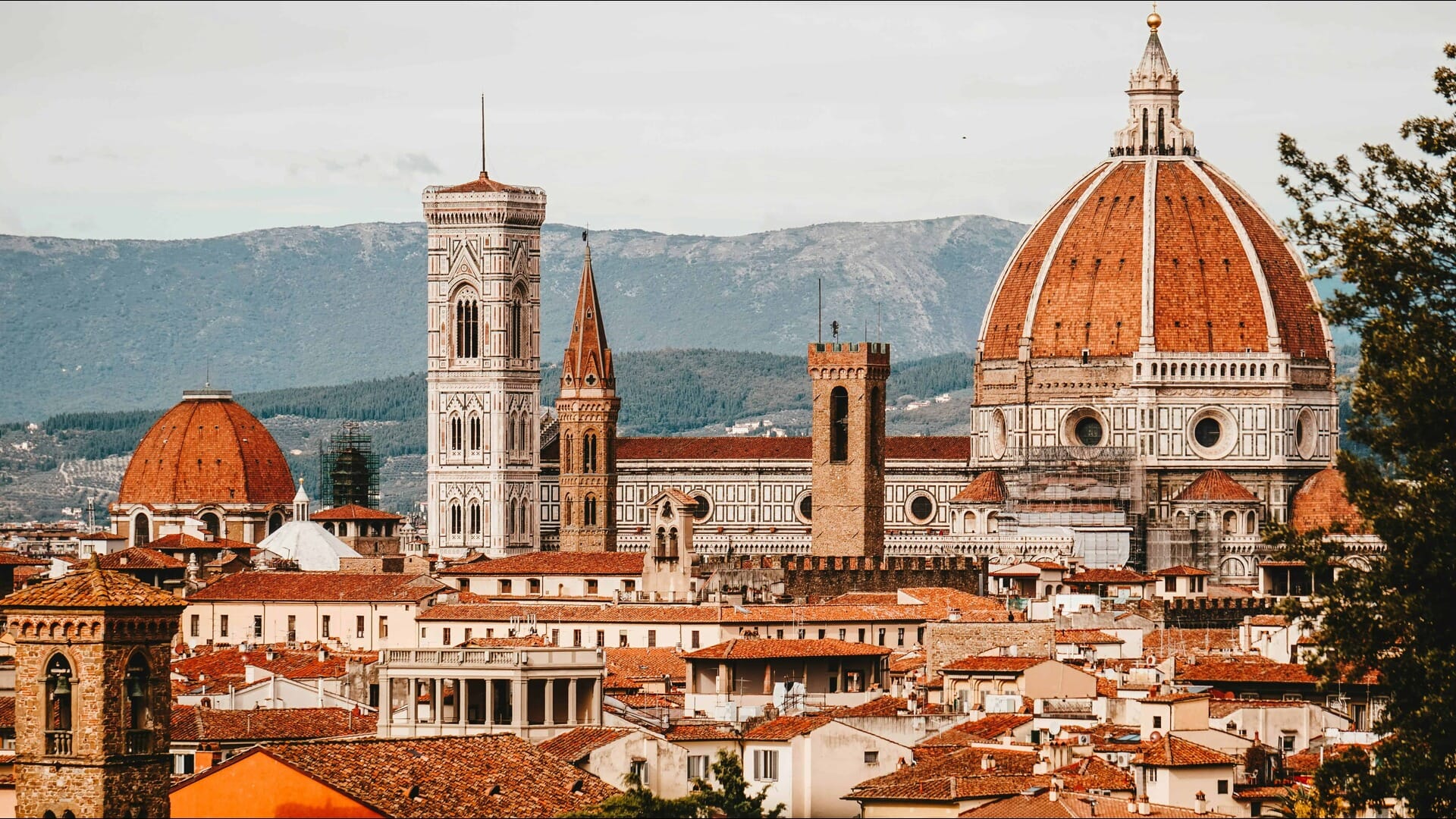
Italy's Sacred Sites: Pilgrimage to Assisi
Italy's Sacred Sites: Pilgrimage to Assisi
Assisi, a small town nestled in the rolling hills of Umbria, Italy, is a destination that resonates deeply with those seeking spiritual enlightenment and historical richness. Known primarily as the birthplace of St. Francis of Assisi, this enchanting town is a beacon for pilgrims and travelers alike.
The pilgrimage to Assisi is not merely a journey through picturesque landscapes; it is an exploration of faith, culture, and the profound impact of one man's life on the world.
The Historical Significance of Assisi
Assisi's history dates back to the Roman era, but it was in the 12th century that it began to flourish as a center of spirituality. The town is steeped in the legacy of St. Francis, who founded the Franciscan Order and dedicated his life to serving the poor and embracing nature. His teachings on humility, compassion, and love for all living beings continue to inspire millions today.
The Life of St. Francis of Assisi
Born Giovanni di Pietro di Bernardone in 1181, St. Francis experienced a profound spiritual awakening that transformed his life. After a period of indulgence in worldly pleasures, he renounced his wealth and devoted himself to a life of poverty and service. His love for nature and all creatures led him to preach a message of peace and harmony, which is celebrated in the many sacred sites scattered throughout Assisi.
Preparing for Your Pilgrimage to Assisi
Before embarking on your pilgrimage, it’s essential to prepare both physically and spiritually. The journey to Assisi can be both challenging and rewarding, and understanding the significance of your pilgrimage will enhance your experience.
Choosing the Right Time to Visit Assisi
The best time to visit Assisi is during the spring (April to June) and fall (September to October) when the weather is mild, and the crowds are thinner. These seasons allow for a more intimate experience as you wander through the cobblestone streets and visit the sacred sites. Additionally, the annual Feast of St. Francis on October 4th draws many pilgrims, creating a vibrant atmosphere filled with celebrations.
Packing Essentials for Your Pilgrimage
When packing for your pilgrimage, consider the following essentials:
- Comfortable Walking Shoes: Assisi is best explored on foot, and comfortable shoes are a must.
- Lightweight Clothing: Depending on the season, pack layers to accommodate changing weather.
- A Journal: Document your thoughts and reflections during your journey.
- A Camera: Capture the breathtaking landscapes and sacred sites along the way.
Exploring the Sacred Sites of Assisi
Assisi is home to numerous sacred sites, each with its unique history and significance. Here are some of the must-visit locations during your pilgrimage.
1. Basilica of San Francesco d'Assisi
The Basilica of San Francesco d'Assisi is the most important pilgrimage site in Assisi. This UNESCO World Heritage Site is divided into two churches: the Upper Church and the Lower Church. The Upper Church is adorned with stunning frescoes by Giotto, depicting the life of St. Francis. The Lower Church houses his tomb, where pilgrims can pay their respects.
The Architectural Marvel of the Basilica
The architecture of the Basilica is a blend of Romanesque and Gothic styles, creating a visually striking structure that draws visitors from around the world. The use of local stone gives it a unique character, and the serene atmosphere invites contemplation and prayer.
2. The Hermitage of Carceri
Located just outside Assisi, the Hermitage of Carceri is a tranquil retreat where St. Francis often sought solitude and communion with nature. The hermitage is surrounded by lush forests and offers breathtaking views of the valley below. Pilgrims can explore the small chapels and meditation areas that reflect St. Francis's deep connection with God and creation.
A Place for Reflection
The Hermitage of Carceri is an ideal spot for reflection and prayer. Take a moment to sit in silence, allowing the peaceful surroundings to envelop you. The simplicity of the hermitage echoes the life of St. Francis, reminding visitors of the importance of humility and connection to the divine.
3. Basilica di Santa Chiara
The Basilica di Santa Chiara is dedicated to St. Clare, a follower of St. Francis and the founder of the Poor Clares. The basilica is known for its stunning Gothic architecture and beautiful stained glass windows. Inside, you can find the crucifix that spoke to St. Francis, urging him to rebuild the Church.
The Legacy of St. Clare
St. Clare's legacy is deeply intertwined with that of St. Francis. Her commitment to a life of poverty and service continues to inspire women around the world. The basilica serves as a reminder of the strength of faith and the importance of community in the pursuit of spiritual growth.
4. The Portiuncula
The Portiuncula, also known as the Porziuncola, is a small chapel located within the Basilica of Santa Maria degli Angeli. This site holds great significance for Franciscans, as it is where St. Francis received his first followers and established the Franciscan Order. The Portiuncula is a place of peace and reconciliation, where pilgrims can seek forgiveness and renewal.
A Sacred Space for Pilgrims
Visiting the Portiuncula is a profound experience. The chapel's simplicity and beauty create an atmosphere conducive to prayer and reflection. Many pilgrims choose to spend time here, meditating on their spiritual journeys and seeking guidance from St. Francis.
5. The Convent of San Damiano
The Convent of San Damiano is where St. Francis received his calling to rebuild the Church. The convent is a serene place, surrounded by gardens and olive trees, offering a glimpse into the life of St. Francis and St. Clare. The chapel within the convent features a beautiful crucifix that played a pivotal role in St. Francis's spiritual awakening.
Embracing the Spirit of St. Francis
The Convent of San Damiano invites visitors to embrace the spirit of St. Francis. Take a moment to walk through the gardens, reflecting on the beauty of creation and the importance of stewardship of the earth. The convent serves as a reminder of the transformative power of faith and the call to serve others.
6. The Basilica of Santa Maria degli Angeli
The Basilica of Santa Maria degli Angeli is another significant site for pilgrims. This grand basilica houses the Portiuncula and is a place of worship and reflection. The basilica's impressive architecture and serene atmosphere make it a must-visit during your pilgrimage.
A Center for Pilgrimage
The Basilica serves as a central hub for pilgrims visiting Assisi. Attend a mass or participate in a prayer service to connect with fellow travelers on their spiritual journeys. The sense of community and shared faith is palpable within the walls of the basilica.
7. The Tomb of St. Francis
The Tomb of St. Francis, located within the Lower Church of the Basilica of San Francesco, is a place of reverence for many. Pilgrims come to pay their respects to the man who changed the course of history through his teachings and example.
A Moment of Contemplation
Standing before the tomb, take a moment to reflect on the life of St. Francis and the impact of his message. Many pilgrims find solace and inspiration in this sacred space, allowing the spirit of St. Francis to guide them on their journeys.
8. The Eremo delle Carceri
The Eremo delle Carceri is a secluded hermitage located in the hills above Assisi. This site is where St. Francis and his followers would retreat for prayer and contemplation. The natural beauty surrounding the hermitage enhances the sense of peace and tranquility.
A Sanctuary for the Soul
Visiting the Eremo delle Carceri is an opportunity to disconnect from the busyness of life and reconnect with your inner self. The hermitage's simplicity and natural surroundings create a sanctuary for the soul, inviting visitors to embrace silence and reflection.
9. The Church of San Rufino
The Church of San Rufino is the cathedral of Assisi and is known for its beautiful Romanesque architecture. This church is where St. Francis and St. Clare were baptized, making it a significant site for pilgrims. The interior features stunning frescoes and a beautiful rose window.
The Heart of Assisi
As you explore the Church of San Rufino, take time to appreciate its historical significance and architectural beauty. The church serves as a reminder of the deep roots of faith in Assisi and the importance of community in spiritual growth.
10. The Olive Groves of Assisi
The olive groves surrounding Assisi are not only a beautiful sight but also a symbol of peace and prosperity. St. Francis had a deep appreciation for nature, and these groves serve as a reminder of his teachings on stewardship of the earth.
Connecting with Nature
Take a leisurely stroll through the olive groves, allowing the beauty of nature to inspire you. The peaceful surroundings provide an opportunity for reflection and connection with the divine. Many pilgrims find that spending time in nature enhances their spiritual journeys.
Experiencing the Culture of Assisi
While the sacred sites of Assisi are undoubtedly the main attractions, the town itself is rich in culture and history. Engaging with the local community and experiencing the vibrant culture will enrich your pilgrimage.
Local Cuisine: A Taste of Umbria
Italian cuisine is renowned worldwide, and Assisi offers a delightful culinary experience. Sample local dishes such as:
- Tortino di Ricotta: A savory ricotta pie that is a local specialty.
- Strangozzi: A handmade pasta served with a variety of sauces, often featuring local truffles.
- Porchetta: A succulent roast pork dish seasoned with herbs and spices.
Participating in Local Festivals
Assisi hosts several festivals throughout the year that celebrate its rich history and culture. Participating in these events allows pilgrims to connect with the local community and experience the vibrant spirit of Assisi. Some notable festivals include:
- Calendimaggio: A spring festival celebrating the arrival of spring with music, dance, and medieval reenactments.
- Feast of St. Francis: Held on October 4th, this festival includes processions, masses, and celebrations honoring St. Francis.
The Spiritual Journey of a Pilgrimage
A pilgrimage to Assisi is not just a physical journey; it is a spiritual quest that invites introspection and growth. As you walk the cobblestone streets and visit sacred sites, take the time to reflect on your own spiritual journey.
The Importance of Reflection
Reflection is a crucial aspect of any pilgrimage. Consider keeping a journal to document your thoughts, prayers, and experiences. This practice can help you process your journey and deepen your understanding of your faith.
Connecting with Fellow Pilgrims
Engaging with fellow pilgrims can enhance your experience. Share stories, insights, and prayers with others who are on their spiritual journeys. The sense of community and shared purpose can be a source of encouragement and inspiration.
Conclusion: The Transformative Power of Pilgrimage
A pilgrimage to Assisi is a journey that transcends the physical realm. It is an opportunity to connect with the divine, reflect on your life, and embrace the teachings of St. Francis. The sacred sites, rich history, and vibrant culture of Assisi create a transformative experience that lingers long after you leave.
As you embark on your pilgrimage, remember that the journey is as important as the destination. Embrace the moments of solitude, connection, and reflection that arise along the way. Your pilgrimage to Assisi will not only deepen your faith but also enrich your understanding of the world and your place within it.