
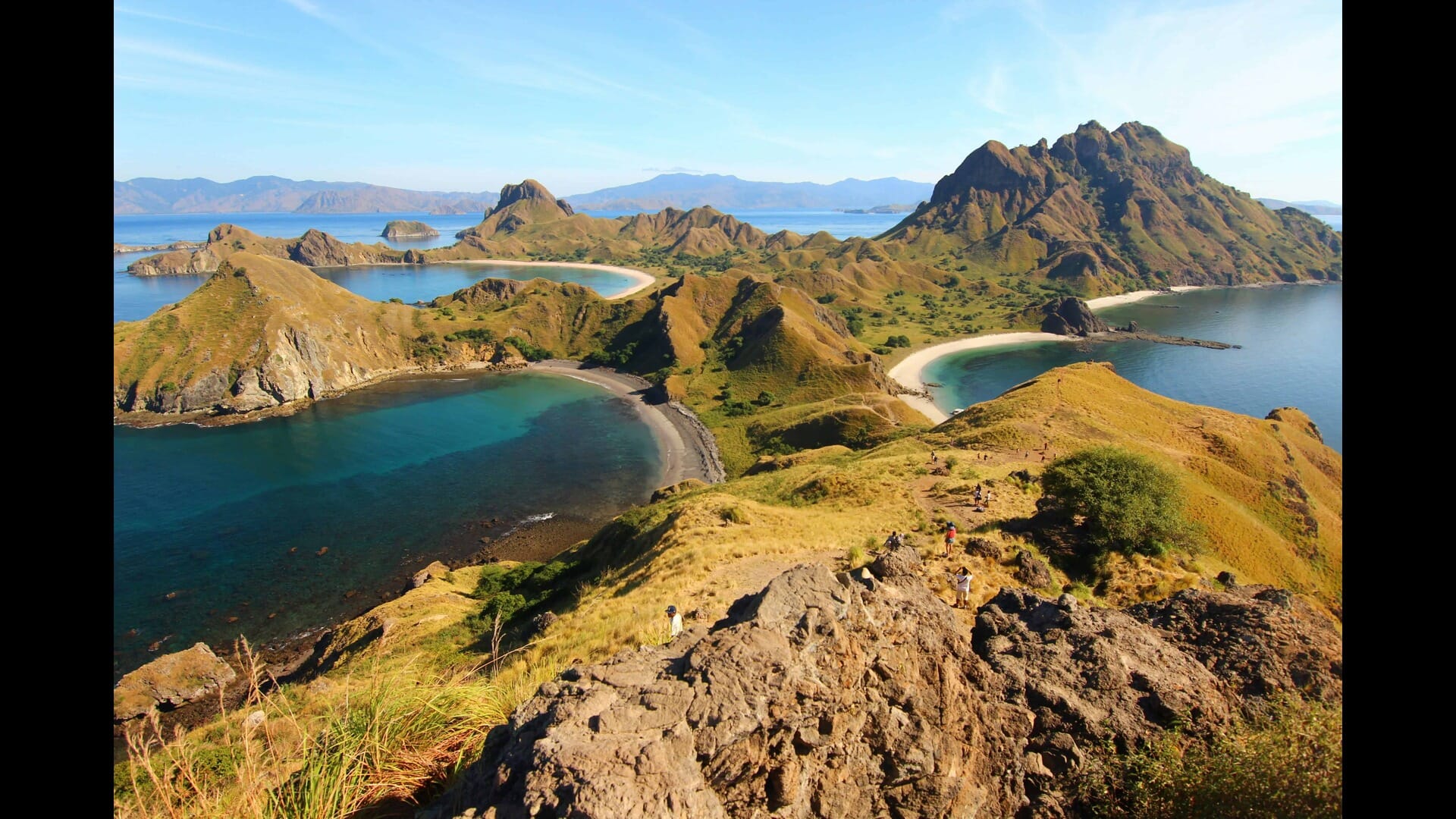
A Guide to Indonesia’s Most Scenic Waterfalls
A Guide to Indonesia’s Most Scenic Waterfalls
Indonesia, an archipelago of over 17,000 islands, is renowned for its stunning natural beauty, vibrant culture, and rich biodiversity. Among its many treasures, the country boasts some of the most breathtaking waterfalls in the world. From the majestic cascades of Bali to the hidden gems in Sumatra, Indonesia's waterfalls offer a unique blend of adventure, tranquility, and stunning scenery.
This guide will take you through the most scenic waterfalls in Indonesia, providing you with essential travel tips, the best times to visit, and insights into the surrounding landscapes.
1. Discovering the Enchantment of Indonesia’s Waterfalls
Waterfalls are nature's masterpieces, showcasing the raw power of water as it tumbles over rocks and cliffs. In Indonesia, these natural wonders are not just beautiful; they are often steeped in local mythology and culture. Many waterfalls are surrounded by lush rainforests, offering a habitat for diverse wildlife and a playground for adventurers. Whether you are a thrill-seeker looking for an adrenaline rush or a photographer in search of the perfect shot, Indonesia's waterfalls cater to all.
2. The Best Time to Visit Indonesia’s Waterfalls
Timing is crucial when planning your waterfall adventure in Indonesia. The best time to visit is during the dry season, which typically runs from April to October. During this period, the weather is more stable, and the waterfalls are at their most spectacular. However, visiting during the wet season can also be rewarding, as the waterfalls are fuller and more powerful, creating a mesmerizing spectacle. Just be prepared for the possibility of rain and slippery trails.
3. Tumpak Sewa Waterfall: The Jewel of East Java
3.1 Overview of Tumpak Sewa Waterfall
Located in East Java, Tumpak Sewa Waterfall is often hailed as one of Indonesia's most beautiful waterfalls. With a height of approximately 120 meters, it cascades dramatically into a turquoise pool below, surrounded by lush greenery. The waterfall is part of the Glidik River and is situated near the village of Lumajang.
3.2 Getting There
To reach Tumpak Sewa, you can take a flight to Malang and then continue by car or motorbike. The journey takes about 3 hours, and the last part involves a scenic drive through rural landscapes. Once you arrive at the parking area, a short trek through the forest will lead you to the waterfall.
3.3 What to Expect
As you approach Tumpak Sewa, the sound of rushing water grows louder, building anticipation. The view is breathtaking, with the waterfall surrounded by steep cliffs and dense foliage. There are several viewpoints where you can capture stunning photographs, and the area is perfect for a picnic or simply soaking in the natural beauty.
4. Sekumpul Waterfall: A Hidden Paradise in Bali
4.1 Overview of Sekumpul Waterfall
Sekumpul Waterfall is often considered Bali's most beautiful waterfall, consisting of seven distinct cascades that flow down a steep cliff into a serene pool. Located in the northern part of Bali, Sekumpul is less crowded than many other tourist spots, making it a hidden paradise for nature lovers.
4.2 Getting There
To reach Sekumpul, you can hire a driver from Ubud or Lovina, which takes about 2 hours. The journey offers stunning views of rice terraces and traditional Balinese villages. Once you arrive, a guided trek through the lush jungle is required to reach the waterfall.
4.3 What to Expect
The trek to Sekumpul is an adventure in itself, with steep paths and beautiful scenery. Upon arrival, you will be greeted by the sight of multiple waterfalls cascading down the cliffs, creating a magical atmosphere. Swimming in the natural pool is a refreshing experience, and the surrounding nature is perfect for photography.
5. Gitgit Waterfall: A Popular Spot in North Bali
5.1 Overview of Gitgit Waterfall
Gitgit Waterfall is one of the most accessible waterfalls in Bali, located just a short drive from Singaraja. With a height of about 35 meters, it is a popular spot for both tourists and locals. The waterfall is surrounded by lush tropical vegetation, making it a picturesque destination.
5.2 Getting There
Gitgit Waterfall is easily reachable by car or motorbike from major tourist areas in Bali. The drive takes about 2 hours from Kuta or Ubud. Once you arrive, a short walk through a well-maintained path leads you to the waterfall.
5.3 What to Expect
Upon reaching Gitgit, you will find a beautiful waterfall cascading into a clear pool. The area is equipped with facilities, including restrooms and food stalls. You can take a refreshing dip in the water or enjoy a picnic while listening to the soothing sounds of nature.
6. Curug Cimahi: The Blue Waterfall of West Java
6.1 Overview of Curug Cimahi
Curug Cimahi, also known as the Blue Waterfall, is located near Bandung in West Java. This stunning waterfall is famous for its unique blue hue, caused by the minerals in the water. With a height of about 87 meters, it is one of the tallest waterfalls in the region.
6.2 Getting There
To reach Curug Cimahi, you can take a train or bus to Bandung and then continue by taxi or motorbike. The journey takes about 1.5 hours from the city center. A short hike through the forest will lead you to the waterfall.
6.3 What to Expect
Curug Cimahi is a sight to behold, especially during the rainy season when the water flow is at its peak. The surrounding area is well-maintained, with viewing platforms and walking paths. The unique blue color of the water makes it a favorite spot for photographers and nature lovers alike.
7. Lawe Waterfall: A Hidden Gem in North Sumatra
7.1 Overview of Lawe Waterfall
Lawe Waterfall, located in North Sumatra, is a hidden gem that offers a serene escape from the hustle and bustle of city life. With a height of approximately 50 meters, it is surrounded by lush rainforest and is less frequented by tourists, making it a perfect spot for those seeking tranquility.
7.2 Getting There
To reach Lawe Waterfall, you can fly to Medan and then take a car to the village of Lawe. The journey takes about 4 hours, and the last part involves a scenic drive through the countryside. A short trek through the jungle will lead you to the waterfall.
7.3 What to Expect
Lawe Waterfall is a pristine and peaceful location, perfect for a day of relaxation. The sound of the cascading water and the surrounding nature create a calming atmosphere. You can take a dip in the cool water or simply enjoy the beauty of the landscape.
8. Kanto Lampo Waterfall: A Unique Experience in Bali
8.1 Overview of Kanto Lampo Waterfall
Kanto Lampo Waterfall is a stunning cascade located in East Bali, known for its unique rock formations and picturesque surroundings. The waterfall is about 15 meters high and features a series of natural pools that are perfect for swimming.
8.2 Getting There
To reach Kanto Lampo, you can hire a driver from Ubud or Canggu, which takes about 1 hour. The journey takes you through beautiful rice fields and traditional Balinese villages. A short walk down a well-maintained path will lead you to the waterfall.
8.3 What to Expect
Kanto Lampo is a popular spot for swimming and photography, with its unique rock formations creating a stunning backdrop. The area is less crowded than other waterfalls, making it a great place to relax and enjoy nature. The clear water and beautiful surroundings make it a perfect spot for a refreshing dip.
9. Nungnung Waterfall: A Majestic Cascade in Bali
9.1 Overview of Nungnung Waterfall
Nungnung Waterfall is one of Bali's hidden treasures, located in the central part of the island. With a height of about 70 meters, it is one of the tallest waterfalls in Bali. The waterfall is surrounded by lush greenery and offers a tranquil escape from the busy tourist areas.
9.2 Getting There
To reach Nungnung, you can hire a driver from Ubud, which takes about 1 hour. The journey takes you through beautiful landscapes and traditional villages. A steep descent of about 500 steps will lead you to the waterfall.
9.3 What to Expect
Nungnung Waterfall is a breathtaking sight, with water cascading down the cliffs into a natural pool below. The area is less crowded, allowing you to enjoy the beauty of the waterfall in peace. The sound of the rushing water and the surrounding nature create a serene atmosphere, perfect for relaxation and reflection.
10. Tips for Visiting Indonesia’s Waterfalls
10.1 Safety Precautions
When visiting waterfalls in Indonesia, safety should be a top priority. Always be cautious when walking on slippery rocks and paths, and never swim in areas where swimming is prohibited. It's also essential to respect the natural environment and avoid littering.
10.2 What to Bring
Pack essentials such as water, snacks, sunscreen, and a camera to capture the beauty of the waterfalls. If you plan to swim, bring a swimsuit and a towel. Comfortable shoes for hiking are also recommended, as some waterfalls require a trek to reach.
10.3 Respecting Local Culture
Many waterfalls in Indonesia hold cultural significance for local communities. Be respectful of the customs and traditions of the area, and always ask for permission before taking photographs of people or sacred sites.
Conclusion: Embrace the Beauty of Indonesia’s Waterfalls
Indonesia's waterfalls are not just natural wonders; they are a testament to the country's rich biodiversity and cultural heritage. Each waterfall offers a unique experience, from the majestic cascades of Tumpak Sewa to the serene beauty of Lawe Waterfall. Whether you are an adventure seeker, a nature lover, or a photographer, Indonesia's waterfalls provide endless opportunities for exploration and discovery. So pack your bags, grab your camera, and get ready to embark on an unforgettable journey through Indonesia's most scenic waterfalls!