
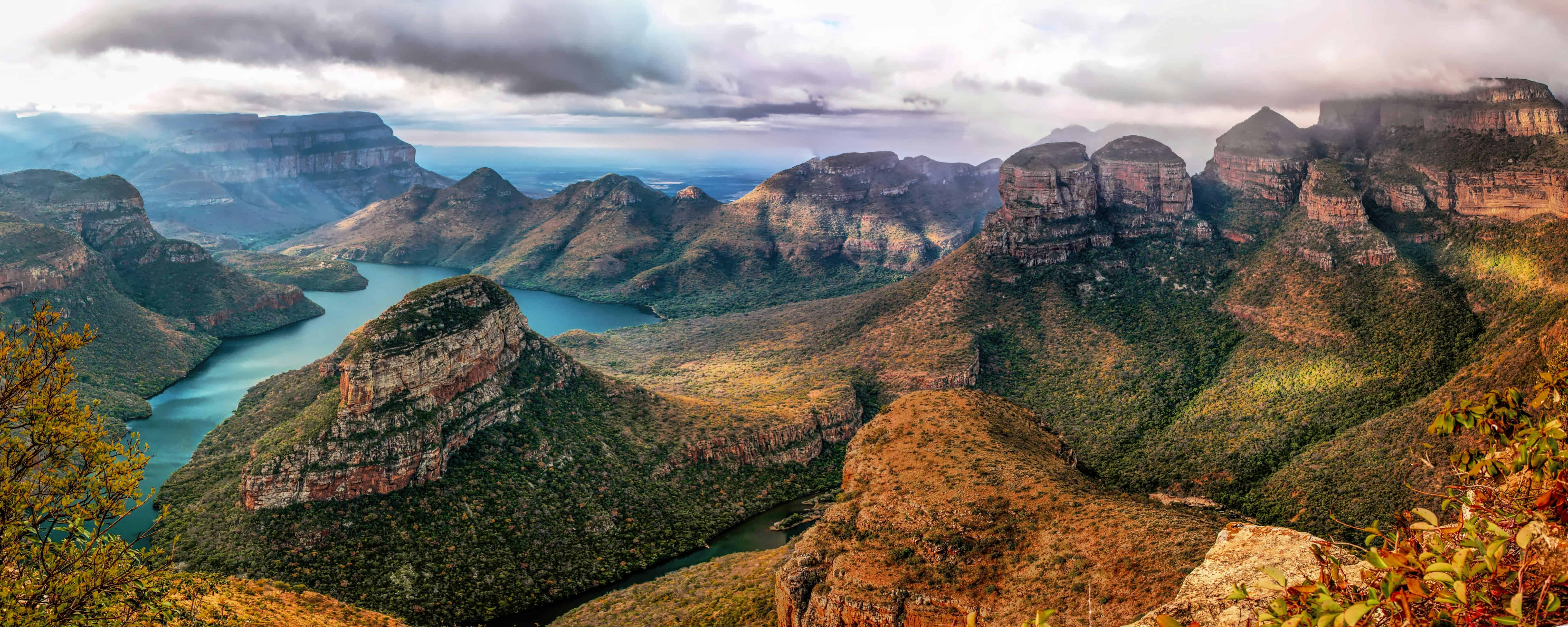
A Journey Through the Historic Sites of the Battlefields Route
A Journey Through the Historic Sites of the Battlefields Route
The Battlefields Route is a tapestry of history woven into the very fabric of the American landscape. Stretching across several states, this route invites travelers to delve into the past, exploring the sites where pivotal battles were fought, and where the echoes of history still resonate.
From the rolling hills of Virginia to the expansive fields of Gettysburg, this journey is not just a travel itinerary; it’s a pilgrimage through time.
Understanding the Significance of the Battlefields Route
The Battlefields Route is more than just a collection of historic sites; it represents the struggles, sacrifices, and triumphs of those who fought for their beliefs. Each battlefield tells a story, and each story contributes to the greater narrative of America’s past. Understanding the significance of these sites is crucial for any traveler wishing to appreciate the depth of history that surrounds them.
The Historical Context of the American Civil War
To fully grasp the importance of the Battlefields Route, one must first understand the context of the American Civil War. Fought from 1861 to 1865, this conflict was rooted in deep-seated issues such as slavery, states’ rights, and economic disparities. The war pitted the Northern states (the Union) against the Southern states (the Confederacy), leading to some of the most significant battles in American history.
The Role of Battlefields in American History
Battlefields serve as reminders of the past, preserving the memories of those who fought and died for their beliefs. They are hallowed grounds where visitors can reflect on the sacrifices made for freedom and justice. The Battlefields Route encapsulates this essence, offering a glimpse into the struggles that shaped the nation.
Planning Your Journey: The Best Time to Visit the Battlefields Route
When planning a journey through the historic sites of the Battlefields Route, timing is everything. The best time to visit is during the spring and fall months, when the weather is mild and the landscapes are adorned with vibrant colors. Spring brings blooming flowers, while fall showcases stunning foliage, creating a picturesque backdrop for your exploration.
Seasonal Events and Reenactments
Many battlefields host seasonal events and reenactments that provide visitors with an immersive experience. These events often coincide with the anniversaries of significant battles, offering a unique opportunity to witness history come alive. Check the schedules of the sites you plan to visit to ensure you don’t miss out on these enriching experiences.
Top Historic Sites Along the Battlefields Route
The Battlefields Route is dotted with numerous historic sites, each offering its own unique insights into the past. Here are some of the must-visit locations along the way:
1. Gettysburg National Military Park: The Turning Point of the Civil War
Located in Pennsylvania, Gettysburg National Military Park is perhaps the most famous battlefield in the United States. The site of the turning point of the Civil War, the Battle of Gettysburg was fought from July 1 to July 3, 1863. The park features a vast expanse of preserved land, monuments, and a visitor center that provides educational resources about the battle.
Exploring the Gettysburg Visitor Center
The Gettysburg Visitor Center is the perfect starting point for your journey. Here, you can view the impressive Cyclorama painting, which depicts Pickett’s Charge, and watch a short film that provides an overview of the battle. The center also offers guided tours, allowing you to explore the battlefield with knowledgeable rangers who can share stories and insights.
2. Antietam National Battlefield: The Bloodiest Day in American History
Antietam National Battlefield, located in Maryland, is known for being the site of the bloodiest single-day battle in American history, fought on September 17, 1862. The battlefield is well-preserved, with numerous monuments and interpretive signs that guide visitors through the events of that fateful day.
Walking the Trails of Antietam
One of the best ways to experience Antietam is by walking the trails that wind through the battlefield. The trails lead you to key locations, such as the Dunker Church and the Sunken Road, where fierce fighting took place. The landscape remains much as it was during the battle, allowing visitors to connect with history in a profound way.
3. Fredericksburg and Spotsylvania National Military Park: A Tale of Two Cities
This national military park in Virginia encompasses four major battlefields: Fredericksburg, Chancellorsville, the Wilderness, and Spotsylvania Court House. Each site tells a different story of the brutal fighting that occurred in this region, making it a rich area for exploration.
The Fredericksburg Battlefield
The Fredericksburg Battlefield is particularly noteworthy for its iconic Sunken Road, which became known as “Bloody Lane” due to the heavy casualties sustained there. Visitors can explore the battlefield through a self-guided driving tour, stopping at various monuments and historical markers along the way.
4. Vicksburg National Military Park: The Siege that Split the Confederacy
Vicksburg, Mississippi, was the site of a crucial siege that lasted from May 18 to July 4, 1863. The successful Union campaign here effectively split the Confederacy in two, making Vicksburg a key strategic victory. The national military park preserves the battlefield and offers a wealth of educational resources.
The Vicksburg Campaign
Visitors to Vicksburg can explore the extensive park grounds, which include numerous monuments, a restored Union gunboat, and the Vicksburg National Cemetery. The park also offers guided tours that delve into the details of the siege and its significance in the broader context of the Civil War.
5. Shiloh National Military Park: The Battle of the Hornet’s Nest
Shiloh National Military Park, located in Tennessee, is known for the fierce fighting that took place on April 6 and 7, 1862. The battle was one of the early engagements of the Civil War and marked a significant Union victory.
Discovering the Shiloh Battlefield
The park features a self-guided driving tour that allows visitors to explore key sites, including the Hornet’s Nest and the Peach Orchard. The visitor center provides valuable context and exhibits that detail the events of the battle, making it an essential stop on your journey.
6. Chickamauga and Chattanooga National Military Park: A Strategic Crossroads
This national military park, straddling the border between Georgia and Tennessee, encompasses two major battles: the Battle of Chickamauga and the Siege of Chattanooga. The park is known for its beautiful landscapes and extensive trail system.
Exploring the Trails of Chickamauga
Visitors can hike the trails that traverse the battlefield, offering stunning views and a chance to reflect on the events that unfolded here. The park also features a visitor center with exhibits that provide insight into the battles and their impact on the war.
7. Appomattox Court House National Historical Park: The End of the Civil War
Appomattox Court House is where General Robert E. Lee surrendered to General Ulysses S. Grant on April 9, 1865, effectively ending the Civil War. The site has been preserved as a national historical park, allowing visitors to step back in time to witness the momentous occasion.
The Significance of Appomattox
The Appomattox Court House National Historical Park features the McLean House, where the surrender took place, along with several other historic buildings. The park offers guided tours and educational programs that help visitors understand the significance of this pivotal moment in American history.
8. Manassas National Battlefield Park: The First Major Battle
Manassas National Battlefield Park, located in Virginia, is the site of two significant battles: the First and Second Battles of Bull Run. These battles were some of the earliest engagements of the Civil War and set the stage for the conflict that would follow.
Discovering Manassas
The park features a visitor center with exhibits detailing the battles, as well as a self-guided driving tour that allows visitors to explore key sites. The landscape remains largely unchanged, providing a powerful connection to the past.
9. Cold Harbor: A Lesson in the Cost of War
Cold Harbor, located in Virginia, is known for the brutal fighting that took place during the Overland Campaign in 1864. The battle is often remembered for the staggering casualties suffered by Union forces in a matter of minutes.
Reflecting on Cold Harbor
Visitors to Cold Harbor can explore the battlefield and reflect on the harsh realities of war. The park features a visitor center with interpretive exhibits, as well as walking trails that lead to key locations on the battlefield.
10. Petersburg National Battlefield: The Longest Siege
Petersburg National Battlefield is known for the lengthy siege that took place from June 1864 to April 1865. The siege was a critical component of the Union’s strategy to capture Richmond, the Confederate capital.
Exploring the Siege Lines
The park offers a variety of trails and driving routes that allow visitors to explore the extensive siege lines and fortifications. The visitor center provides valuable context and exhibits that detail the events of the siege and its significance in the overall war effort.
Tips for Traveling the Battlefields Route
Traveling the Battlefields Route can be a deeply enriching experience, but it’s essential to plan ahead to make the most of your journey. Here are some tips to enhance your visit:
1. Research Each Site
Before embarking on your journey, take the time to research each battlefield you plan to visit. Understanding the history and significance of each site will deepen your appreciation and enhance your experience.
2. Consider Guided Tours
Many battlefields offer guided tours led by knowledgeable rangers or historians. These tours provide valuable insights and stories that you may not discover on your own. Consider joining a guided tour for a more immersive experience.
3. Wear Comfortable Shoes
Exploring battlefields often involves walking and hiking, so be sure to wear comfortable shoes. Many sites have extensive trails and walking paths that allow you to explore the landscapes where history unfolded.
4. Bring a Camera
The landscapes of the Battlefields Route are breathtaking, and you’ll want to capture the beauty of these historic sites. Bring a camera to document your journey and preserve the memories of your travels.
5. Engage with Park Rangers
Don’t hesitate to engage with park rangers and staff at the visitor centers. They are a wealth of knowledge and can provide insights, answer questions, and recommend the best ways to explore each site.
Conclusion: A Journey Worth Taking
A journey through the historic sites of the Battlefields Route is not just a trip; it’s an opportunity to connect with the past and reflect on the sacrifices made for freedom and justice. Each battlefield tells a story, and each story contributes to the rich tapestry of American history. Whether you’re a history buff, a casual traveler, or someone seeking to understand the complexities of the Civil War, this route offers a profound and enlightening experience.
As you traverse the landscapes where battles were fought and lives were lost, take a moment to reflect on the significance of these sites. The echoes of history are alive in the rolling hills, the solemn monuments, and the stories shared by those who came before us. So pack your bags, hit the road, and embark on a journey that will leave you with a deeper appreciation for the sacrifices made in the name of freedom.