
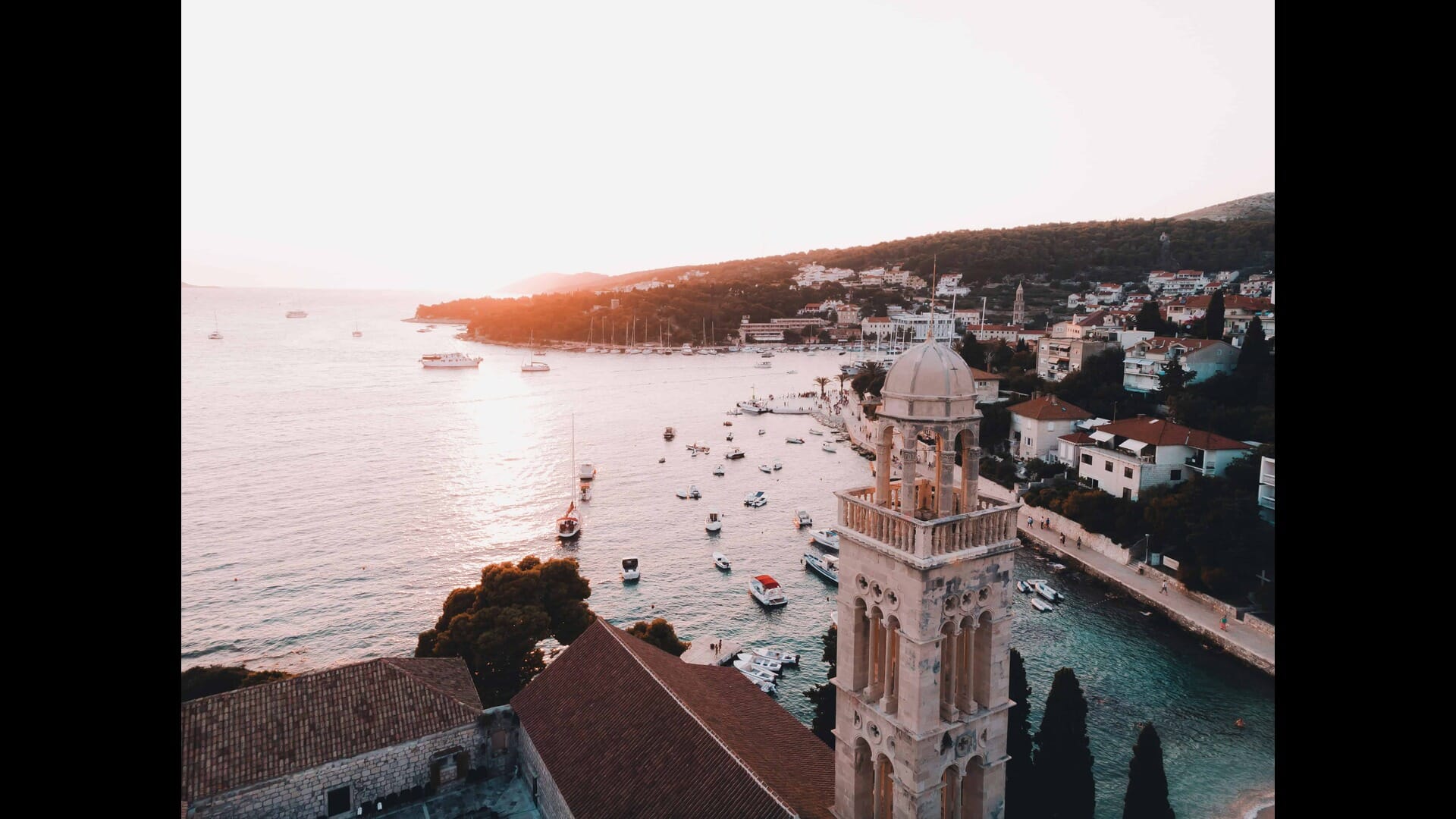
Visiting the Historic Castles of Croatia: A Journey Through Time
Visiting the Historic Castles of Croatia: A Journey Through Time
Croatia, a gem nestled along the Adriatic Sea, is known for its stunning landscapes, vibrant culture, and rich history. Among its many treasures, the historic castles scattered throughout the country stand as magnificent testaments to its past. From medieval fortresses guarding the coast to grand palaces hidden in lush valleys, these castles offer a glimpse into the lives of kings, queens, and warriors who once roamed these lands.
In this article, we will embark on an extensive journey to explore the historic castles of Croatia, delving into their stories, architecture, and the experiences they offer to modern-day travelers.
The Allure of Croatia’s Castles: A Brief Overview
Croatia boasts over 1,200 castles and fortresses, each with its own unique story and architectural style. These structures range from well-preserved palaces to crumbling ruins, each telling tales of battles fought, alliances forged, and the passage of time. The allure of these castles lies not only in their historical significance but also in their breathtaking locations, often perched on hillsides or overlooking serene waters.
As we journey through Croatia’s historic castles, we will uncover the influences of various cultures, including Roman, Venetian, and Austro-Hungarian, that have shaped the country’s architectural landscape. Whether you are a history buff, an architecture enthusiast, or simply a traveler seeking adventure, the castles of Croatia promise an unforgettable experience.
The Most Impressive Castles to Visit in Croatia
1. Trakošćan Castle: A Fairy Tale Fortress
Located in the northern part of Croatia, Trakošćan Castle is one of the most picturesque castles in the country. Built in the 13th century, this castle has a fairy tale-like appearance, complete with a serene lake and lush greenery surrounding it. The castle was originally constructed for defense purposes but has since been transformed into a museum showcasing artifacts from the 19th century.
Visitors can explore the castle’s well-preserved interiors, which include a grand hall, a library, and various rooms adorned with period furniture. The castle grounds also offer scenic walking paths, making it a perfect spot for a leisurely afternoon stroll. Don’t forget to capture the stunning views from the castle’s tower, which provides a panoramic vista of the surrounding countryside.
2. Dubrovnik’s Fort Lovrijenac: The Guardian of the City
Perched on a cliff overlooking the Adriatic Sea, Fort Lovrijenac is an iconic fortress that has become synonymous with the city of Dubrovnik. Often referred to as “Dubrovnik’s Gibraltar,” this fortress was built in the 11th century to protect the city from invaders. Its strategic location and imposing walls made it a formidable defense against attacks.
Visitors can explore the fortress’s ramparts, which offer breathtaking views of the Old Town and the shimmering sea. Inside, you’ll find a small museum that details the fortress’s history and its role in the defense of Dubrovnik. Fort Lovrijenac is also famous for hosting performances of Shakespeare’s plays during the Dubrovnik Summer Festival, adding a cultural dimension to your visit.
3. Pula Arena: The Ancient Roman Fortress
While technically not a castle, the Pula Arena is a must-visit historical site that showcases the grandeur of Roman architecture. This well-preserved amphitheater, built in the 1st century AD, is one of the largest Roman arenas still in existence. With a capacity of 20,000 spectators, it was once the venue for gladiatorial contests and other public spectacles.
Today, the Pula Arena hosts various events, including concerts and film festivals, allowing visitors to experience the magic of this ancient site. Walking through the arches and corridors of the arena, you can almost hear the echoes of the past, making it a captivating stop on your journey through Croatia’s history.
4. Castle of Veliki Tabor: A Medieval Marvel
Nestled in the hills of the Zagorje region, the Castle of Veliki Tabor is a stunning example of medieval architecture. Dating back to the 15th century, this castle is surrounded by beautiful landscapes and vineyards, making it a picturesque destination. The castle is known for its well-preserved interiors, including a chapel, a knight’s hall, and a collection of artifacts that tell the story of the castle’s past.
Visitors can take guided tours to learn about the legends associated with Veliki Tabor, including the tragic love story of the noblewoman Veronika and her forbidden romance. The castle also hosts various cultural events throughout the year, adding to its charm as a historical site.
5. Klis Fortress: A Stronghold of History
Overlooking the city of Split, Klis Fortress is a remarkable fortress that has played a significant role in Croatia’s history. Built in the 7th century, this fortress was strategically positioned to defend against Ottoman invasions. Its impressive walls and towers offer stunning views of the surrounding landscape, making it a popular spot for photography enthusiasts.
Inside the fortress, visitors can explore the remnants of ancient structures, including the chapel and the cistern. The fortress also features a small museum that provides insight into its history and the battles fought within its walls. Klis Fortress is not only a historical site but also a cultural landmark, having served as a filming location for the popular TV series “Game of Thrones.”
The Architectural Styles of Croatian Castles
6. A Blend of Influences: Romanesque to Baroque
The castles of Croatia showcase a diverse range of architectural styles, reflecting the country’s complex history and the influences of various cultures. From Romanesque to Gothic, Renaissance to Baroque, each castle tells a story through its design.
- Romanesque Architecture: Characterized by thick walls, rounded arches, and sturdy pillars, Romanesque architecture can be seen in some of the earliest castles in Croatia. These structures were built for defense and often featured small windows and minimal decoration.
- Gothic Architecture: As the need for more elaborate designs emerged, Gothic architecture made its mark on Croatian castles. This style is characterized by pointed arches, ribbed vaults, and flying buttresses, creating a sense of verticality and lightness.
- Renaissance and Baroque Styles: The Renaissance period brought a renewed interest in classical architecture, leading to the construction of more ornate castles. Baroque architecture, with its grandiose designs and intricate details, can be seen in castles such as the Castle of Trakošćan.
Understanding these architectural styles enhances the experience of visiting Croatia’s castles, allowing travelers to appreciate the artistry and craftsmanship that went into their construction.
Exploring the Surroundings: Nature and Culture
7. The Natural Beauty Surrounding Croatian Castles
Many of Croatia’s historic castles are set against breathtaking natural backdrops, making them ideal destinations for those who appreciate both history and nature. The lush landscapes, rolling hills, and sparkling waters surrounding these castles create a serene atmosphere that enhances the overall experience.
- Trakošćan Lake: The lake surrounding Trakošćan Castle is perfect for leisurely walks and picnics. The tranquil waters reflect the castle’s grandeur, creating a picturesque scene that is ideal for photography.
- Klis Fortress Views: The panoramic views from Klis Fortress provide a stunning perspective of the Dalmatian landscape, with the mountains in the background and the Adriatic Sea in the distance.
- Vineyards and Olive Groves: Many castles are located near vineyards and olive groves, offering visitors the chance to indulge in local wines and olive oils. Consider taking a wine tour to sample the region’s finest offerings while enjoying the scenic views.
8. Cultural Experiences: Festivals and Events
Visiting Croatia’s castles is not just about exploring history; it’s also an opportunity to immerse yourself in the local culture. Many castles host festivals, concerts, and events throughout the year, allowing visitors to experience the vibrant traditions of Croatia.
- Dubrovnik Summer Festival: This annual festival features performances of music, theater, and dance in various historic locations, including Fort Lovrijenac. Attending a performance in such a stunning setting is a magical experience.
- Medieval Festivals: Some castles, like Veliki Tabor, host medieval festivals that transport visitors back in time. Enjoy reenactments, traditional crafts, and local cuisine while dressed in period costumes.
- Wine and Olive Oil Festivals: In regions known for their vineyards and olive groves, festivals celebrating local produce are common. Sample delicious wines and oils while enjoying live music and entertainment.
Practical Tips for Visiting Croatia’s Castles
9. Best Time to Visit Croatian Castles
The best time to visit Croatia’s castles is during the spring (April to June) and fall (September to October) months. During these seasons, the weather is mild, and the tourist crowds are smaller, allowing for a more enjoyable experience. Summer can be hot and crowded, especially in popular tourist destinations like Dubrovnik.
10. Getting Around: Transportation Options
Croatia has a well-developed transportation system that makes it easy to explore its castles. Here are some options:
- Car Rentals: Renting a car is one of the best ways to explore Croatia at your own pace. Many castles are located in rural areas, and having a car allows you to access them easily.
- Public Transport: Buses connect major cities and towns, making it possible to reach many castles without a car. Check local schedules for routes to your desired destinations.
- Guided Tours: Consider joining a guided tour that focuses on Croatia’s castles. This option allows you to learn from knowledgeable guides while visiting multiple sites in one trip.
11. Essential Packing Tips for Castle Visits
When visiting Croatia’s castles, it’s essential to pack wisely. Here are some tips to ensure a comfortable and enjoyable experience:
- Comfortable Footwear: Many castles require walking on uneven surfaces and climbing stairs, so wear comfortable shoes suitable for exploration.
- Weather-Appropriate Clothing: Check the weather forecast before your visit and dress accordingly. Layers are a good idea, as temperatures can vary throughout the day.
- Camera: Don’t forget your camera to capture the stunning architecture and beautiful landscapes surrounding the castles.
- Water and Snacks: Bring a refillable water bottle and some snacks, especially if you plan to spend a lot of time exploring.
Conclusion: A Journey Through Croatia’s Rich History
Visiting the historic castles of Croatia is more than just a sightseeing adventure; it’s a journey through time. Each castle offers a unique glimpse into the country’s rich history, architectural beauty, and cultural heritage. Whether you find yourself wandering the halls of Trakošćan Castle, gazing out from the ramparts of Klis Fortress, or attending a festival at Veliki Tabor, the experience is sure to leave a lasting impression.
As you explore these magnificent structures, take a moment to reflect on the stories they hold and the lives that once filled their walls. Croatia’s castles are not just relics of the past; they are vibrant symbols of the country’s enduring spirit and a testament to its rich history. So pack your bags, grab your camera, and get ready to embark on an unforgettable journey through the historic castles of Croatia!