
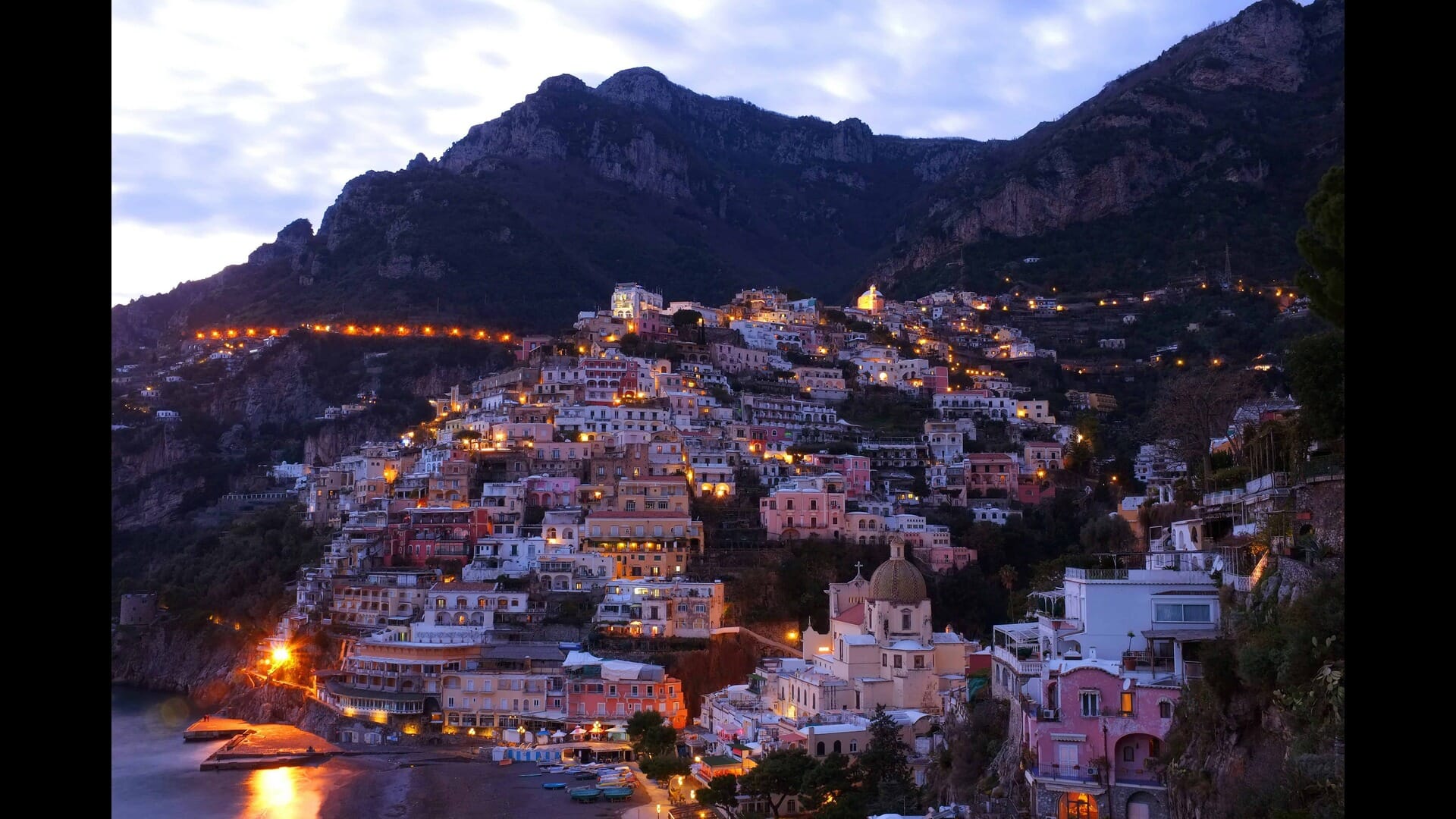
Exploring the Enchanting Canals of Venice: A Journey Through Time
Exploring the Enchanting Canals of Venice: A Journey Through Time
Venice, often referred to as the 'City of Canals,' is a mesmerizing destination that enchants visitors with its intricate waterways, stunning architecture, and rich history. The historic canals of Venice are not just a means of transportation; they are the lifeblood of this unique city, weaving together its past and present.
In this comprehensive travel guide, we will explore the captivating canals of Venice, uncovering their secrets, history, and the best ways to experience them.
The Allure of Venice: A Brief Introduction to Its Canals
Venice is built on a network of 118 small islands separated by canals and linked by bridges. The most famous of these waterways is the Grand Canal, which serves as the main artery of the city. With its picturesque gondolas, historic buildings, and vibrant atmosphere, the Grand Canal is a must-visit for anyone traveling to Venice. However, beyond the Grand Canal lies a labyrinth of smaller canals, each with its own charm and character.
The canals of Venice date back to the 5th century when the first settlers arrived to escape barbarian invasions. Over time, these waterways became essential for trade and transportation, shaping the city's development. Today, they are a UNESCO World Heritage Site, recognized for their cultural significance and architectural beauty.
Why Visit the Historic Canals of Venice?
Visiting the historic canals of Venice offers a unique opportunity to immerse yourself in the city's rich history and vibrant culture. Here are some compelling reasons to explore these enchanting waterways:
- Breathtaking Scenery: The canals are lined with stunning architecture, from Gothic palaces to Renaissance churches, providing a picturesque backdrop for your travels.
- Cultural Experience: The canals are a living testament to Venice's history, showcasing the city's evolution over centuries.
- Local Cuisine: Many of the best restaurants and cafes are situated along the canals, offering delicious Venetian dishes with a view.
- Unique Transportation: Traveling by gondola or vaporetto (water bus) allows you to experience the city from a different perspective.
- Photography Opportunities: The canals provide countless opportunities for stunning photographs, especially during sunrise and sunset.
The Grand Canal: Venice's Main Waterway
A Detailed Exploration of the Grand Canal
The Grand Canal is the most famous and largest canal in Venice, stretching approximately 3.8 kilometers (2.4 miles) through the heart of the city. Its S-shaped curve is lined with over 170 buildings, many of which date back to the 13th century. As you glide along the Grand Canal, you'll encounter a mix of architectural styles, including Byzantine, Gothic, and Baroque.
Notable Landmarks Along the Grand Canal
- Rialto Bridge: One of the most iconic landmarks in Venice, the Rialto Bridge is a stunning stone arch bridge that connects the San Marco and San Polo districts. It offers breathtaking views of the Grand Canal and is a popular spot for photos.
- Palazzo Ducale (Doge's Palace): This magnificent Gothic palace was the residence of the Doge of Venice and the seat of Venetian government. Its intricate façade and stunning interior are a testament to Venice's political power during the Middle Ages.
- Santa Maria della Salute: This baroque church, with its distinctive dome, is located at the entrance of the Grand Canal. It was built in the 17th century as a votive offering to the Virgin Mary for the city's deliverance from the plague.
Best Ways to Experience the Grand Canal
- Gondola Rides: A gondola ride is a quintessential Venetian experience. As you glide through the canals, your gondolier will share stories and insights about the city's history.
- Vaporetto: The water bus is an affordable and efficient way to travel along the Grand Canal. It offers a unique perspective of the city and is a great option for those on a budget.
- Walking Tours: Exploring the Grand Canal on foot allows you to appreciate the intricate details of the architecture and discover hidden gems along the way.
Hidden Gems: Lesser-Known Canals of Venice
While the Grand Canal is undoubtedly a highlight, Venice is home to many lesser-known canals that offer a more tranquil and authentic experience. Here are some hidden gems to explore:
The Cannaregio Canal
The Cannaregio Canal is one of the longest canals in Venice, running through the Cannaregio district. This area is less touristy and offers a glimpse into local life. As you stroll along the canal, you'll find charming shops, cafes, and traditional Venetian homes.
The Giudecca Canal
The Giudecca Canal separates the Giudecca Island from the main island of Venice. This canal is known for its stunning views of the city and is home to several luxury hotels and restaurants. A walk along the Giudecca Canal offers a peaceful escape from the bustling crowds.
The Rio di San Trovaso
Located in the Dorsoduro district, the Rio di San Trovaso is a picturesque canal lined with colorful buildings and traditional gondolas. This area is known for its artisan workshops and is a great place to witness the craftsmanship that goes into creating gondolas.
The History of Venice's Canals: From Trade Routes to Tourist Attractions
The Evolution of Venice's Canals
The canals of Venice have played a crucial role in the city's development, serving as trade routes and transportation channels for centuries. In the early days, the canals were primarily used for fishing and transporting goods. As Venice grew in power and influence during the Middle Ages, the canals became vital for trade, allowing merchants to transport their goods efficiently.
The Role of Canals in Venice's Economy
The canals facilitated Venice's rise as a major trading hub in the Mediterranean. Goods from all over the world, including spices, silk, and precious metals, flowed through the canals, enriching the city and its inhabitants. The wealth generated from trade led to the construction of magnificent palaces and churches along the waterways, many of which still stand today.
The Decline of the Canals
As the industrial revolution took hold in the 19th century, the importance of the canals began to wane. The rise of modern transportation methods, such as trains and automobiles, led to a decline in the use of canals for trade. Additionally, pollution and rising sea levels posed significant threats to the city's delicate ecosystem.
Local Cuisine: Dining Along the Canals of Venice
A Culinary Journey Through Venetian Flavors
No visit to Venice would be complete without indulging in its delicious cuisine. The canals are lined with charming restaurants and cafes that offer a variety of traditional Venetian dishes. Here are some must-try dishes:
- Sarde in Saor: This traditional dish features sardines marinated in vinegar, onions, and pine nuts. It is a perfect example of Venetian cuisine's emphasis on preserving flavors.
- Risotto al Nero di Seppia: This squid ink risotto is a local specialty that showcases the city's seafood heritage. Its striking black color and rich flavor make it a unique dining experience.
- Cicchetti: These small tapas-style dishes are perfect for sampling a variety of flavors. Enjoy them at a local bacaro (wine bar) along the canals for an authentic experience.
Dining Recommendations Along the Canals
- Osteria alle Testiere: This intimate restaurant is known for its fresh seafood and traditional Venetian dishes. Reservations are recommended, as it is a favorite among locals and tourists alike.
- Trattoria da Fiore: Located near the Rialto Bridge, this trattoria offers a cozy atmosphere and a menu filled with classic Venetian dishes. Don't miss their famous risotto!
- Caffè Florian: Established in 1720, this historic café is located in St. Mark's Square and offers stunning views of the Grand Canal. Enjoy a coffee or a light meal while soaking in the ambiance.
Photography Tips: Capturing the Beauty of Venice's Canals
The Best Times for Photography
The canals of Venice provide countless opportunities for stunning photographs. To capture the city's beauty, consider the following tips:
- Golden Hour: The best time for photography is during the golden hour, shortly after sunrise or before sunset. The soft, warm light enhances the colors of the buildings and creates a magical atmosphere.
- Reflections: The calm waters of the canals create beautiful reflections of the architecture. Look for unique angles to capture these stunning mirror images.
- Gondola Shots: Capture the essence of Venice by photographing gondolas gliding through the canals. Early morning or late evening is the best time to avoid crowds.
Recommended Photography Spots
- Ponte dell'Accademia: This bridge offers breathtaking views of the Grand Canal and is a popular spot for photographers.
- Rialto Market: The vibrant colors and bustling atmosphere of the market provide excellent opportunities for candid shots.
- Santa Maria della Salute: Capture the iconic dome of this church from various angles along the Grand Canal for stunning architectural shots.
Practical Tips for Visiting the Canals of Venice
Best Time to Visit Venice
The best time to visit Venice is during the shoulder seasons of spring (April to June) and fall (September to October). During these months, the weather is pleasant, and the crowds are smaller compared to the peak summer season.
Getting Around the Canals
- Public Transport: The vaporetto is the main form of public transport in Venice. It is an efficient way to navigate the canals and reach various attractions.
- Walking: Venice is a pedestrian-friendly city, and many of the canals can be explored on foot. Be sure to wear comfortable shoes, as the cobblestone streets can be uneven.
Safety and Etiquette
- Respect Local Customs: When visiting churches and other religious sites, dress modestly and be respectful of local customs.
- Be Mindful of the Environment: Venice is facing environmental challenges, so be sure to dispose of trash properly and avoid littering.
Conclusion: A Timeless Journey Through Venice's Canals
Visiting the historic canals of Venice is an unforgettable experience that offers a glimpse into the city's rich history and vibrant culture. From the grandeur of the Grand Canal to the tranquility of hidden waterways, each canal tells a story waiting to be discovered. Whether you're indulging in local cuisine, capturing stunning photographs, or simply soaking in the atmosphere, the canals of Venice promise a journey through time that will leave you enchanted.
As you plan your trip to this magical city, remember to take your time and explore the hidden gems that lie beyond the well-trodden paths. Venice's canals are not just a means of transportation; they are a living testament to the city's enduring spirit and beauty. So grab your camera, embark on a gondola ride, and let the enchanting canals of Venice sweep you off your feet.