
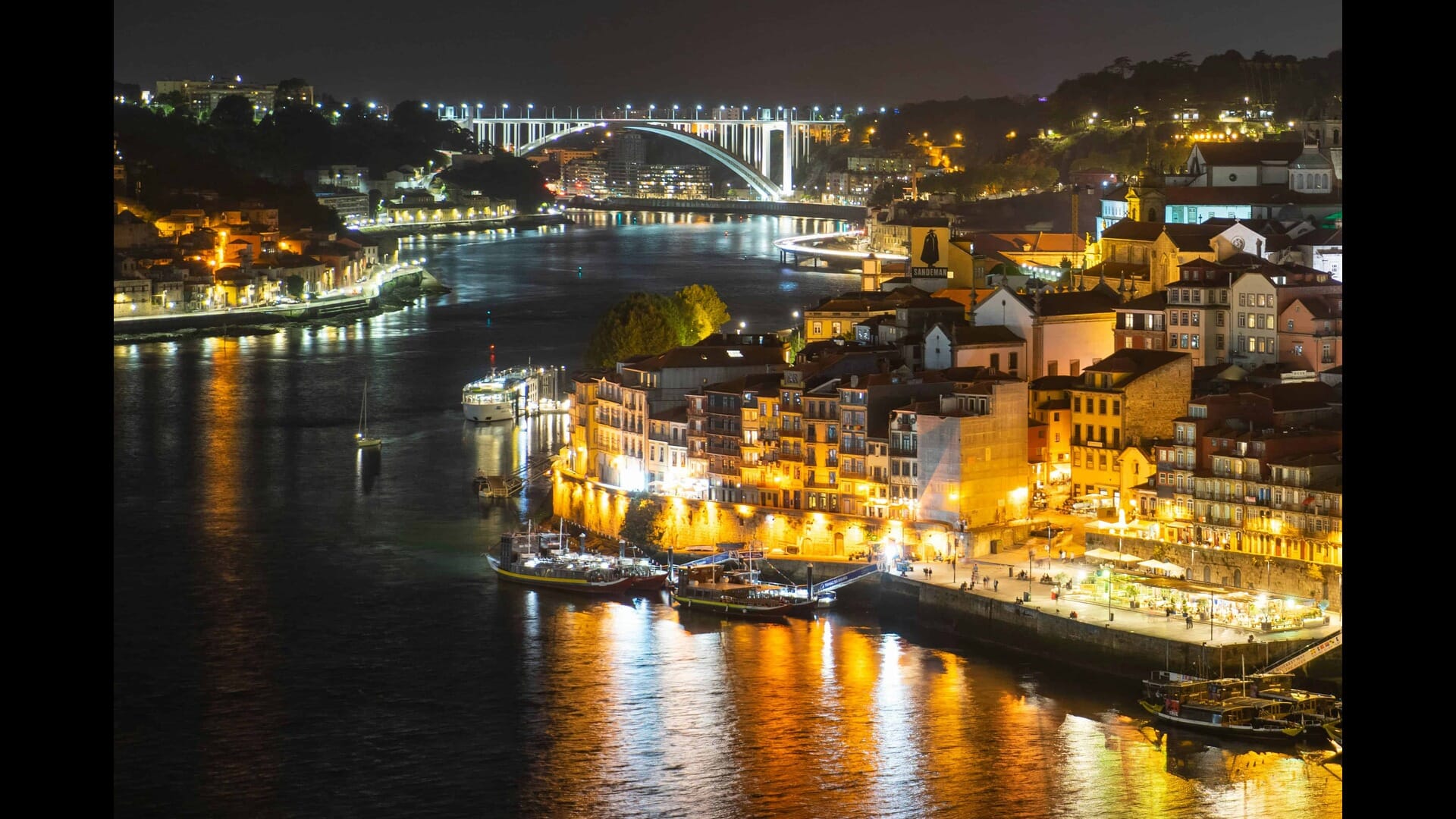
Exploring the Historic Bridges of Porto: A Journey Through Time
Exploring the Historic Bridges of Porto: A Journey Through Time
Porto, Portugal's second-largest city, is a vibrant tapestry of history, culture, and stunning architecture. Among its many treasures, the bridges that span the Douro River stand out as iconic symbols of the city’s rich heritage and engineering prowess. From the majestic Dom Luís I Bridge to the lesser-known yet equally fascinating Ponte da Arrábida, each bridge tells a story of Porto's evolution over the centuries.
In this article, we will embark on an extensive exploration of the historic bridges of Porto, delving into their architectural significance, historical context, and the breathtaking views they offer.
The Importance of Bridges in Porto's History
Bridges are more than just structures that connect two points; they are vital arteries that facilitate trade, transport, and cultural exchange. In Porto, the Douro River has historically been a crucial waterway for commerce, and the bridges that span it have played a pivotal role in the city’s development. The construction of these bridges reflects the technological advancements of their respective eras and the artistic vision of their creators. As we explore each bridge, we will uncover the stories behind their construction and their impact on the city.
Dom Luís I Bridge: The Iconic Symbol of Porto
A Brief History of the Dom Luís I Bridge
The Dom Luís I Bridge, completed in 1886, is perhaps the most recognizable landmark in Porto. Designed by the engineer Théophile Seyrig, a disciple of Gustave Eiffel, the bridge features a stunning double-deck structure that elegantly spans the Douro River. The upper deck is reserved for pedestrians and the iconic Porto tram, while the lower deck accommodates vehicles. The bridge's iron arches and intricate design have made it a masterpiece of 19th-century engineering.
Architectural Features of the Dom Luís I Bridge
The Dom Luís I Bridge is a marvel of engineering, with its impressive 172-meter main span. The use of wrought iron in its construction not only provides strength but also adds to its aesthetic appeal. The bridge’s arches rise gracefully above the river, creating a striking silhouette against the Porto skyline. As you walk across the upper deck, you are treated to panoramic views of the city, the river, and the surrounding hills.
Experiencing the Dom Luís I Bridge
Walking across the Dom Luís I Bridge is an unforgettable experience. The gentle sway of the bridge beneath your feet, combined with the breathtaking views, creates a sense of wonder. On one side, you can see the historic Ribeira district, with its colorful buildings and bustling atmosphere. On the other side, the picturesque village of Vila Nova de Gaia awaits, home to numerous wine cellars where you can sample the famous Port wine.
Ponte da Arrábida: A Modern Marvel
The Construction of Ponte da Arrábida
Completed in 1963, the Ponte da Arrábida is a striking example of modern engineering. Designed by the Portuguese architect Edgar Cardoso, this bridge was built to accommodate the increasing traffic demands of the city. Its sweeping curves and elegant design make it a standout feature of Porto’s skyline. The bridge spans 1,700 meters and is notable for its impressive height, allowing large vessels to pass beneath it.
Architectural Significance of Ponte da Arrábida
The Ponte da Arrábida is an arch bridge, characterized by its smooth, flowing lines and graceful arches. The bridge's design reflects the modernist movement of the mid-20th century, emphasizing functionality and aesthetics. The use of reinforced concrete in its construction allows for both strength and flexibility, making it a resilient structure that has withstood the test of time.
Enjoying the Views from Ponte da Arrábida
One of the best ways to appreciate the beauty of the Ponte da Arrábida is to take a leisurely stroll along the riverbanks. From various vantage points, you can capture stunning photographs of the bridge, especially during sunset when the sky is painted in hues of orange and pink. The bridge also offers a unique perspective of the city, with the historic buildings of Porto juxtaposed against the modernity of the structure.
Ponte de São João: A Blend of Old and New
The Historical Context of Ponte de São João
The Ponte de São João, completed in 1991, is a relatively new addition to Porto's collection of bridges. However, its design pays homage to the city's rich architectural heritage. The bridge connects the neighborhoods of Campanhã and Vila Nova de Gaia, providing a vital link for both pedestrians and vehicles. Its construction was part of a larger urban renewal project aimed at improving transportation infrastructure in the region.
Architectural Features of Ponte de São João
The Ponte de São João is a cable-stayed bridge, characterized by its sleek lines and modern design. The bridge features a central pylon that supports the main span, creating a visually striking silhouette against the Porto skyline. The use of steel cables adds to the bridge's modern aesthetic while ensuring its structural integrity.
Experiencing Ponte de São João
Walking across the Ponte de São João offers a unique experience, as the bridge is less crowded than some of its more famous counterparts. As you stroll along the pedestrian walkway, you can take in the stunning views of the Douro River and the surrounding hills. The bridge is particularly beautiful at night when it is illuminated, creating a magical atmosphere that enchants visitors.
Ponte do Freixo: A Hidden Gem
The History of Ponte do Freixo
The Ponte do Freixo, completed in 1995, is often overlooked by tourists but is a hidden gem worth exploring. This bridge connects the neighborhoods of Freixo and Campanhã, providing a vital transportation link for local residents. Its construction was part of a broader effort to improve connectivity in the region, and it has since become an integral part of Porto's infrastructure.
Architectural Characteristics of Ponte do Freixo
The Ponte do Freixo is a cable-stayed bridge, similar to the Ponte de São João, but with its own unique design elements. The bridge features a central pylon that rises majestically above the river, supported by a series of steel cables. The use of concrete and steel in its construction gives the bridge a modern appearance while ensuring its durability.
Discovering Ponte do Freixo
While the Ponte do Freixo may not be as famous as some of Porto's other bridges, it offers a peaceful escape from the bustling tourist areas. The surrounding parks and green spaces provide a tranquil setting for a leisurely stroll or a picnic by the river. The bridge also offers stunning views of the Douro River and the city, making it a perfect spot for photography enthusiasts.
Ponte da Ribeira: The Oldest Bridge in Porto
A Historical Overview of Ponte da Ribeira
The Ponte da Ribeira, also known as the Old Bridge, is one of the oldest bridges in Porto, dating back to the 16th century. Originally constructed as a wooden bridge, it was later rebuilt in stone, showcasing the architectural styles of its time. The bridge served as a vital crossing point for traders and travelers, connecting the bustling Ribeira district with the rest of the city.
Architectural Features of Ponte da Ribeira
The Ponte da Ribeira is characterized by its rustic charm and historical significance. The stone archways and intricate carvings reflect the craftsmanship of the era, while the bridge's sturdy construction has allowed it to withstand the test of time. As you walk across the bridge, you can almost feel the weight of history beneath your feet.
Experiencing Ponte da Ribeira
Walking across the Ponte da Ribeira is like stepping back in time. The bridge offers stunning views of the Douro River and the colorful buildings of the Ribeira district. The vibrant atmosphere of the area, with its lively cafes and shops, adds to the charm of the experience. Be sure to take a moment to pause and soak in the beauty of this historic bridge.
Ponte da Infante: A Contemporary Addition
The Construction of Ponte da Infante
The Ponte da Infante, completed in 2003, is one of the newest bridges in Porto. Named after Prince Henry the Navigator, the bridge serves as a vital link between the city and Vila Nova de Gaia. Its construction was part of a larger urban development plan aimed at improving transportation and accessibility in the region.
Architectural Significance of Ponte da Infante
The Ponte da Infante is a cable-stayed bridge, featuring a sleek and modern design. The bridge's central pylon and steel cables create a striking visual impact, while its smooth lines and curves reflect contemporary architectural trends. The use of modern materials ensures the bridge's durability and resilience.
Enjoying the Views from Ponte da Infante
Walking across the Ponte da Infante offers breathtaking views of the Douro River and the surrounding landscape. The bridge is particularly beautiful at sunset when the sky is painted in vibrant colors. From the bridge, you can also see the iconic Dom Luís I Bridge in the distance, creating a stunning contrast between old and new.
Ponte de São Bento: A Bridge with a Story
The Historical Context of Ponte de São Bento
The Ponte de São Bento, completed in the early 20th century, is a lesser-known bridge that holds significant historical value. Named after the nearby São Bento train station, the bridge serves as a vital transportation link for both pedestrians and vehicles. Its construction was part of a broader effort to improve the city’s infrastructure and connectivity.
Architectural Features of Ponte de São Bento
The Ponte de São Bento is characterized by its elegant design and sturdy construction. The bridge features a series of arches that create a visually appealing structure, while its use of stone and steel ensures its durability. The bridge's design reflects the architectural styles of the early 20th century, blending functionality with aesthetics.
Discovering Ponte de São Bento
While the Ponte de São Bento may not be as famous as some of Porto's other bridges, it offers a unique glimpse into the city's history. The surrounding area is filled with charming cafes and shops, making it a perfect spot to relax and soak in the local atmosphere. The bridge also provides stunning views of the Douro River and the historic buildings of Porto.
Ponte de D. Maria II: A Bridge of Art and Culture
The Historical Significance of Ponte de D. Maria II
The Ponte de D. Maria II, completed in the late 19th century, is a bridge that embodies the artistic spirit of Porto. Named after Queen Maria II of Portugal, the bridge was designed to connect the city with the surrounding regions. Its construction was a testament to the city’s commitment to progress and modernization.
Architectural Characteristics of Ponte de D. Maria II
The Ponte de D. Maria II is characterized by its intricate design and artistic elements. The bridge features decorative ironwork and ornate details that reflect the craftsmanship of the era. Its unique design sets it apart from other bridges in the city, making it a true work of art.
Experiencing Ponte de D. Maria II
Walking across the Ponte de D. Maria II is a delightful experience, as the bridge offers stunning views of the Douro River and the surrounding landscape. The artistic details of the bridge add to its charm, making it a perfect spot for photography enthusiasts. The bridge is also located near several cultural attractions, including museums and galleries, making it a great starting point for exploring the city.
Conclusion: The Bridges of Porto as Cultural Icons
The historic bridges of Porto are more than just structures that span the Douro River; they are cultural icons that reflect the city’s rich history and architectural heritage. Each bridge tells a unique story, from the iconic Dom Luís I Bridge to the modern Ponte da Infante. As you explore these bridges, you will gain a deeper appreciation for the artistry and engineering that have shaped Porto over the centuries. Whether you are a history buff, an architecture enthusiast, or simply a traveler seeking breathtaking views, the bridges of Porto offer something for everyone. So, lace up your walking shoes, grab your camera, and embark on a journey through time as you explore the historic bridges of Porto.