
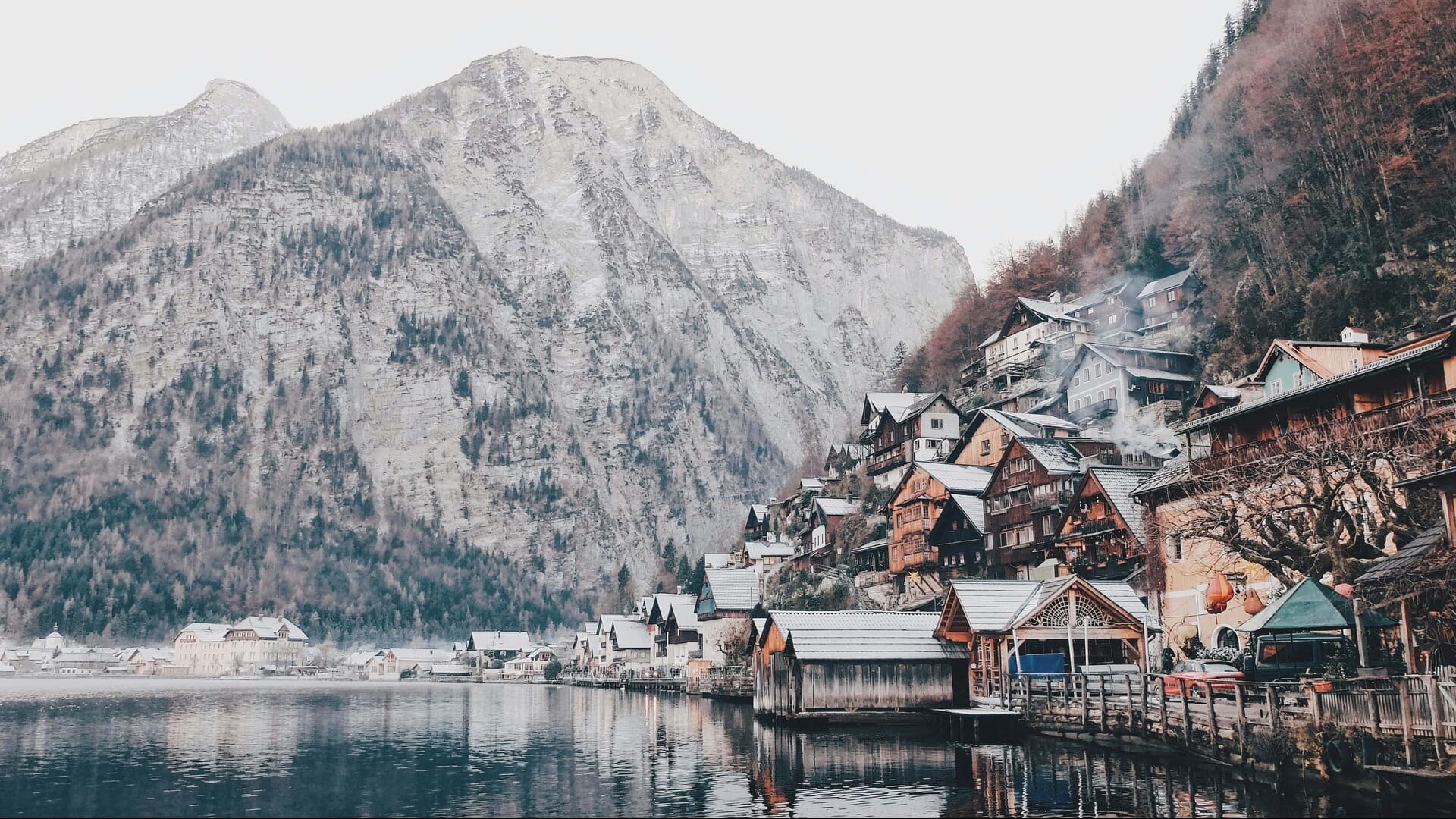
A Guide to the Unique Traditions of Austria
A Guide to the Unique Traditions of Austria
Austria, a land of stunning landscapes, rich history, and vibrant culture, is renowned for its unique traditions that have been passed down through generations. From the majestic Alps to the charming streets of Vienna, Austria's cultural heritage is a tapestry woven with music, art, cuisine, and festivals.
This guide delves into the unique traditions of Austria, providing an in-depth look at the customs, rituals, and celebrations that define this beautiful country.
The Rich Tapestry of Austrian Cultural Heritage
Austria's cultural heritage is a blend of influences from various regions and epochs. The country's history as a hub of the Habsburg Empire has left an indelible mark on its traditions. The fusion of German, Hungarian, Czech, and Italian influences creates a unique cultural mosaic that is evident in its architecture, music, and culinary practices. Understanding this rich tapestry is essential for anyone looking to explore the unique traditions of Austria.
The Influence of Music in Austrian Traditions
One cannot discuss Austrian traditions without mentioning music. Austria is often referred to as the land of music, and for good reason. The country has produced some of the world's most renowned composers, including Wolfgang Amadeus Mozart, Ludwig van Beethoven, and Johann Strauss II.
Classical Music Festivals
Austria hosts numerous classical music festivals throughout the year, celebrating its musical heritage. The Salzburg Festival, held annually in the city of Salzburg, is one of the most prestigious music festivals in the world. It features opera, drama, and concerts, attracting artists and audiences from around the globe. The Vienna Philharmonic's New Year's Concert is another highlight, broadcasted to millions worldwide, showcasing the grandeur of Viennese music.
Traditional Austrian Folk Music
In addition to classical music, traditional Austrian folk music plays a significant role in the country's cultural identity. Folk music varies by region, with each area boasting its own unique styles and instruments. The Tyrolean folk music, characterized by the use of the zither and accordion, is particularly popular in the mountainous regions. Festivals often feature folk music performances, where locals and visitors alike can enjoy lively dances and sing-alongs.
Celebrating Austrian Festivals and Holidays
Austrian festivals are a vibrant expression of the country's traditions and customs. They often revolve around religious observances, seasonal changes, and historical events. Here are some of the most notable festivals that showcase the unique traditions of Austria.
Fasching: The Austrian Carnival
Fasching, or Carnival, is celebrated in the lead-up to Lent and is marked by colorful parades, elaborate costumes, and lively parties. Each region has its own unique way of celebrating Fasching, with the most famous festivities taking place in Vienna and the Tyrol region. The highlight of Fasching is the grand parade, where participants don extravagant costumes and masks, often representing historical figures or local legends.
Advent and Christmas Traditions in Austria
The Christmas season in Austria is a magical time, filled with unique traditions and customs. Advent, the period leading up to Christmas, is celebrated with various customs, including the Advent wreath and calendars.
Christmas Markets
One of the most beloved traditions during this time is the Christmas market, or Christkindlmarkt. These markets are held in towns and cities across Austria, featuring stalls selling handmade crafts, ornaments, and delicious treats like roasted chestnuts and mulled wine. The Vienna Christmas Market is particularly famous, attracting visitors with its festive atmosphere and stunning decorations.
St. Nicholas Day
On December 6th, Austrians celebrate St. Nicholas Day, a tradition that involves children receiving small gifts and treats. In some regions, St. Nicholas is accompanied by Krampus, a horned figure who punishes naughty children. This duality of reward and punishment adds a unique twist to the holiday celebrations.
The Culinary Traditions of Austria
Austrian cuisine is a reflection of the country's diverse cultural influences and regional specialties. Food plays a central role in Austrian traditions, with many dishes tied to specific celebrations and customs.
Traditional Austrian Dishes
Austrian cuisine is known for its hearty and flavorful dishes. Some of the most iconic dishes include:
- Wiener Schnitzel: A breaded and fried veal cutlet, often served with potato salad or lingonberry sauce.
- Sachertorte: A rich chocolate cake with a layer of apricot jam, famously originating from Vienna.
- Apfelstrudel: A delicious apple pastry, often served warm with vanilla sauce or ice cream.
Food Festivals in Austria
Austria hosts various food festivals throughout the year, celebrating its culinary traditions. The Vienna Food Festival, for example, showcases local delicacies and wines, while the Styrian Pumpkin Festival highlights the region's pumpkin harvest with delicious dishes and recipes.
The Role of Folklore and Folk Art in Austrian Traditions
Folklore and folk art are integral to Austria's cultural identity. They reflect the beliefs, values, and history of the Austrian people.
Traditional Crafts and Artisanship
Austrian folk art encompasses a wide range of crafts, including wood carving, pottery, and textile arts. Many regions have their own unique styles, with artisans often using traditional techniques that have been passed down through generations. The Tyrolean woodcarving tradition, for example, is famous for its intricate designs and craftsmanship.
Folklore and Legends
Austrian folklore is rich with tales of mythical creatures, heroes, and local legends. Stories of the Waldgeist (forest spirit) and Nix (water nymph) are popular in rural areas, often told around campfires or during festivals. These tales not only entertain but also serve to preserve the cultural heritage of the region.
Seasonal Celebrations and Traditions in Austria
Austria's unique traditions are often tied to the changing seasons, with various celebrations marking the arrival of spring, summer, autumn, and winter.
Spring Traditions: Easter Celebrations
Easter is a significant holiday in Austria, celebrated with various customs and traditions. The week leading up to Easter, known as Holy Week, features numerous religious observances and local customs.
Easter Markets
Similar to Christmas markets, Easter markets pop up in towns and cities, offering beautifully decorated Easter eggs, handmade crafts, and seasonal treats. The Vienna Easter Market is particularly popular, attracting visitors with its vibrant atmosphere and festive decorations.
Easter Egg Rolling
In some regions, a unique tradition involves rolling decorated eggs down hills, symbolizing the rolling away of the stone from Jesus' tomb. This fun and playful activity is enjoyed by children and families alike.
Autumn Traditions: Harvest Festivals
Autumn in Austria is a time of celebration, particularly during the harvest season. Various harvest festivals are held across the country, showcasing local produce and traditional customs.
Wine Harvest Festivals
In regions known for wine production, such as the Wachau Valley, wine harvest festivals are a highlight of the autumn season. These festivals feature wine tastings, traditional music, and local delicacies, allowing visitors to experience the rich wine culture of Austria.
The Importance of Family and Community in Austrian Traditions
Family and community play a vital role in Austrian traditions. Many customs and celebrations emphasize the importance of togetherness and shared experiences.
Family Gatherings and Celebrations
Austrian families often come together for celebrations, whether for holidays, birthdays, or milestones. Traditional meals are an essential part of these gatherings, with families preparing and enjoying dishes that have been passed down through generations.
Community Events and Local Traditions
Local traditions and events foster a sense of community and belonging. Many towns and villages have their own unique customs, often centered around local history or agricultural practices. These events provide opportunities for residents to come together, celebrate their heritage, and pass on traditions to future generations.
Preserving the Unique Traditions of Austria for Future Generations
As globalization continues to influence cultures worldwide, preserving unique traditions becomes increasingly important. In Austria, efforts are being made to safeguard cultural heritage through education, community initiatives, and tourism.
Educational Programs and Workshops
Many organizations and cultural institutions in Austria offer educational programs and workshops focused on traditional crafts, music, and customs. These initiatives aim to engage younger generations and instill a sense of pride in their cultural heritage.
Cultural Tourism and Sustainable Practices
Cultural tourism plays a significant role in preserving Austrian traditions. By promoting authentic experiences and supporting local artisans, Austria can ensure that its unique customs and practices continue to thrive. Sustainable tourism practices also help protect the environment and cultural sites, allowing future generations to experience the beauty and richness of Austria's traditions.
Conclusion: Embracing the Unique Traditions of Austria
Austria's unique traditions are a testament to its rich cultural heritage and the resilience of its people. From music and festivals to culinary delights and folklore, these customs offer a glimpse into the heart and soul of Austria. As travelers explore this enchanting country, they are invited to embrace and celebrate the unique traditions that make Austria a truly remarkable destination. Whether it's dancing at a folk festival, savoring a slice of Sachertorte, or listening to the melodies of a classical concert, each experience is a celebration of Austria's vibrant culture and history.