
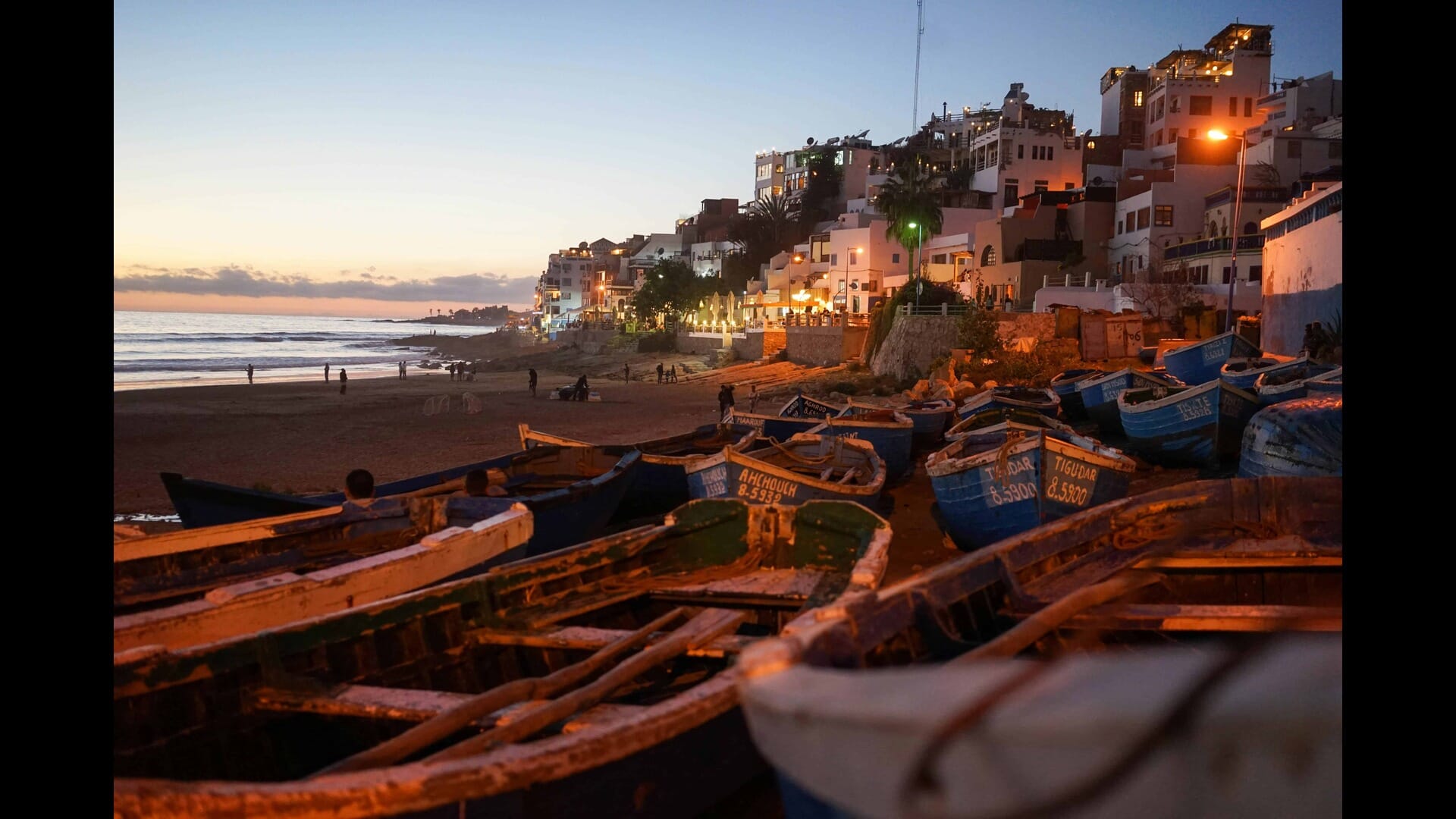
A Guide to Moroccan Architecture: Palaces, Mosques, and More
A Guide to Moroccan Architecture: Palaces, Mosques, and More
Morocco, a land where the sun-kissed dunes meet the rugged Atlas Mountains, is a treasure trove of architectural wonders. The country’s rich history, influenced by various cultures, has given rise to a unique architectural style that is both captivating and diverse.
From the grandeur of palaces to the intricate designs of mosques, Moroccan architecture tells a story of a vibrant past and a dynamic present. In this comprehensive guide, we will explore the various facets of Moroccan architecture, including its historical significance, key architectural styles, and must-visit sites.
The Historical Context of Moroccan Architecture
To truly appreciate Moroccan architecture, one must first understand its historical context. Morocco has been a crossroads of civilizations for centuries, influenced by Berber, Arab, and European cultures. This blend of influences is evident in the country’s architectural styles, which evolved over time.
The Berber Influence on Moroccan Architecture
The indigenous Berber people have inhabited Morocco for thousands of years, and their architectural contributions are significant. Traditional Berber homes, known as kasbahs, are made from rammed earth and feature thick walls to protect against the harsh desert climate. These structures are often adorned with geometric patterns and vibrant colors, reflecting the natural surroundings.
Arab and Islamic Influence on Moroccan Architecture
The arrival of Arab conquerors in the 7th century marked a turning point in Moroccan architecture. The introduction of Islam brought new architectural elements, such as the mosque and the minaret. The use of intricate tile work, known as zellige, and calligraphy became prominent features in Islamic architecture, adding a layer of beauty and spirituality to Moroccan buildings.
European Colonial Influence on Moroccan Architecture
In the late 19th and early 20th centuries, European powers, particularly the French and Spanish, colonized Morocco. This period introduced new architectural styles, including Art Deco and modernism. The fusion of these styles with traditional Moroccan elements created a unique architectural landscape that can still be seen today.
Key Architectural Styles in Morocco
Moroccan architecture is characterized by a variety of styles, each with its own distinct features and historical significance. Here are some of the most notable styles:
1. Islamic Architecture
Islamic architecture in Morocco is perhaps the most recognizable. It is characterized by its grand mosques, intricate tile work, and beautiful arches. The use of horseshoe arches and courtyards are common features, creating serene spaces for worship and reflection.
2. Moorish Architecture
Moorish architecture, which originated in North Africa and spread to Spain, is known for its elaborate decoration and intricate designs. Key features include stucco work, carved wood, and colorful tiles. The Palacio de la Bahia in Marrakech is a stunning example of Moorish architecture, showcasing the opulence of this style.
3. Art Deco
During the French colonial period, Art Deco made its mark on Moroccan architecture. This style is characterized by geometric shapes, bold colors, and a sense of modernity. The Royal Theatre in Casablanca is a prime example of Art Deco architecture, blending traditional Moroccan elements with modern design.
4. Traditional Berber Architecture
Traditional Berber architecture is primarily found in the rural areas of Morocco. The kasbahs and riads (traditional courtyard houses) are built using local materials and are designed to blend harmoniously with the surrounding landscape. These structures often feature intricate carvings and colorful mosaics.
Iconic Palaces in Morocco
Moroccan palaces are a testament to the country’s rich history and architectural prowess. Here are some of the most iconic palaces that showcase the grandeur of Moroccan architecture:
1. The Royal Palace of Marrakech
The Royal Palace of Marrakech, known as Dar el-Makhzen, is a stunning example of Moroccan architecture. Located in the heart of the city, the palace features beautiful gardens, intricate tile work, and grand courtyards. Although the palace is not open to the public, visitors can admire its impressive exterior and the surrounding architecture.
2. The Bahia Palace
The Bahia Palace is a masterpiece of Moroccan architecture, built in the late 19th century. This sprawling complex features lush gardens, intricate tile work, and stunning courtyards. The palace was designed to be a serene retreat for the ruling elite and is a prime example of Moorish architecture.
3. The El Badi Palace
Once a magnificent structure, the El Badi Palace in Marrakech now stands in ruins, but its historical significance is undeniable. Built in the late 16th century, the palace was adorned with gold, marble, and precious stones. Today, visitors can explore the remnants of this once-grand palace and imagine its former glory.
4. The Royal Palace of Fes
The Royal Palace of Fes is another architectural gem, known for its impressive gates and stunning tile work. The palace is a symbol of the city’s royal heritage and is surrounded by beautiful gardens. While the palace is not open to the public, its exterior is a sight to behold.
Majestic Mosques of Morocco
Mosques are an integral part of Moroccan architecture, serving as places of worship and community gathering. Here are some of the most majestic mosques in the country:
1. The Hassan II Mosque
Located in Casablanca, the Hassan II Mosque is one of the largest mosques in the world. Its stunning minaret rises 210 meters above the Atlantic Ocean, making it a prominent landmark. The mosque features intricate tile work, beautiful arches, and a stunning glass floor that allows worshippers to see the ocean below.
2. The Koutoubia Mosque
The Koutoubia Mosque in Marrakech is another iconic structure, known for its impressive minaret that stands at 77 meters tall. The mosque is surrounded by beautiful gardens and is a popular spot for both locals and tourists. Its architectural design reflects the classic style of Moroccan mosques, with intricate details and a serene atmosphere.
3. The Bou Inania Madrasa
The Bou Inania Madrasa in Fes is a stunning example of Islamic architecture. This religious school features intricate woodwork, beautiful tile mosaics, and a tranquil courtyard. The madrasa is a UNESCO World Heritage site and is open to visitors who wish to explore its architectural beauty.
4. The Tin Mal Mosque
The Tin Mal Mosque, located in the Atlas Mountains, is a lesser-known gem that showcases the beauty of Moroccan architecture. Built in the 12th century, the mosque features stunning geometric patterns and is surrounded by breathtaking mountain scenery. It is a pilgrimage site for many and offers a glimpse into the country’s rich Islamic heritage.
Unique Architectural Elements in Moroccan Design
Moroccan architecture is known for its unique design elements that set it apart from other styles. Here are some of the most distinctive features:
1. Zellige Tile Work
Zellige is a traditional Moroccan tilework technique that involves creating intricate geometric patterns using colorful glazed tiles. This art form is often used to decorate walls, fountains, and floors, adding a vibrant touch to Moroccan architecture.
2. Horseshoe Arches
Horseshoe arches are a hallmark of Islamic architecture and are commonly found in Moroccan buildings. These arches create a sense of grandeur and elegance, often leading to beautiful courtyards or prayer halls.
3. Courtyards and Gardens
Many Moroccan homes and palaces feature central courtyards, which serve as tranquil spaces for relaxation and socializing. These courtyards are often adorned with lush gardens, fountains, and intricate tile work, creating a serene oasis in the midst of bustling cities.
4. Carved Wood and Stucco
Intricate woodwork and stucco carvings are common features in Moroccan architecture. These decorative elements often depict floral and geometric patterns, showcasing the craftsmanship and artistry of Moroccan artisans.
Exploring the Cultural Heritage of Moroccan Architecture
Moroccan architecture is not just about aesthetics; it is deeply intertwined with the country’s cultural heritage. The architectural styles and structures reflect the values, beliefs, and traditions of the Moroccan people.
The Role of Architecture in Moroccan Society
Architecture plays a significant role in Moroccan society, serving as a symbol of identity and community. Mosques, palaces, and traditional homes are not only functional spaces but also represent the rich history and cultural diversity of the country.
Preservation of Architectural Heritage
Efforts to preserve Morocco’s architectural heritage are ongoing, with various organizations working to restore and maintain historical sites. UNESCO has recognized several sites in Morocco as World Heritage sites, highlighting their cultural significance and the need for preservation.
Architectural Tours in Morocco: A Journey Through Time
For those interested in exploring the architectural wonders of Morocco, several guided tours offer a comprehensive experience. These tours often include visits to iconic palaces, mosques, and traditional neighborhoods, providing insight into the country’s rich architectural history.
1. Marrakech Architectural Tour
A guided tour of Marrakech allows visitors to explore the city’s stunning palaces and mosques, including the Bahia Palace and Koutoubia Mosque. Knowledgeable guides share stories about the history and significance of each site, enriching the experience.
2. Fes Cultural and Architectural Tour
Fes is known for its well-preserved medieval architecture, and a cultural tour of the city offers a glimpse into its rich history. Visitors can explore the Bou Inania Madrasa, the ancient medina, and the Royal Palace, all while learning about the architectural styles that define the city.
3. Casablanca Modern Architecture Tour
For those interested in modern architecture, a tour of Casablanca showcases the city’s Art Deco buildings and contemporary designs. The Royal Theatre and other notable structures highlight the fusion of traditional Moroccan elements with modern aesthetics.
4. Atlas Mountains Architectural Adventure
A journey into the Atlas Mountains reveals traditional Berber architecture, including kasbahs and riads. Guided tours often include visits to local villages, where visitors can learn about the unique building techniques and materials used by the Berber people.
Conclusion: The Enduring Legacy of Moroccan Architecture
Moroccan architecture is a captivating blend of history, culture, and artistry. From the majestic palaces and mosques to the intricate tile work and unique design elements, each structure tells a story of the country’s rich heritage. As you explore the architectural wonders of Morocco, you will not only be captivated by their beauty but also gain a deeper understanding of the cultural significance they hold. Whether you are wandering through the bustling streets of Marrakech or standing in awe of the Hassan II Mosque in Casablanca, the enduring legacy of Moroccan architecture will leave an indelible mark on your journey through this enchanting land.