
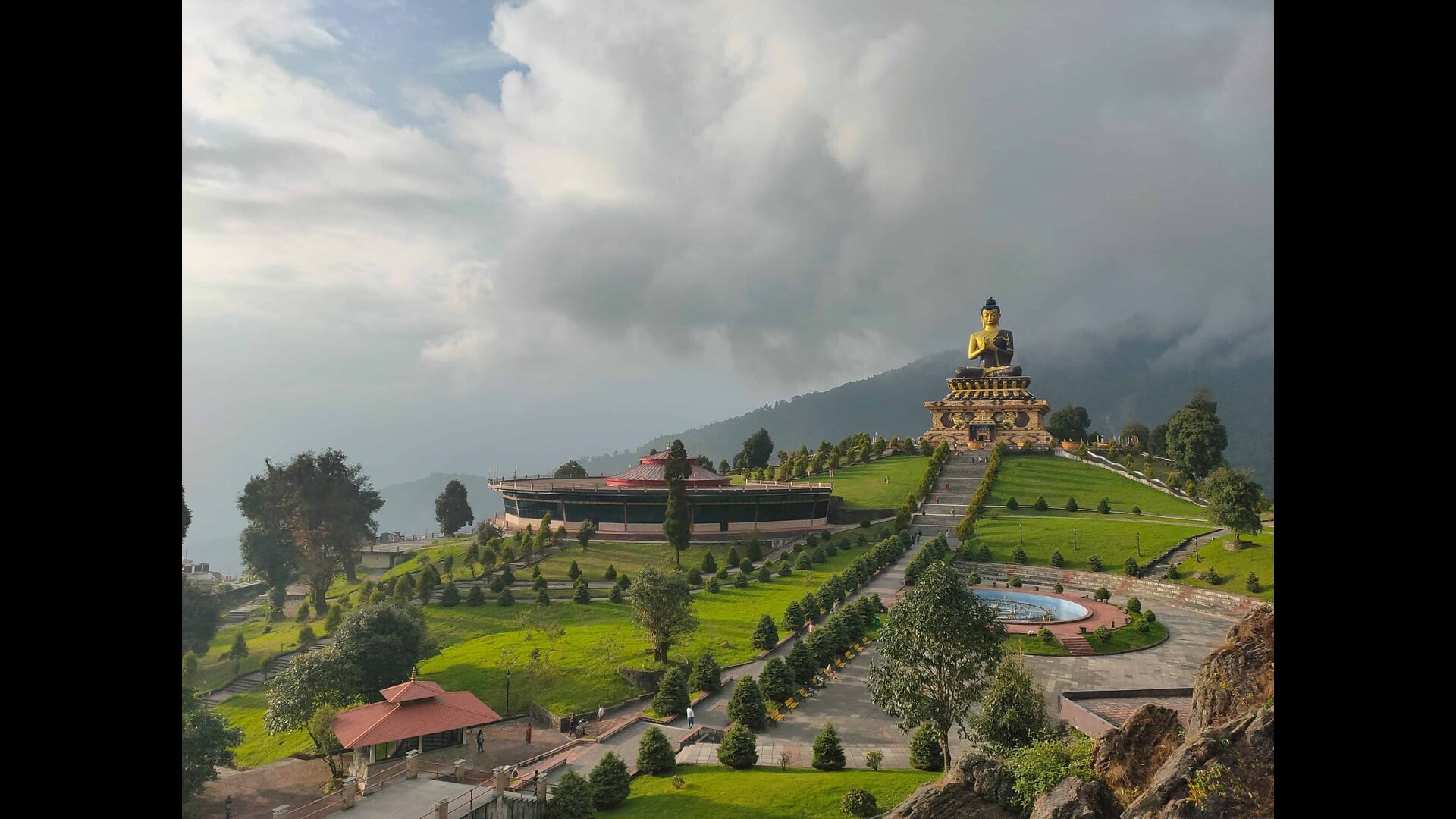
A Guide to Indian Classical Music: Discovering the Melodies
A Guide to Indian Classical Music: Discovering the Melodies
Indian classical music is a treasure trove of melodies, rhythms, and emotions that have been passed down through generations. This guide will take you on an enchanting journey through the rich tapestry of Indian classical music, exploring its history, styles, instruments, and the cultural significance it holds in the hearts of millions.
Understanding the History of Indian Classical Music
Indian classical music has a history that dates back thousands of years. Its roots can be traced to the ancient Vedic texts, which describe musical practices in rituals and ceremonies. The evolution of Indian classical music can be divided into several phases:
- Vedic Period: The earliest form of music in India, where chants and hymns were sung during religious rituals.
- Medieval Period: The introduction of various regional styles and the influence of Persian music during the Mughal era.
- Modern Period: The revival and popularization of Indian classical music in the 20th century, leading to its global recognition.
The rich history of Indian classical music is not just about the music itself; it is also about the cultural and spiritual contexts in which it has evolved.
The Two Main Traditions of Indian Classical Music
Indian classical music is broadly classified into two main traditions: Hindustani and Carnatic music. Each tradition has its unique characteristics, styles, and instruments.
Hindustani Music: The North Indian Tradition
Hindustani music is primarily practiced in North India and is characterized by its improvisational nature. It is heavily influenced by Persian and Mughal music, which adds a unique flavor to its compositions. The key elements of Hindustani music include:
- Raga: A melodic framework that serves as the basis for improvisation and composition.
- Tala: The rhythmic cycle that provides structure to the music.
- Gharana: A lineage or school of music that imparts specific styles and techniques.
Carnatic Music: The South Indian Tradition
Carnatic music, on the other hand, is rooted in South India and is known for its intricate compositions and structured approach. It emphasizes vocal music, with instrumental performances often following the vocal style. Key features of Carnatic music include:
- Kriti: A song form that is central to Carnatic music, often composed by renowned composers.
- Raga and Tala: Similar to Hindustani music, but with distinct interpretations and structures.
- Varnam: A type of composition that serves as a technical exercise for musicians.
Exploring the Instruments of Indian Classical Music
The beauty of Indian classical music is further enhanced by its diverse range of instruments. Each instrument has its unique sound and plays a crucial role in the overall composition. Here are some of the most prominent instruments:
Sitar: The Iconic String Instrument
The sitar is perhaps the most recognized instrument in Indian classical music. With its long neck and resonating body, it produces a rich, melodic sound. The sitar is often used in both Hindustani and fusion music, making it a versatile instrument.
Tabla: The Heartbeat of Rhythm
The tabla is a pair of hand-played drums that provide the rhythmic foundation in Hindustani music. Its intricate patterns and dynamic sounds make it an essential component of many compositions.
Veena: The Ancient Lute
The veena is a traditional string instrument used primarily in Carnatic music. With its deep, resonant tones, it is often associated with devotional music and is played in both solo and ensemble settings.
Flute: The Melodic Wind Instrument
The bamboo flute, or bansuri, is a key instrument in both Hindustani and Carnatic music. Its sweet, airy sound evokes deep emotions and is often used in solo performances.
Harmonium: The Portable Keyboard
The harmonium is a small, hand-pumped keyboard instrument that is widely used in Indian classical music. It provides harmonic support and is often played alongside vocalists.
The Different Styles of Indian Classical Music
Indian classical music encompasses a wide range of styles, each with its unique characteristics and cultural significance. Here are some notable styles:
Dhrupad: The Ancient Vocal Style
Dhrupad is one of the oldest forms of Hindustani vocal music, characterized by its solemn and meditative quality. It often features a slow tempo and is known for its intricate improvisations.
Khayal: The Popular Vocal Form
Khayal is a more contemporary form of Hindustani music that allows for greater improvisation and expression. It is characterized by its lyrical beauty and emotional depth.
Thumri: The Romantic Style
Thumri is a semi-classical style that focuses on romantic themes and emotions. It is often performed in a lighter, more playful manner, making it accessible to a wider audience.
Bhajan: The Devotional Song
Bhajans are devotional songs that express love and devotion to deities. They are often sung in group settings and are an integral part of Indian spiritual practices.
Varnam: The Technical Composition
In Carnatic music, Varnam serves as a technical exercise for musicians. It combines both melodic and rhythmic elements, allowing performers to showcase their skills.
Learning Indian Classical Music: A Journey of Discovery
Embarking on the journey of learning Indian classical music can be a deeply rewarding experience. Here are some steps to guide you:
Finding a Guru: The Importance of Mentorship
In Indian classical music, learning from a guru (teacher) is essential. A guru not only imparts knowledge but also instills discipline and a deep understanding of the art form.
Choosing Your Instrument or Vocal Style
Decide whether you want to learn an instrument or focus on vocal music. Each path requires dedication and practice, so choose one that resonates with you.
Regular Practice: The Key to Mastery
Consistent practice is crucial in mastering Indian classical music. Set aside time each day to practice scales, compositions, and improvisation.
Attending Workshops and Classes
Participating in workshops and classes can enhance your learning experience. Look for local music schools or online courses that offer instruction in Indian classical music.
Listening and Observing: The Learning Process
Listening to recordings of renowned musicians and attending live performances can provide valuable insights into the nuances of Indian classical music.
The Cultural Significance of Indian Classical Music
Indian classical music is not just an art form; it is a reflection of the culture and spirituality of India. It plays a vital role in various aspects of life:
Spiritual Practices and Rituals
Music is an integral part of spiritual practices in India. It is often used in rituals, prayers, and meditation, helping individuals connect with the divine.
Festivals and Celebrations
Indian classical music is celebrated during various festivals, where musicians perform in front of large audiences. These events foster a sense of community and cultural pride.
Preservation of Tradition
The transmission of Indian classical music from one generation to the next ensures the preservation of cultural heritage. It serves as a bridge connecting the past with the present.
Famous Indian Classical Musicians to Know
Throughout history, many musicians have made significant contributions to Indian classical music. Here are some legendary figures:
Ravi Shankar: The Sitar Maestro
Ravi Shankar is perhaps the most famous sitar player in the world. He played a pivotal role in introducing Indian classical music to the Western audience and collaborated with numerous international artists.
Zakir Hussain: The Tabla Virtuoso
Zakir Hussain is a renowned tabla player known for his incredible skill and creativity. He has performed with various musicians across genres, showcasing the versatility of the tabla.
M.S. Subbulakshmi: The Legendary Vocalist
M.S. Subbulakshmi was a celebrated Carnatic vocalist whose voice resonated with divine beauty. She was the first musician to be awarded the Bharat Ratna, India's highest civilian honor.
Bismillah Khan: The Shehnai Maestro
Bismillah Khan was a legendary shehnai player who brought this traditional instrument to the forefront of Indian classical music. His performances were marked by their emotional depth and technical brilliance.
Indian Classical Music Festivals: A Celebration of Art
India hosts numerous festivals dedicated to classical music, where artists perform and celebrate their craft. Some notable festivals include:
Sawai Gandharva Bhimsen Mahotsav
Held in Pune, this festival is dedicated to the memory of legendary musician Bhimsen Joshi and features performances by top artists in Hindustani music.
Chennai Music Season
The Chennai Music Season is a month-long festival celebrating Carnatic music. It attracts musicians and audiences from around the world, showcasing a plethora of performances.
Dover Lane Music Conference
This annual conference in Kolkata brings together some of the finest Hindustani musicians, providing a platform for both established and emerging artists.
Conclusion: The Timelessness of Indian Classical Music
Indian classical music is a living tradition that continues to evolve while remaining deeply rooted in its history. Whether you are a listener, a performer, or a student, the melodies of Indian classical music offer a profound experience that transcends time and space. As you embark on your journey to discover these enchanting melodies, you will find that Indian classical music is not just an art form; it is a celebration of life, spirituality, and cultural heritage.
In this guide, we have explored the various facets of Indian classical music, from its rich history to its diverse styles and instruments. We hope this journey inspires you to delve deeper into the world of Indian classical music, allowing you to appreciate its beauty and significance in a more profound way.