
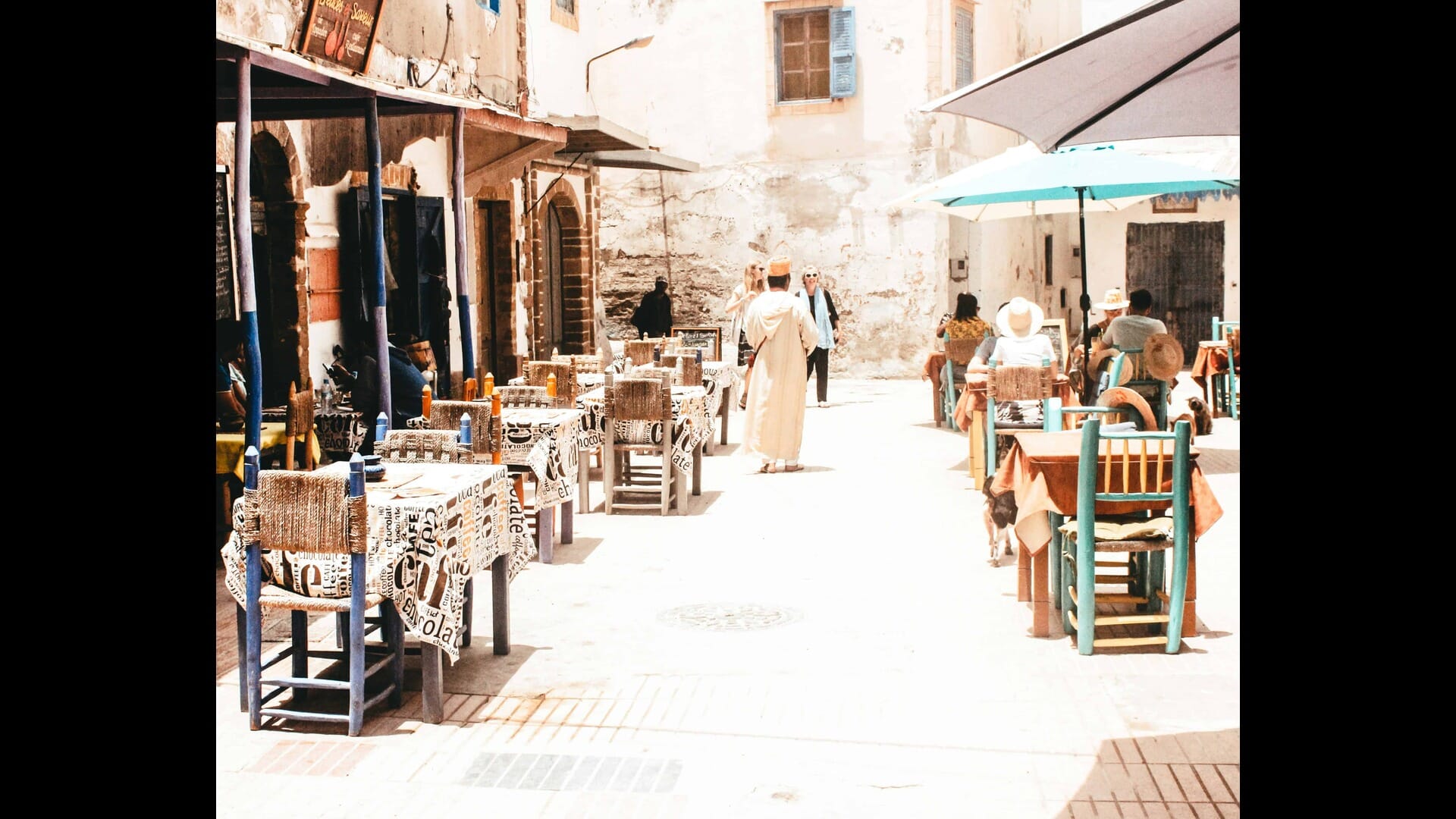
A Foodie's Guide to Moroccan Cuisine: Tagines and More
A Foodie's Guide to Moroccan Cuisine: Tagines and More
Moroccan cuisine is a vibrant tapestry woven from a rich history of trade, culture, and tradition. As you embark on this culinary journey, prepare to be captivated by the tantalizing flavors, aromatic spices, and colorful presentations that define Moroccan food. This guide will take you through the essential elements of Moroccan cuisine, focusing on the iconic tagine, while also exploring other traditional dishes, street food, and the cultural significance of food in Morocco.
Understanding Moroccan Cuisine: A Melting Pot of Flavors
Moroccan cuisine is a delightful fusion of Berber, Arab, and Mediterranean influences. The country’s geographical location at the crossroads of Europe, Africa, and the Middle East has led to a diverse culinary landscape. The use of spices such as cumin, coriander, saffron, and cinnamon is prevalent, creating dishes that are both aromatic and flavorful.
The Role of Spices in Moroccan Cooking
Spices are the heart and soul of Moroccan cuisine. They are not just used for flavor but also for their medicinal properties. For instance, cumin is believed to aid digestion, while cinnamon is known for its anti-inflammatory effects. The careful balance of spices in Moroccan dishes is what sets them apart from other cuisines.
The Importance of Fresh Ingredients
In Morocco, fresh ingredients are paramount. Markets are brimming with vibrant vegetables, fruits, and herbs. The use of seasonal produce ensures that each dish is bursting with flavor. From the tangy sweetness of preserved lemons to the earthiness of root vegetables, fresh ingredients play a crucial role in the authenticity of Moroccan dishes.
The Iconic Tagine: A Culinary Treasure
No exploration of Moroccan cuisine would be complete without a deep dive into the tagine. This traditional cooking vessel, made from clay or ceramic, is designed to slow-cook food, allowing flavors to meld beautifully. The conical lid traps steam, keeping the dish moist and tender.
What is a Tagine?
A tagine refers both to the dish and the cooking pot. The pot is characterized by its unique shape, which helps circulate heat and moisture. Tagines can be made from various materials, including earthenware and cast iron, and are often decorated with intricate designs.
Popular Tagine Dishes to Try
Chicken Tagine with Preserved Lemons and Olives: This dish is a staple in Moroccan households. The combination of tender chicken, tangy preserved lemons, and briny olives creates a harmonious balance of flavors.
Lamb Tagine with Apricots: A sweet and savory delight, this tagine features succulent lamb cooked with dried apricots, almonds, and a blend of spices, resulting in a rich, aromatic dish.
Vegetable Tagine: Perfect for vegetarians, this dish showcases a variety of seasonal vegetables, chickpeas, and spices, all simmered together for a hearty and nutritious meal.
Cooking Techniques for Perfect Tagines
To achieve the perfect tagine, it’s essential to master a few cooking techniques. Start by browning your meat or vegetables to develop a rich flavor base. Then, layer your ingredients strategically, placing the denser items at the bottom and the lighter ones on top. This ensures even cooking and prevents burning.
Exploring Other Traditional Moroccan Dishes
While tagines are undoubtedly the stars of Moroccan cuisine, there are numerous other dishes worth exploring. Each region of Morocco boasts its own specialties, influenced by local ingredients and traditions.
Couscous: The National Dish of Morocco
Couscous is often regarded as Morocco’s national dish. Made from steamed semolina wheat, couscous is light, fluffy, and incredibly versatile. It can be served as a side dish or as a base for stews and tagines.
How to Prepare Traditional Moroccan Couscous
To prepare authentic Moroccan couscous, you’ll need a couscoussier, a two-tiered steamer. The process involves soaking the couscous in water, fluffing it with a fork, and steaming it over simmering broth or water. The result is a delicate, flavorful grain that pairs beautifully with a variety of dishes.
Harira: A Hearty Soup for Special Occasions
Harira is a traditional Moroccan soup made with tomatoes, lentils, chickpeas, and a blend of spices. Often served during Ramadan, it is a nourishing dish that breaks the fast. Harira is typically garnished with fresh herbs and lemon, adding a refreshing touch.
Pastilla: A Sweet and Savory Pie
Pastilla is a unique Moroccan dish that combines sweet and savory flavors. Traditionally made with pigeon or chicken, it features layers of flaky pastry, spiced meat, and a dusting of powdered sugar and cinnamon. This dish is a true representation of Moroccan culinary creativity.
The Street Food Scene in Morocco
Moroccan street food is a vibrant and integral part of the country’s food culture. From bustling markets to food stalls, the streets are filled with enticing aromas and flavors.
Must-Try Moroccan Street Foods
Briouat: These savory pastries are filled with spiced meat or cheese and then fried until golden brown. They are often served as appetizers or snacks.
Merguez: Spicy lamb sausages that are grilled to perfection. Merguez is often served in a sandwich or with a side of bread and salad.
Sfenj: Moroccan doughnuts that are deep-fried and dusted with sugar. They are a popular breakfast item and are best enjoyed fresh and warm.
The Experience of Eating Street Food in Morocco
Eating street food in Morocco is an experience like no other. The vibrant atmosphere, the sizzle of food being cooked, and the friendly vendors create a lively environment. It’s an opportunity to immerse yourself in the local culture and savor authentic flavors.
The Cultural Significance of Food in Morocco
In Morocco, food is more than just sustenance; it is a way to connect with family, friends, and community. Meals are often shared, and hospitality is a cornerstone of Moroccan culture.
The Tradition of Sharing Meals
Sharing meals is a cherished tradition in Moroccan households. It is common for families to gather around a large platter of food, where everyone eats with their hands. This communal style of dining fosters a sense of togetherness and strengthens bonds.
Celebrations and Food
Food plays a central role in Moroccan celebrations and festivals. From weddings to religious holidays, special dishes are prepared to mark these occasions. For example, during Eid al-Adha, families often prepare a feast featuring lamb, couscous, and various sweets.
Moroccan Desserts: A Sweet Ending to Your Meal
No meal in Morocco is complete without a sweet treat. Moroccan desserts are often characterized by their use of nuts, honey, and spices.
Traditional Moroccan Sweets to Indulge In
Baklava: Layers of flaky pastry filled with nuts and sweetened with honey syrup. This rich dessert is a favorite during celebrations.
Chebakia: A sesame cookie that is deep-fried and coated in honey. Chebakia is often enjoyed during Ramadan.
Orange Salad with Cinnamon: A refreshing dessert made with fresh oranges, cinnamon, and a drizzle of olive oil. It’s a light and flavorful way to end a meal.
The Art of Moroccan Tea
Moroccan mint tea is a symbol of hospitality and is an integral part of the dining experience. The tea is brewed with green tea leaves, fresh mint, and sugar, creating a refreshing beverage that is enjoyed throughout the day. The ritual of pouring tea from a height is an art form in itself and adds to the experience.
Cooking Moroccan Cuisine at Home
Bringing the flavors of Morocco into your kitchen is an exciting endeavor. With the right ingredients and techniques, you can recreate traditional dishes that will transport you to the bustling markets of Marrakech.
Essential Ingredients for Moroccan Cooking
To cook Moroccan cuisine at home, stock your pantry with essential ingredients such as:
- Spices: Cumin, coriander, saffron, cinnamon, and paprika are staples in Moroccan cooking.
- Dried Fruits and Nuts: Raisins, apricots, almonds, and walnuts add sweetness and texture to dishes.
- Olive Oil: A key ingredient in many Moroccan recipes, olive oil is used for cooking and drizzling.
- Fresh Herbs: Parsley and cilantro are commonly used to garnish dishes and add freshness.
Simple Moroccan Recipes to Try
- Chicken Tagine with Apricots: A simple recipe that combines chicken, apricots, and spices for a delicious meal.
- Couscous with Vegetables: A quick and easy dish that showcases seasonal vegetables and fluffy couscous.
- Moroccan Spiced Carrots: A flavorful side dish made with carrots, cumin, and lemon juice.
Conclusion: Savoring the Flavors of Morocco
Moroccan cuisine is a celebration of flavors, colors, and traditions. From the iconic tagine to the vibrant street food scene, every bite tells a story. As you explore the rich culinary landscape of Morocco, you’ll discover a world of tastes that will leave a lasting impression. Whether you’re dining in a bustling market or enjoying a home-cooked meal, the experience of Moroccan food is one that should not be missed. So gather your ingredients, invite friends and family, and embark on your own culinary adventure through the flavors of Morocco.