
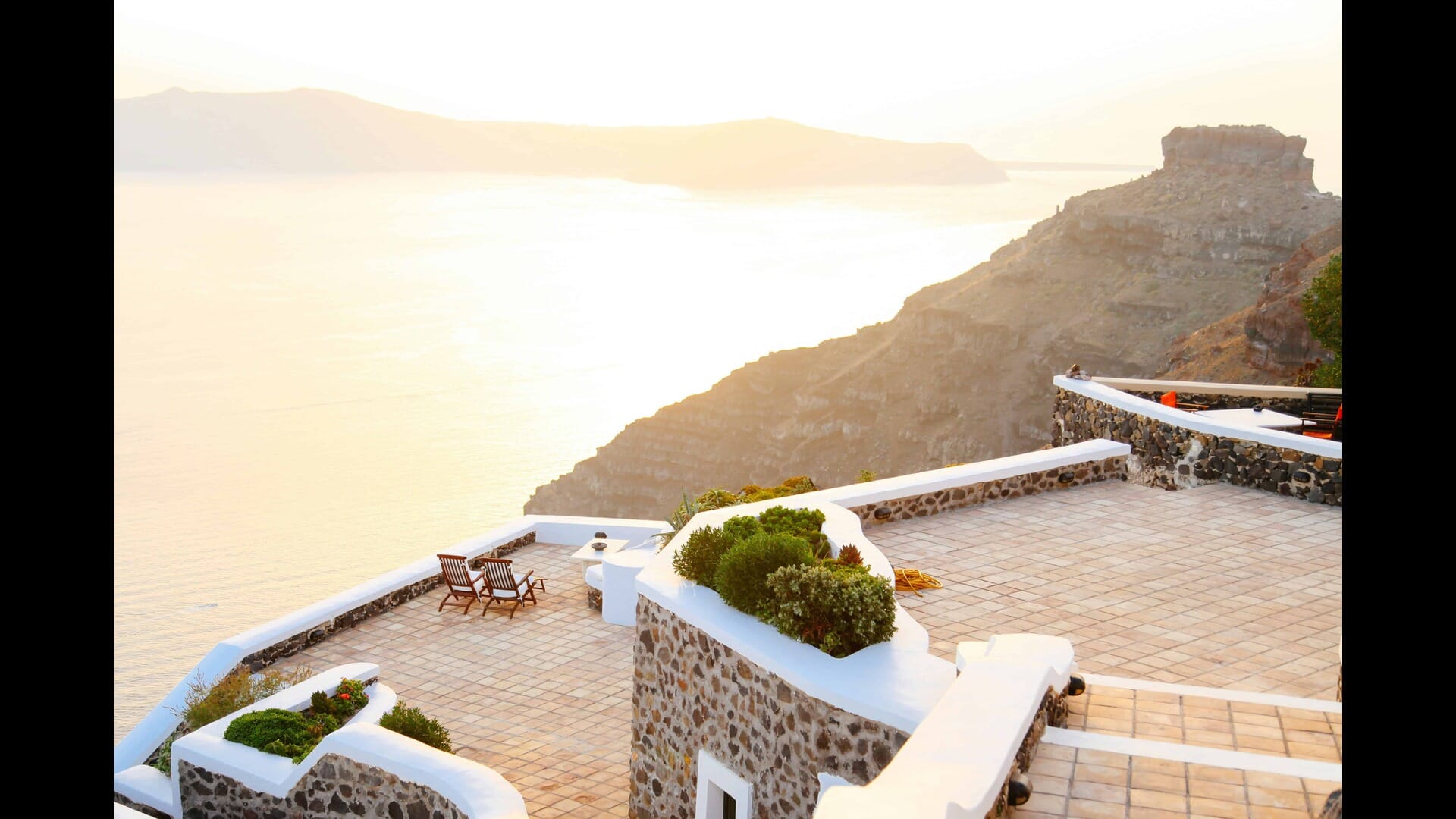
Exploring the Venetian Fortresses of Crete: A Journey Through History
Exploring the Venetian Fortresses of Crete: A Journey Through History
Crete, the largest island in Greece, is a land steeped in history, culture, and breathtaking landscapes. Among its many treasures, the Venetian fortresses stand out as monumental testaments to the island's rich past. These fortifications, built during the Venetian rule from the 13th to the 17th centuries, not only served as military strongholds but also as symbols of the power and influence of the Venetian Republic.
In this article, we will embark on an extensive exploration of the Venetian fortresses of Crete, delving into their history, architecture, and the stories they hold.
The Historical Context of Venetian Rule in Crete
To fully appreciate the Venetian fortresses of Crete, one must first understand the historical context in which they were built. The island has a long and tumultuous history, having been ruled by various powers, including the Minoans, Romans, Byzantines, and Ottomans. However, it was during the Venetian period that Crete experienced significant cultural and architectural development.
The Venetians arrived in Crete in 1204, following the Fourth Crusade, and established their dominance over the island. They recognized the strategic importance of Crete as a trading hub in the Mediterranean and sought to fortify its cities against potential invasions, particularly from the Ottomans. This led to the construction of impressive fortresses that would protect their interests and showcase their architectural prowess.
The Architectural Marvels of Venetian Fortresses
The Venetian fortresses of Crete are characterized by their unique architectural style, which blends Gothic, Renaissance, and Baroque elements. The fortifications were designed not only for defense but also to reflect the power and sophistication of the Venetian Republic. As we explore these fortresses, we will encounter intricate stonework, imposing walls, and stunning views that transport us back in time.
1. The Fortress of Heraklion: A Gateway to the Past
Heraklion, the capital of Crete, is home to one of the most significant Venetian fortresses on the island. Known as the Koules Fortress, this imposing structure guards the entrance to the old harbor and offers a glimpse into the island's turbulent history. Built between 1523 and 1540, the Koules Fortress features thick walls, bastions, and a series of chambers that once housed soldiers and supplies.
Visitors can explore the fortress's interior, where they will find remnants of its military past, including cannons and storage rooms. The panoramic views from the fortress's ramparts provide a stunning backdrop of the city and the sea, making it a must-visit for anyone exploring the Venetian fortresses of Crete.
2. The Fortress of Rethymnon: A Blend of Beauty and Strength
Rethymnon, a charming coastal town, boasts another remarkable Venetian fortress that dates back to the 16th century. The Fortezza of Rethymnon is a well-preserved example of Venetian military architecture, featuring a mix of Renaissance and Baroque styles. The fortress was built to protect the town from pirate attacks and Ottoman invasions.
As you wander through the fortress, you'll encounter impressive bastions, a central courtyard, and the remnants of a Venetian church. The views from the fortress are equally captivating, offering a sweeping panorama of Rethymnon's old town and the sparkling Mediterranean Sea. The Fortezza is not only a historical site but also a cultural venue, hosting various events and performances throughout the year.
3. The Fortress of Chania: A Testament to Resilience
Chania, another picturesque town in Crete, is home to the Firka Fortress, which stands proudly at the entrance of the old harbor. Built in the late 16th century, the fortress was designed to protect the harbor and the city from naval attacks. Its strategic location and robust construction make it a significant landmark in Chania.
Visitors can explore the fortress's walls and enjoy the stunning views of the harbor and the surrounding area. The Firka Fortress also houses a small museum that showcases the history of the fortress and its role in the defense of Chania. The combination of historical significance and natural beauty makes this fortress a must-see for travelers.
The Cultural Significance of the Fortresses
The Venetian fortresses of Crete are more than just military structures; they are symbols of the island's cultural heritage. Each fortress tells a story of the people who lived and fought within its walls, reflecting the struggles and triumphs of the past. The fortresses also serve as a reminder of the island's diverse influences, from the Venetians to the Ottomans, and the rich tapestry of cultures that have shaped Crete over the centuries.
4. The Role of Fortresses in Cretan Society
During the Venetian period, the fortresses played a crucial role in the social and economic life of Crete. They served as centers of administration, military training, and trade. The presence of the fortresses also attracted merchants and travelers, contributing to the island's prosperity.
The fortresses were not only defensive structures but also hubs of cultural exchange, where different communities interacted and shared their traditions. This blending of cultures is evident in the architecture, cuisine, and customs of modern-day Crete, making the fortresses an integral part of the island's identity.
5. Preserving the Legacy of the Venetian Fortresses
Today, efforts are being made to preserve and restore the Venetian fortresses of Crete. These historical sites are recognized for their cultural significance and are protected by various organizations and government bodies. Restoration projects aim to maintain the integrity of the fortresses while making them accessible to visitors.
By exploring these fortresses, travelers can gain a deeper understanding of Crete's history and the importance of preserving its cultural heritage. The fortresses serve as a reminder of the island's past and the resilience of its people, ensuring that future generations can appreciate their beauty and significance.
Practical Tips for Visiting the Venetian Fortresses of Crete
If you're planning a trip to Crete to explore its Venetian fortresses, here are some practical tips to enhance your experience:
6. Best Time to Visit Crete
The best time to visit Crete is during the spring (April to June) and fall (September to October) months. During these seasons, the weather is mild, and the tourist crowds are smaller, allowing for a more enjoyable exploration of the fortresses. The summer months can be hot and crowded, making it less ideal for outdoor activities.
7. Getting Around Crete
Crete is a large island, and while public transportation is available, renting a car is often the most convenient way to explore the fortresses and other attractions. Having your own vehicle allows you to travel at your own pace and discover hidden gems along the way.
8. Entrance Fees and Opening Hours
Most of the Venetian fortresses charge a small entrance fee, which helps fund their maintenance and preservation. Opening hours may vary depending on the season, so it's advisable to check in advance. Some fortresses may also offer guided tours, providing valuable insights into their history and architecture.
9. What to Bring
When visiting the fortresses, be sure to wear comfortable shoes, as you'll likely be doing a fair amount of walking. A hat, sunscreen, and plenty of water are also essential, especially during the warmer months. Don’t forget your camera to capture the stunning views and intricate details of the fortifications.
10. Local Cuisine and Culture
While exploring the fortresses, take the opportunity to indulge in the local cuisine. Crete is known for its delicious food, including fresh seafood, local cheeses, and traditional dishes like moussaka and dakos. Many towns near the fortresses have charming tavernas where you can enjoy a meal and immerse yourself in the local culture.
Conclusion: A Journey Through Time
Exploring the Venetian fortresses of Crete is a journey through time, offering a unique glimpse into the island's rich history and cultural heritage. Each fortress tells a story of resilience, power, and the blending of cultures that have shaped Crete into the vibrant destination it is today.
As you wander through the ancient walls and take in the breathtaking views, you'll find yourself transported back to a time when these fortifications stood as symbols of strength and protection. Whether you're a history enthusiast, an architecture lover, or simply a traveler seeking adventure, the Venetian fortresses of Crete are sure to leave a lasting impression.
So pack your bags, grab your camera, and get ready to embark on an unforgettable journey through the heart of Crete's history. The Venetian fortresses await, ready to share their stories with you.