
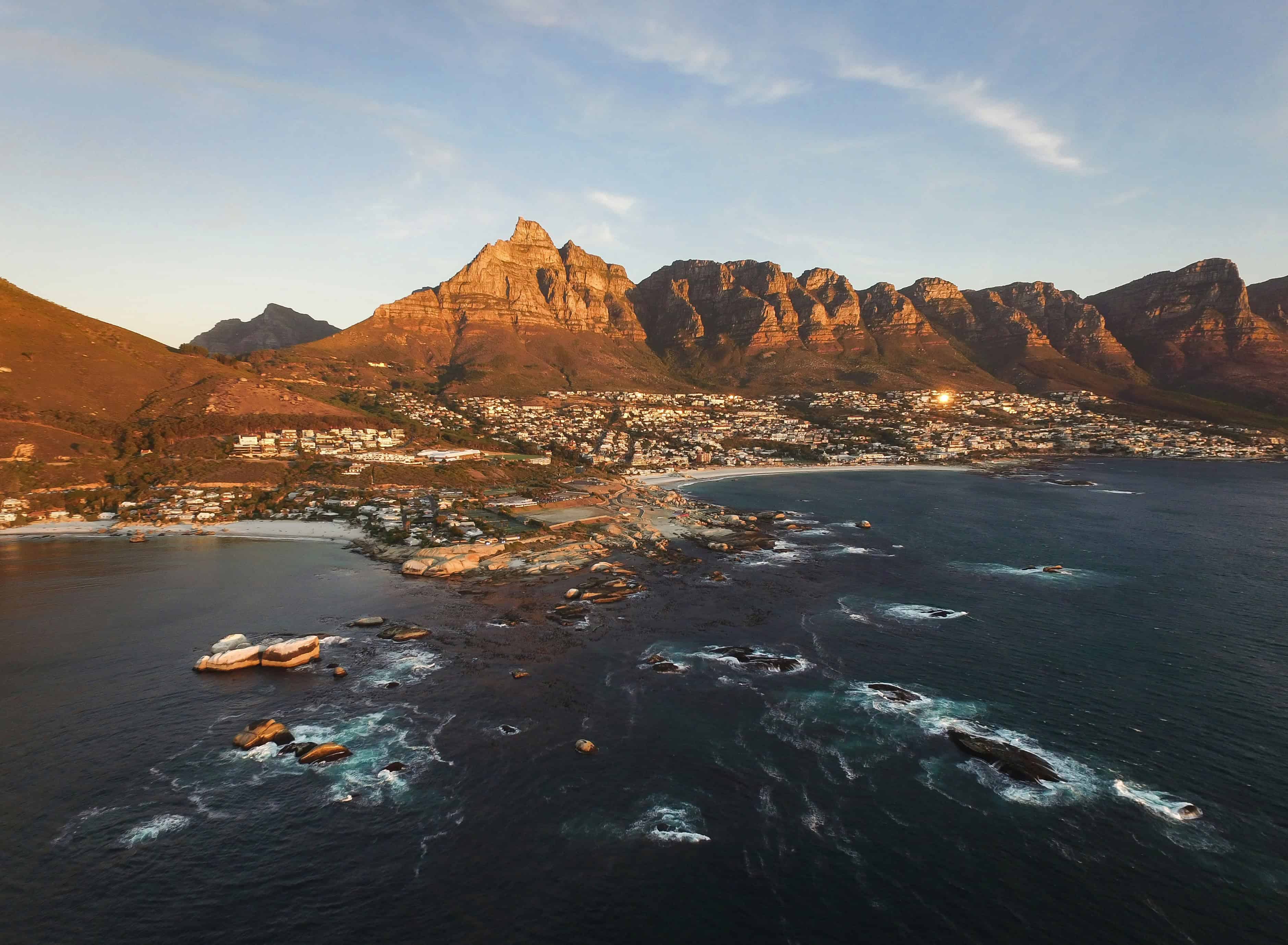
Exploring the Unique Landscapes of the Kalahari
Exploring the Unique Landscapes of the Kalahari
The Kalahari Desert, a vast expanse of arid land, stretches across several countries in Southern Africa, including Botswana, Namibia, and South Africa. Often misunderstood as a barren wasteland, the Kalahari is a vibrant ecosystem teeming with life, characterized by its unique landscapes, rich cultural heritage, and diverse wildlife.
This article will take you on an immersive journey through the Kalahari, exploring its breathtaking scenery, fascinating flora and fauna, and the indigenous cultures that call this desert home.
The Geography of the Kalahari Desert: A Vast Expanse of Wonder
The Kalahari Desert covers an area of approximately 900,000 square kilometers, making it one of the largest deserts in the world. Unlike typical deserts that are primarily sandy, the Kalahari is a semi-arid sandy savanna, featuring a mix of dunes, grasslands, and salt pans. The landscape is dotted with ancient riverbeds, rocky outcrops, and seasonal wetlands, creating a diverse habitat for various species.
The Dunes of the Kalahari: Nature's Sculpted Masterpieces
One of the most iconic features of the Kalahari is its stunning sand dunes, which can reach heights of up to 30 meters. The red and orange hues of the dunes create a mesmerizing contrast against the blue sky, especially during sunrise and sunset. The most famous dune area is the Sossusvlei region in Namibia, where visitors can climb Dune 45 for panoramic views of the surrounding landscape.
The Salt Pans: A Glimpse into the Past
The Kalahari is home to several salt pans, the most notable being the Makgadikgadi Pan in Botswana. These vast, flat expanses of cracked earth are remnants of ancient lakes that once covered the area. The salt pans are particularly stunning during the rainy season when they transform into shimmering lakes, attracting migratory birds and other wildlife. Exploring the salt pans offers a unique opportunity to witness the stark beauty of the Kalahari's landscape.
Flora and Fauna: Life in the Kalahari Desert
Despite its harsh conditions, the Kalahari is home to a surprising variety of plant and animal life. The flora is adapted to the arid climate, with many species exhibiting drought-resistant characteristics. The fauna, on the other hand, showcases the incredible adaptability of life in extreme environments.
Unique Plant Species of the Kalahari
The Kalahari is dotted with resilient plant species, including the iconic camel thorn tree, which provides shade and sustenance for various animals. Other notable plants include the Kalahari melon, which is a crucial water source for both humans and wildlife, and the resilient acacia trees that thrive in the sandy soil. Understanding the unique flora of the Kalahari is essential for appreciating the delicate balance of this ecosystem.
Wildlife Encounters: The Big and the Small
The Kalahari is home to a diverse array of wildlife, ranging from majestic predators to elusive nocturnal creatures. Visitors may encounter species such as lions, leopards, cheetahs, and hyenas, as well as herbivores like elephants, giraffes, and springboks. Birdwatchers will delight in the variety of avian species, including the striking Kalahari sandgrouse and the majestic secretary bird.
Cultural Heritage: The San People of the Kalahari
The Kalahari is not only a natural wonder but also a cultural treasure. The San people, one of the oldest indigenous groups in Southern Africa, have inhabited the region for thousands of years. Their deep connection to the land is reflected in their traditional practices, art, and storytelling.
Traditional San Lifestyle: A Deep Connection to Nature
The San people are known for their hunter-gatherer lifestyle, relying on their intimate knowledge of the Kalahari's flora and fauna for survival. They have developed a profound understanding of the land, using traditional tracking techniques to locate game and gather edible plants. Visitors to the Kalahari can engage with San guides, who share their knowledge and stories, providing a unique insight into their way of life.
Rock Art: A Window into the Past
The Kalahari is home to numerous rock art sites, showcasing the artistic expression of the San people. These ancient paintings depict animals, hunting scenes, and spiritual beliefs, offering a glimpse into the history and culture of the region. Exploring these sites not only enriches your understanding of the San culture but also highlights the importance of preserving these historical treasures.
Adventure Activities in the Kalahari: Thrills Await
For those seeking adventure, the Kalahari offers a plethora of activities that allow you to immerse yourself in its stunning landscapes. From thrilling safaris to serene nature walks, there’s something for everyone.
Safari Experiences: A Close Encounter with Wildlife
Embarking on a safari in the Kalahari is an unforgettable experience. Guided tours provide opportunities to witness wildlife in their natural habitat, whether it’s tracking lions on foot or observing elephants at a waterhole. The thrill of spotting elusive animals adds an exhilarating dimension to your Kalahari adventure.
Stargazing in the Kalahari: A Celestial Spectacle
The Kalahari's remote location and minimal light pollution make it an ideal destination for stargazing. The night sky comes alive with countless stars, planets, and constellations, creating a breathtaking celestial spectacle. Many lodges and camps offer stargazing experiences, complete with knowledgeable guides who can help you identify celestial bodies.
Best Time to Visit the Kalahari Desert: Planning Your Adventure
Understanding the best time to visit the Kalahari is crucial for maximizing your experience. The desert's climate varies significantly throughout the year, influencing wildlife behavior and landscape conditions.
The Dry Season: Optimal Wildlife Viewing
The dry season, from May to October, is considered the best time for wildlife viewing in the Kalahari. As water sources become scarce, animals congregate around remaining waterholes, making them easier to spot. The cooler temperatures during this period also make for comfortable exploration.
The Green Season: A Different Kind of Beauty
The green season, from November to April, brings a transformation to the Kalahari. After the rains, the desert bursts into life, with vibrant greenery and blooming flowers. This period is ideal for birdwatching, as migratory species flock to the region. However, be prepared for occasional rain and higher humidity.
Photography Tips for Capturing the Kalahari's Beauty
The Kalahari's unique landscapes and diverse wildlife make it a photographer's paradise. Here are some tips for capturing the essence of this stunning desert:
Golden Hour Magic: Timing Your Shots
The golden hour, shortly after sunrise and before sunset, offers the best lighting for photography. The soft, warm light enhances the colors of the dunes and landscapes, creating breathtaking images. Plan your outings around these times for optimal results.
Focus on Details: Capturing the Small Wonders
While the vast landscapes are awe-inspiring, don’t forget to capture the intricate details of the Kalahari. Close-up shots of unique plant species, animal tracks, and textures of the sand can add depth to your photography portfolio.
Eco-Tourism in the Kalahari: Sustainable Travel Practices
As tourism in the Kalahari grows, it’s essential to prioritize eco-tourism practices that protect the environment and support local communities. Here are some ways to travel sustainably in the Kalahari:
Choose Eco-Friendly Accommodations
Opt for lodges and camps that prioritize sustainability, using renewable energy sources and minimizing waste. Many eco-friendly accommodations also support local communities, providing employment and promoting cultural heritage.
Respect Wildlife and Natural Habitats
When exploring the Kalahari, always maintain a respectful distance from wildlife and avoid disturbing their natural habitats. Follow guidelines set by your guides and park regulations to ensure a responsible and enjoyable experience.
Conclusion: Embracing the Spirit of the Kalahari
Exploring the unique landscapes of the Kalahari is an adventure that transcends mere travel; it’s an opportunity to connect with nature, experience rich cultures, and witness the resilience of life in one of the world’s most extraordinary deserts. Whether you’re captivated by the stunning dunes, the diverse wildlife, or the rich heritage of the San people, the Kalahari offers a journey that will leave an indelible mark on your soul. As you plan your adventure, remember to embrace the spirit of the Kalahari, respecting its beauty and the cultures that thrive within it. Your journey through this remarkable desert will undoubtedly be one of discovery, wonder, and unforgettable memories.