
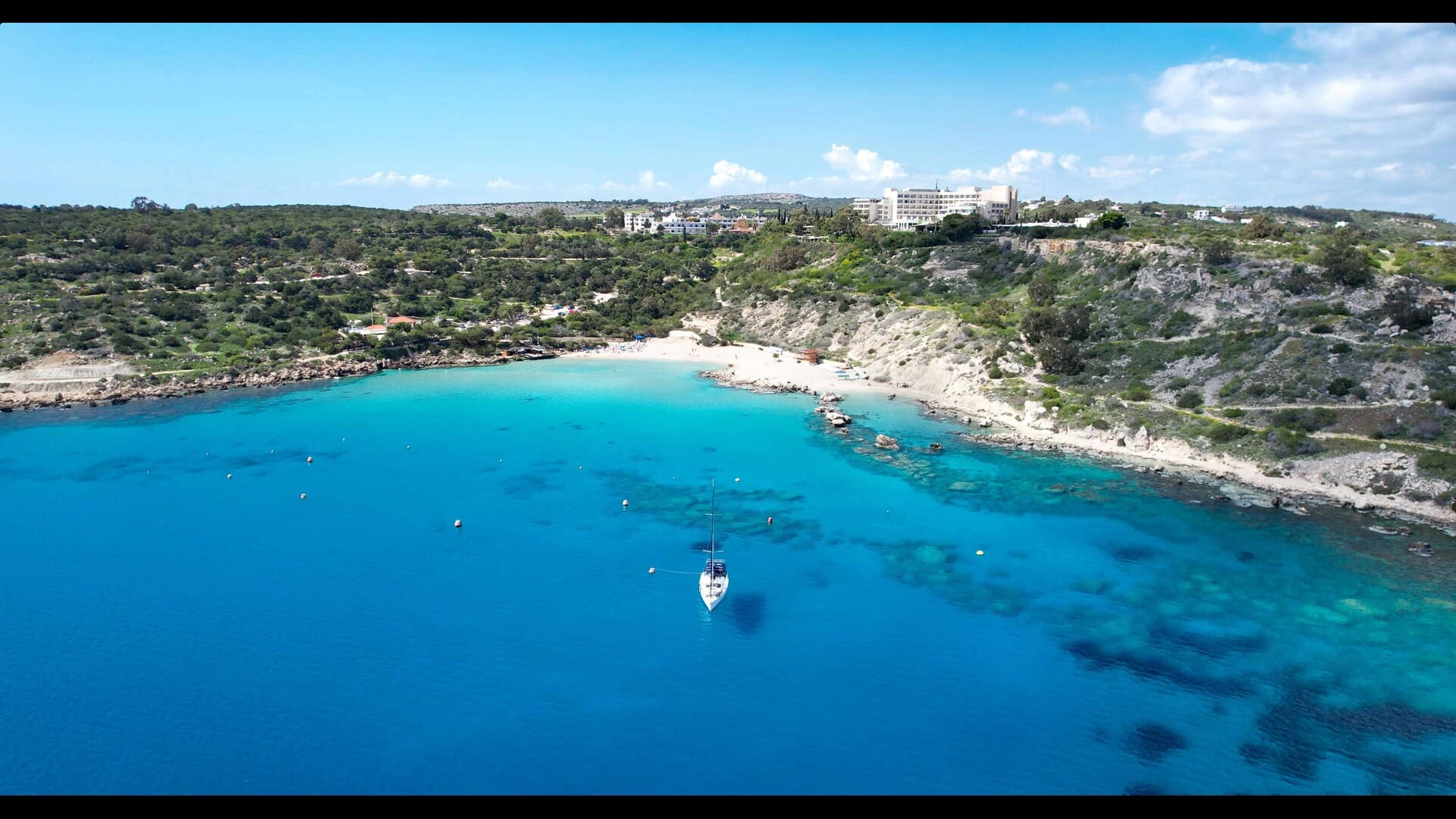
Exploring the UNESCO World Heritage Sites in Cyprus: A Journey Through Time
Exploring the UNESCO World Heritage Sites in Cyprus: A Journey Through Time
Cyprus, the third-largest island in the Mediterranean, is a treasure trove of history, culture, and natural beauty. Its strategic location at the crossroads of Europe, Asia, and Africa has made it a melting pot of civilizations over the millennia.
This rich tapestry of influences is beautifully encapsulated in its UNESCO World Heritage Sites, which showcase the island's diverse heritage. In this article, we will embark on an extensive exploration of these remarkable sites, delving into their historical significance, architectural marvels, and the stories they tell.
The Importance of UNESCO World Heritage Sites in Cyprus
UNESCO World Heritage Sites are designated for their outstanding universal value, representing the pinnacle of human achievement and natural beauty. In Cyprus, these sites offer a glimpse into the island's past, revealing the layers of cultures that have shaped its identity. From ancient ruins to stunning churches, each site tells a unique story that contributes to our understanding of human history and cultural diversity.
A Brief Overview of Cyprus' UNESCO World Heritage Sites
Cyprus is home to several UNESCO World Heritage Sites, each with its own unique characteristics and significance. The following sites are recognized for their cultural and historical importance:
- Paphos Archaeological Park
- The Painted Churches in the Troodos Region
- Choirokoitia Neolithic Settlement
- The Ancient City of Kourion
- The Monastery of Kykkos
In the sections that follow, we will explore each of these sites in detail, uncovering their history, architecture, and the experiences they offer to visitors.
Discovering Paphos Archaeological Park: A Window into the Past
The Historical Significance of Paphos
Paphos, a city steeped in myth and history, is often regarded as the birthplace of Aphrodite, the Greek goddess of love and beauty. The Paphos Archaeological Park is a UNESCO World Heritage Site that showcases the remnants of this ancient city, which was once the capital of Cyprus during the Roman period.
Exploring the Roman Villas
One of the highlights of the Paphos Archaeological Park is the collection of well-preserved Roman villas, adorned with exquisite mosaics that depict mythological scenes and daily life. The House of Dionysus, in particular, is renowned for its stunning mosaics, which are considered some of the finest in the Mediterranean. As you stroll through the ruins, you can almost hear the echoes of laughter and music that once filled these grand spaces.
The Odeon: A Glimpse into Ancient Entertainment
The Odeon, a remarkable ancient amphitheater, is another must-see within the park. Built in the 2nd century AD, this structure could accommodate up to 1,500 spectators and hosted various performances, from theatrical plays to musical concerts. Today, the Odeon is still used for performances, allowing visitors to experience the magic of ancient entertainment in a breathtaking setting.
The Tombs of the Kings: A Royal Burial Ground
Just a short distance from the main park lies the Tombs of the Kings, a necropolis that dates back to the 4th century BC. Despite its name, this site is not the burial place of kings but rather a burial site for high-ranking officials and aristocrats. The tombs are carved into solid rock and feature impressive columns and intricate frescoes, offering a haunting yet beautiful glimpse into the funerary practices of ancient Cyprus.
The Painted Churches of the Troodos Region: A Spiritual Journey
An Introduction to the Troodos Mountains
Nestled in the heart of Cyprus, the Troodos Mountains are a stunning backdrop for a collection of painted churches that have earned UNESCO recognition. These churches, characterized by their unique Byzantine architecture and vibrant frescoes, are a testament to the island's rich religious heritage.
The Architectural Marvels of the Churches
The painted churches of the Troodos region include ten remarkable sites, each with its own distinct character. The churches are typically built of local stone and feature wooden roofs, blending harmoniously with the surrounding landscape. The intricate frescoes that adorn their interiors depict biblical scenes, saints, and the life of Christ, showcasing the artistic prowess of Byzantine painters.
A Journey Through Time at the Church of Agios Nikolaos
One of the standout churches is the Church of Agios Nikolaos in the village of Kakopetria. This 12th-century church features stunning frescoes that date back to the 15th century, depicting scenes from the life of Christ and various saints. As you step inside, the vibrant colors and intricate details transport you back in time, allowing you to connect with the spiritual essence of the place.
The Church of Panagia Asinou: A Hidden Gem
Another gem in the Troodos region is the Church of Panagia Asinou, located in the village of Nikitari. This church is renowned for its exquisite frescoes, some of which date back to the 12th century. The serene atmosphere and stunning views of the surrounding mountains make it a perfect spot for reflection and contemplation.
Choirokoitia Neolithic Settlement: A Journey to the Dawn of Civilization
The Significance of Choirokoitia
Choirokoitia is one of the best-preserved Neolithic settlements in the Eastern Mediterranean, dating back to around 7000 BC. This UNESCO World Heritage Site offers a fascinating glimpse into the lives of the island's earliest inhabitants, showcasing their architectural ingenuity and social organization.
Exploring the Settlement's Layout
As you wander through Choirokoitia, you'll encounter circular stone houses that were constructed using local materials. The layout of the settlement reflects a sophisticated understanding of community living, with houses arranged in a way that promotes social interaction. The site also features a burial area, providing insights into the funerary practices of the Neolithic people.
The Archaeological Findings
Excavations at Choirokoitia have uncovered a wealth of artifacts, including pottery, tools, and figurines, which shed light on the daily lives of its inhabitants. The findings suggest that the people of Choirokoitia were skilled farmers and craftsmen, laying the foundations for the island's agricultural practices.
The Ancient City of Kourion: A Glimpse into Roman Life
The Historical Context of Kourion
Kourion, an ancient city located on the southern coast of Cyprus, was a thriving center of trade and culture during the Hellenistic and Roman periods. The site is renowned for its impressive ruins, which offer a fascinating insight into the daily lives of its inhabitants.
The Magnificent Amphitheater
One of the most striking features of Kourion is its amphitheater, which dates back to the 2nd century AD. This well-preserved structure could accommodate up to 3,500 spectators and hosted various performances, including gladiatorial games and theatrical plays. The amphitheater's location on a hilltop provides breathtaking views of the surrounding landscape, making it a popular spot for visitors.
The House of Eustolios: A Roman Villa
Another highlight of Kourion is the House of Eustolios, a luxurious Roman villa adorned with stunning mosaics that depict mythological scenes and daily life. The intricate designs and vibrant colors of the mosaics are a testament to the artistic skills of the craftsmen of the time. As you explore the villa, you can imagine the opulent lifestyle of its former inhabitants.
The Monastery of Kykkos: A Spiritual and Cultural Landmark
The Historical Significance of Kykkos Monastery
The Monastery of Kykkos is one of the most important religious sites in Cyprus, dedicated to the Virgin Mary. Founded in the 11th century, the monastery has played a significant role in the island's religious and cultural history, attracting pilgrims and visitors from around the world.
The Architectural Beauty of the Monastery
The monastery's architecture is a stunning blend of Byzantine and Gothic styles, characterized by its impressive frescoes and ornate decorations. The interior of the church is adorned with gold leaf and intricate woodwork, creating a sense of opulence and reverence. The monastery also houses a museum that showcases religious artifacts, manuscripts, and icons, providing further insight into the island's spiritual heritage.
The Scenic Surroundings
Nestled in the Troodos Mountains, the Monastery of Kykkos is surrounded by breathtaking natural beauty. The lush landscapes and serene atmosphere make it a perfect destination for reflection and contemplation. Visitors can explore the surrounding trails, taking in the stunning views and connecting with nature.
Practical Tips for Visiting Cyprus' UNESCO World Heritage Sites
Best Time to Visit
The best time to visit Cyprus is during the spring (April to June) and fall (September to October) when the weather is mild, and the tourist crowds are smaller. This is an ideal time to explore the UNESCO World Heritage Sites without the sweltering heat of summer.
Getting Around Cyprus
Cyprus has a well-developed transportation system, making it easy to access the UNESCO World Heritage Sites. Renting a car is a popular option, as it allows you to explore the island at your own pace. Public buses also connect major cities and towns, providing an affordable way to travel.
Respecting the Heritage
When visiting these UNESCO World Heritage Sites, it's essential to respect the cultural and historical significance of each location. Follow the guidelines provided by site management, avoid touching or climbing on ancient structures, and be mindful of your impact on the environment.
Conclusion: A Journey Worth Taking
Exploring the UNESCO World Heritage Sites in Cyprus is a journey through time, offering a unique opportunity to connect with the island's rich history and cultural heritage. From the ancient ruins of Paphos to the stunning frescoes of the Troodos churches, each site tells a story that enriches our understanding of human civilization. Whether you're a history enthusiast, an art lover, or simply seeking adventure, Cyprus' UNESCO World Heritage Sites promise an unforgettable experience that will leave you with lasting memories.
As you plan your trip to this enchanting island, remember to take your time, immerse yourself in the beauty of the sites, and let the stories of the past inspire your journey. Cyprus awaits, ready to share its treasures with those who seek to explore its remarkable heritage.