
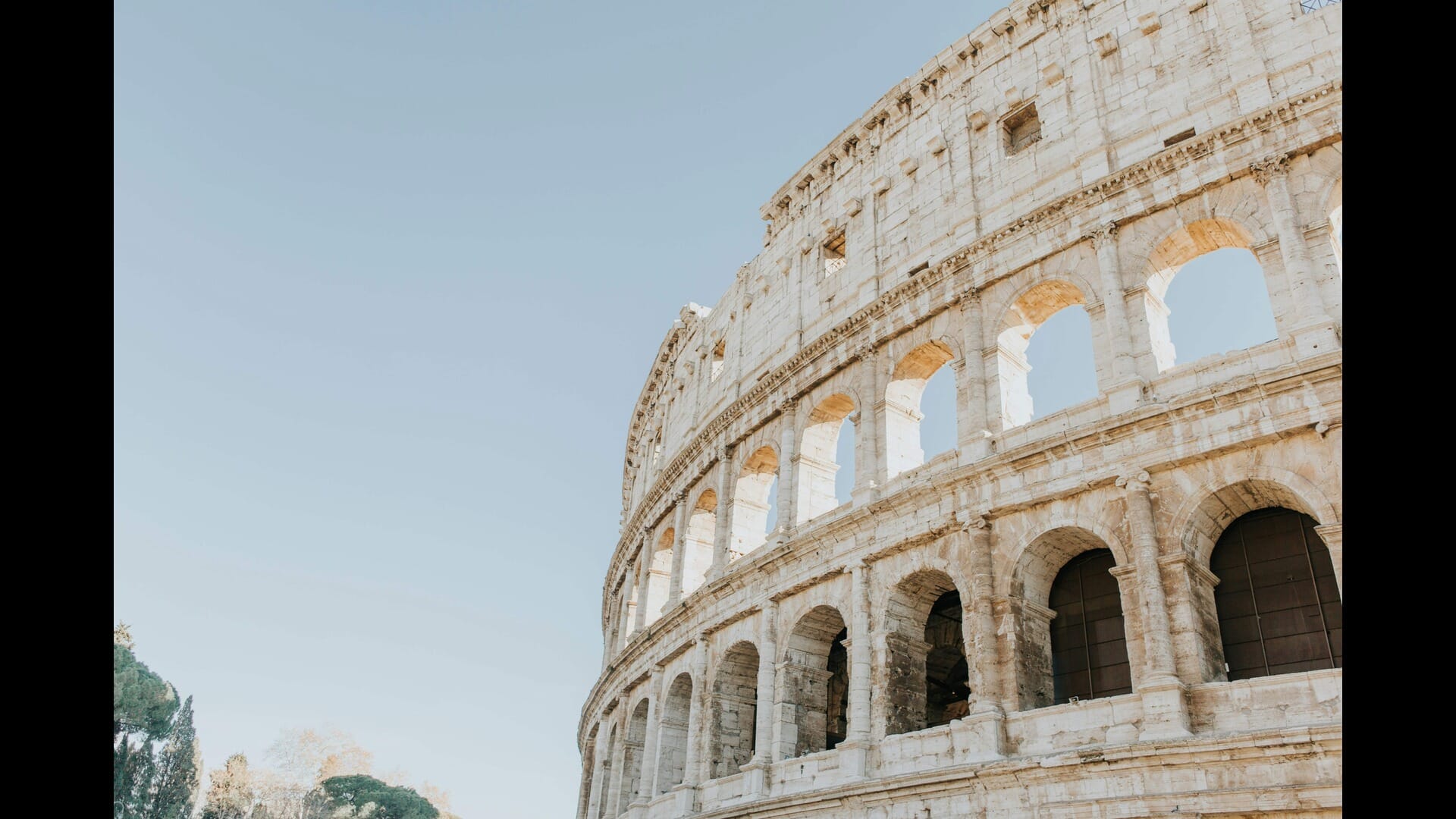
Exploring the Ruins of Pompeii: A Journey Through Time
Exploring the Ruins of Pompeii: A Journey Through Time Pompeii, a name that resonates with history and intrigue, is not just a destination; it’s a portal to the past. Buried under volcanic ash for nearly two millennia, this ancient Roman city offers a unique glimpse into the daily lives of its inhabitants before the catastrophic eruption of Mount Vesuvius in 79 AD.

In this comprehensive travel guide, we will delve deep into the ruins of Pompeii, exploring its history, attractions, and practical tips for visitors. ## The Historical Significance of Pompeii: Understanding Its Context Pompeii was a thriving city in the Roman Empire, located near the Bay of Naples. It was a bustling hub of commerce, culture, and daily life, home to approximately 11,000 to 15,000 residents. The city was known for its impressive architecture, including temples, theaters, and public baths, showcasing the advanced engineering and artistic skills of the Romans. The eruption of Mount Vesuvius in 79 AD was a catastrophic event that changed the course of history. The volcanic ash and pumice that buried Pompeii preserved the city in remarkable detail, allowing archaeologists to uncover a wealth of information about Roman life. Today, Pompeii is a UNESCO World Heritage site and one of the most visited archaeological sites in the world, attracting millions of tourists each year. ## Planning Your Visit to Pompeii: Essential Tips for Travelers ### Best Time to Visit Pompeii When planning your trip to Pompeii, consider the best time to visit. The ideal months are from April to June and September to October, when the weather is pleasant, and the crowds are manageable. The summer months can be extremely hot, with temperatures soaring above 30°C (86°F), making it uncomfortable for extensive walking tours. ### How to Get to Pompeii Reaching Pompeii is relatively straightforward. The site is located about 25 kilometers (15 miles) southeast of Naples. You can take a train from Naples to Pompeii, with the Circumvesuviana line being the most popular option. The journey takes approximately 30 minutes, and trains run frequently throughout the day. Alternatively, you can drive or join a guided tour that includes transportation. ### Entrance Fees and Opening Hours As of 2023, the entrance fee for Pompeii is around €18 for adults, with reduced rates for EU citizens aged 18-25 and free entry for children under 18. The site is open daily, with varying hours depending on the season. It’s advisable to check the official Pompeii website for the most current information before your visit. ## What to Expect When Exploring the Ruins of Pompeii ### A Walk Through History: The Main Attractions As you enter the ruins of Pompeii, you’ll be greeted by a landscape frozen in time. The streets, lined with ancient buildings, provide a fascinating insight into Roman urban planning. Here are some of the must-see attractions within the site: #### The Forum: The Heart of Pompeii The Forum was the center of public life in Pompeii, where citizens gathered for social, political, and religious activities. Surrounded by impressive temples and public buildings, the Forum is a testament to the architectural prowess of the Romans. Key structures include the Temple of Jupiter, the Basilica, and the Macellum (marketplace). #### The Amphitheater: A Spectacle of Entertainment One of the oldest surviving Roman amphitheaters, the Pompeii Amphitheater could hold up to 20,000 spectators. It was used for gladiatorial contests and other public spectacles. The structure’s design is remarkable, showcasing the engineering skills of the time, with excellent acoustics and sightlines. #### The Villa of the Mysteries: A Glimpse into Roman Life Located on the outskirts of Pompeii, the Villa of the Mysteries is famous for its well-preserved frescoes that depict mysterious rituals and scenes from daily life. The vivid colors and intricate details offer a unique insight into the cultural practices of the time. #### The House of the Faun: A Luxurious Residence This grand residence is one of the largest and most impressive houses in Pompeii. It features beautiful mosaics, including the famous “Battle of Alexander” mosaic, and a stunning atrium. The House of the Faun exemplifies the opulence of wealthy Pompeians and their appreciation for art and beauty. ### Navigating the Ruins: Tips for Exploration Exploring Pompeii can be overwhelming due to its vast size and the number of attractions. Here are some tips to help you navigate the ruins effectively: - Wear Comfortable Shoes: The cobblestone streets can be uneven, so comfortable footwear is essential for a day of walking. - Bring Water and Snacks: While there are cafes within the site, it’s wise to carry water and snacks to stay hydrated and energized. - Consider a Guided Tour: Hiring a knowledgeable guide can enhance your experience, providing insights and stories that you might miss on your own. - Download an App or Map: Familiarize yourself with the layout of the site by downloading an app or obtaining a map at the entrance. ## The Art and Architecture of Pompeii: A Closer Look ### Mosaics: The Art of Storytelling Pompeii is renowned for its stunning mosaics, which adorned the floors and walls of homes and public buildings. These intricate artworks often depicted mythological scenes, daily life, and nature. The use of vibrant colors and detailed craftsmanship showcases the artistic talent of the time. ### Frescoes: Capturing Moments in Time The frescoes of Pompeii are another highlight, with many homes featuring elaborate wall paintings. These artworks often depicted landscapes, gods, and scenes from mythology, providing a glimpse into the aesthetic values of the ancient Romans. The Villa of the Mysteries is particularly famous for its well-preserved frescoes. ### Architectural Innovations: Engineering Marvels The architecture of Pompeii reflects the advanced engineering skills of the Romans. From the intricate aqueduct system that supplied water to the city to the impressive public baths with their complex heating systems, Pompeii is a testament to Roman ingenuity. The use of arches, columns, and vaults in construction set the foundation for future architectural developments. ## The Daily Life of Pompeiians: Insights from the Ruins ### Social Structure and Class Divisions Pompeii was a city of contrasts, with a clear social hierarchy. The wealthy elite lived in lavish homes with intricate decorations, while the lower classes resided in simpler dwellings. The ruins provide valuable insights into the daily lives of different social classes, from the opulence of the patricians to the modesty of the plebeians. ### The Role of Religion in Daily Life Religion played a significant role in the lives of Pompeiians. Temples dedicated to various gods and goddesses dotted the city, reflecting the polytheistic beliefs of the Romans. The ruins of these temples, such as the Temple of Apollo and the Temple of Venus, offer a glimpse into the religious practices and rituals of the time. ### Commerce and Trade: The Economic Backbone Pompeii was a bustling commercial center, with shops and markets lining the streets. The ruins of bakeries, taverns, and workshops reveal the economic activities that sustained the city. The presence of various goods, such as amphorae for storing wine and olive oil, highlights the trade networks that connected Pompeii to other regions. ## The Catastrophic Eruption of Mount Vesuvius: A Historical Perspective ### The Events Leading Up to the Eruption On August 24, 79 AD, Mount Vesuvius erupted, releasing a deadly cloud of stones, ashes, and fumes to a height of 33 kilometers (20.5 miles). The eruption buried Pompeii under a thick layer of volcanic ash, preserving the city in remarkable detail. The suddenness of the eruption caught many residents off guard, leading to a tragic loss of life. ### The Aftermath: Rediscovery of Pompeii For centuries, Pompeii lay forgotten beneath the ash until its rediscovery in the 18th century. Archaeological excavations began in earnest, revealing the city’s treasures and providing invaluable insights into Roman life. The ongoing excavations continue to uncover new findings, making Pompeii a dynamic site for research and exploration. ## Visiting Nearby Attractions: Beyond Pompeii ### Herculaneum: A Sister City Just a short distance from Pompeii lies Herculaneum, another ancient city that was also buried by the eruption of Mount Vesuvius. Herculaneum is smaller than Pompeii but offers a different perspective on Roman life, with many buildings and artifacts remarkably preserved. The site is less crowded, making it an excellent complement to a visit to Pompeii. ### Mount Vesuvius: A Closer Look at the Volcano For those adventurous at heart, a hike up Mount Vesuvius is a must. The trek to the summit offers breathtaking views of the Bay of Naples and the surrounding landscape. At the top, you can peer into the crater of the volcano, a reminder of the power of nature and the events that shaped Pompeii. ### Naples: A Cultural Hub A visit to Pompeii wouldn’t be complete without exploring the vibrant city of Naples. Known for its rich history, art, and cuisine, Naples offers a plethora of attractions, including the National Archaeological Museum, where many artifacts from Pompeii are housed. Don’t forget to indulge in authentic Neapolitan pizza while you’re there! ## Conclusion: The Enduring Legacy of Pompeii Exploring the ruins of Pompeii is more than just a journey through an ancient city; it’s an opportunity to connect with history and reflect on the lives of those who once walked its streets. The preservation of Pompeii provides invaluable insights into Roman civilization, making it a must-visit destination for history enthusiasts and travelers alike. As you wander through the ruins, take a moment to imagine the vibrant life that once filled these streets. From the bustling markets to the grand amphitheater, Pompeii is a testament to the resilience of human culture and the enduring legacy of the past. Whether you’re a history buff, an art lover, or simply seeking adventure, Pompeii promises an unforgettable experience that will leave you with a deeper appreciation for the complexities of ancient life. In the end, the ruins of Pompeii stand as a poignant reminder of the fragility of life and the power of nature. As you explore this remarkable site, remember to tread lightly on the ashes of history, for within them lies the story of a city that was lost but never forgotten.