

Exploring the Temples and Ruins of Pergamon: A Journey Through Ancient History
Exploring the Temples and Ruins of Pergamon: A Journey Through Ancient History
Pergamon, a name that echoes through the corridors of time, is a treasure trove of ancient history nestled in the heart of modern-day Turkey. This once-thriving city of the Hellenistic period is renowned for its stunning temples, monumental ruins, and rich cultural heritage.
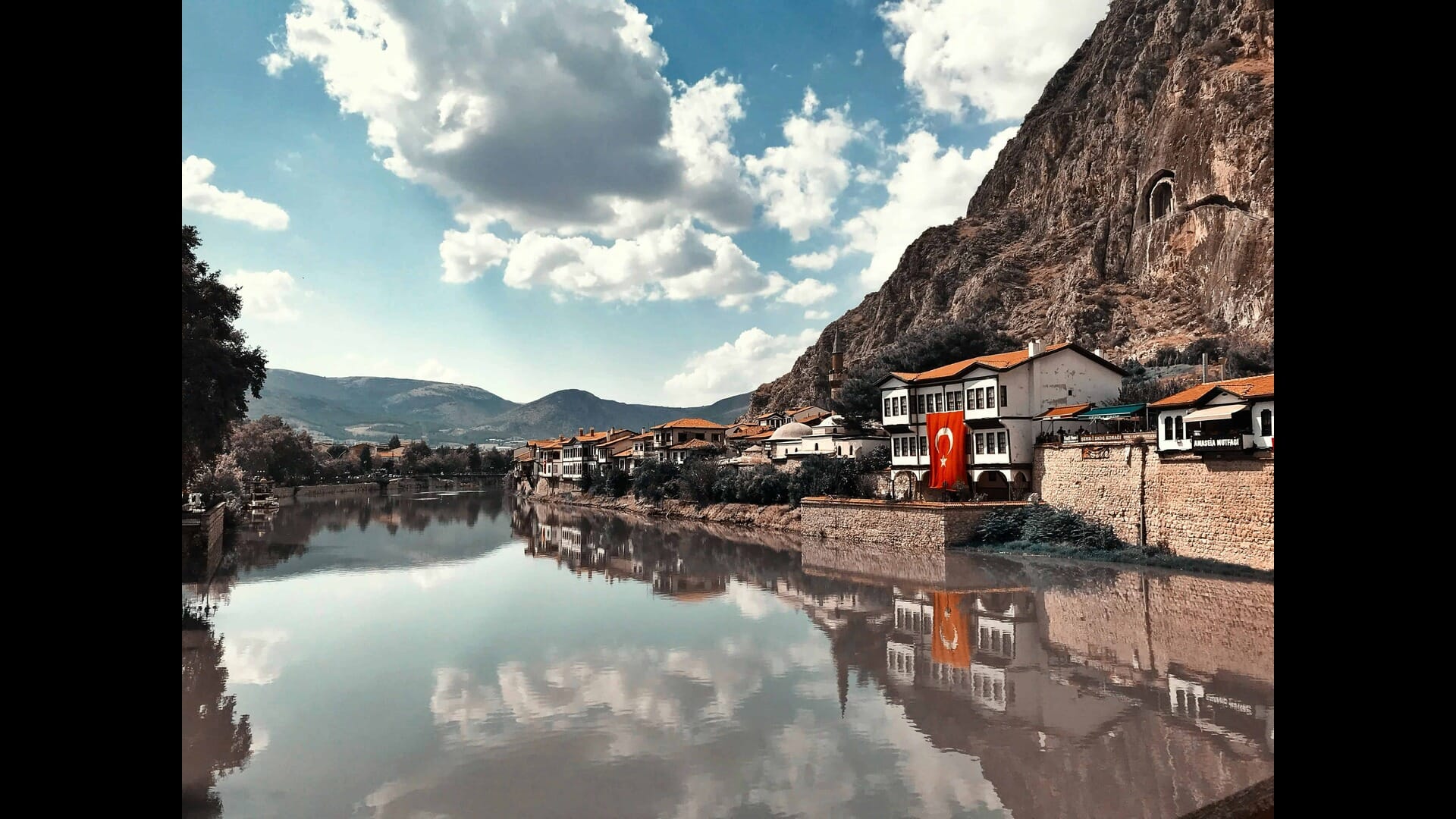

As we embark on this journey to explore the temples and ruins of Pergamon, prepare to be transported back to an era where gods were worshipped, scholars thrived, and art flourished.
The Historical Significance of Pergamon
Located in the northwest of Asia Minor, Pergamon was a significant center of culture and politics during the Hellenistic period. Founded in the 3rd century BC, it became the capital of the Kingdom of Pergamon and was home to one of the most famous libraries of the ancient world, second only to Alexandria. The city was a melting pot of Greek, Roman, and local influences, which is reflected in its architecture and art.
The Rise of Pergamon: From Kingdom to Roman Province
The rise of Pergamon began under the rule of King Philetaerus, who established the Attalid dynasty. The city flourished as a cultural and intellectual hub, attracting philosophers, artists, and scholars. Pergamon's strategic location allowed it to control trade routes and expand its influence. In 133 BC, the last Attalid king, Attalus III, bequeathed the kingdom to Rome, marking the transition of Pergamon from a powerful kingdom to a Roman province.
Unveiling the Acropolis of Pergamon
As we ascend the steep slopes of the Acropolis, the heart of ancient Pergamon, we are greeted by breathtaking views of the surrounding landscape. The Acropolis is a testament to the architectural prowess of the ancient Greeks, showcasing a harmonious blend of functionality and beauty.
The Temple of Athena: A Marvel of Ancient Architecture
One of the most iconic structures on the Acropolis is the Temple of Athena, dedicated to the goddess of wisdom and warfare. Built in the 2nd century BC, this temple exemplifies the Doric architectural style, characterized by its sturdy columns and simple elegance. The temple's location on a high terrace allows it to dominate the skyline, symbolizing the power and prestige of Pergamon.
The Altar of Zeus: A Monument to Divine Power
Perhaps the most awe-inspiring structure in Pergamon is the Altar of Zeus, a monumental complex that once housed a grand altar dedicated to the king of the gods. The altar is renowned for its intricate friezes depicting the battle between the gods and giants, a theme that resonates with the struggles of the city itself. The sheer scale and artistry of the altar leave visitors in awe, as they imagine the rituals and ceremonies that once took place here.
The Asclepius Temple: Healing in Ancient Times
Just a short walk from the Acropolis lies the Temple of Asclepius, dedicated to the god of medicine and healing. This sanctuary was a center for medical practices in the ancient world, attracting those seeking cures for their ailments. The temple complex included a theater, a gymnasium, and various healing facilities, showcasing the importance of health and wellness in ancient Pergamon.
The Sacred Springs and Healing Practices
Visitors to the Temple of Asclepius would often partake in rituals involving sacred springs, believed to possess healing properties. The combination of water, prayer, and offerings created a holistic approach to healing that was revolutionary for its time. The remnants of these practices can still be felt as you wander through the ruins, imagining the hopeful pilgrims who once sought solace here.
The Library of Pergamon: A Beacon of Knowledge
The Library of Pergamon was one of the most significant libraries of the ancient world, rivaling the famous Library of Alexandria. It is said to have housed over 200,000 scrolls, making it a beacon of knowledge and learning. Scholars from all over the Mediterranean flocked to Pergamon to study and exchange ideas, contributing to the city’s reputation as a center of intellectual pursuit.
The Art of Writing: The Invention of Parchment
One of the most remarkable contributions of Pergamon to the world of literature was the invention of parchment. When the supply of papyrus from Egypt was disrupted, the people of Pergamon developed a new writing material made from animal skins. This innovation not only ensured the survival of their library but also revolutionized the way knowledge was recorded and shared.
The Theater of Pergamon: A Stage for Drama
As we continue our exploration, we arrive at the Theater of Pergamon, a stunning structure that once hosted dramatic performances and public gatherings. Carved into the hillside, this theater is one of the steepest in the ancient world, with a seating capacity of around 10,000 spectators. The acoustics are remarkable, allowing even the faintest whispers to be heard from the stage.
The Cultural Significance of Theater in Pergamon
The theater was more than just a venue for entertainment; it was a vital part of Pergamon's cultural life. Plays often depicted themes of heroism, tragedy, and morality, reflecting the values and beliefs of the society. The theater served as a platform for social commentary and a means of bringing the community together.
The Ruins of the Agora: A Marketplace of Ideas
The Agora, or marketplace, of Pergamon was the bustling heart of the city, where commerce, politics, and social interactions converged. The ruins of the Agora reveal a complex layout of shops, public buildings, and temples, showcasing the vibrant life that once thrived here.
The Role of the Agora in Daily Life
In ancient times, the Agora was not just a place to buy and sell goods; it was a space for dialogue and debate. Citizens gathered to discuss politics, philosophy, and current events, making it a vital part of the democratic process. The Agora was a melting pot of ideas, where the voices of the people could be heard.
The Sanctuary of Demeter: A Tribute to the Goddess of Agriculture
Nestled near the Acropolis, the Sanctuary of Demeter was dedicated to the goddess of agriculture and fertility. This sacred site was a place of worship and celebration, where the people of Pergamon honored Demeter for the bountiful harvests that sustained their community.
The Rituals and Festivals of Demeter
The sanctuary was the site of various rituals and festivals, including the Thesmophoria, a fertility festival celebrated by women. These events were marked by feasting, offerings, and communal gatherings, reinforcing the bonds of the community and their connection to the land.
The Legacy of Pergamon: Influence on Modern Culture
The ruins of Pergamon are not just remnants of the past; they continue to influence modern culture in various ways. From art and literature to architecture and philosophy, the legacy of Pergamon is woven into the fabric of contemporary society.
Pergamon in Art and Literature
Many artists and writers have drawn inspiration from the stories and themes of Pergamon. The dramatic battles depicted on the Altar of Zeus, the philosophical discussions held in the Agora, and the healing practices at the Temple of Asclepius have all found their way into modern narratives, enriching our understanding of human experience.
Tips for Visiting the Temples and Ruins of Pergamon
As you plan your visit to Pergamon, here are some tips to enhance your experience:
- Wear Comfortable Shoes: The terrain can be uneven, so sturdy footwear is essential for exploring the ruins.
- Stay Hydrated: Bring water, especially during the warmer months, as you’ll be doing a lot of walking.
- Hire a Guide: Consider hiring a local guide to gain deeper insights into the history and significance of the sites.
- Visit the Pergamon Museum: Don’t miss the chance to see artifacts from Pergamon, including sculptures and inscriptions, housed in the Pergamon Museum in Berlin.
- Plan for Sunset: The views from the Acropolis at sunset are breathtaking, providing a perfect backdrop for reflection and photography.
Conclusion: Embracing the Spirit of Pergamon
Exploring the temples and ruins of Pergamon is not just a journey through ancient history; it is an invitation to connect with the spirit of a civilization that has shaped our world in profound ways. As you walk among the remnants of this once-great city, take a moment to reflect on the stories that have unfolded here—the triumphs, the struggles, and the enduring legacy of human creativity and resilience. Pergamon is more than a destination; it is a testament to the power of history to inspire and transform.
Whether you are an avid historian, an architecture enthusiast, or simply a curious traveler, Pergamon offers a rich tapestry of experiences that will leave an indelible mark on your soul. So pack your bags, lace up your shoes, and prepare to embark on an unforgettable adventure through the ancient wonders of Pergamon.